nikki arruda
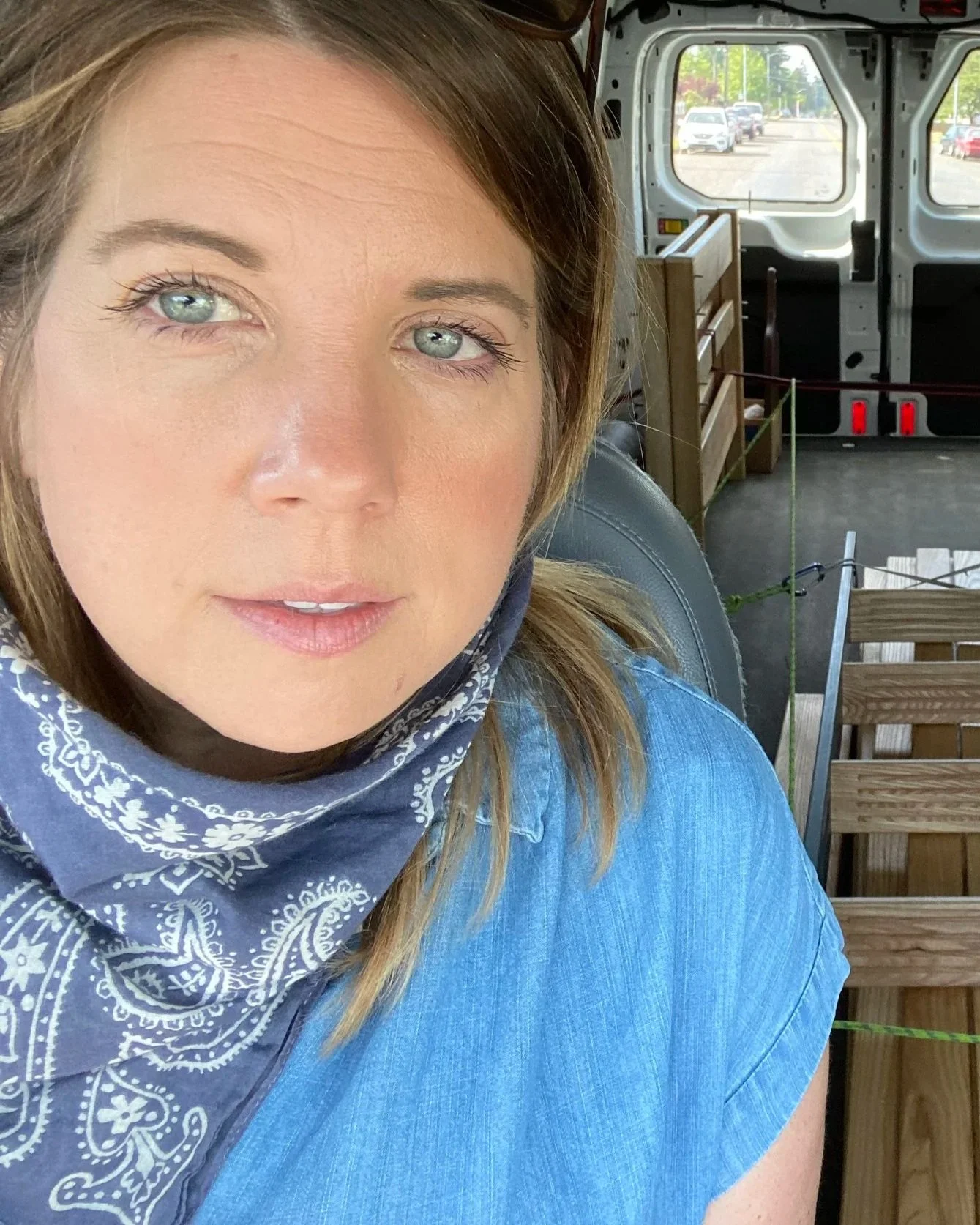
I make brand feel like it belongs in a room rather than being applied to one.
I translate business strategy into spatial systems — bridging what strategists describe and what designers can build. When strategy can be personified through design, the why stays ever-present, the what emerges.
I think in physical space. I design for how people actually move, feel, and decide — not just how a floor plan looks on a board. I can stand in a boardroom, a construction site, and a finished store and know what needs to happen at each moment and why.
I see it through. I push the details from expected and "branded" to human and lived-in — the difference between a space that feels like a corporation tried to express itself and a space that feels like a person curated it with intention.
I believe the best retail spaces are designed for deeply human things — relationships, identity, confidence, community, and connection. Where transaction is an outcome, not a goal. And where brand, at its best, feels like a recommendation from a trusted friend.
NIKKI ARRUDA
Concept Strategist & Environmental Designer
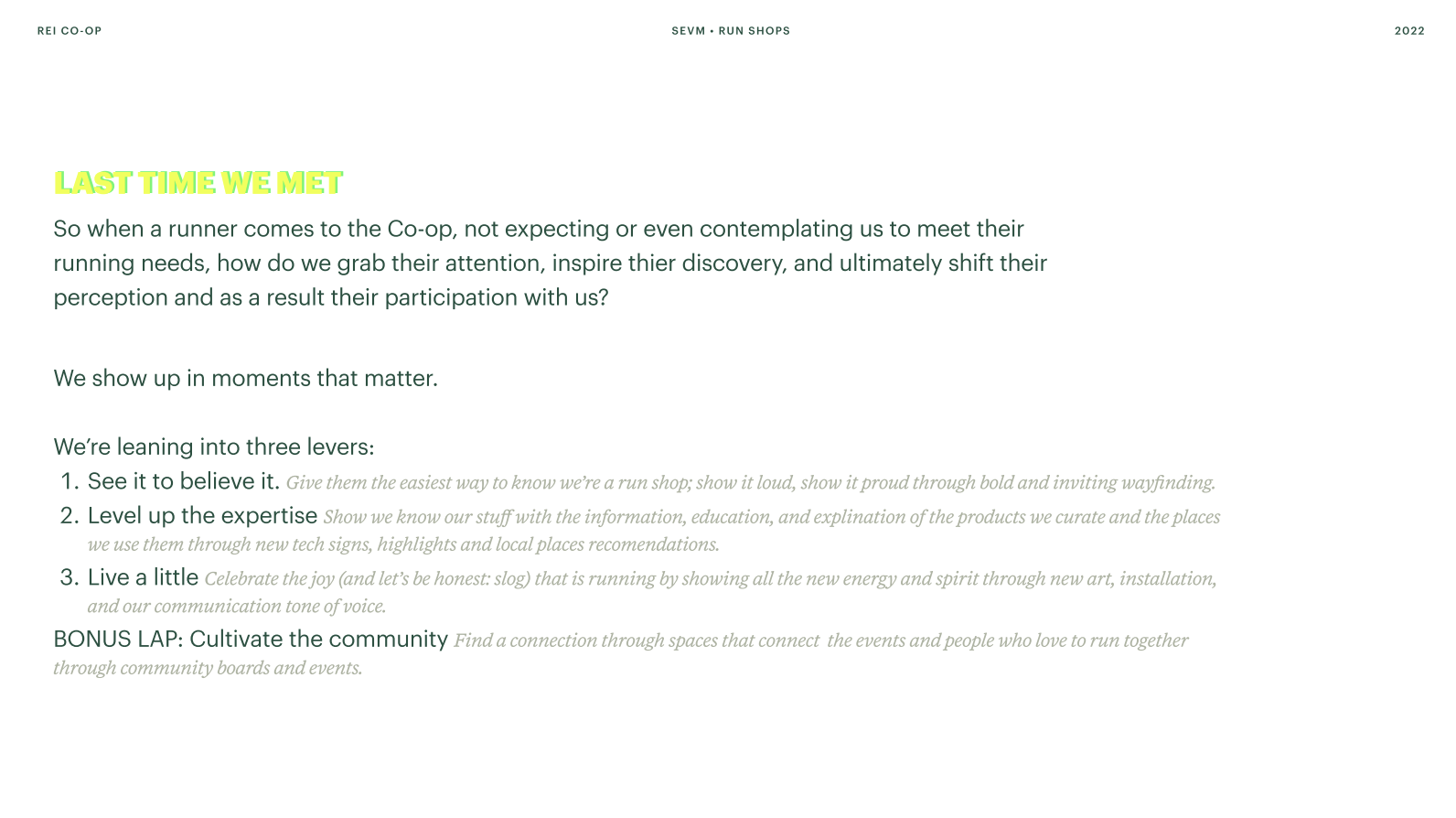
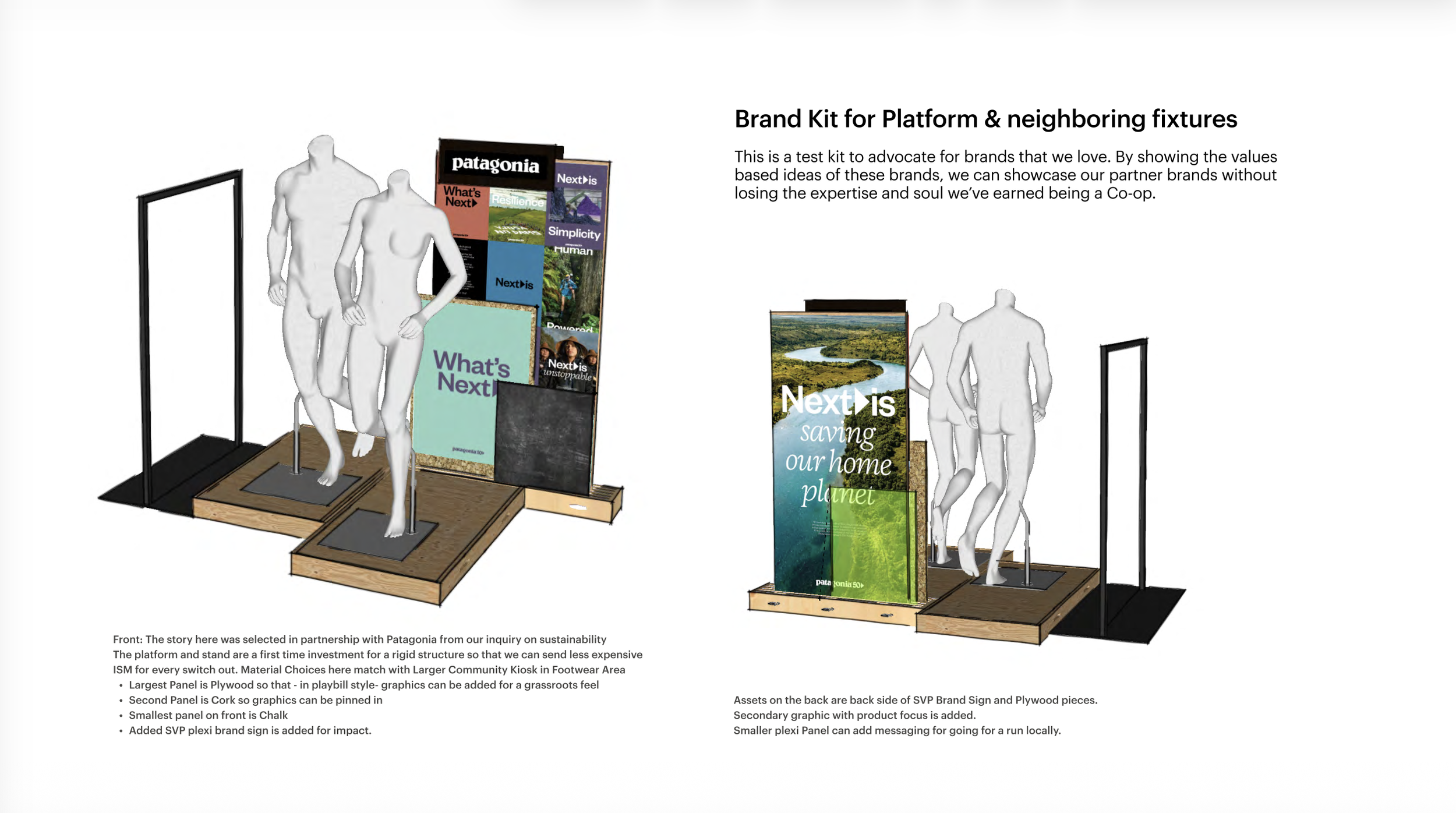
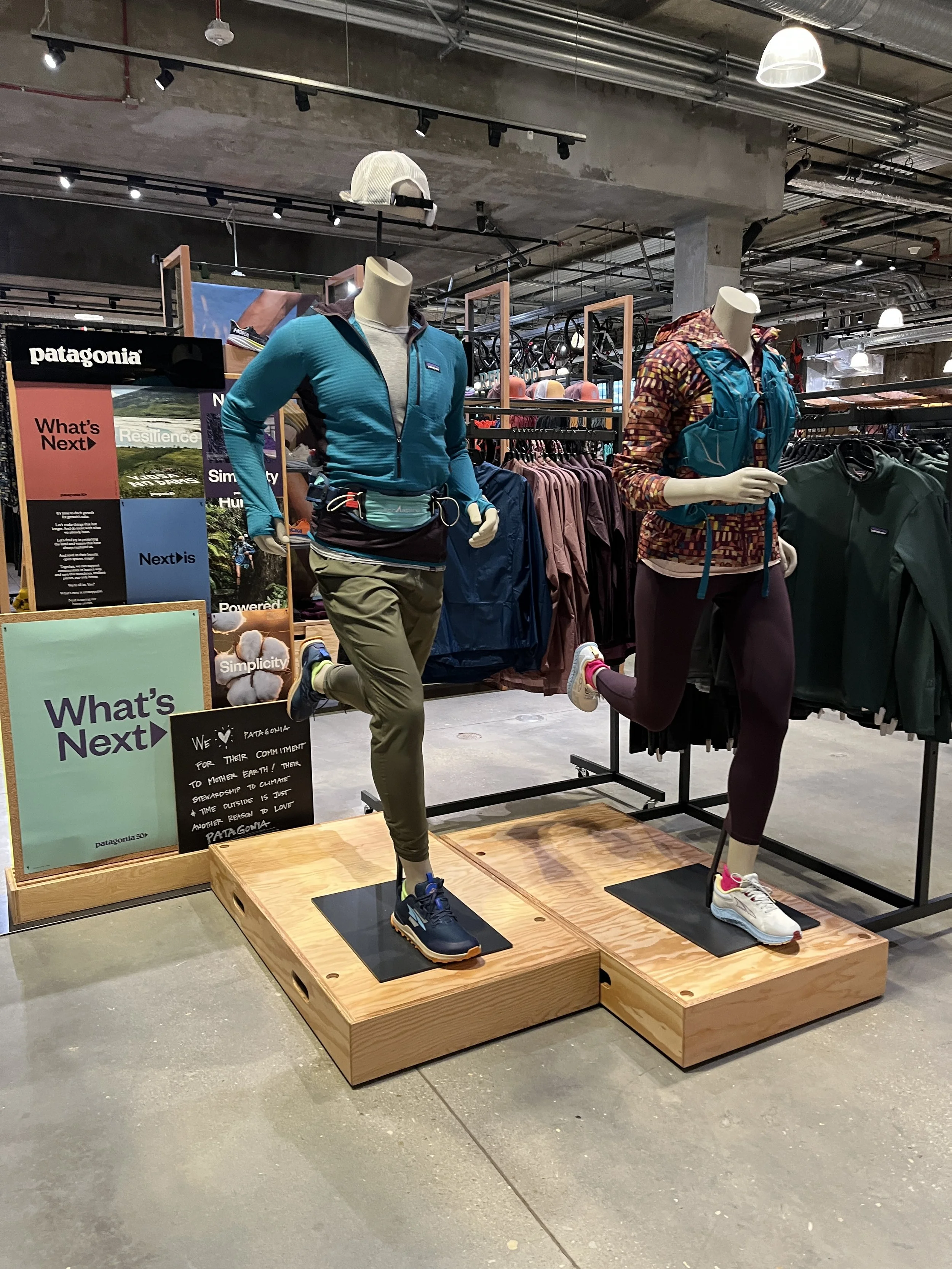
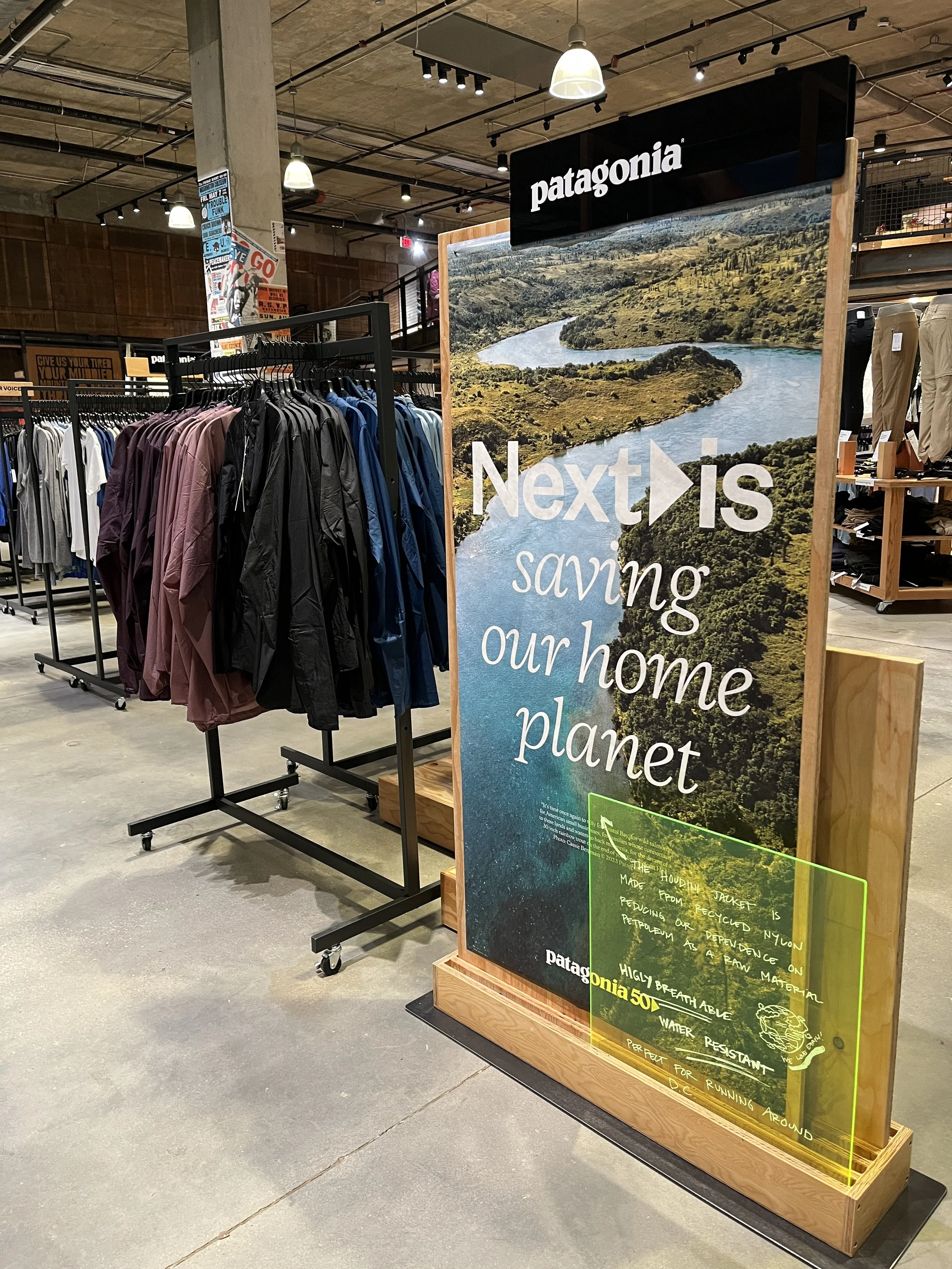
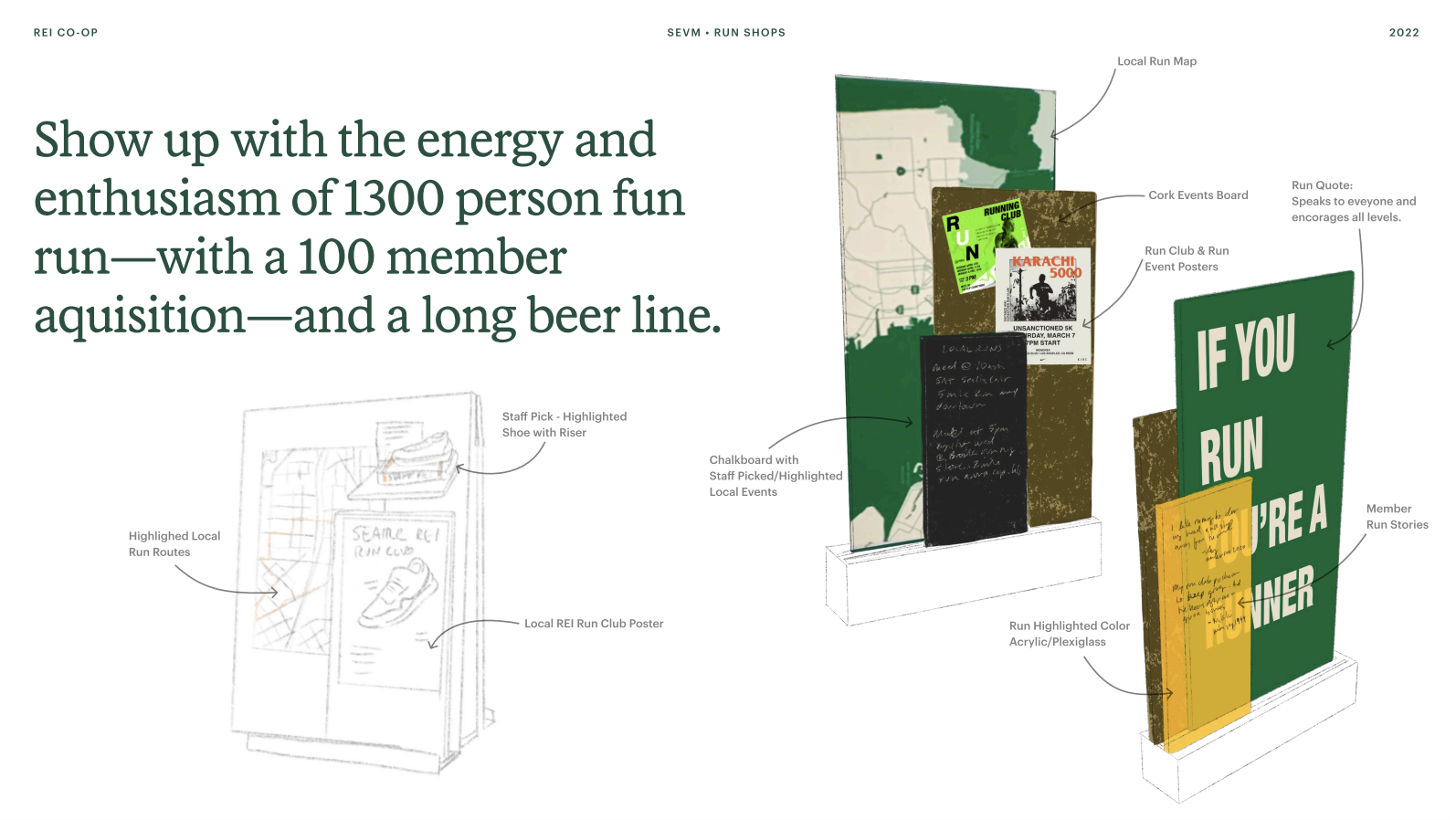
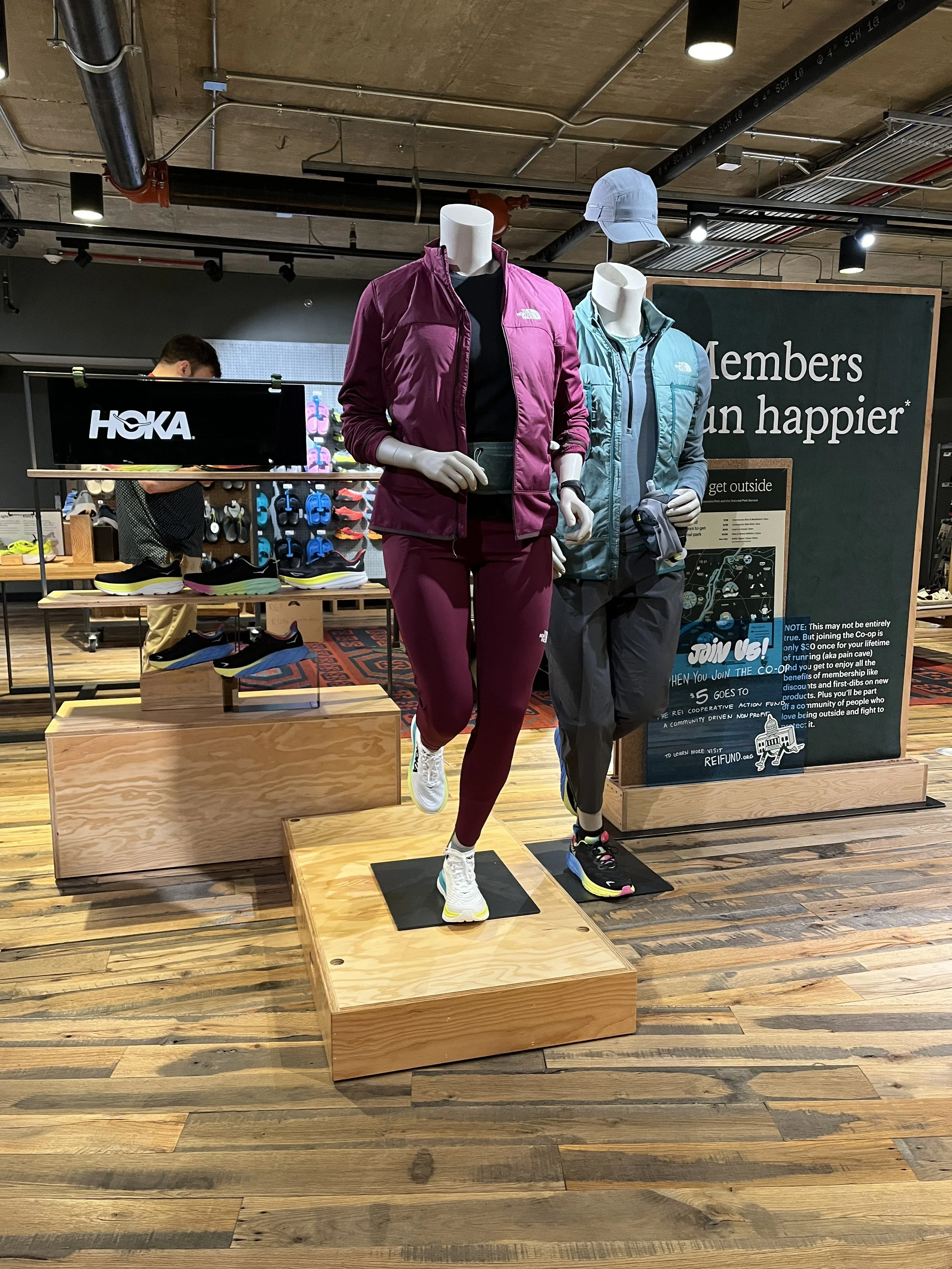
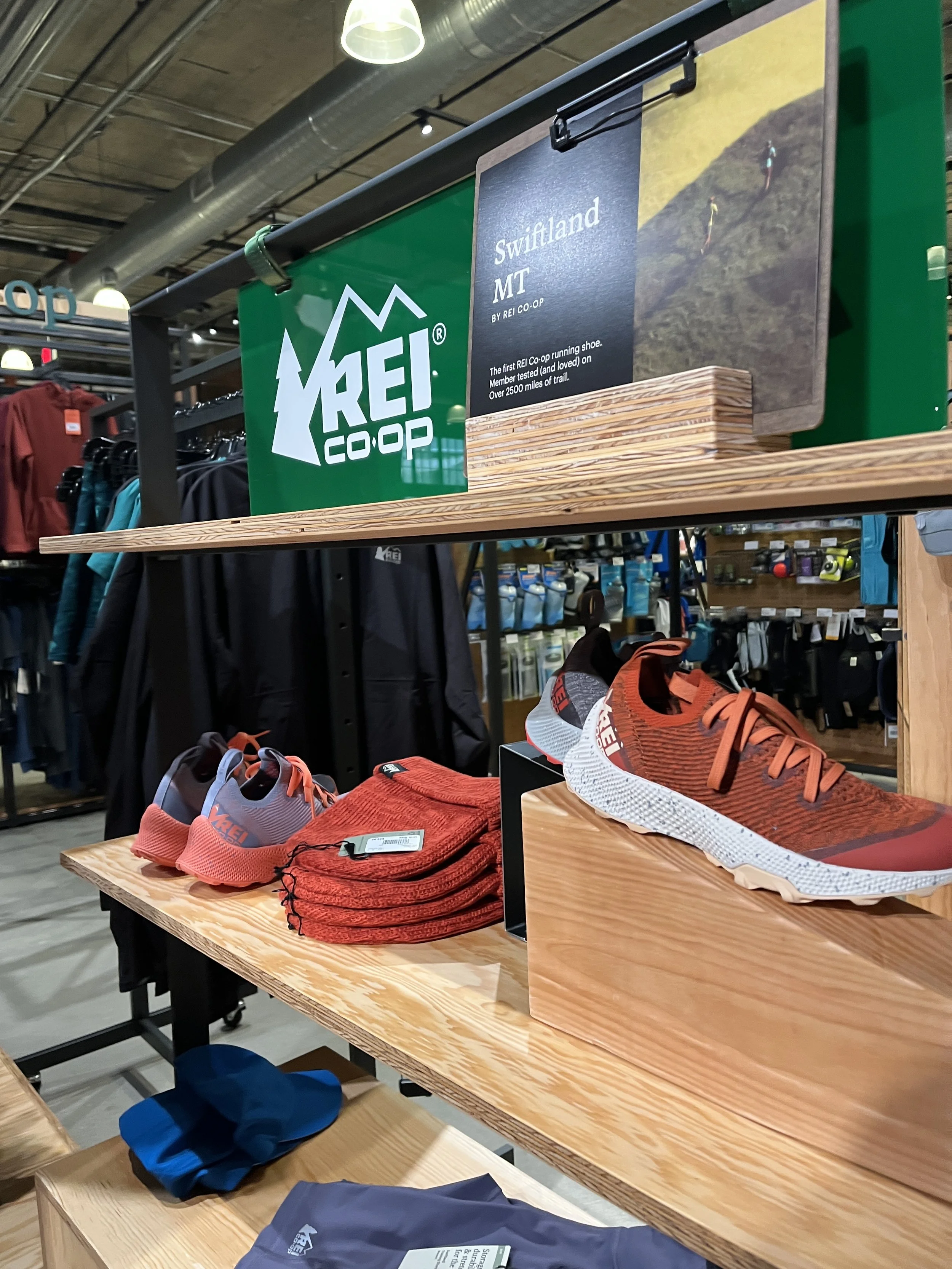
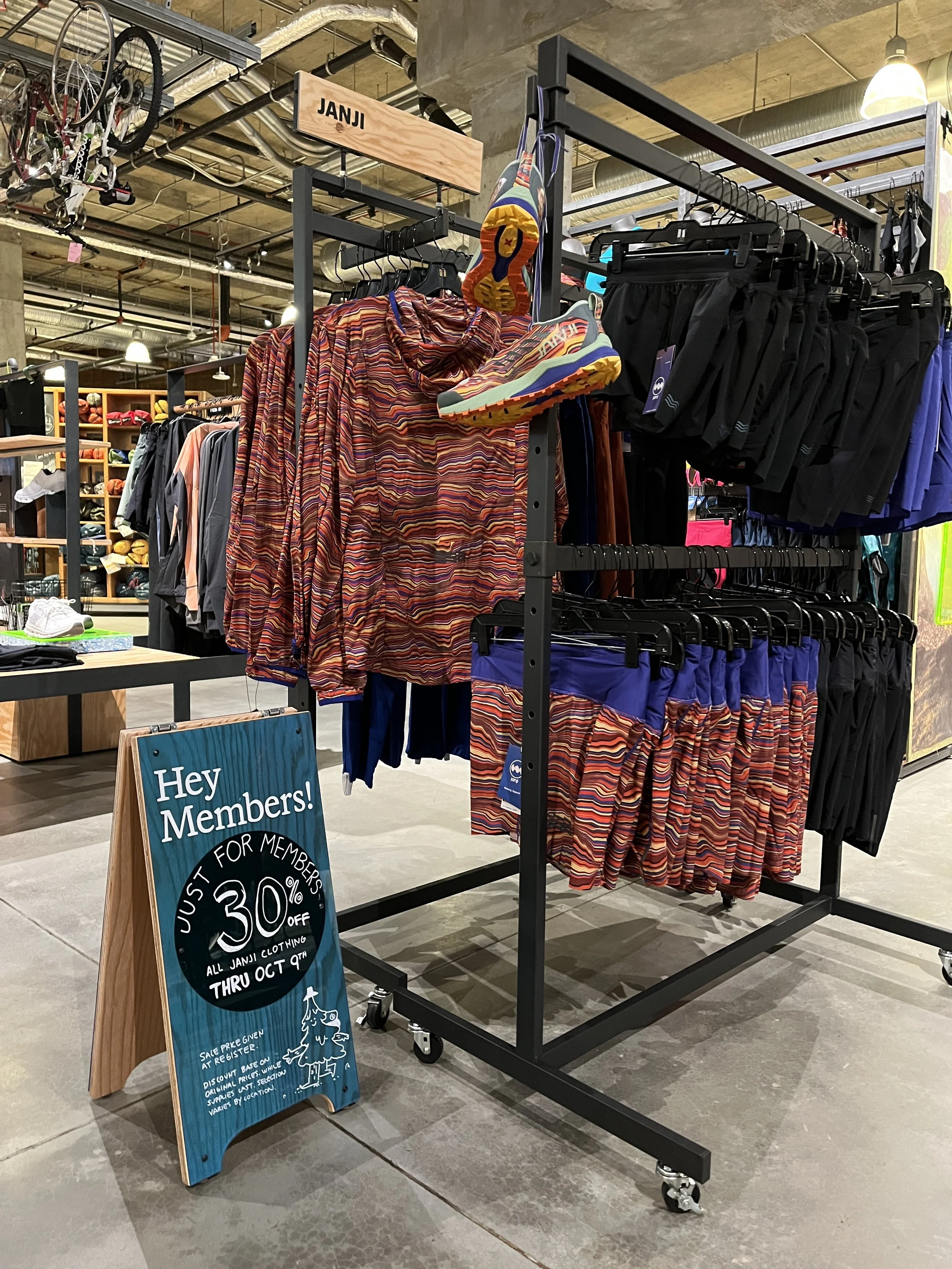
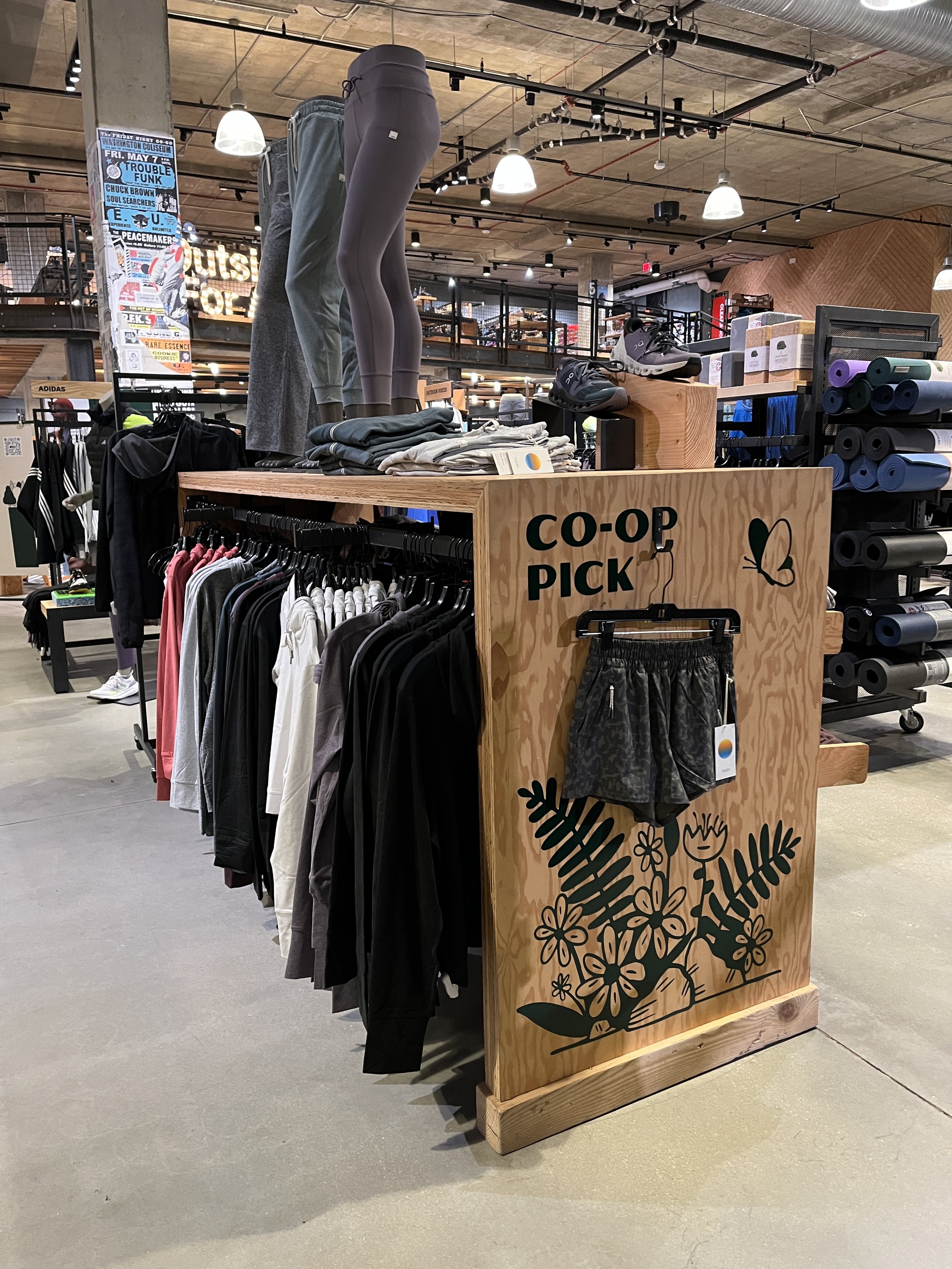
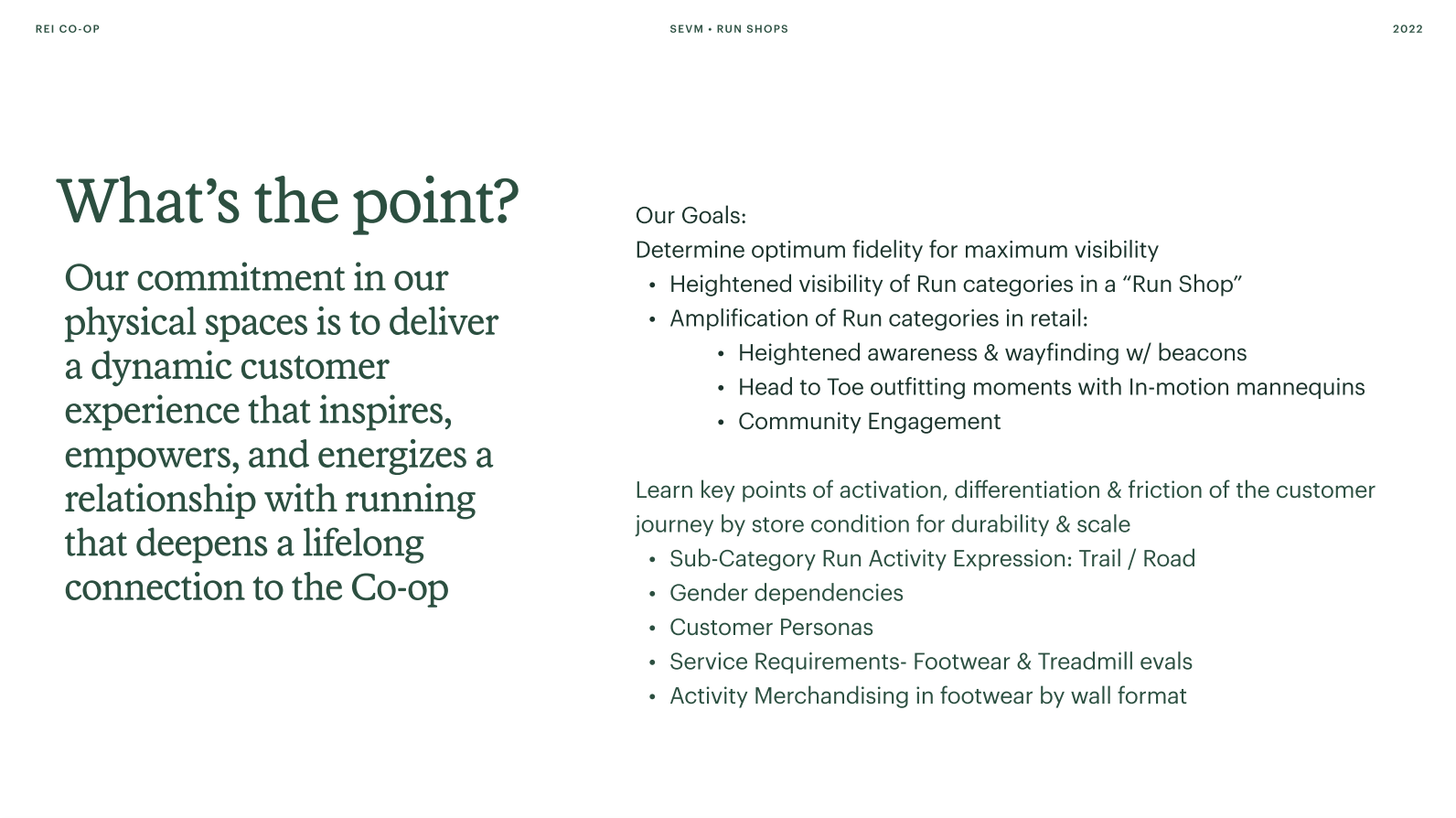
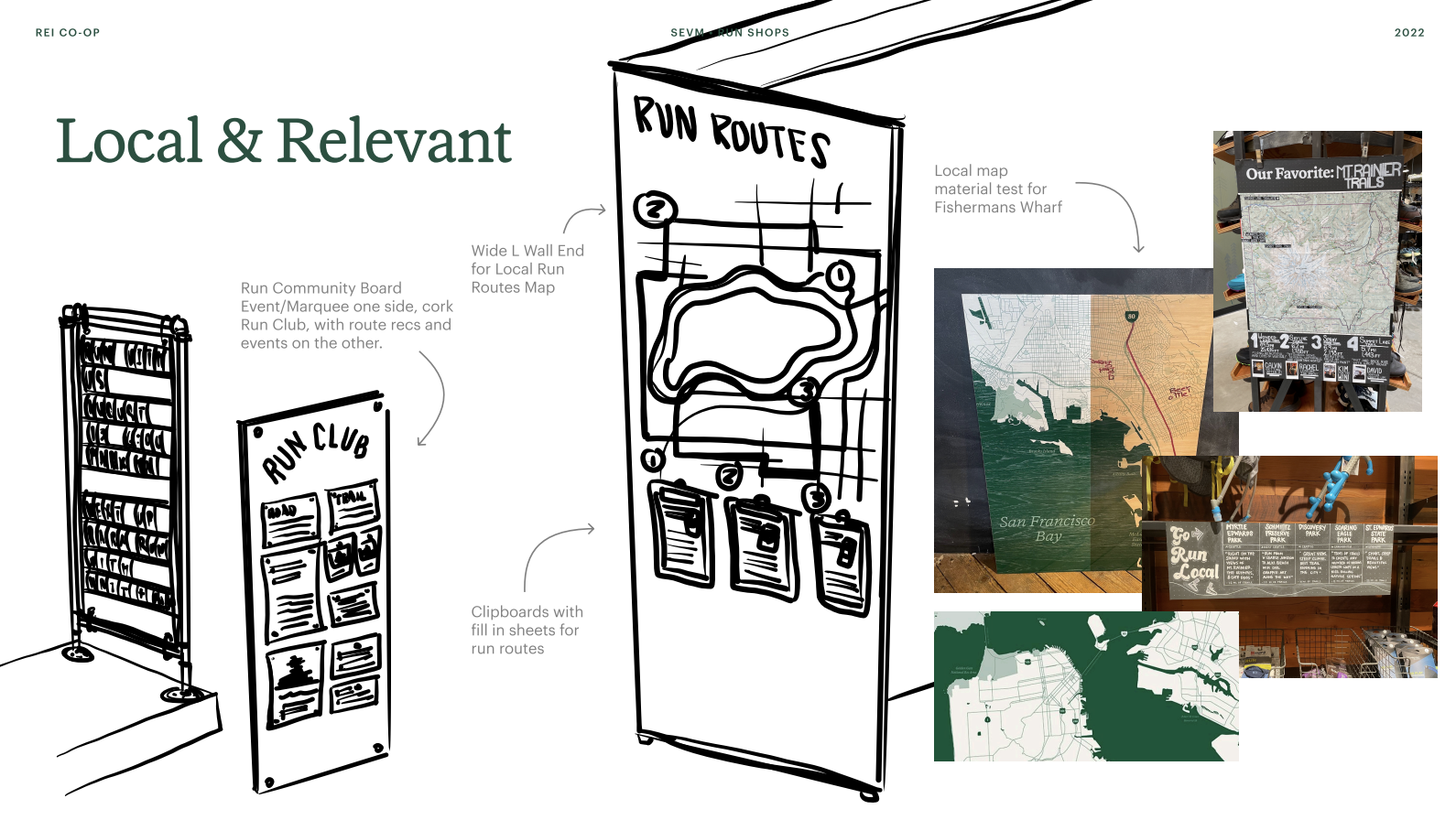
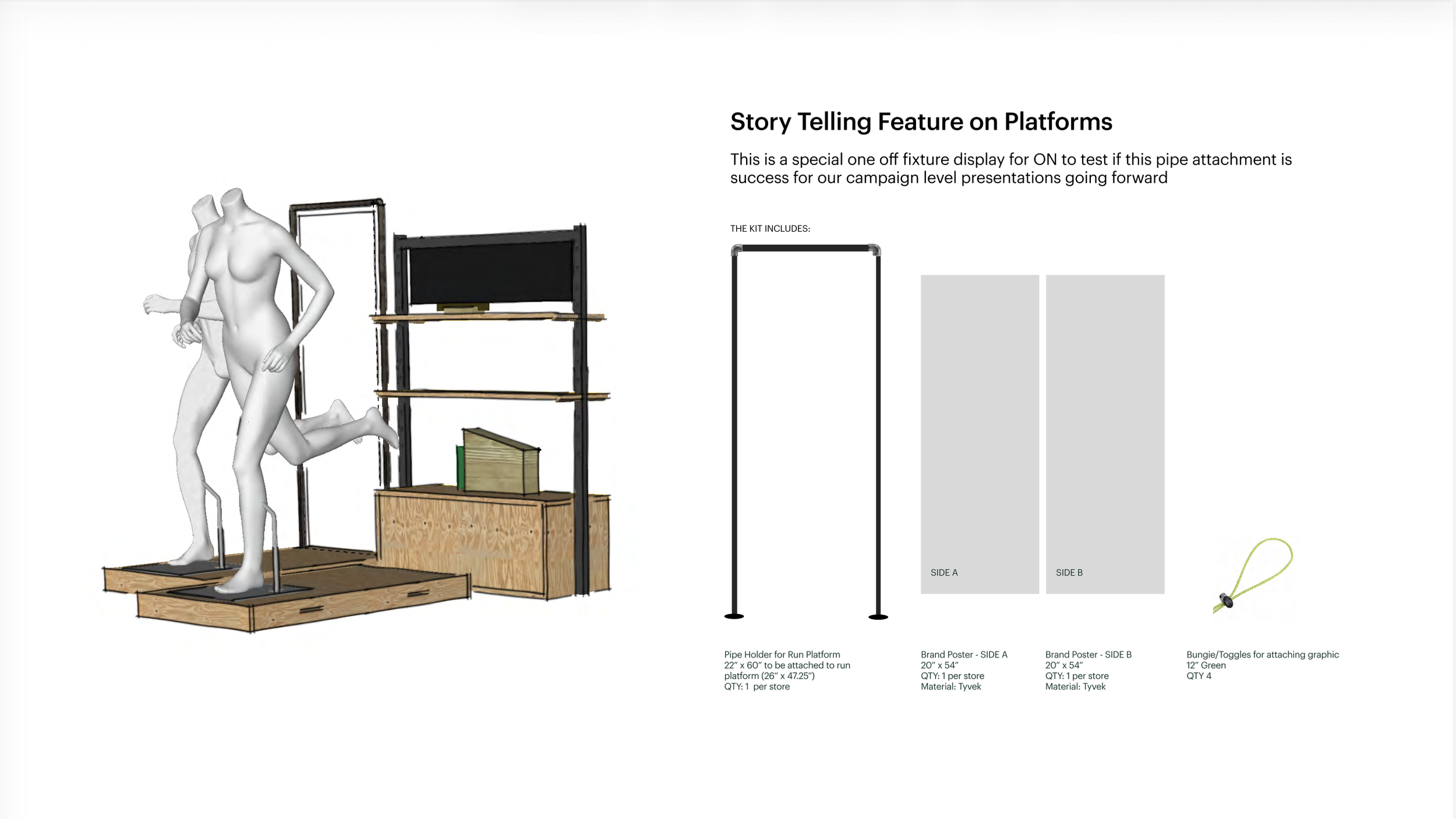
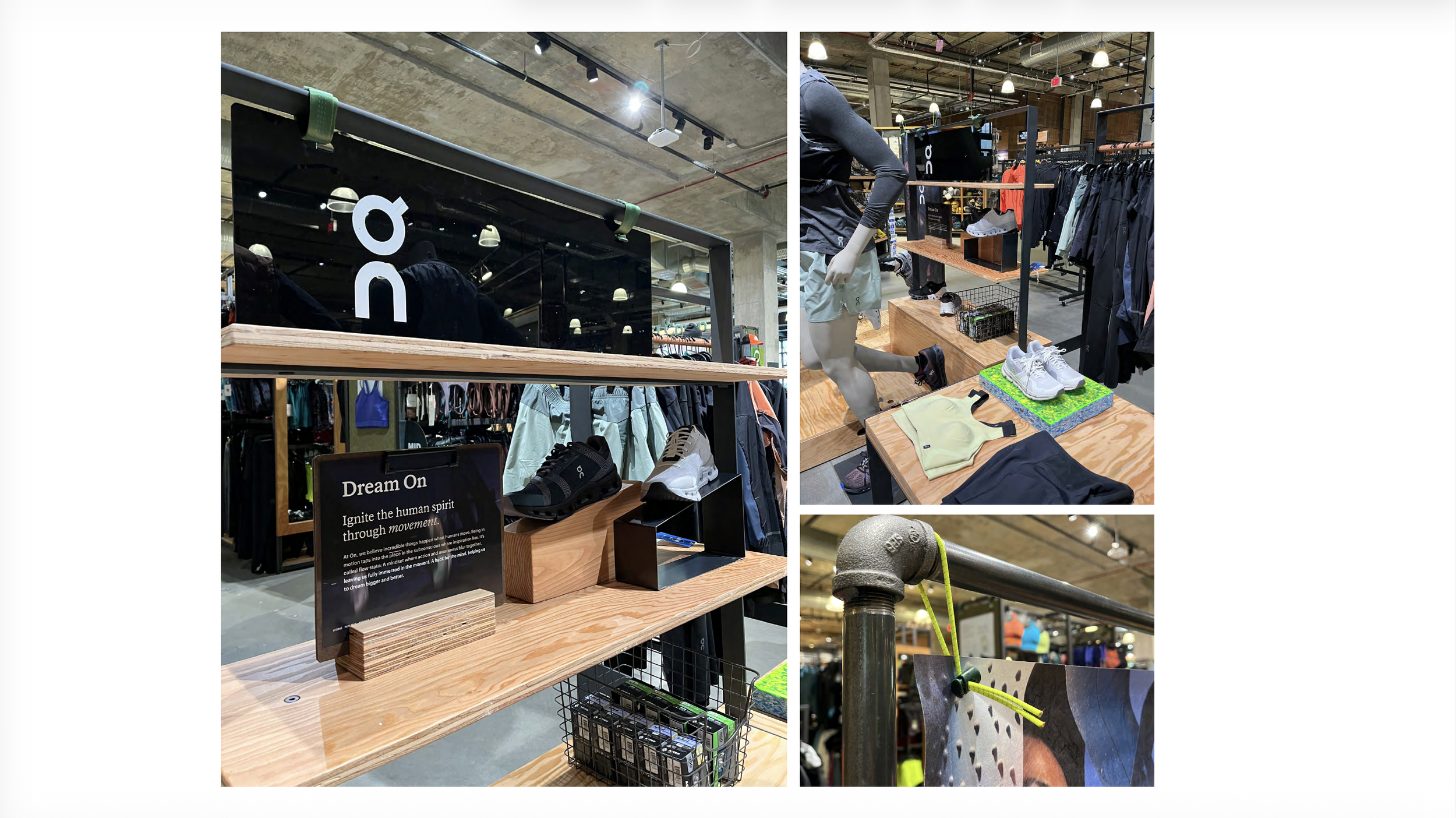
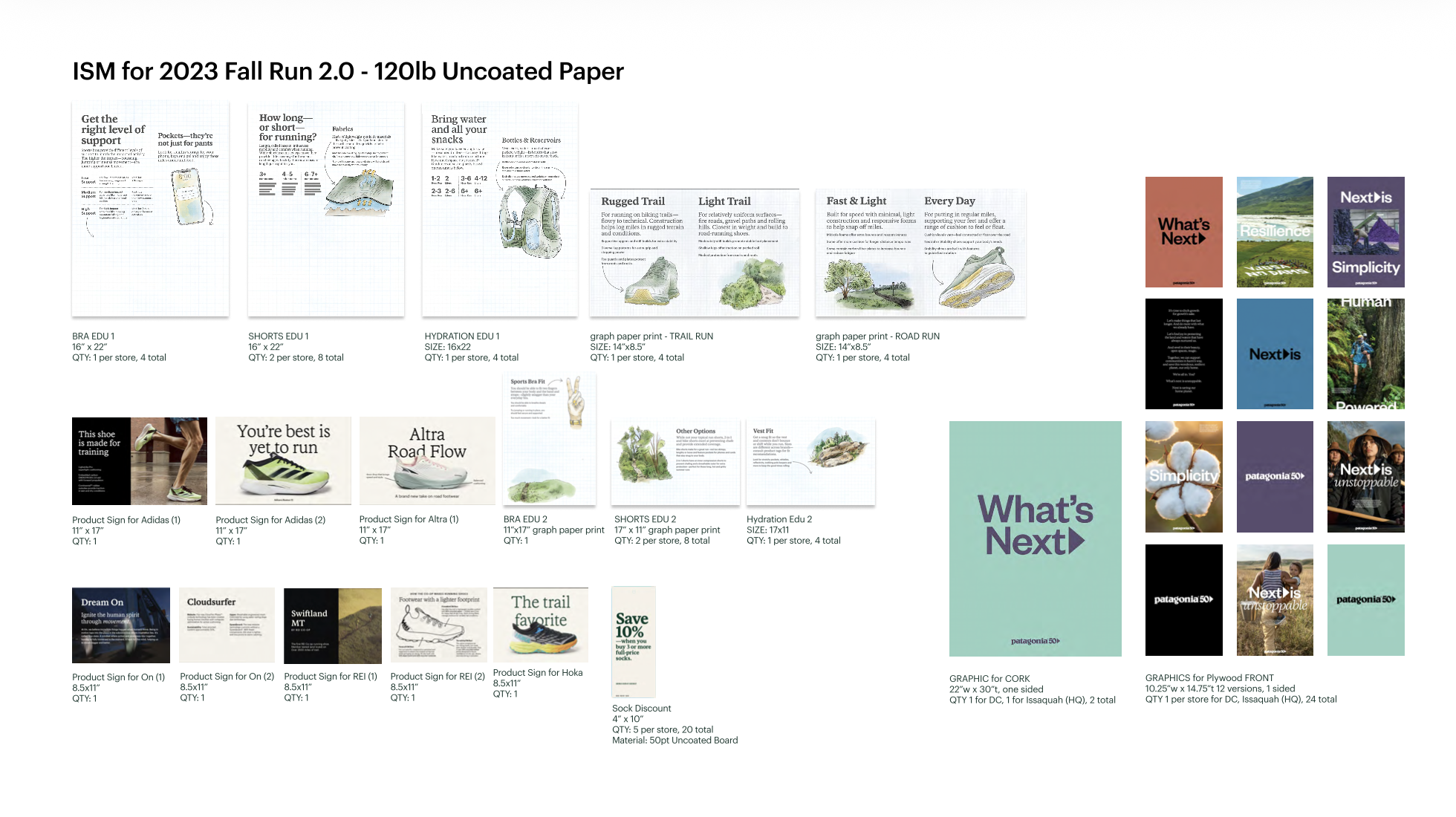
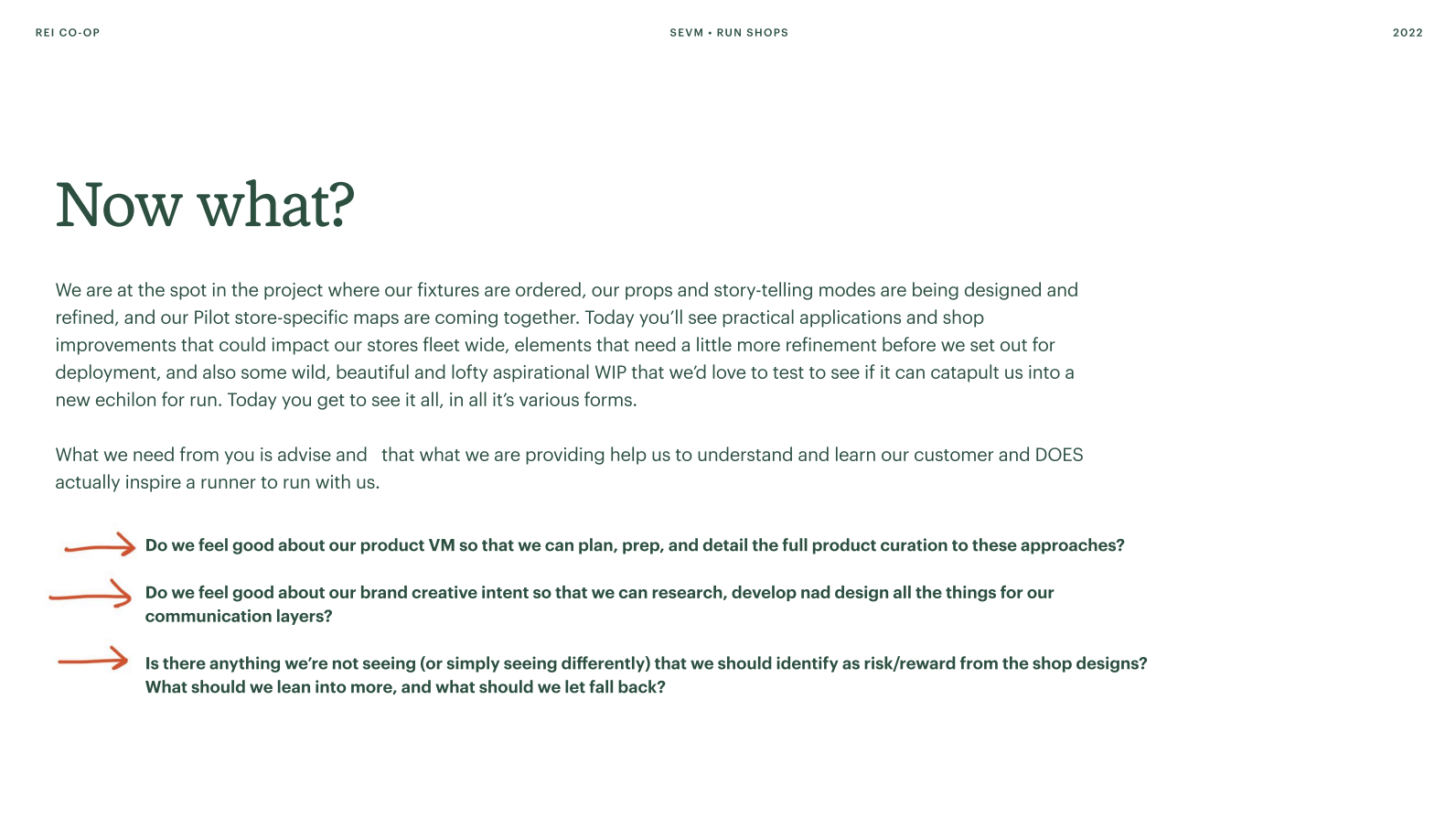
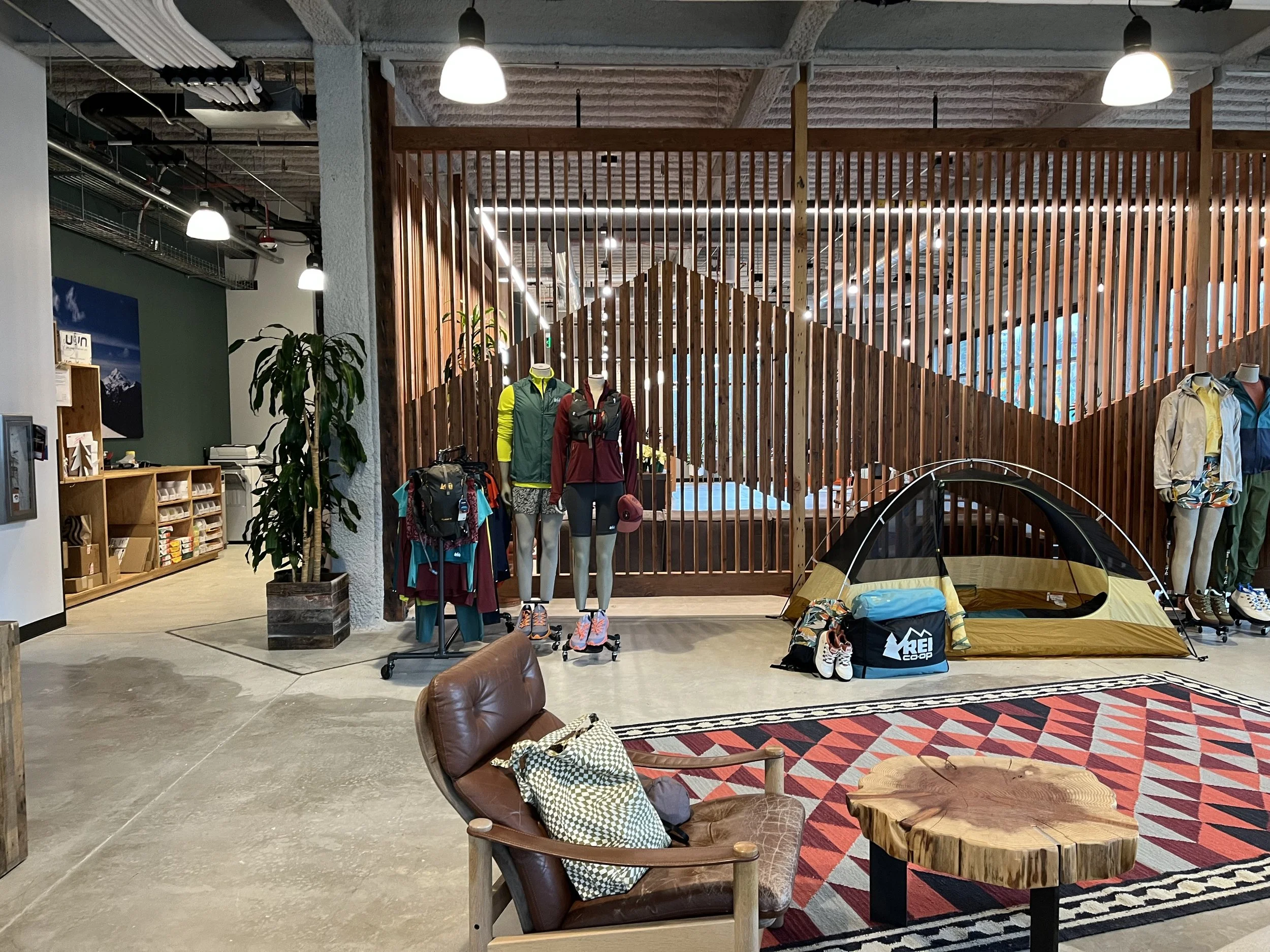
REI Run Shops — Comfortable, local, but fueled.
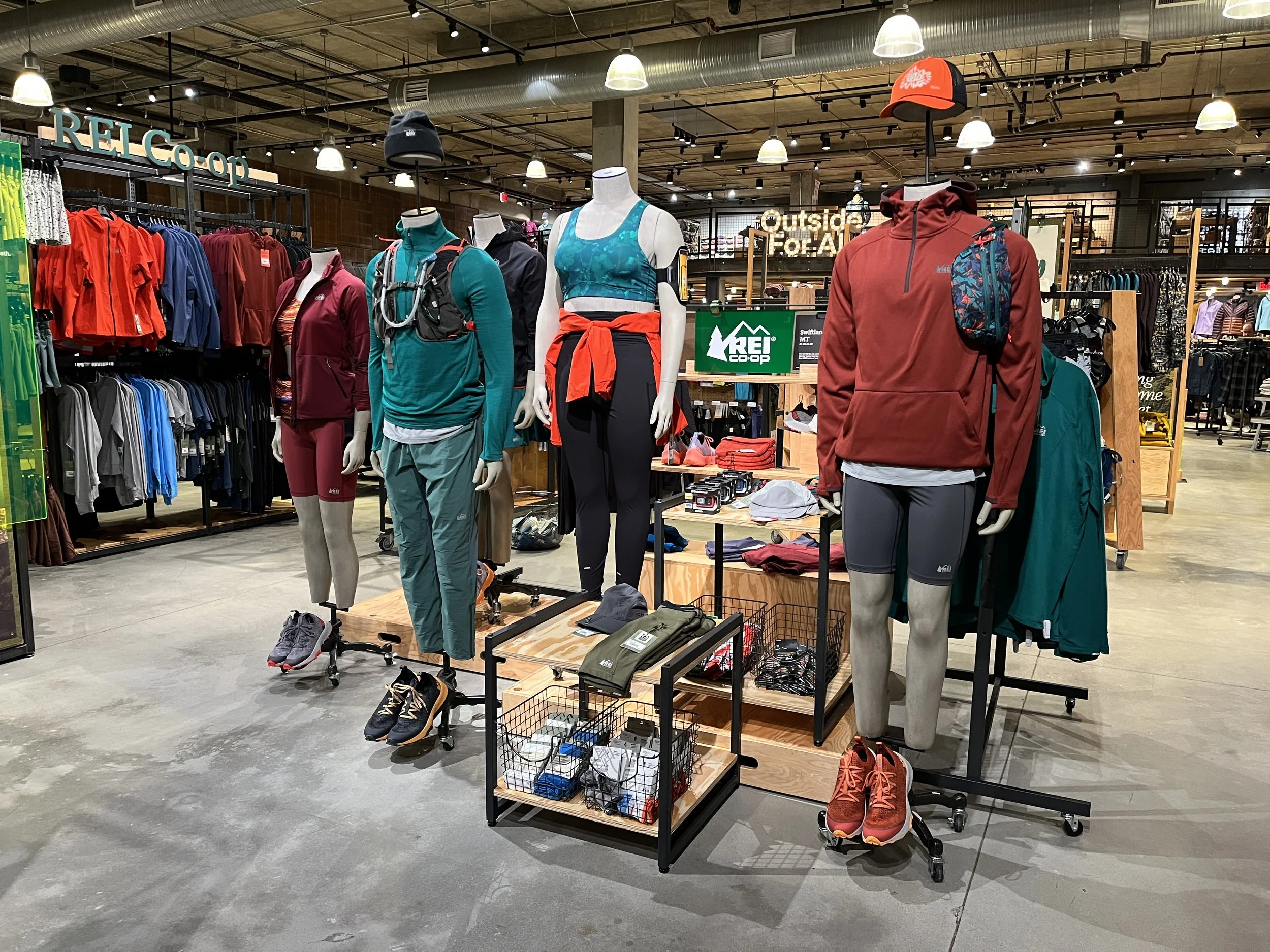
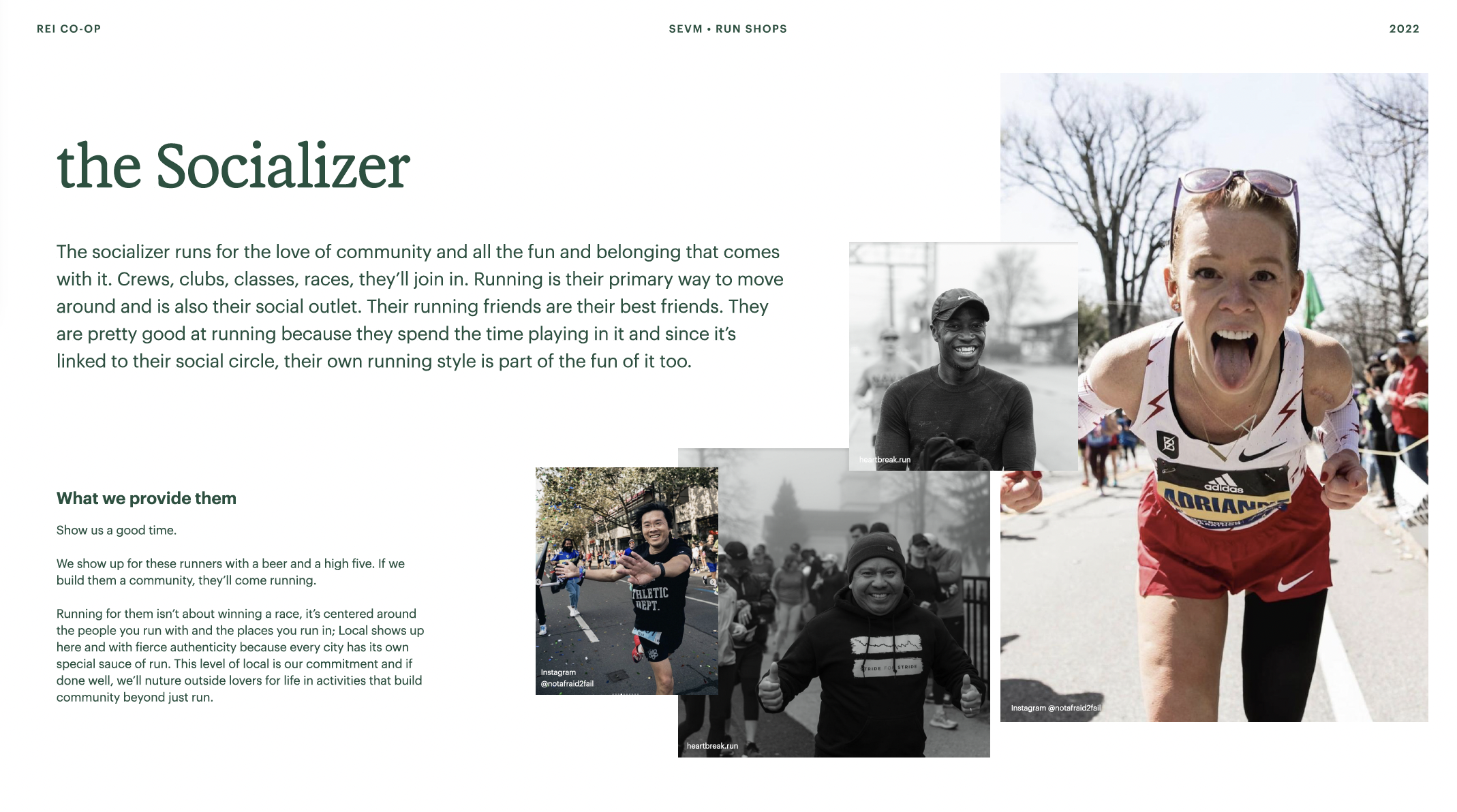
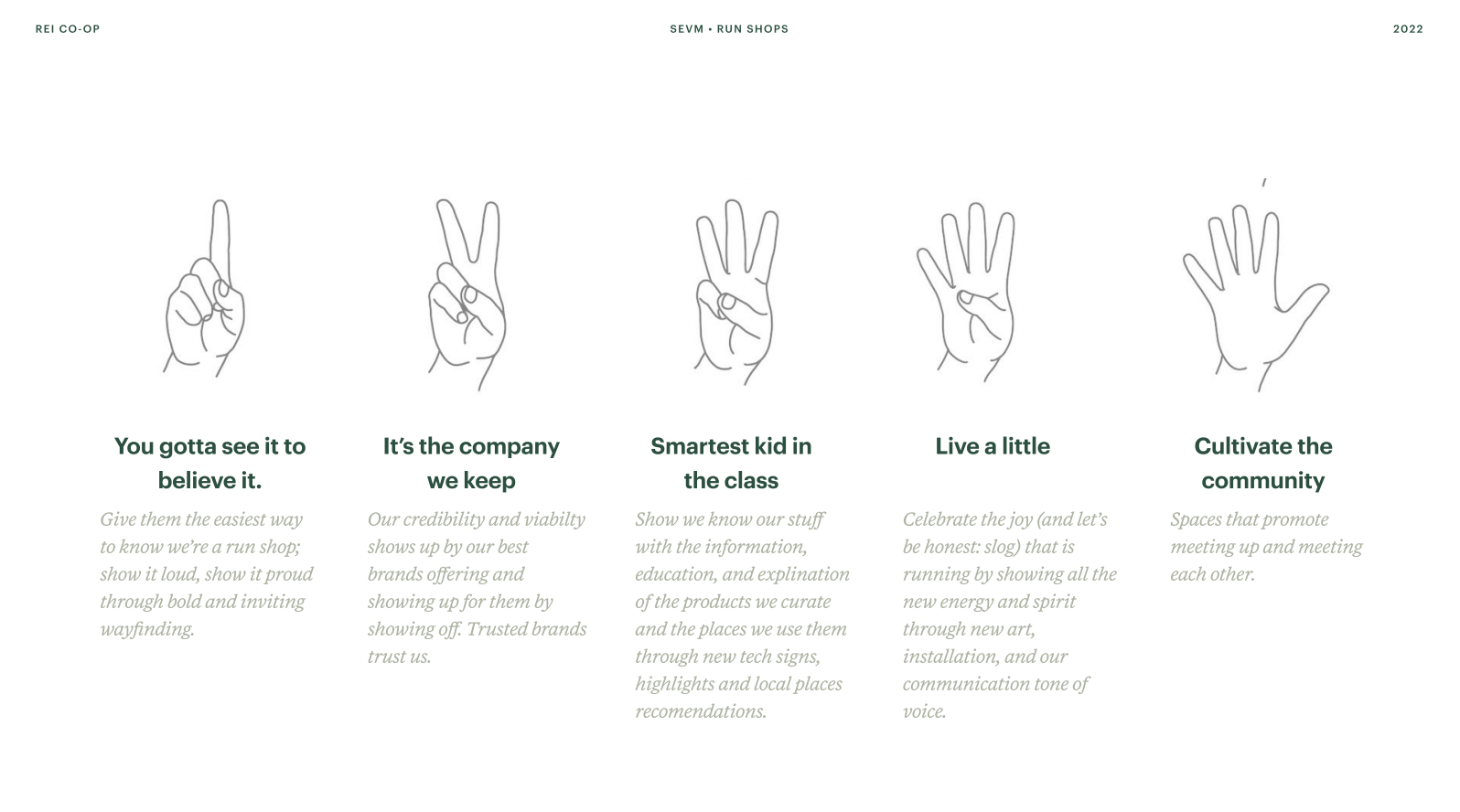
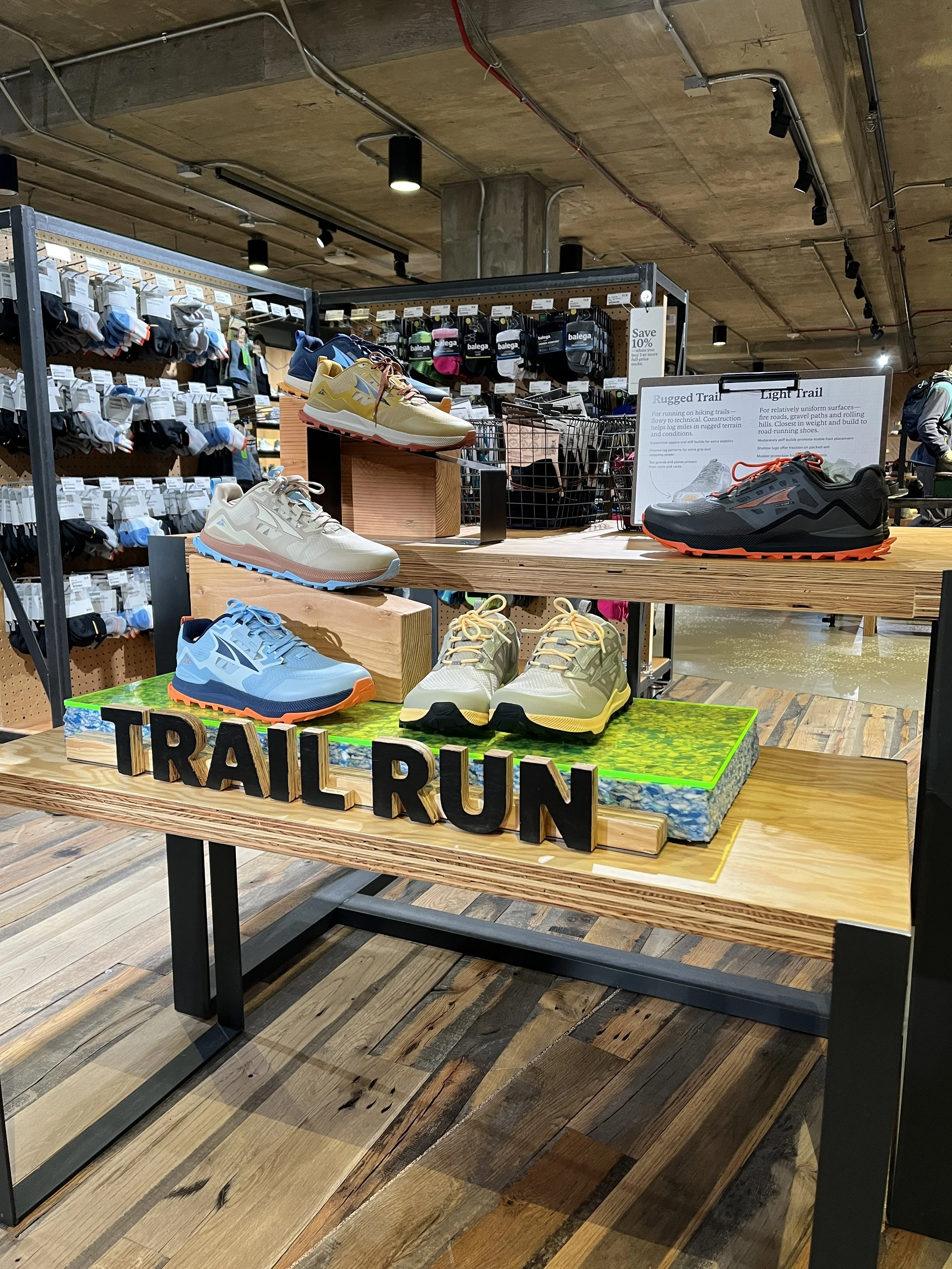
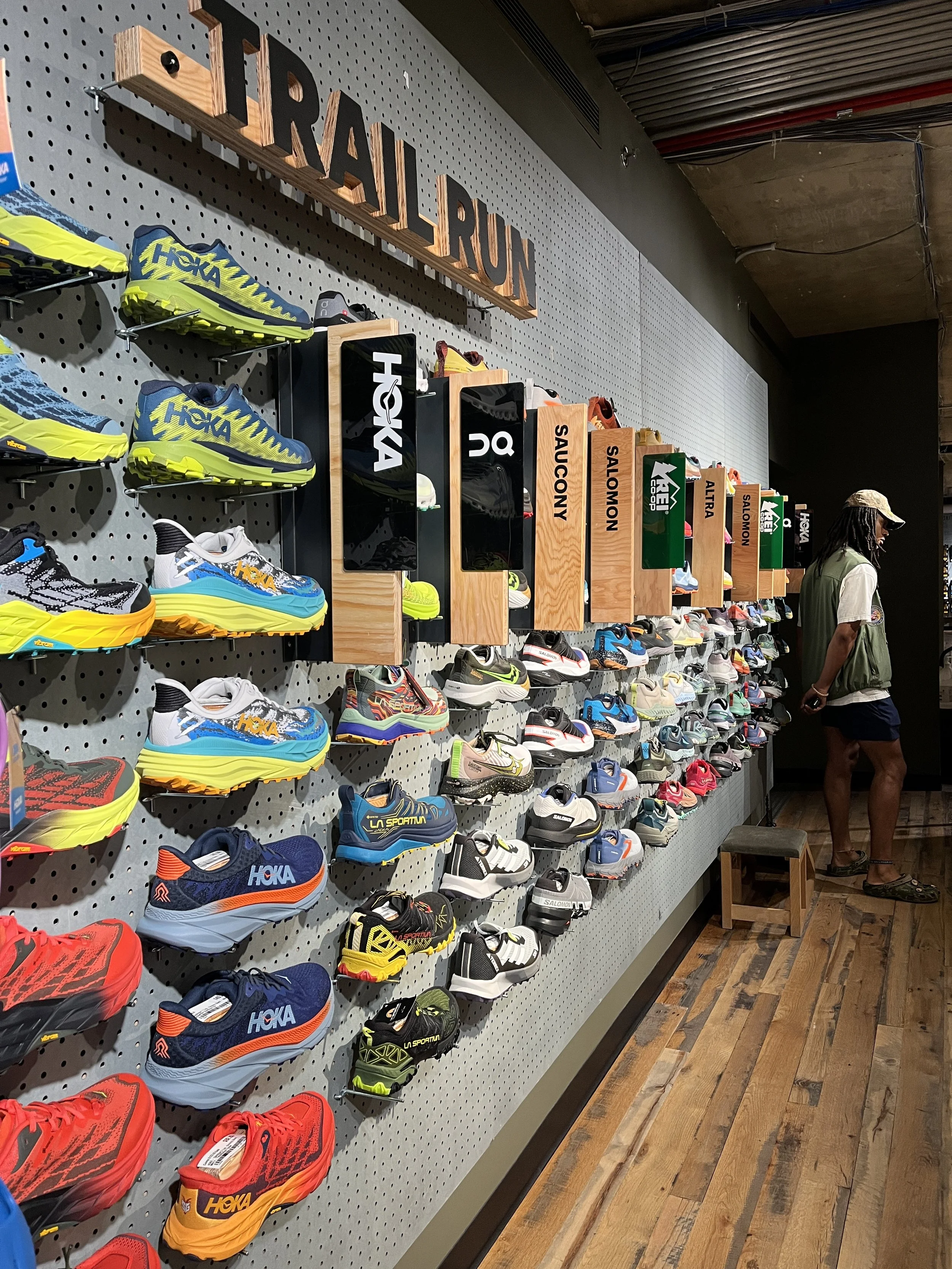
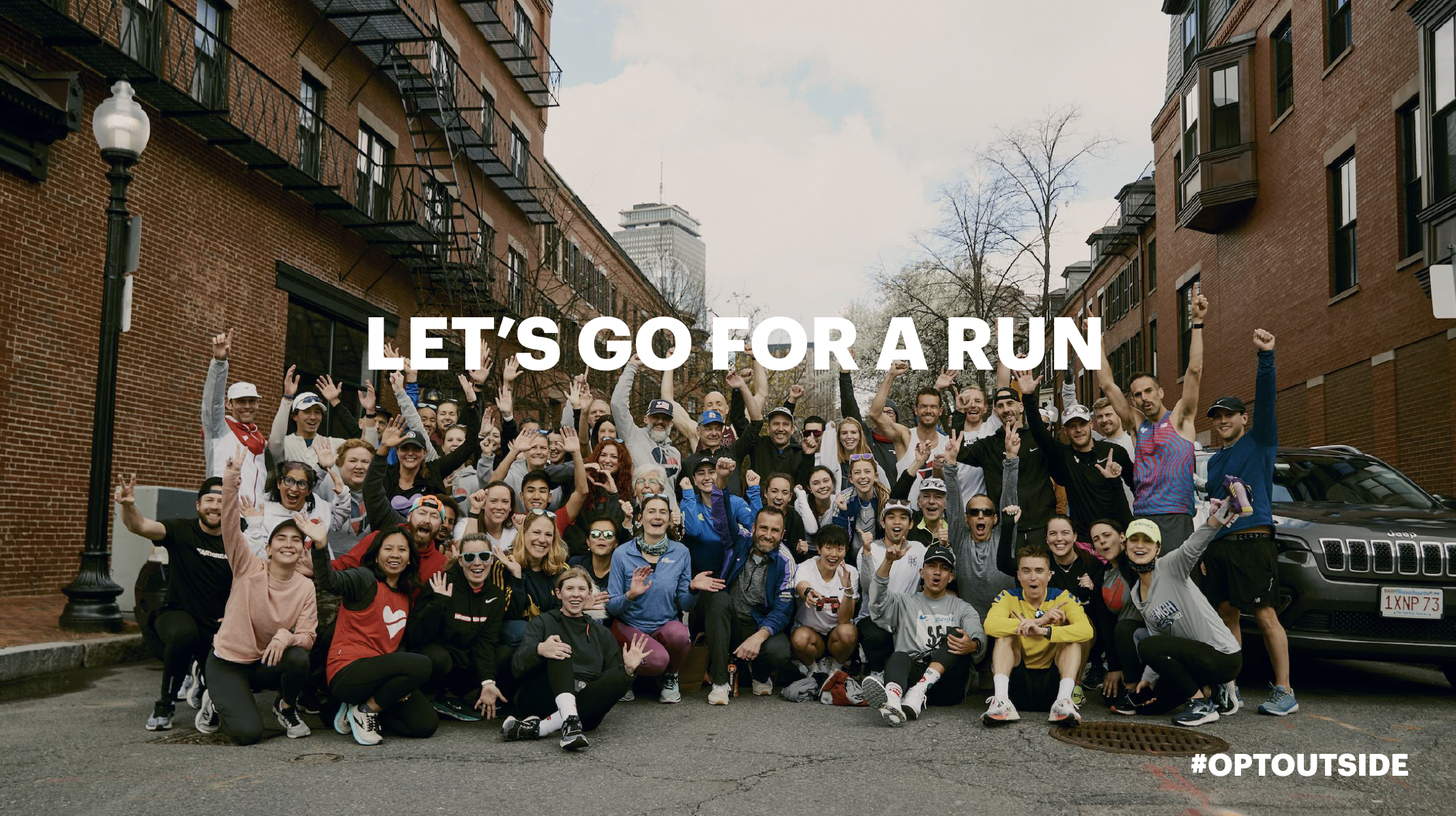
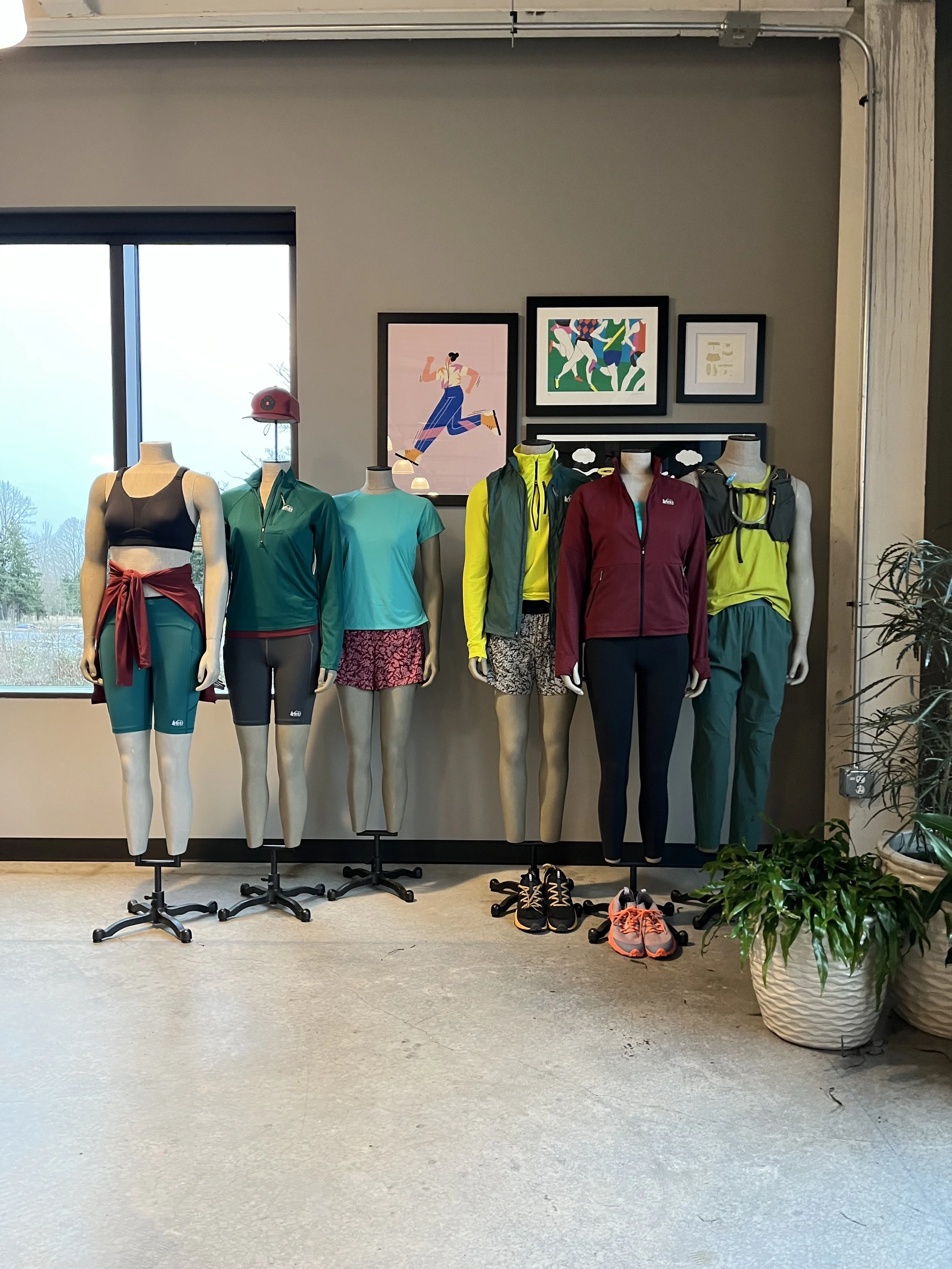
Running is one of REI's fastest growing categories — but the store wasn't showing up for runners the way runners show up for each other. The opportunity was clear: create a shop identity that could live within an existing store environment, celebrate the vendor brands runners trust, and feel less like a retail department and more like a community that happens to sell great gear.
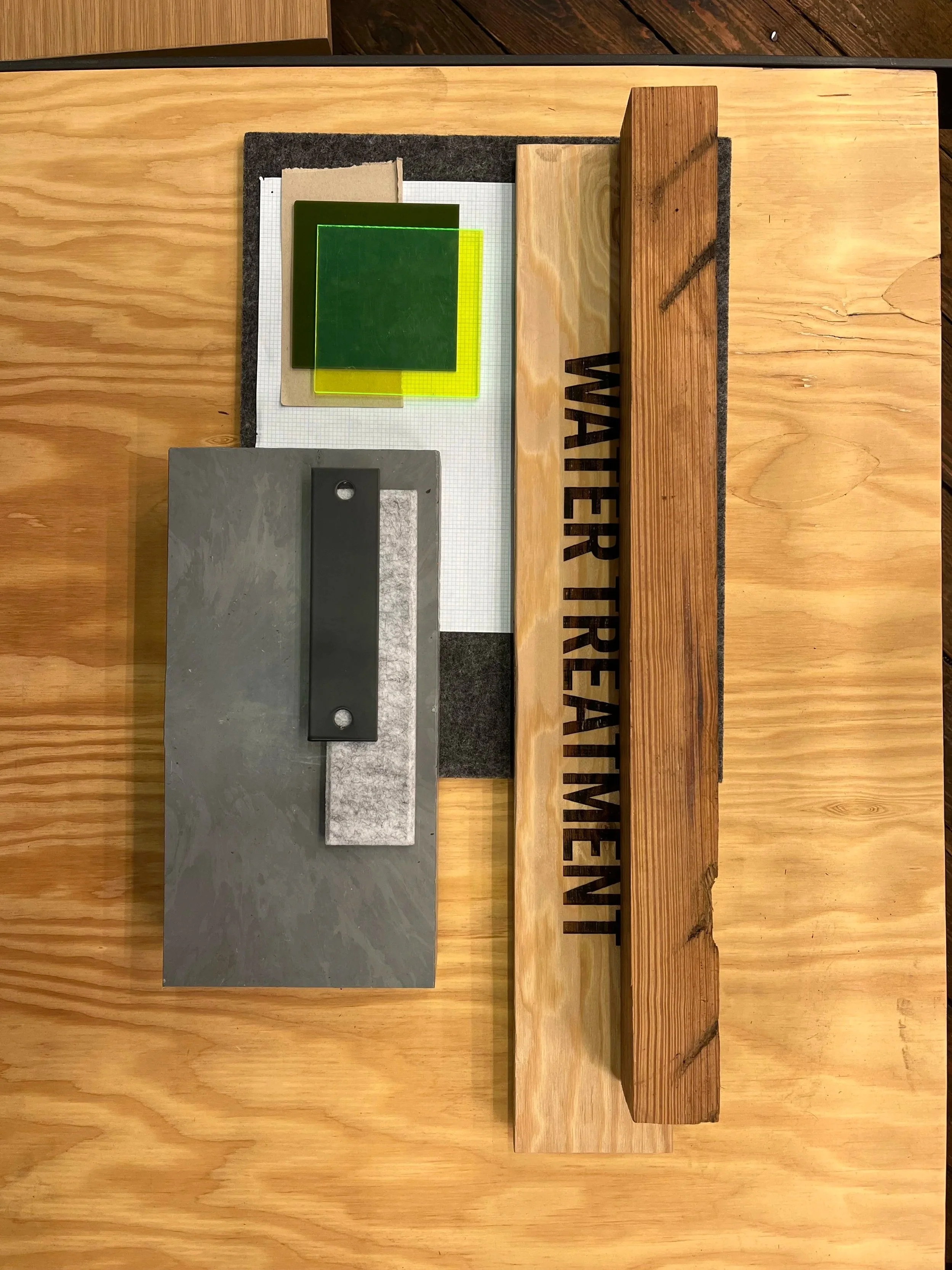
Starting with three runner archetypes — the Explorer, the Competitor, the Socializer — we built an experience strategy before touching a single design decision. The result was a full environmental identity: material palette, dimensional signage, props, brand expression and vendor integration. Designed from the start to work across stores of wildly different ages, sizes and formats — which is exactly why it scaled. From a test group of stores to a fleet-wide rollout, it increased sales everywhere it landed.
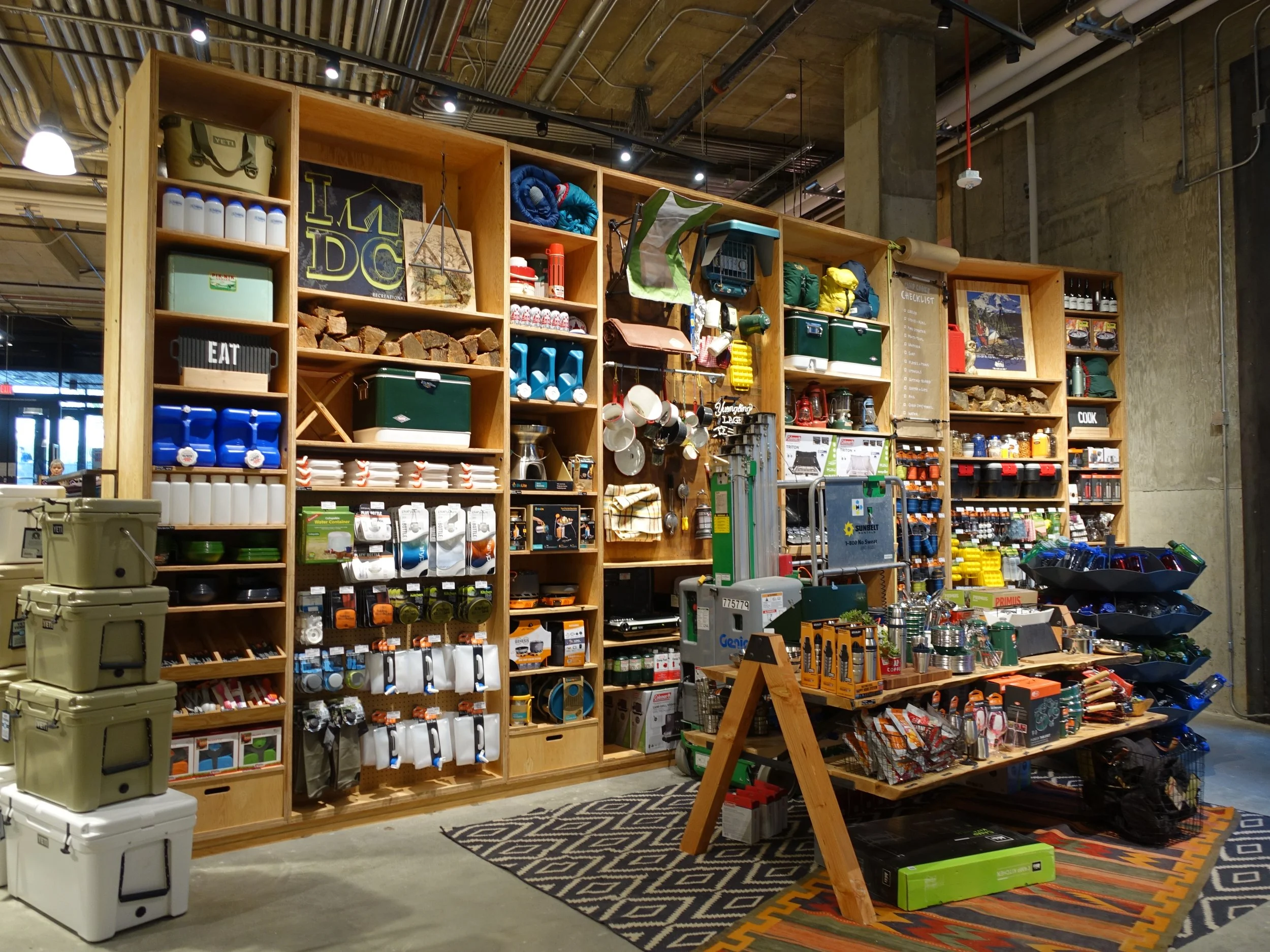
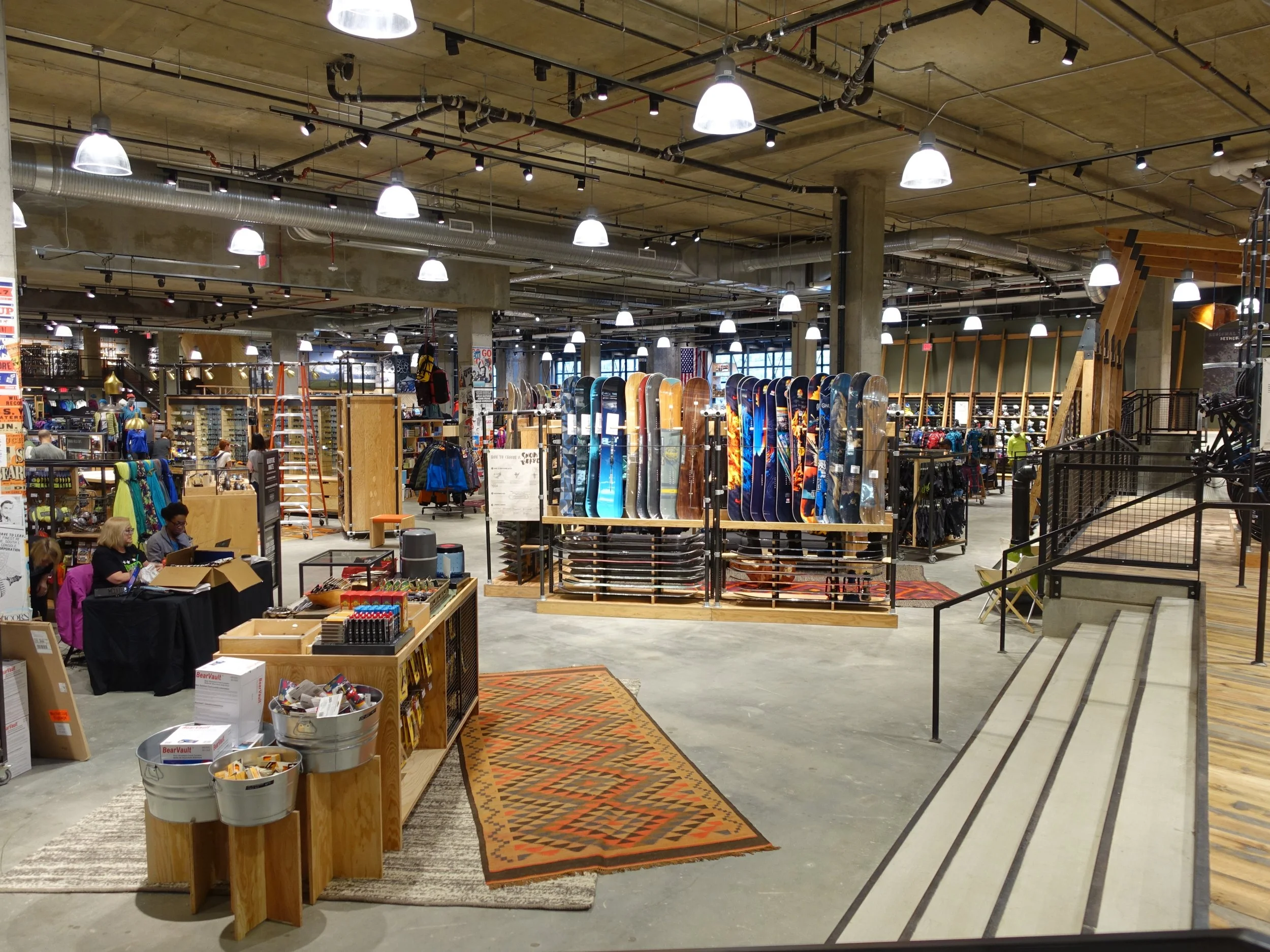
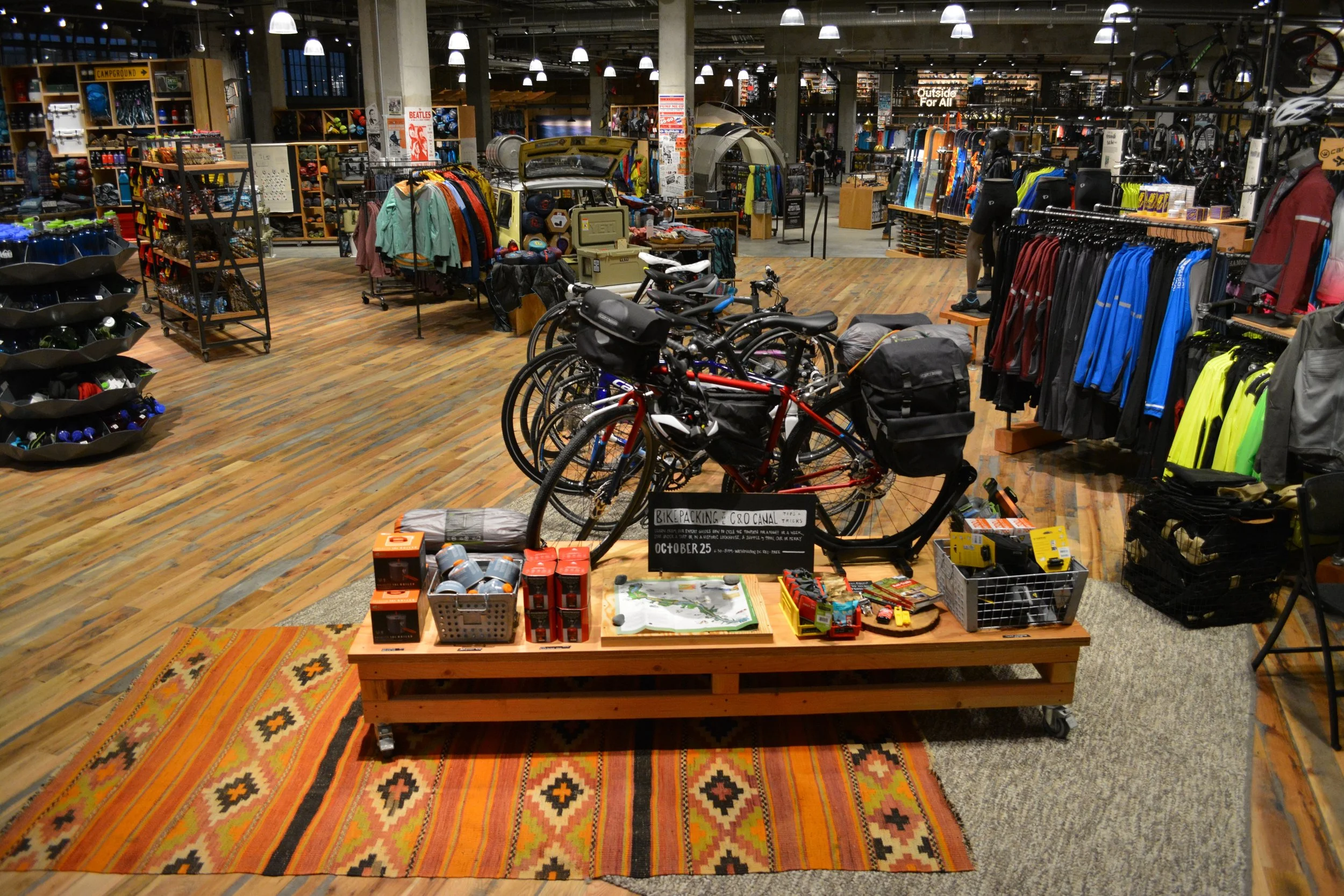
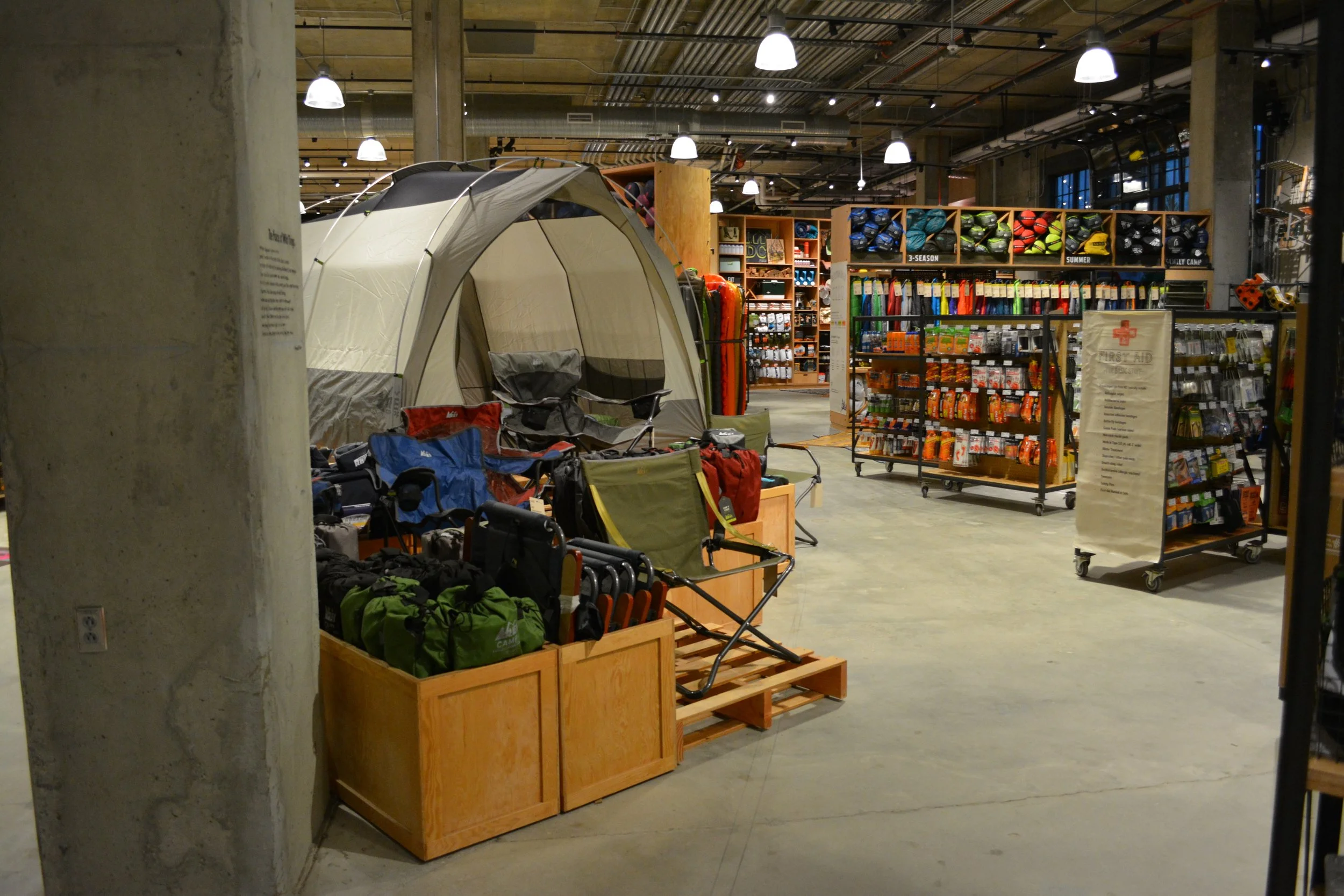
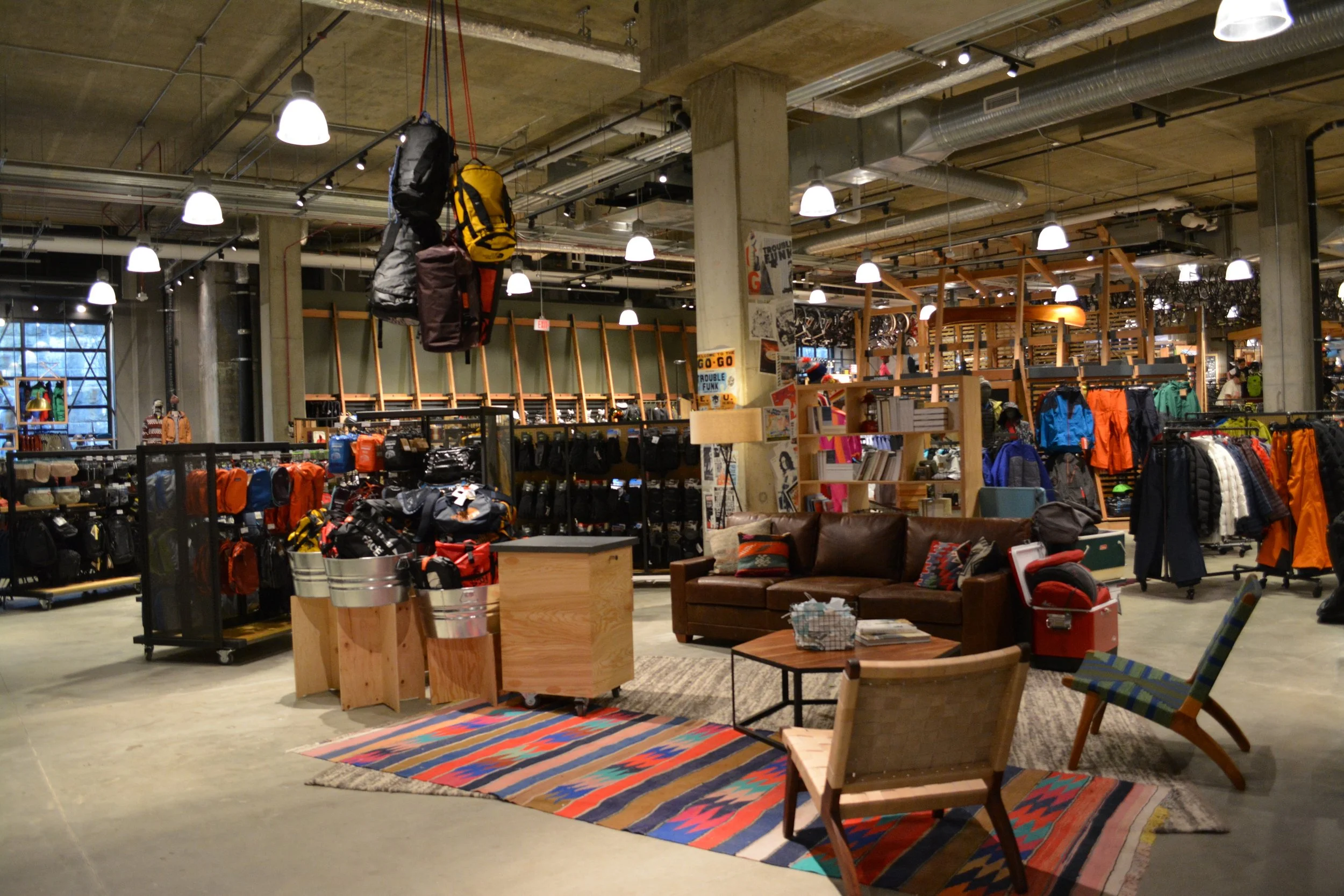
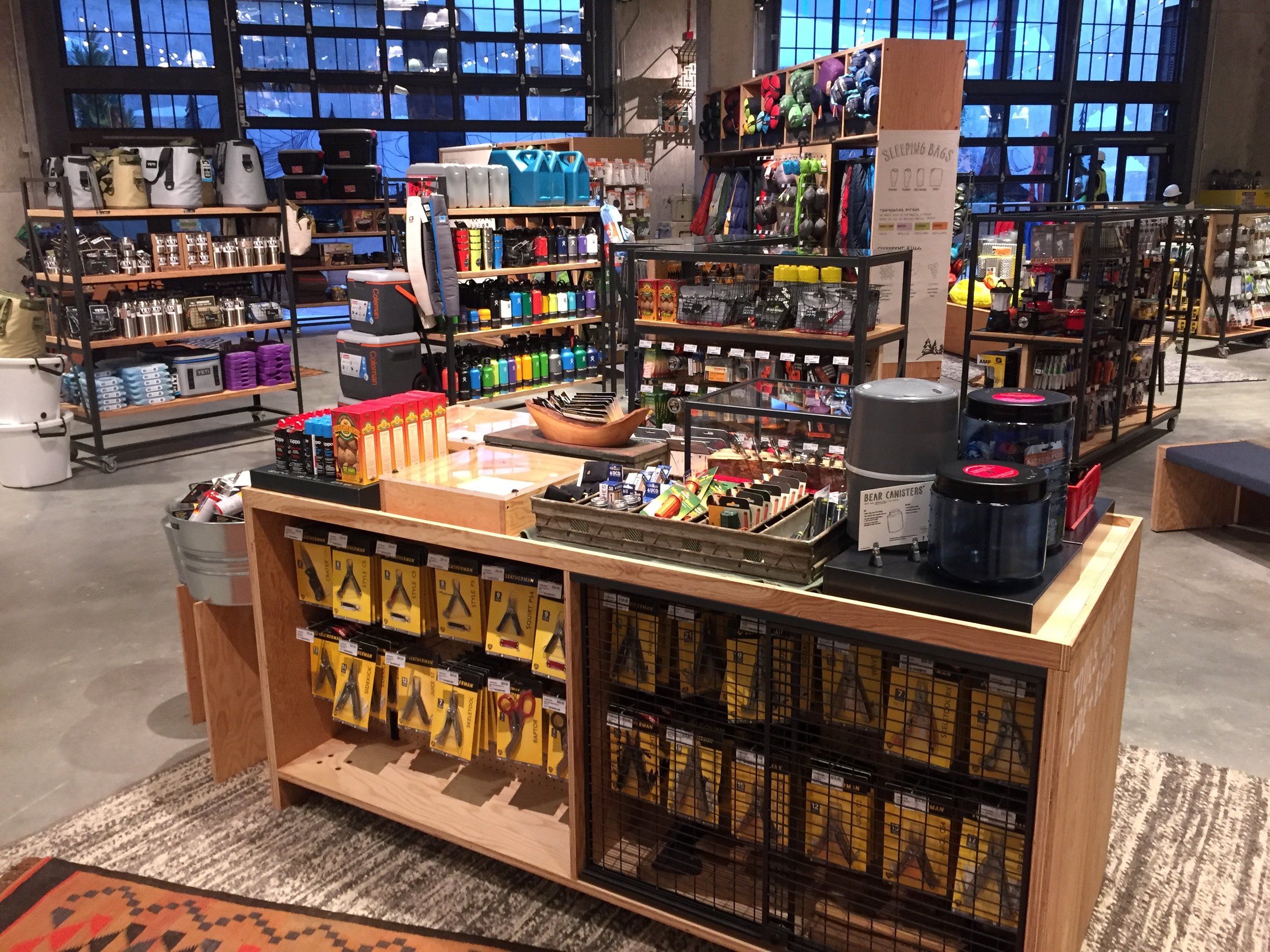
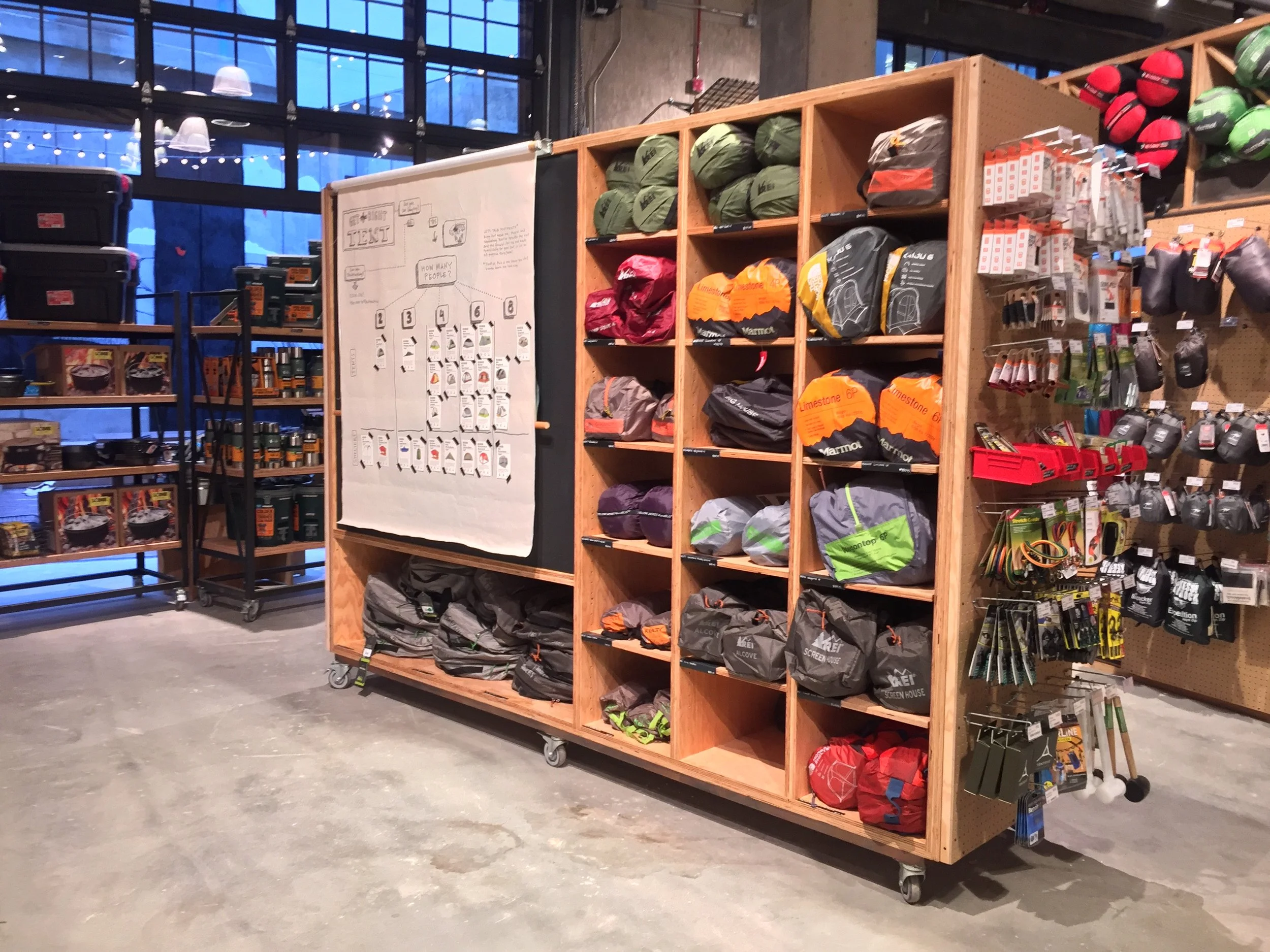
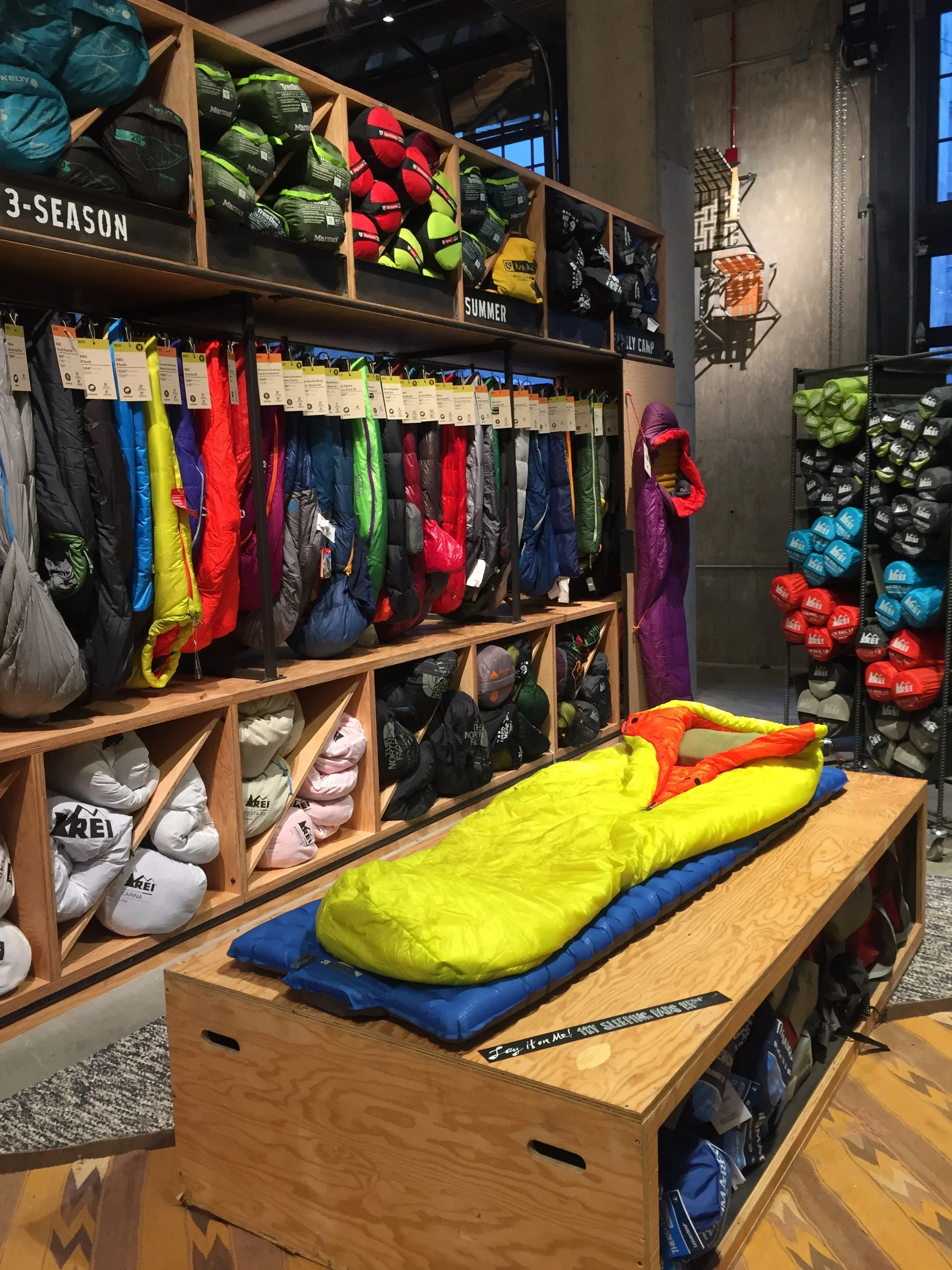
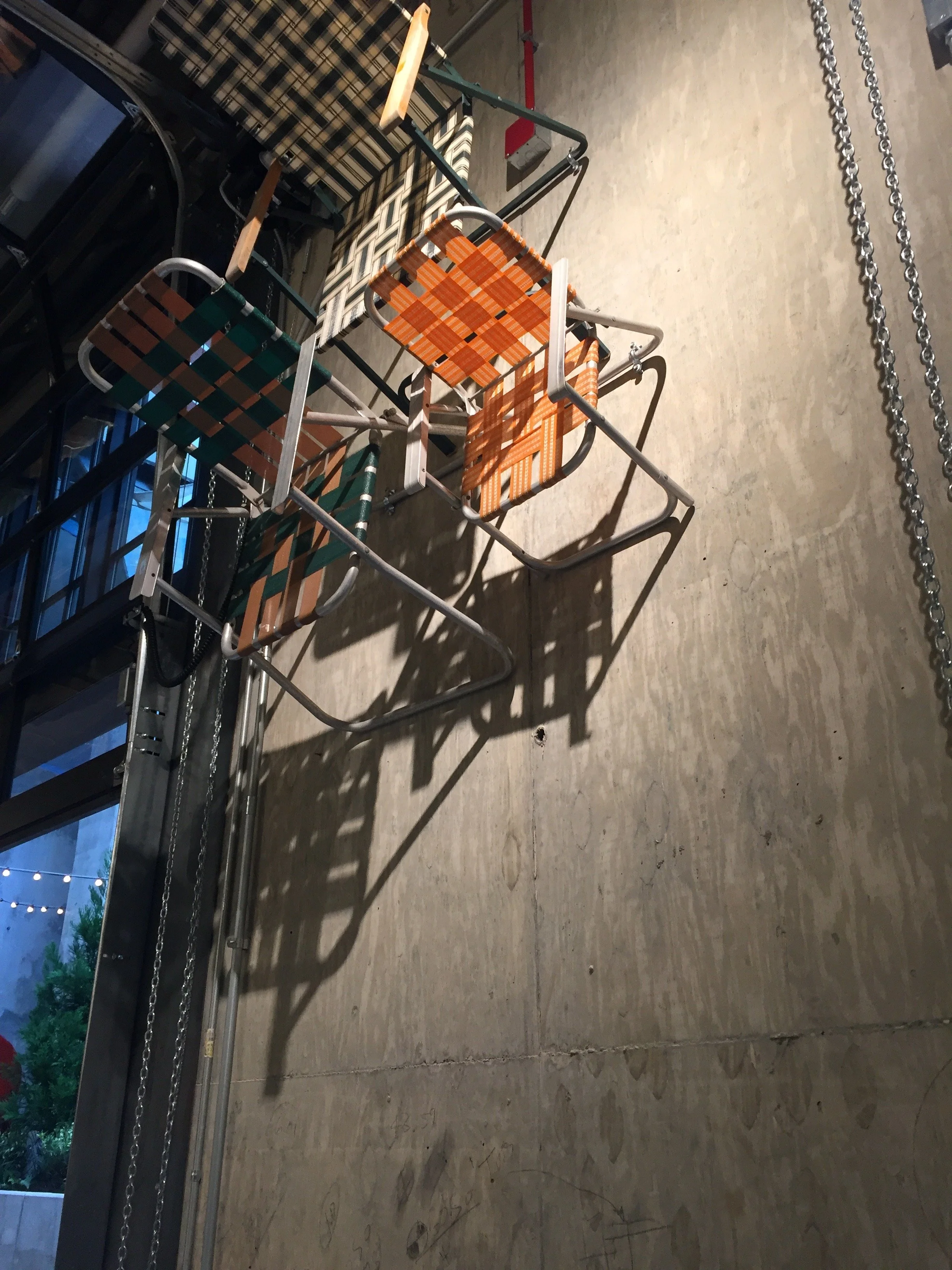
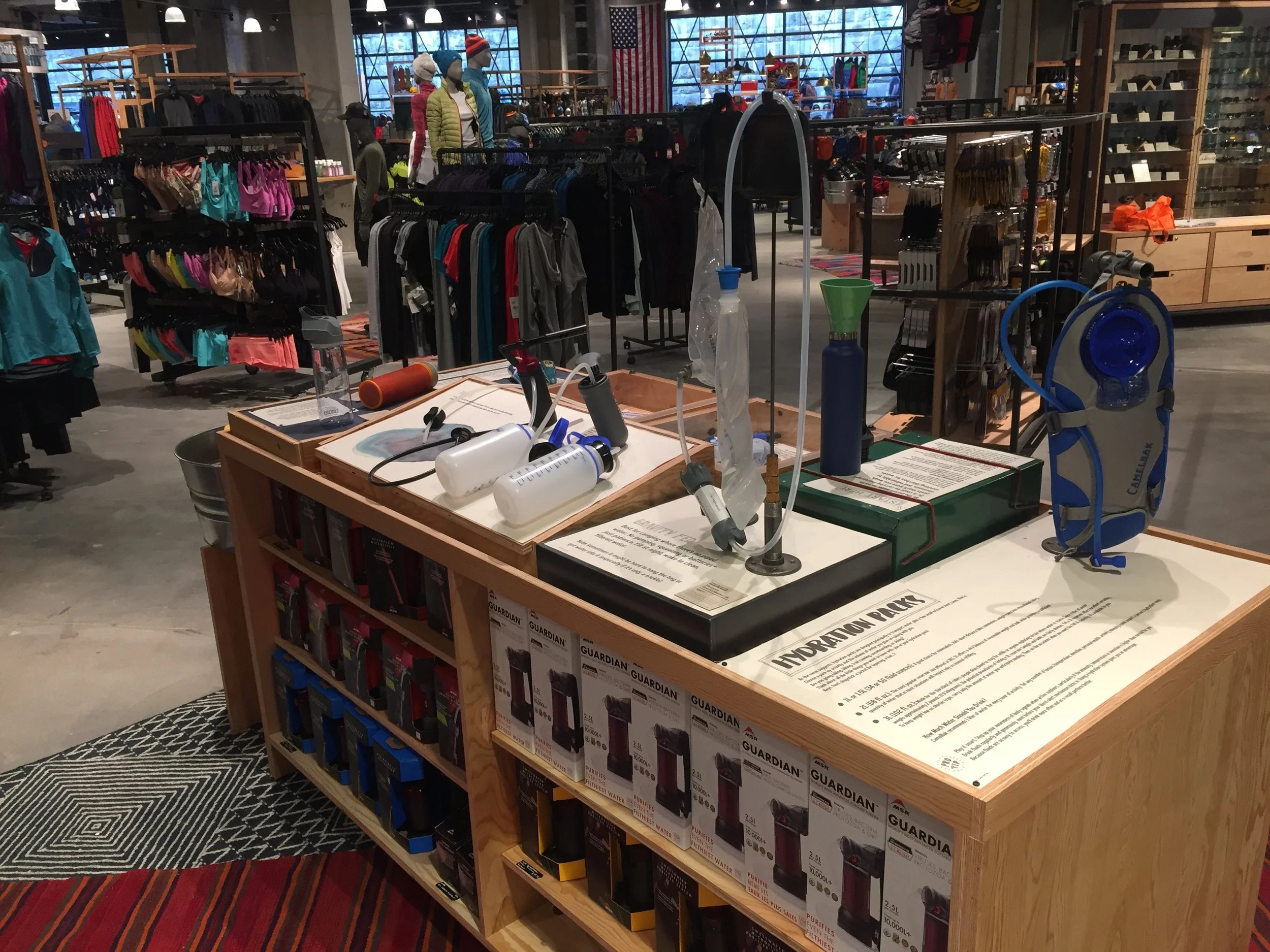
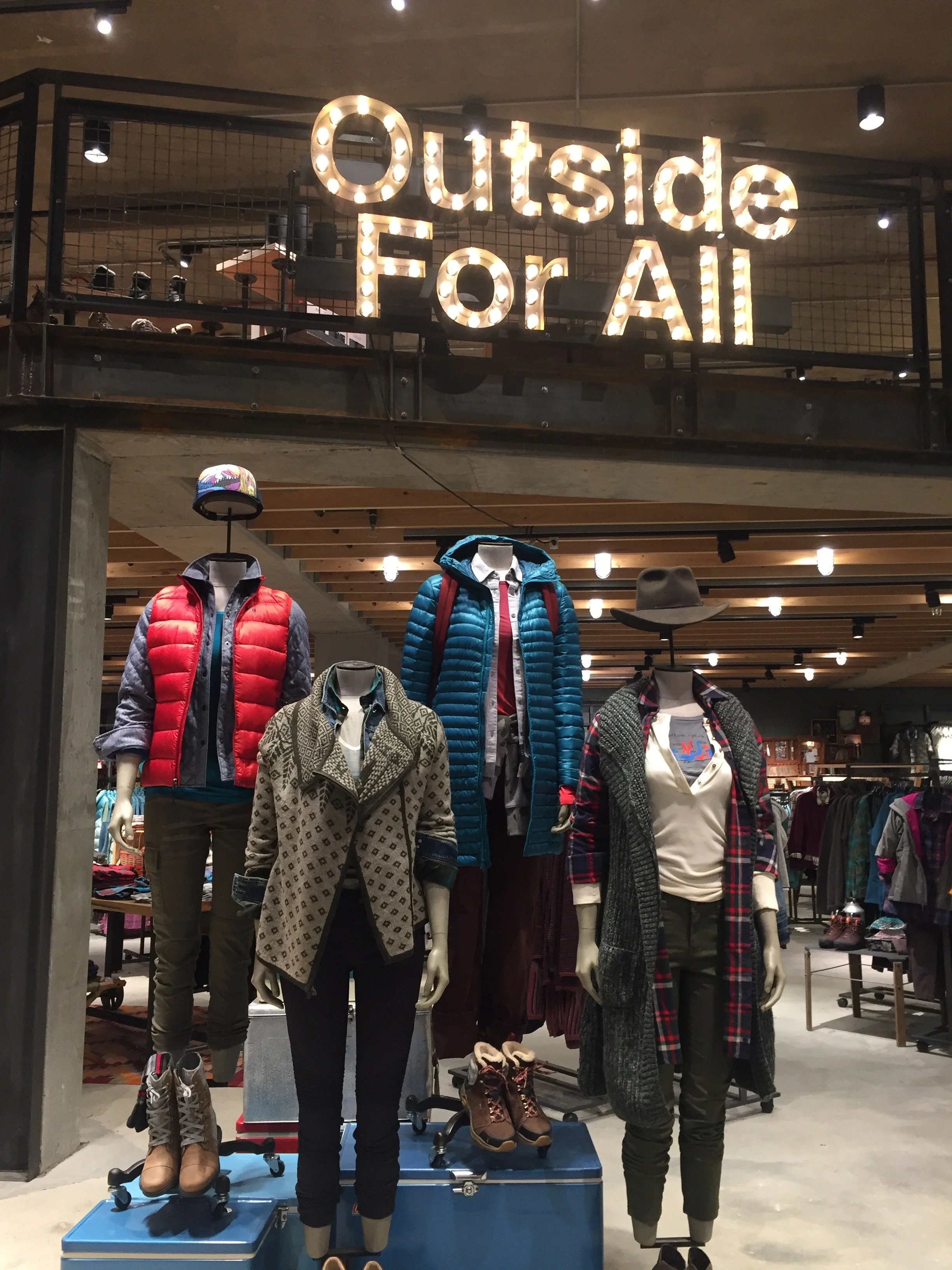
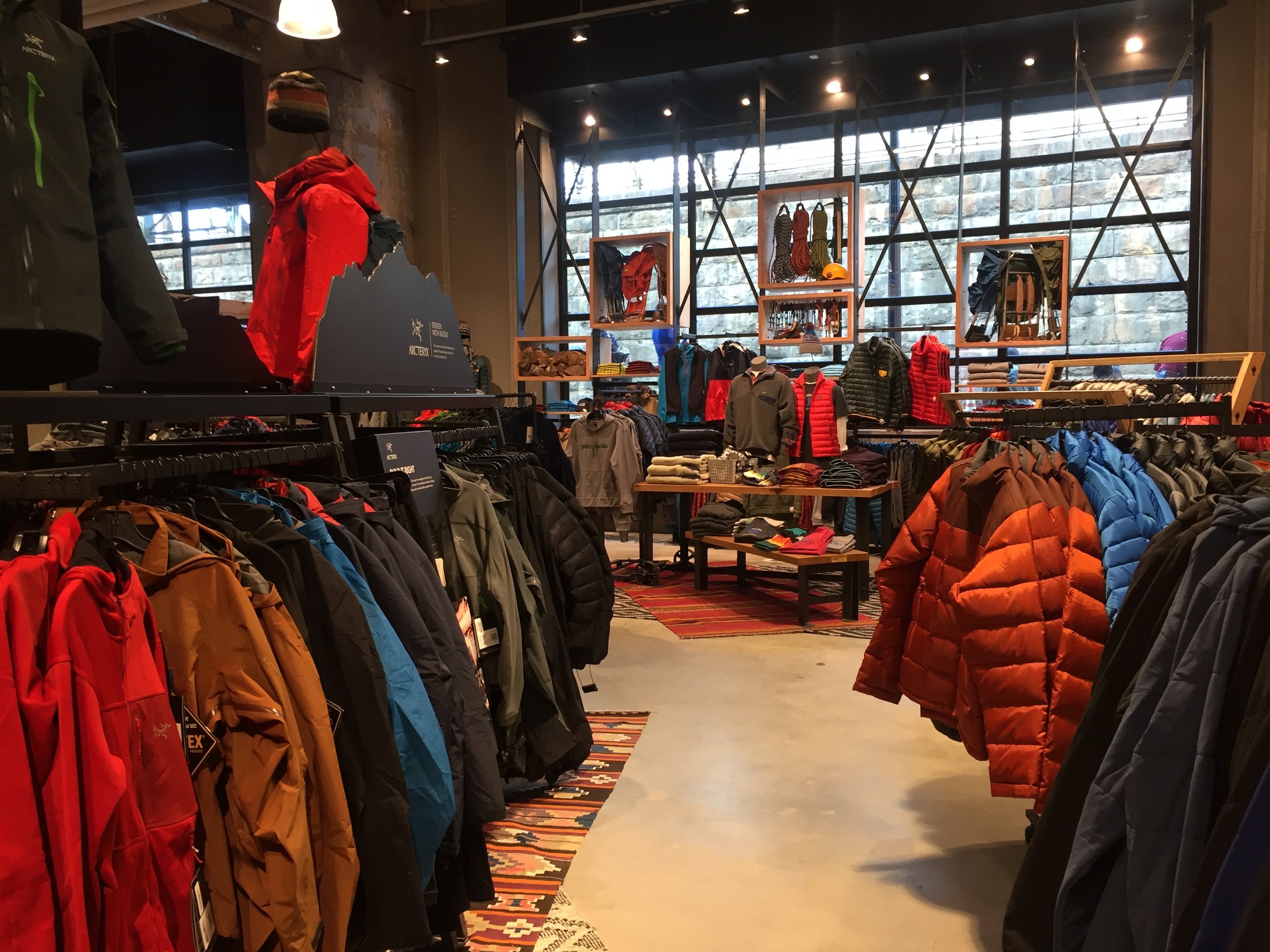
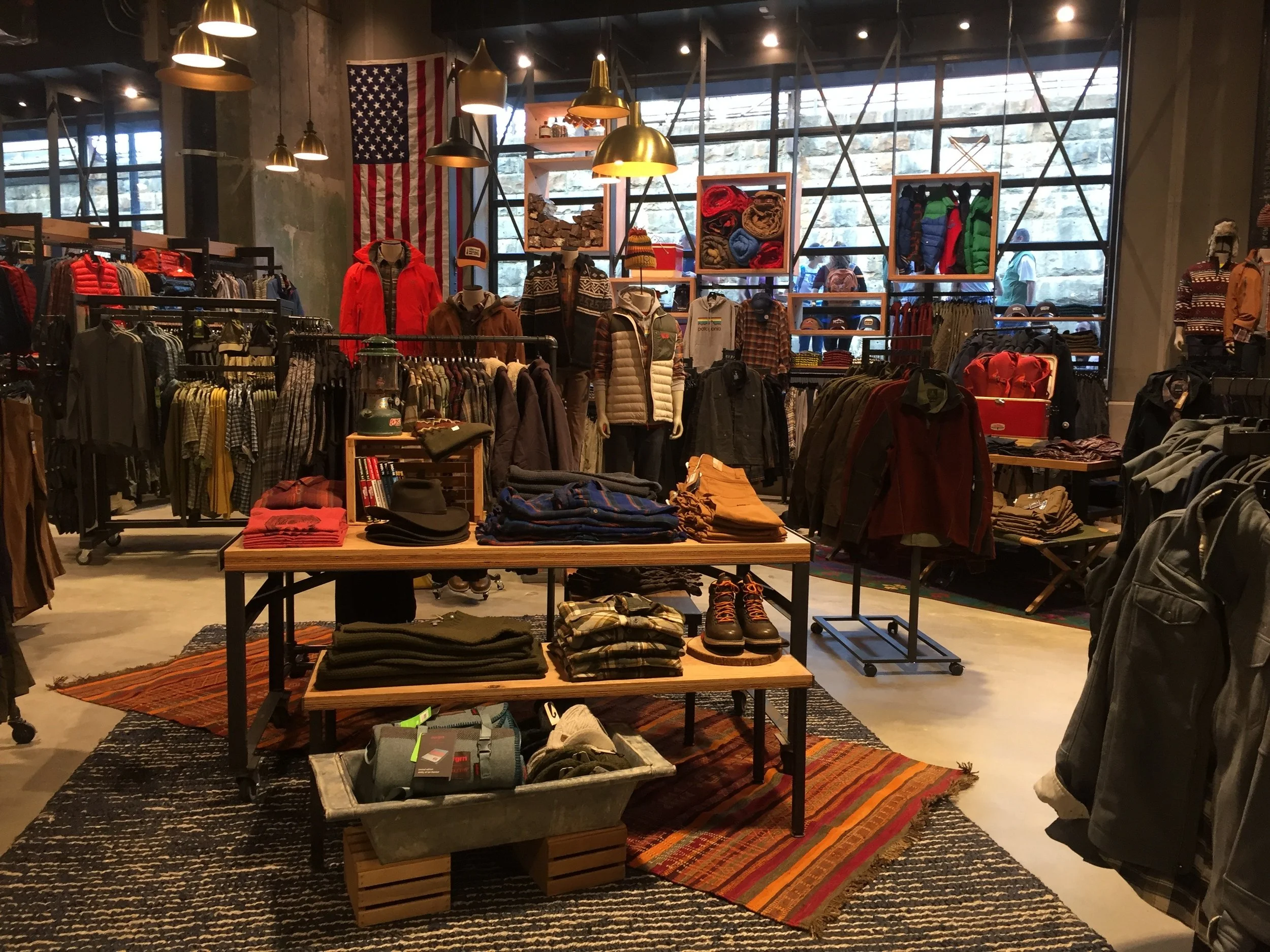
REI Washington D.C. Flagship — Outside For All
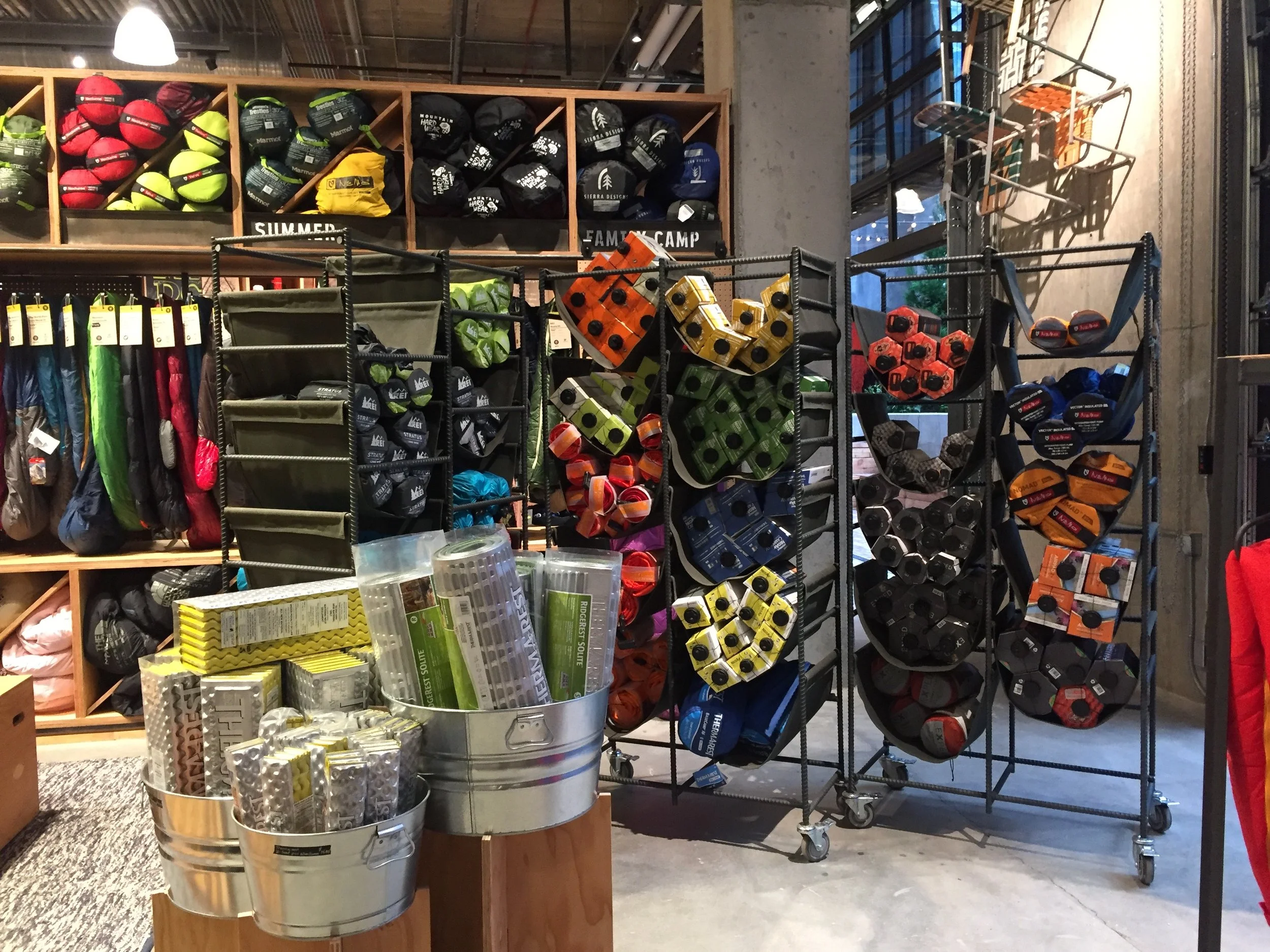
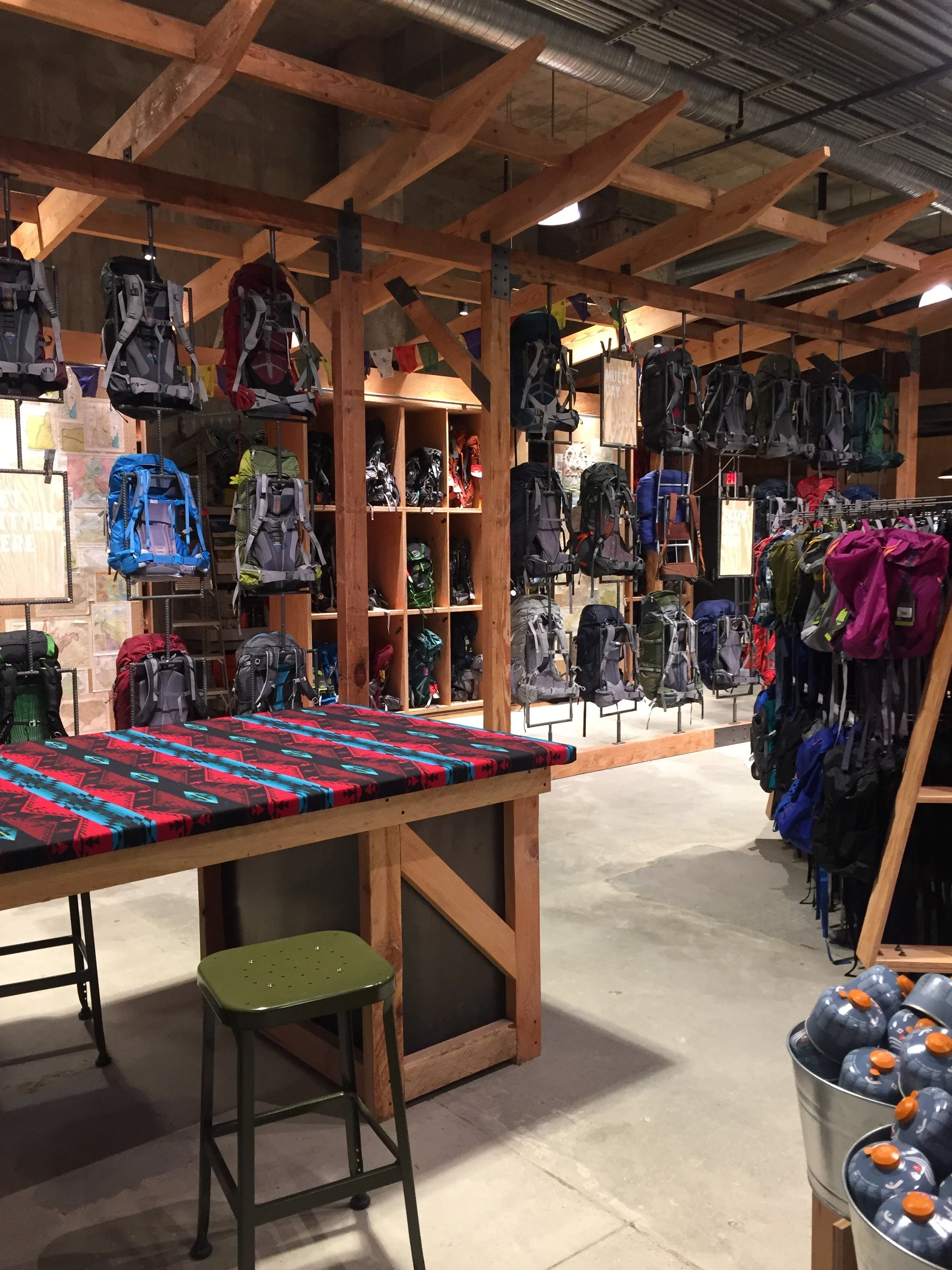
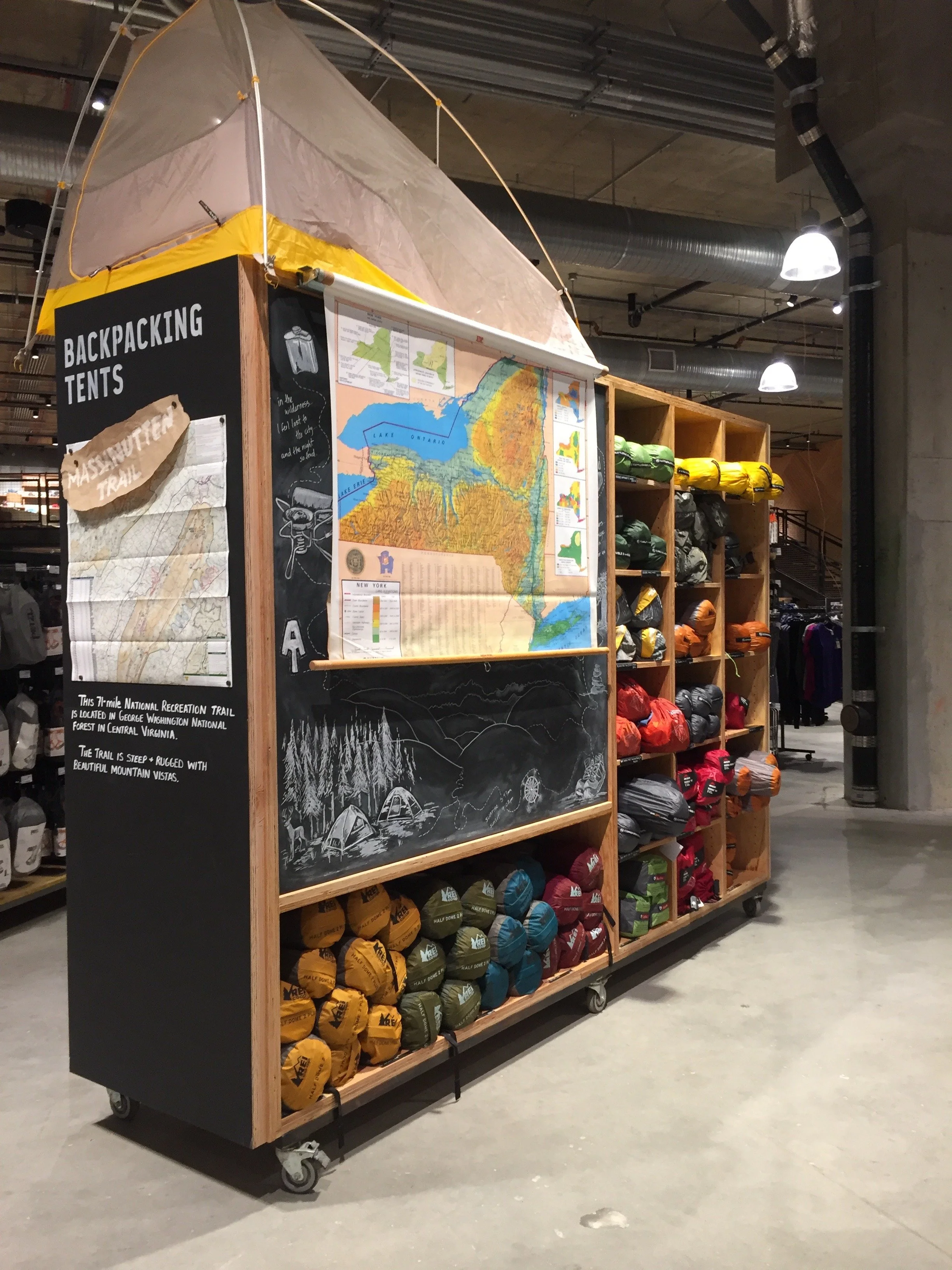
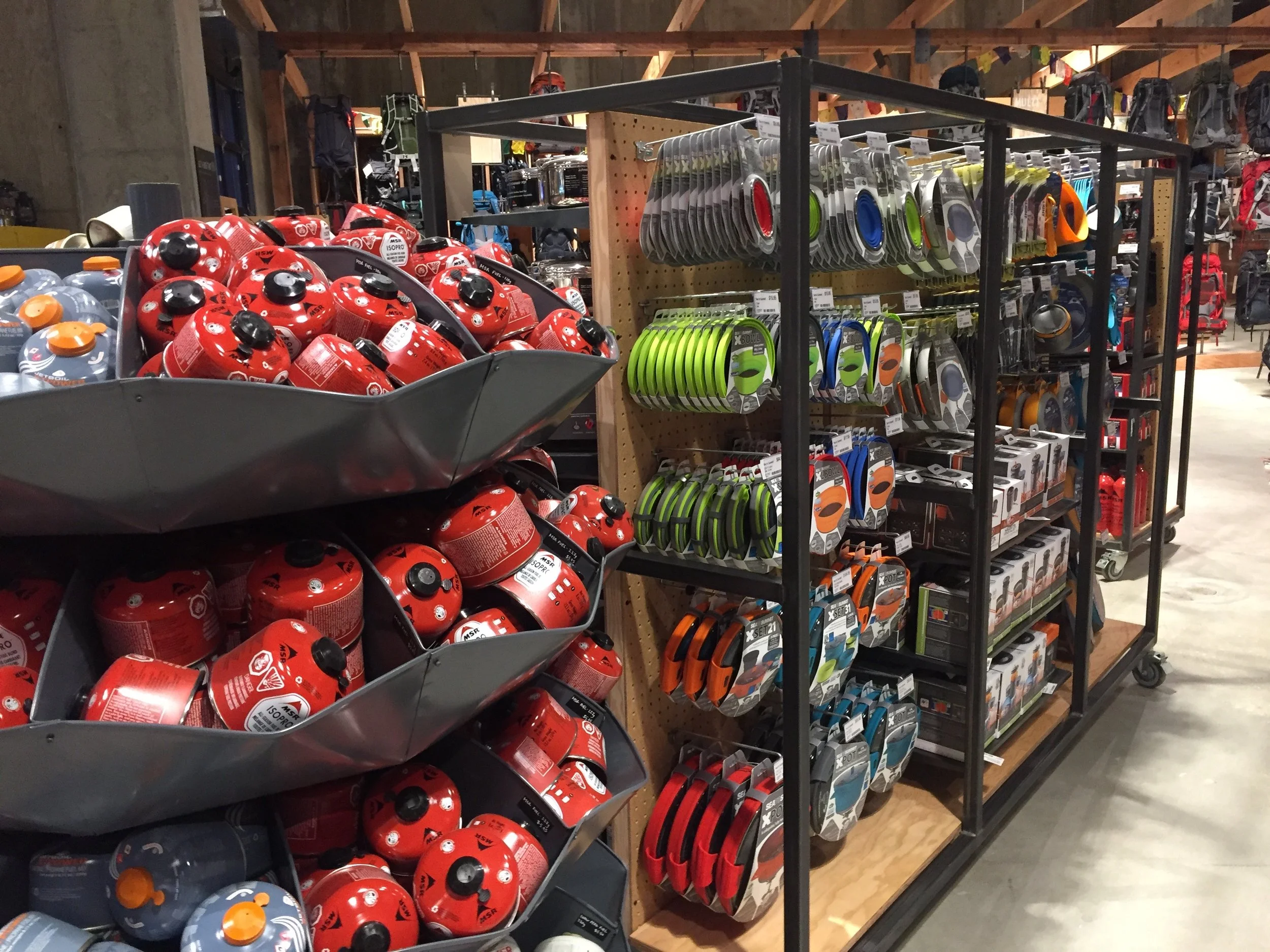
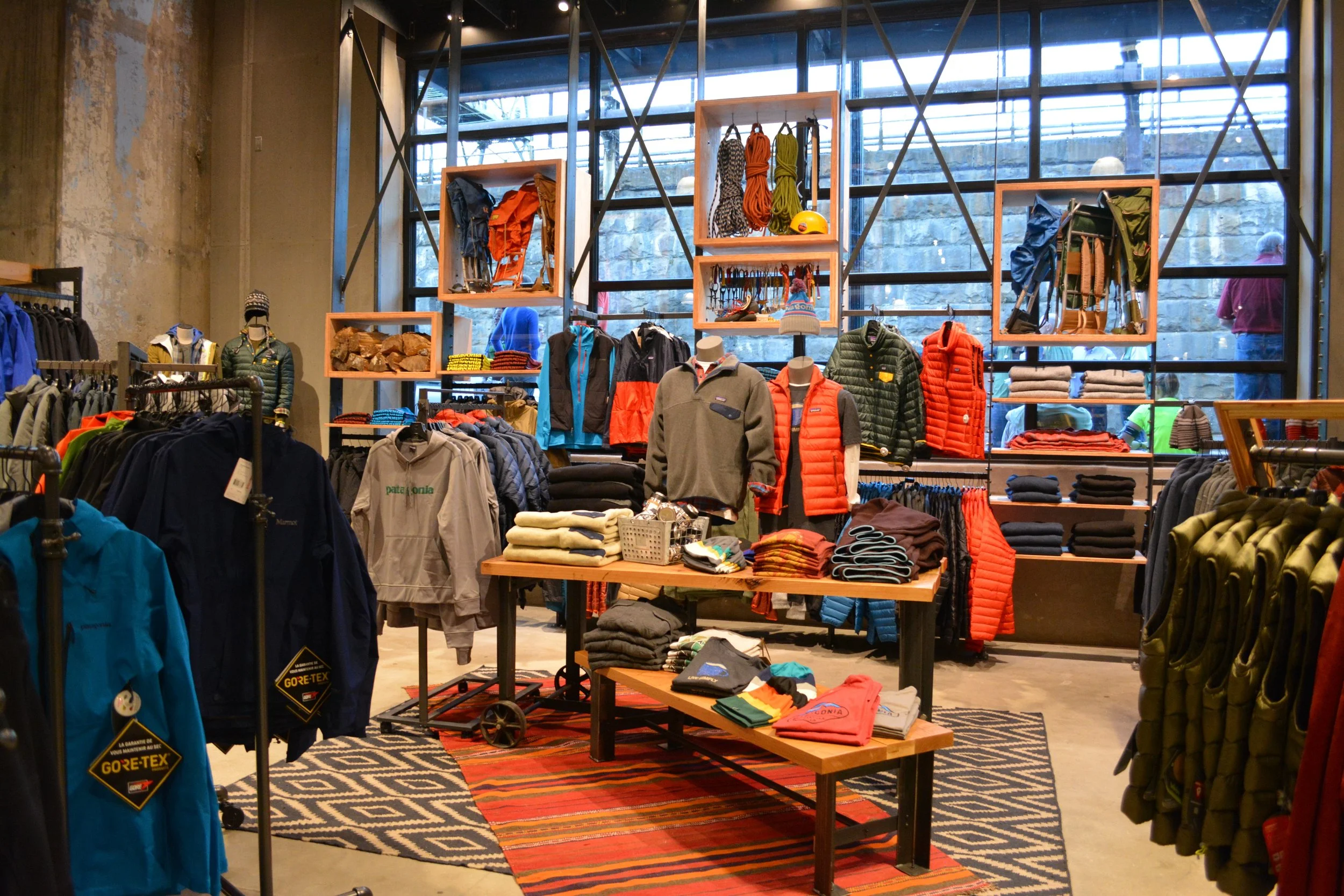
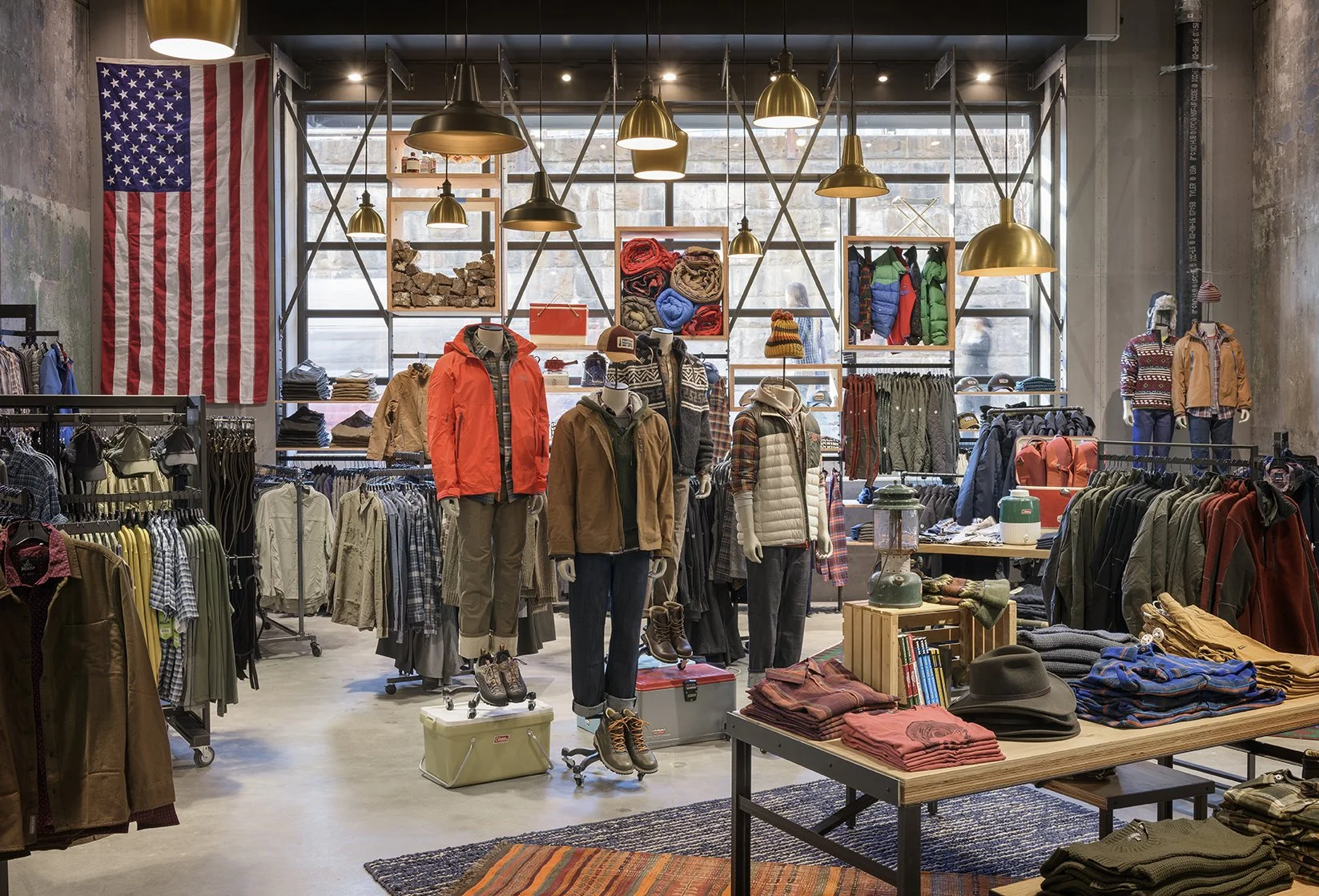
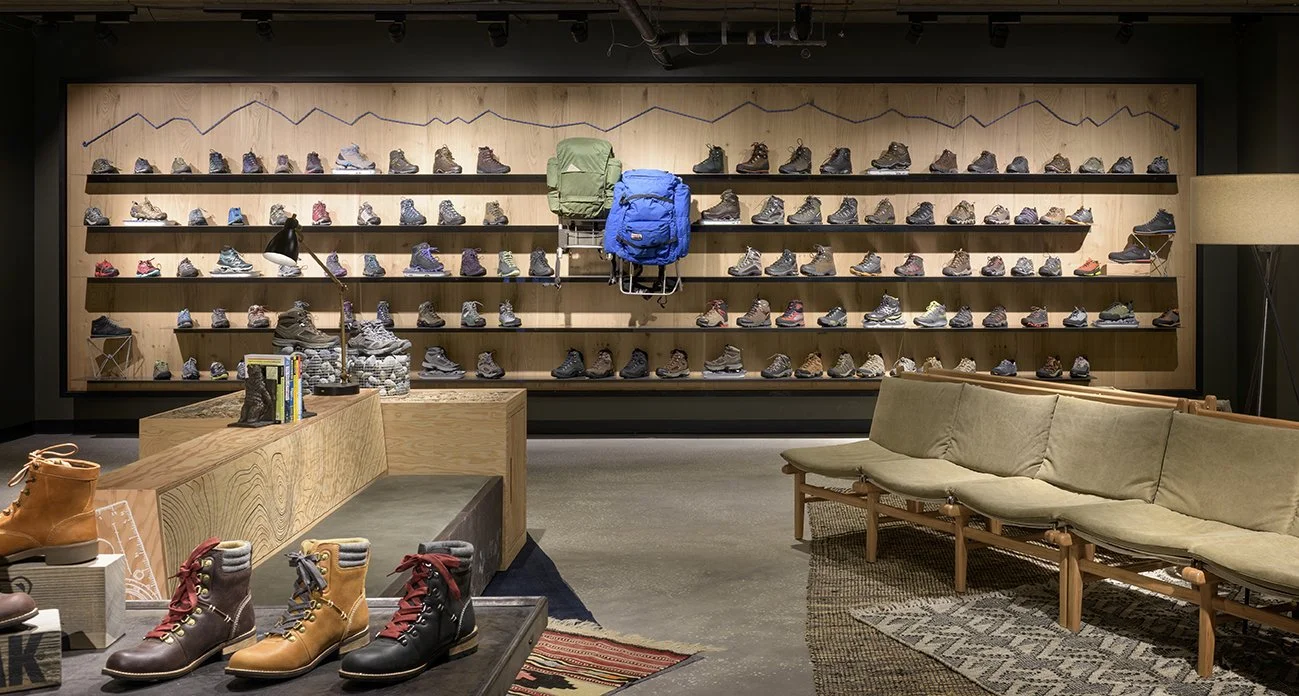
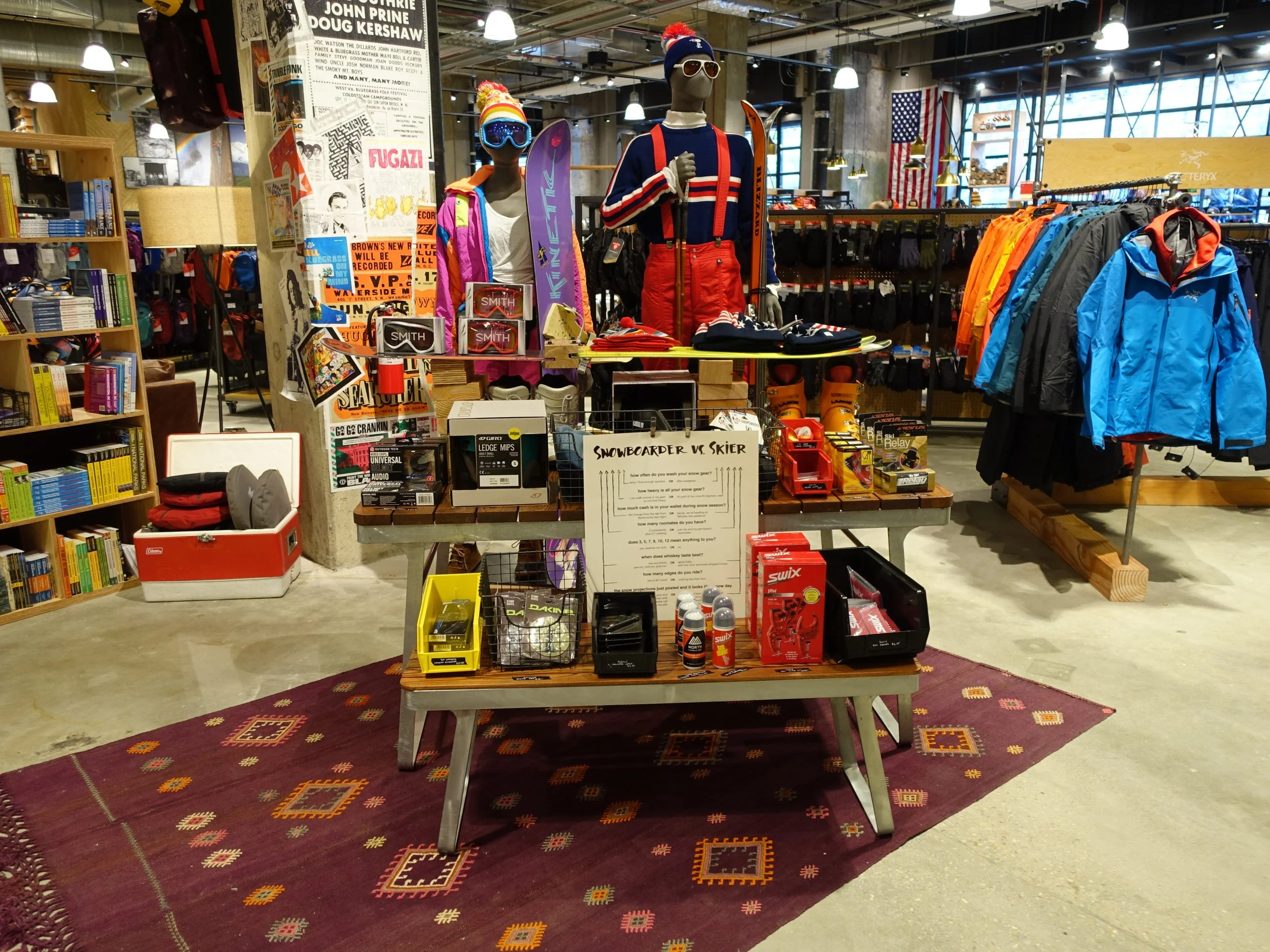
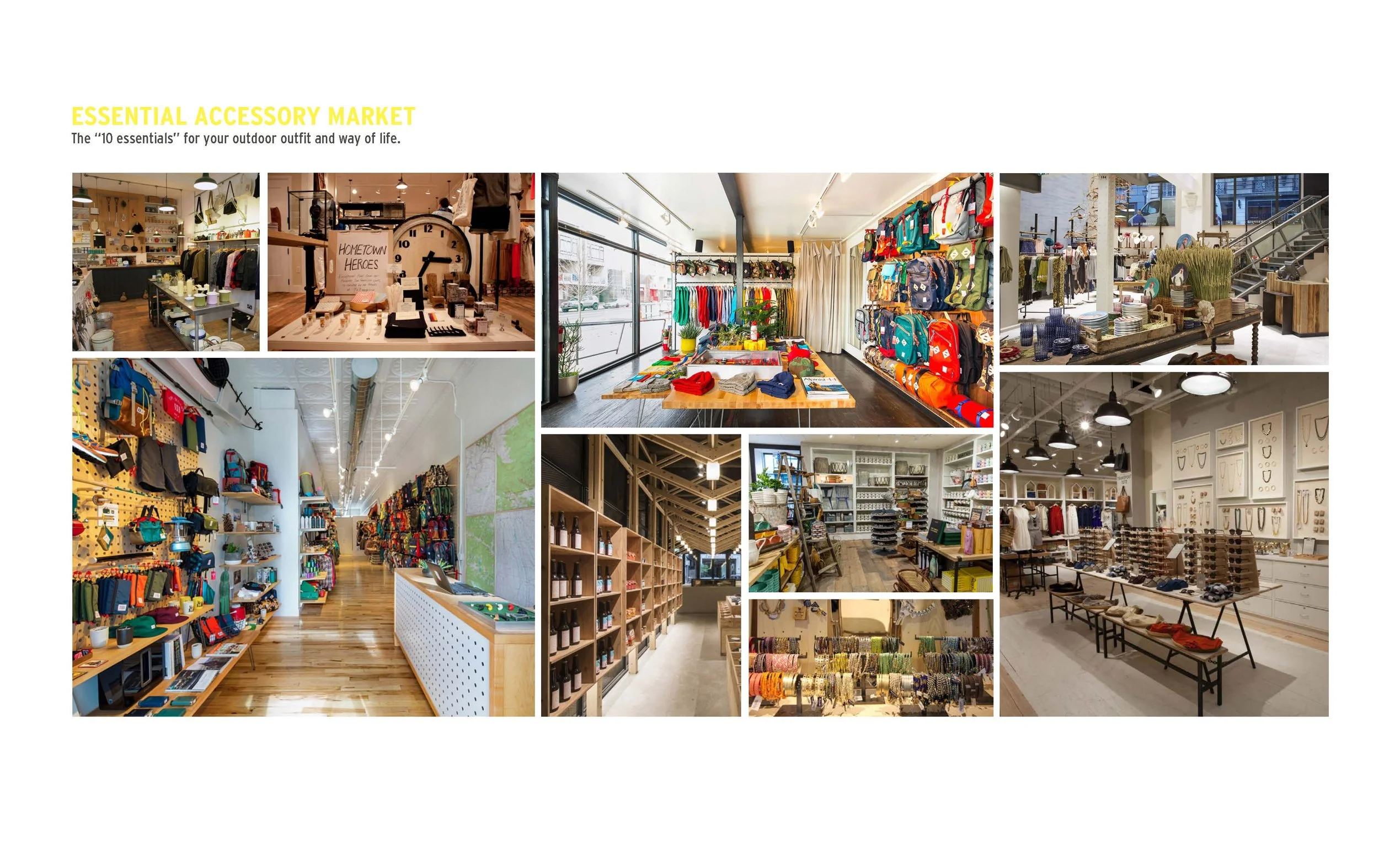
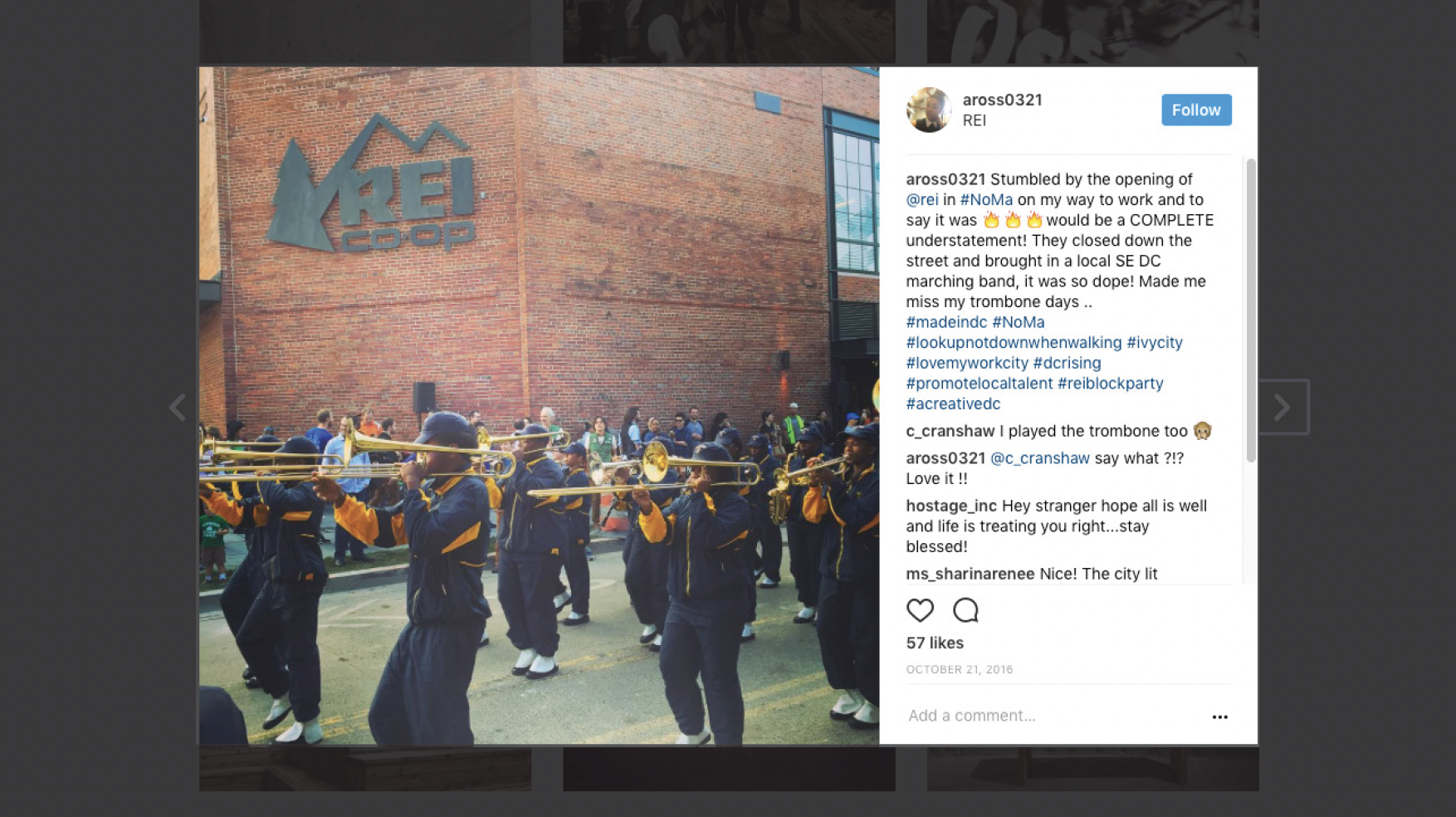
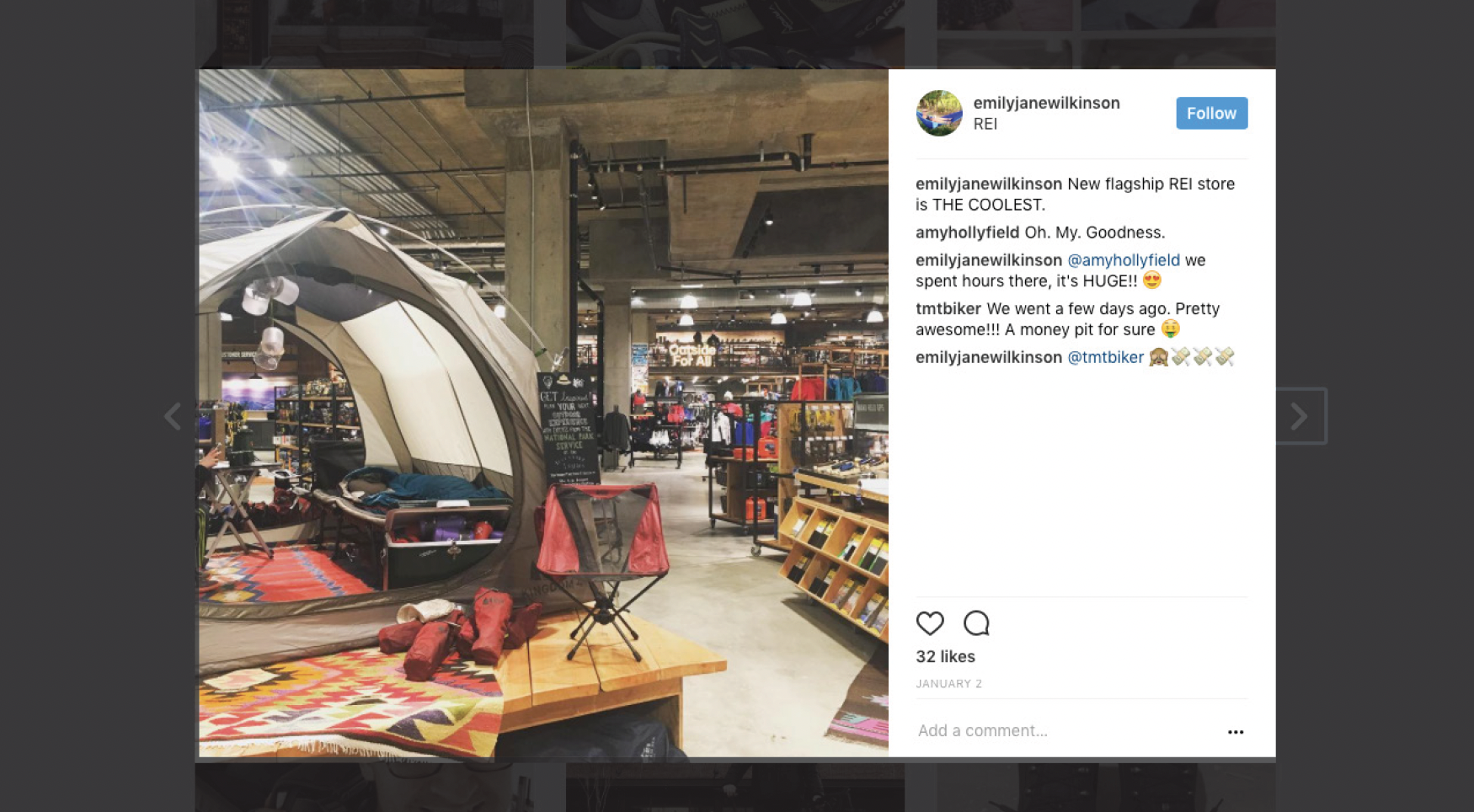
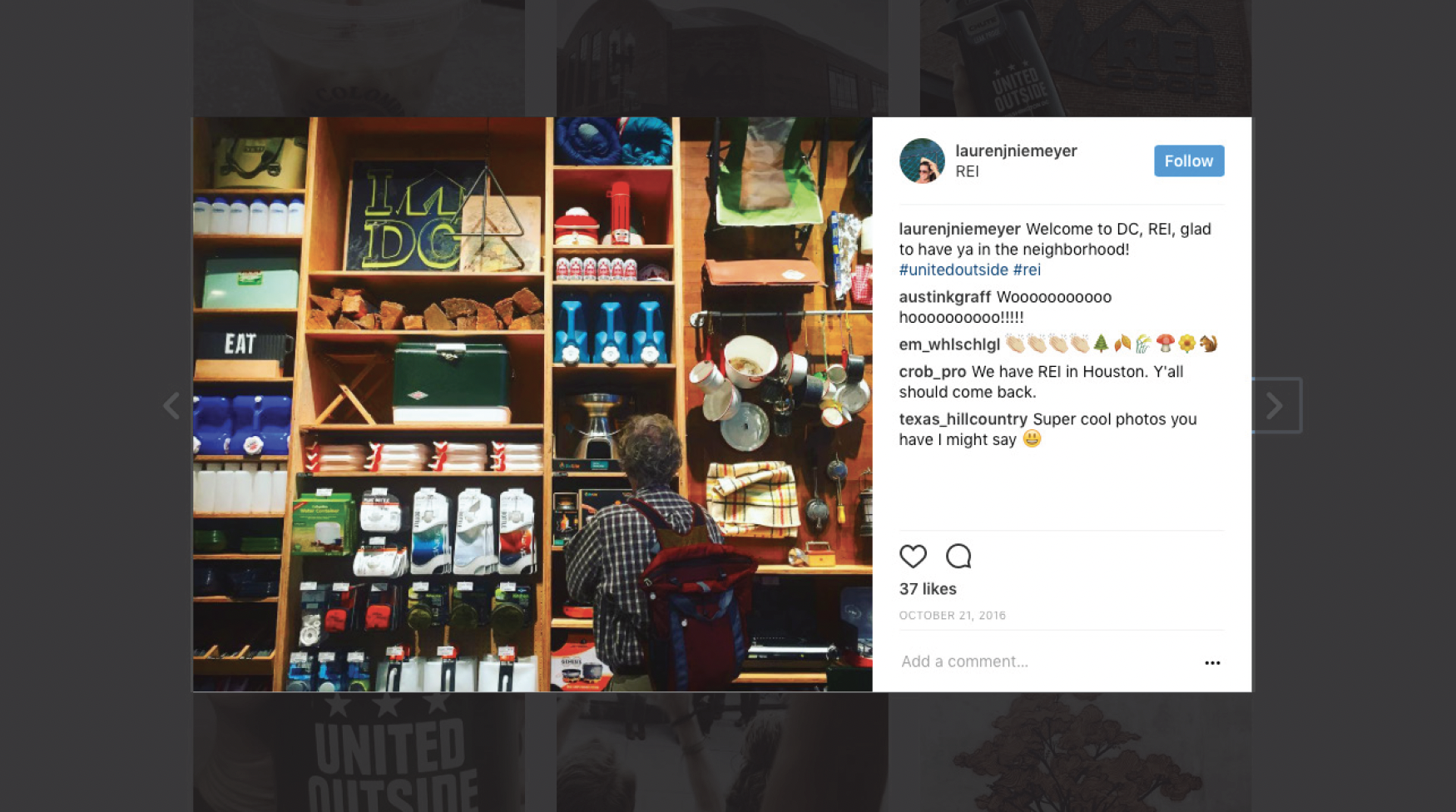
REI's first major concept store in Washington D.C. was a statement — that an outdoor co-op could belong in the heart of a city, and that a city's culture could live inside a store. Working within an extraordinary architectural space designed by Callison, my role was to make it feel inhabited: curating the camp and apparel shops, directing product placement and styling, sourcing found objects, and leading the educational content that turned every fixture into a conversation.
The best retail spaces make you curious. This one did. On opening day, standing on the stairs watching the first customers walk in, our CEO turned to me and wondered aloud if we'd ever be able to do this again. Some of the best metrics never make it into a KPI report.
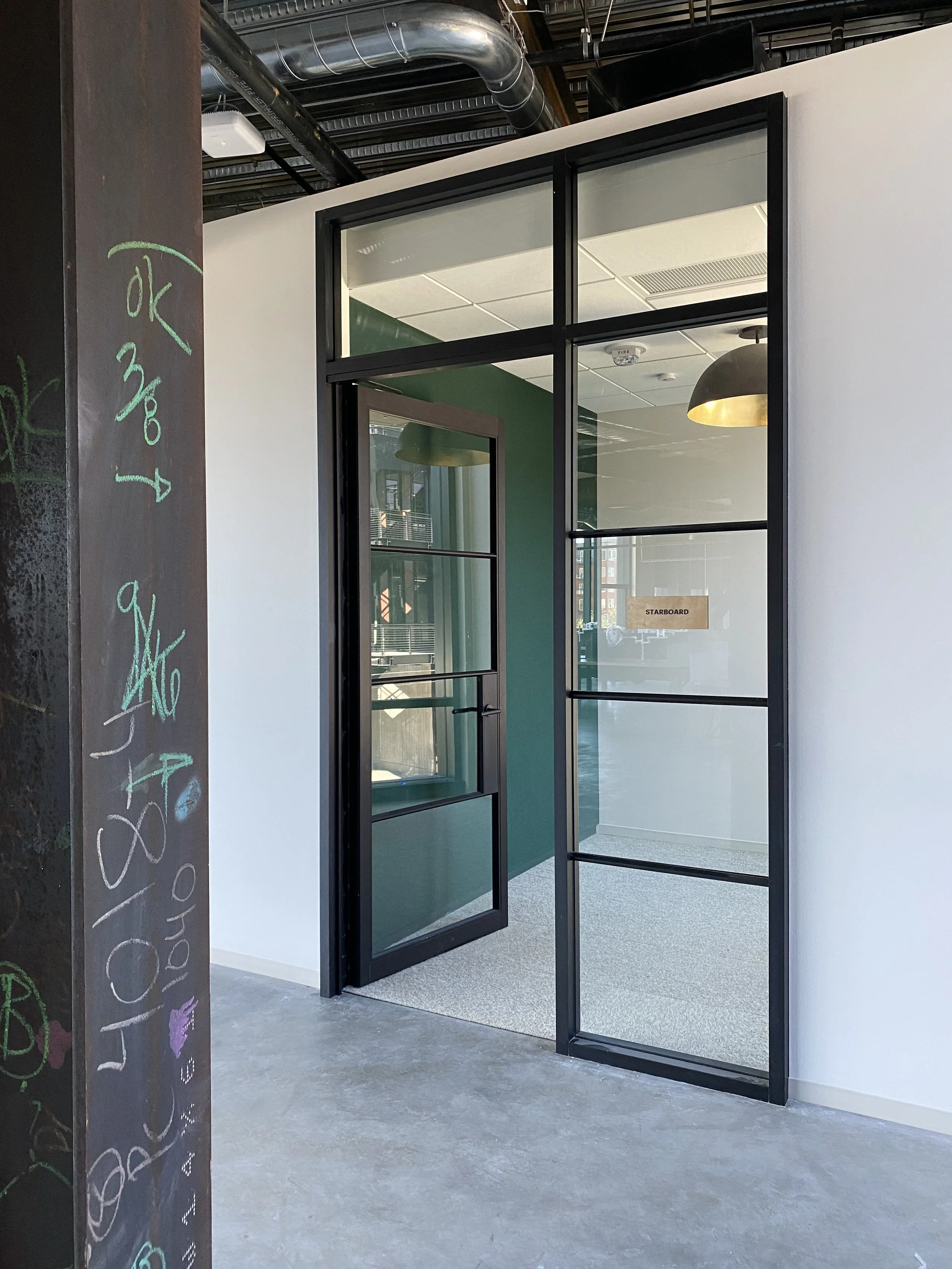
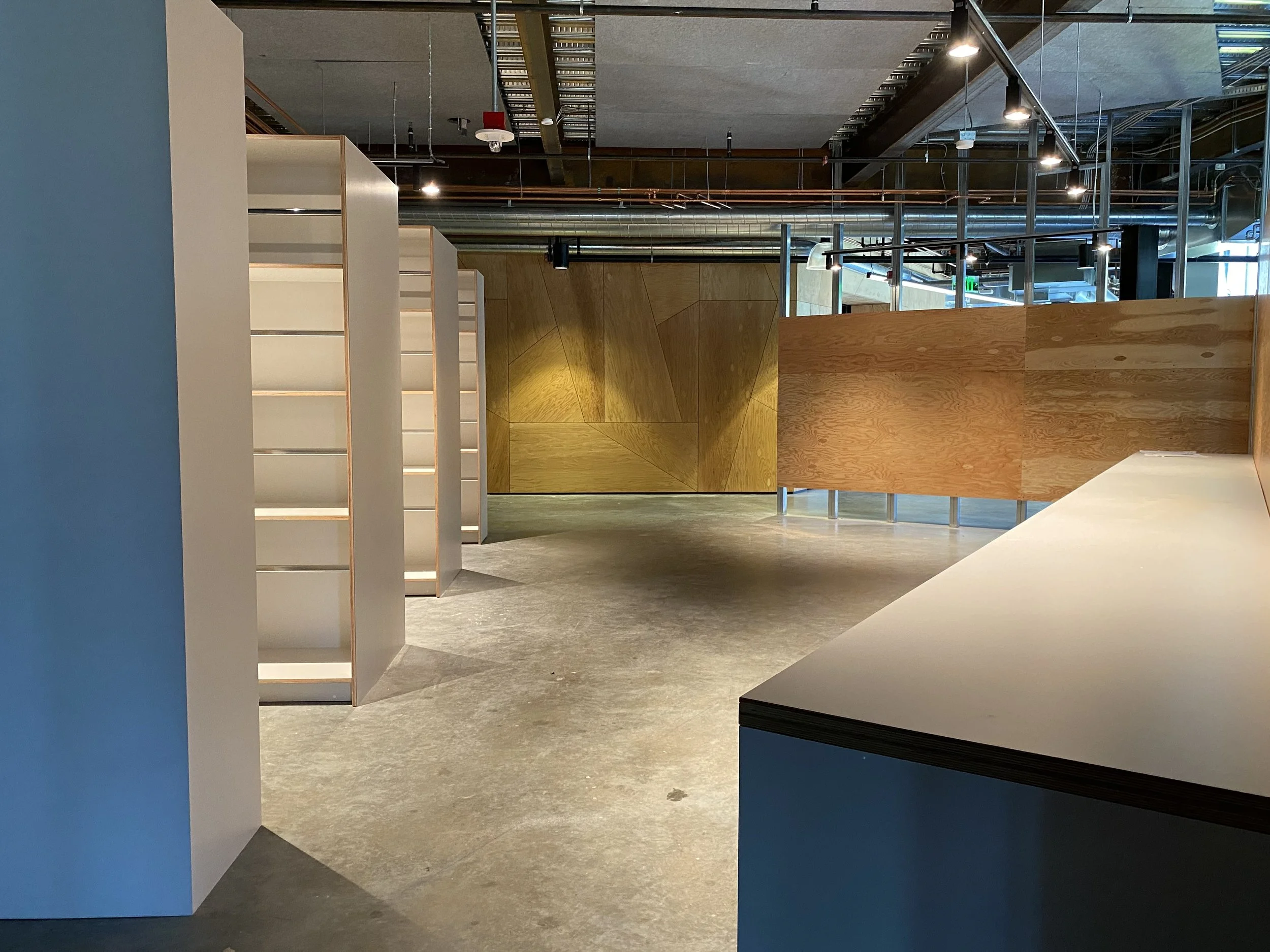
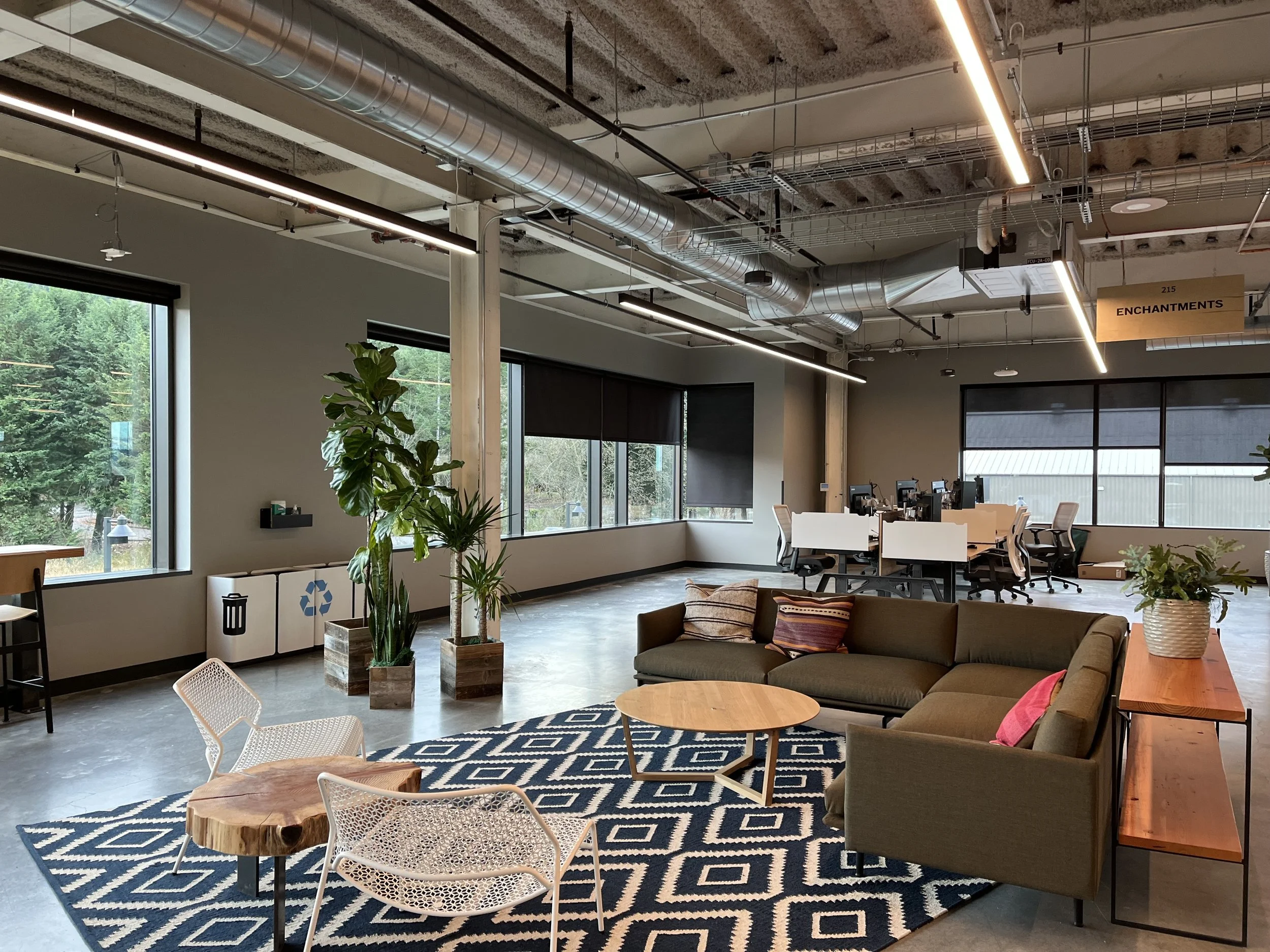
REI New Campus — A workplace that knows who it works for
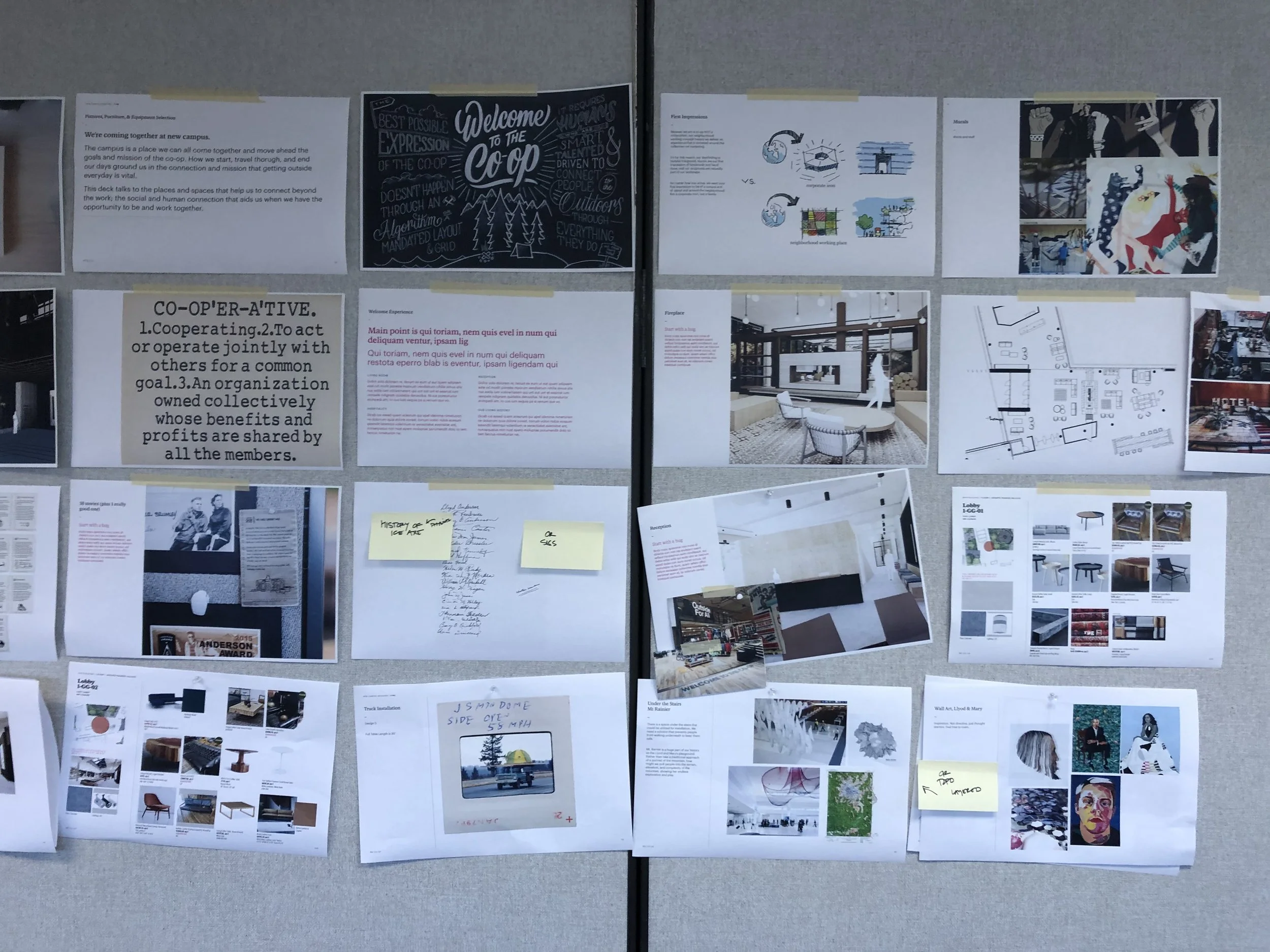
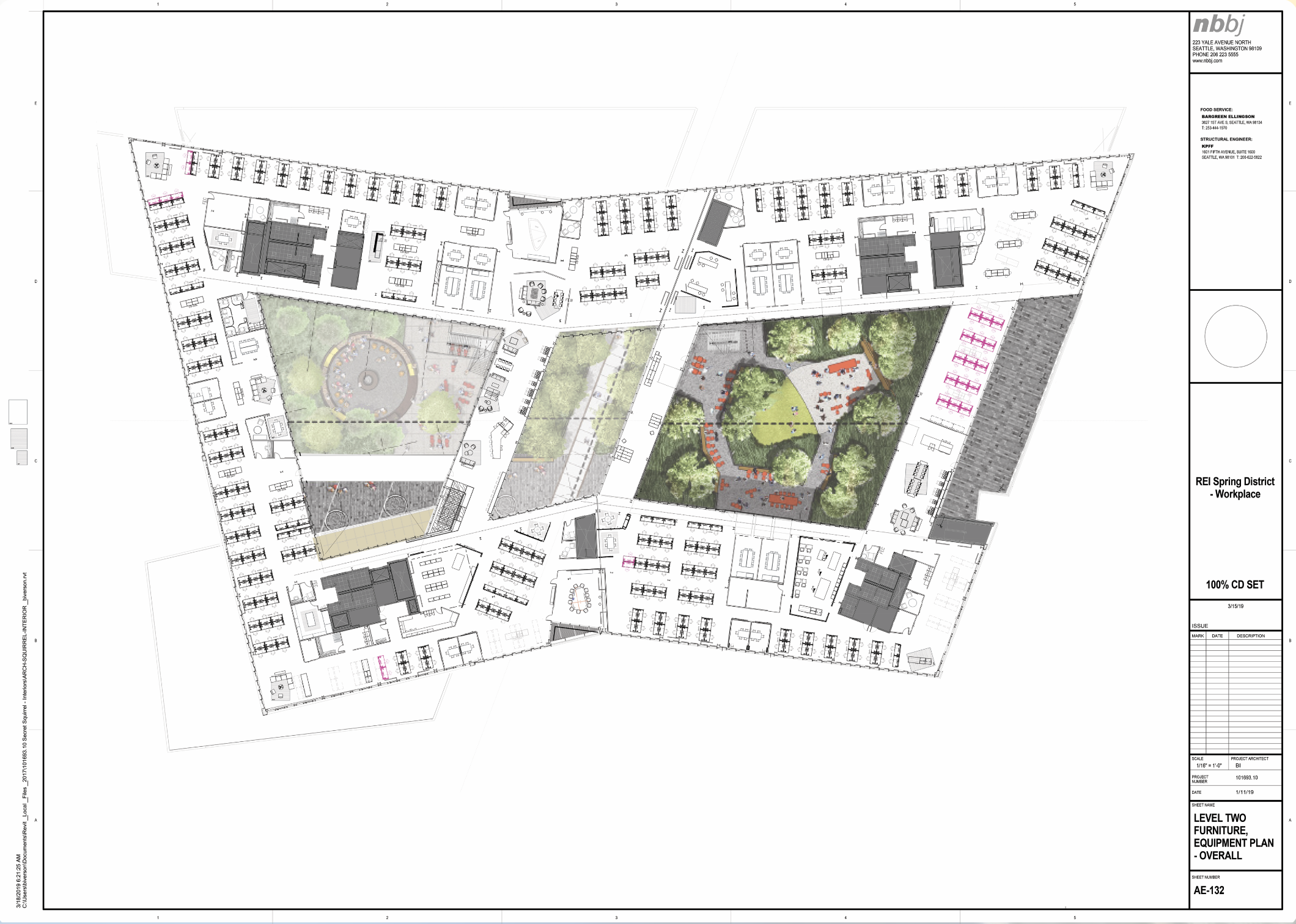
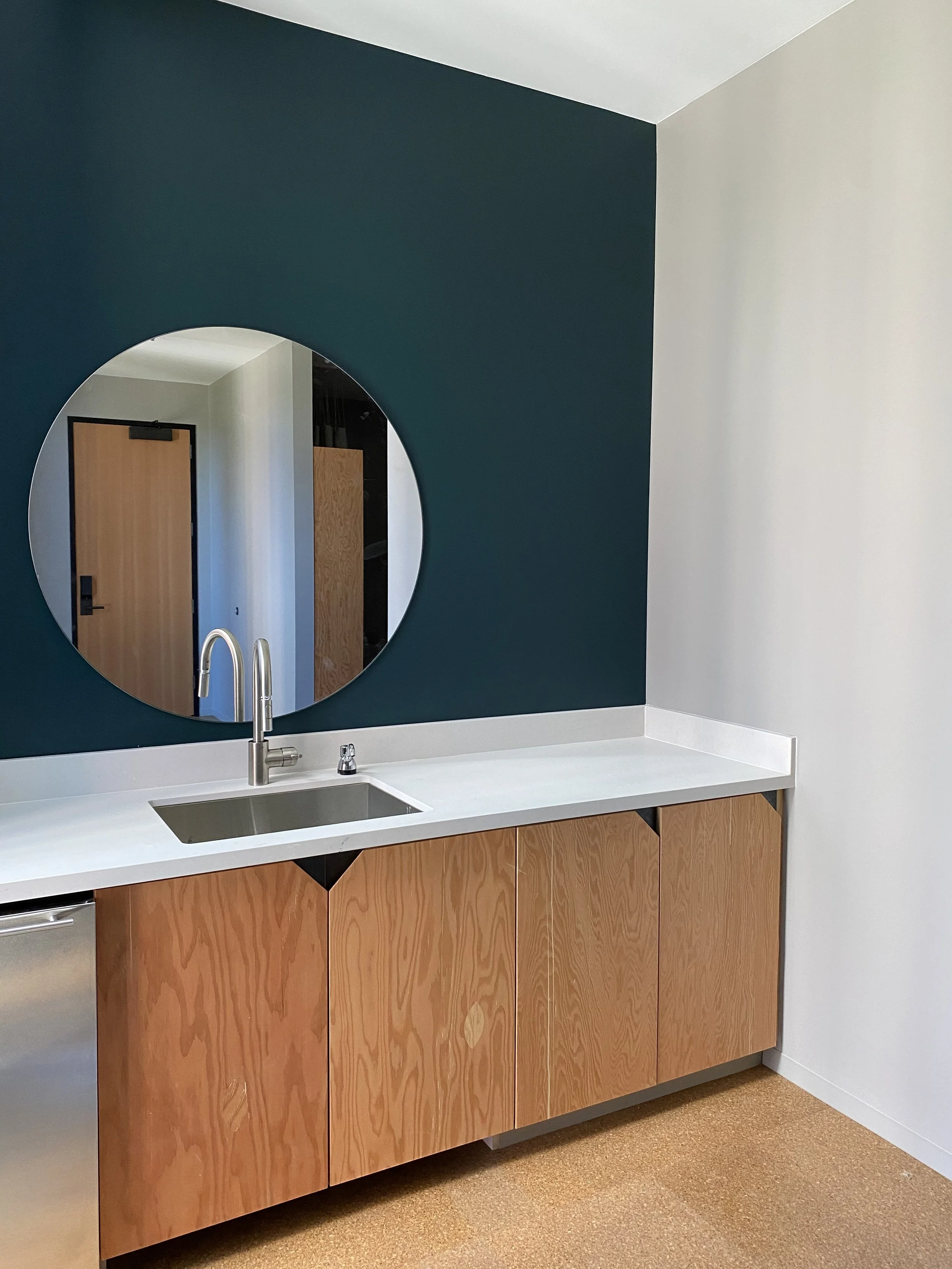
REI's new campus in Bellevue was designed to feel like the Co-op itself — makers, builders, thinkers, stewards — a statement about what a company believes its people deserve.
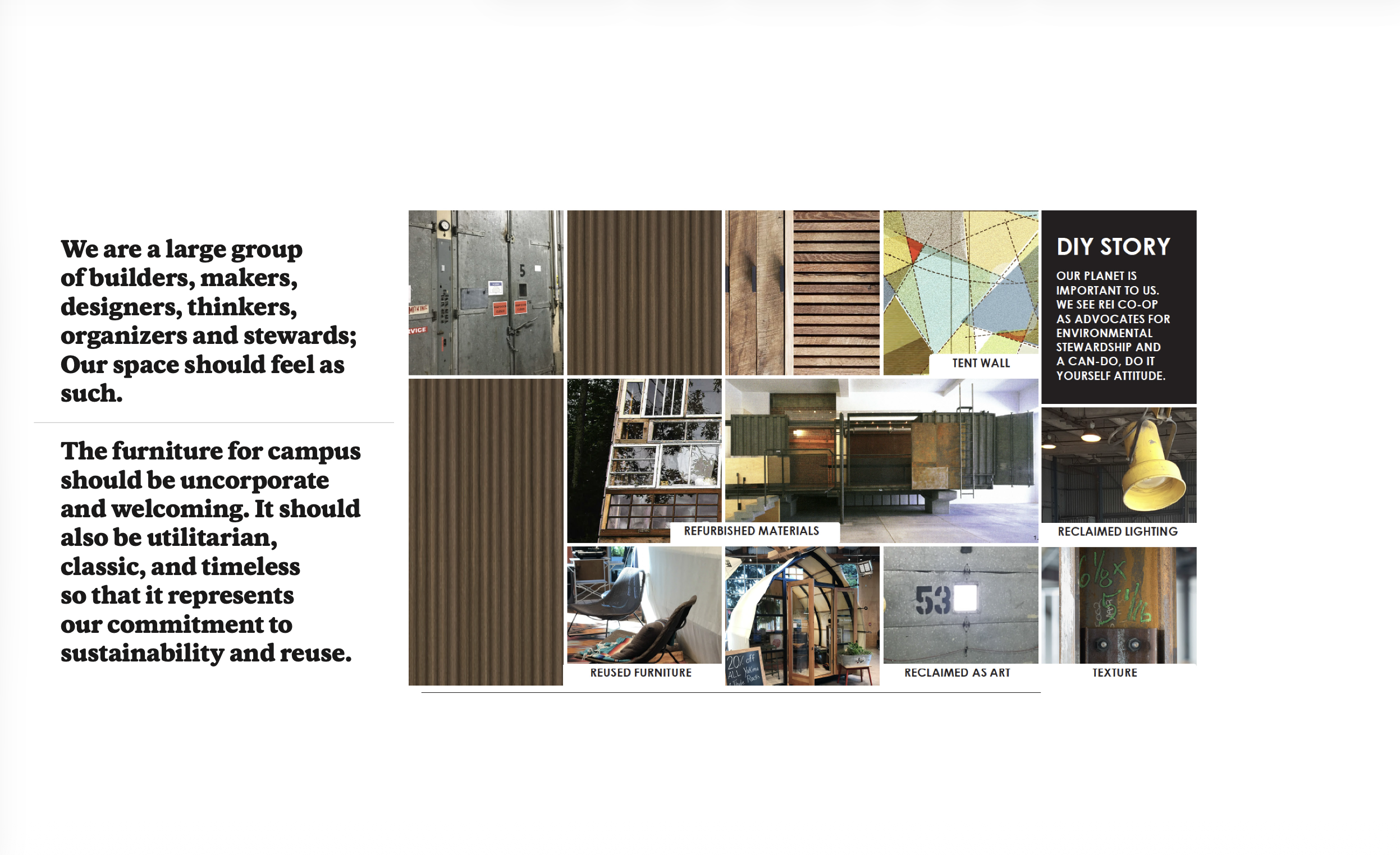
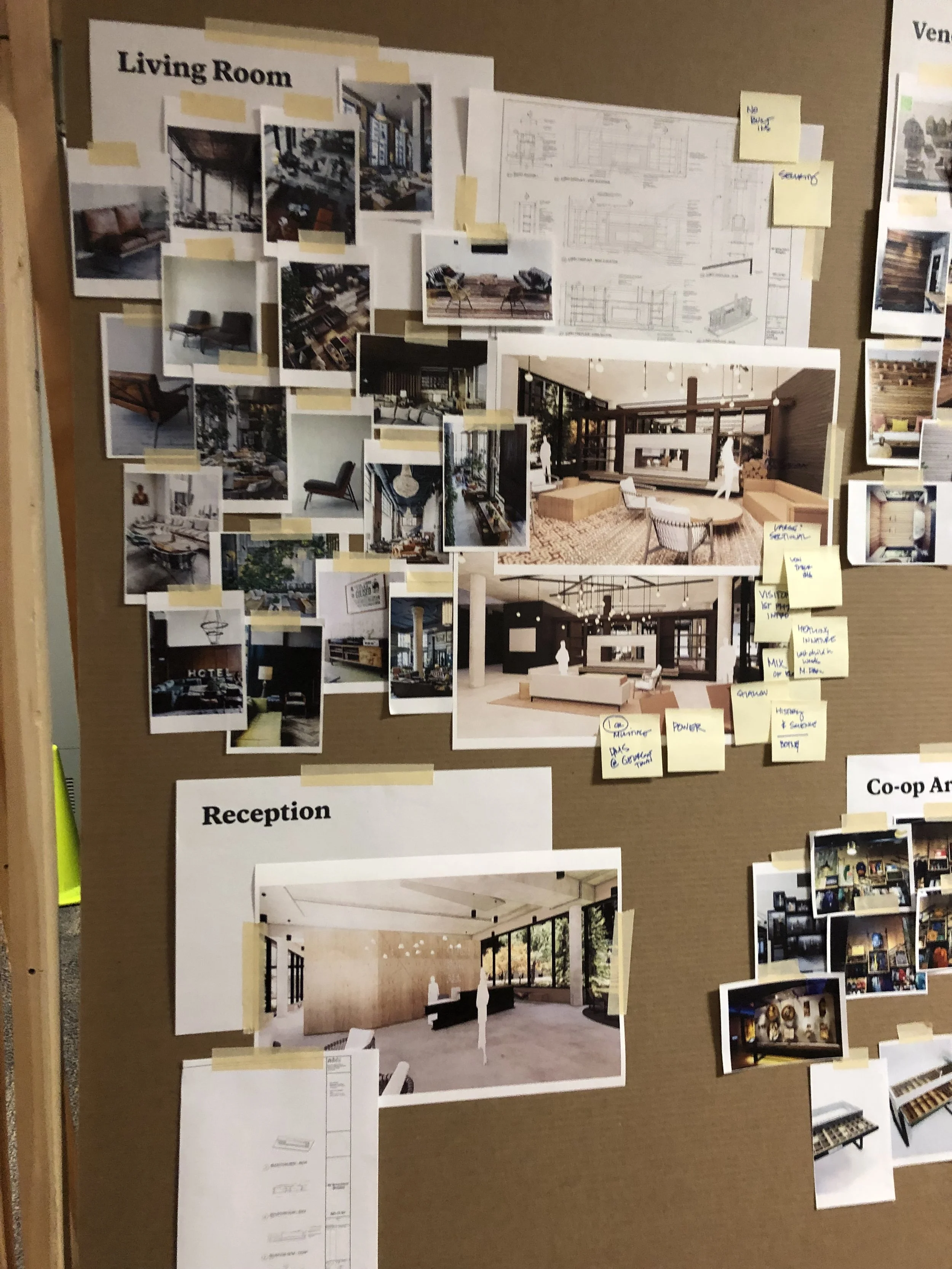
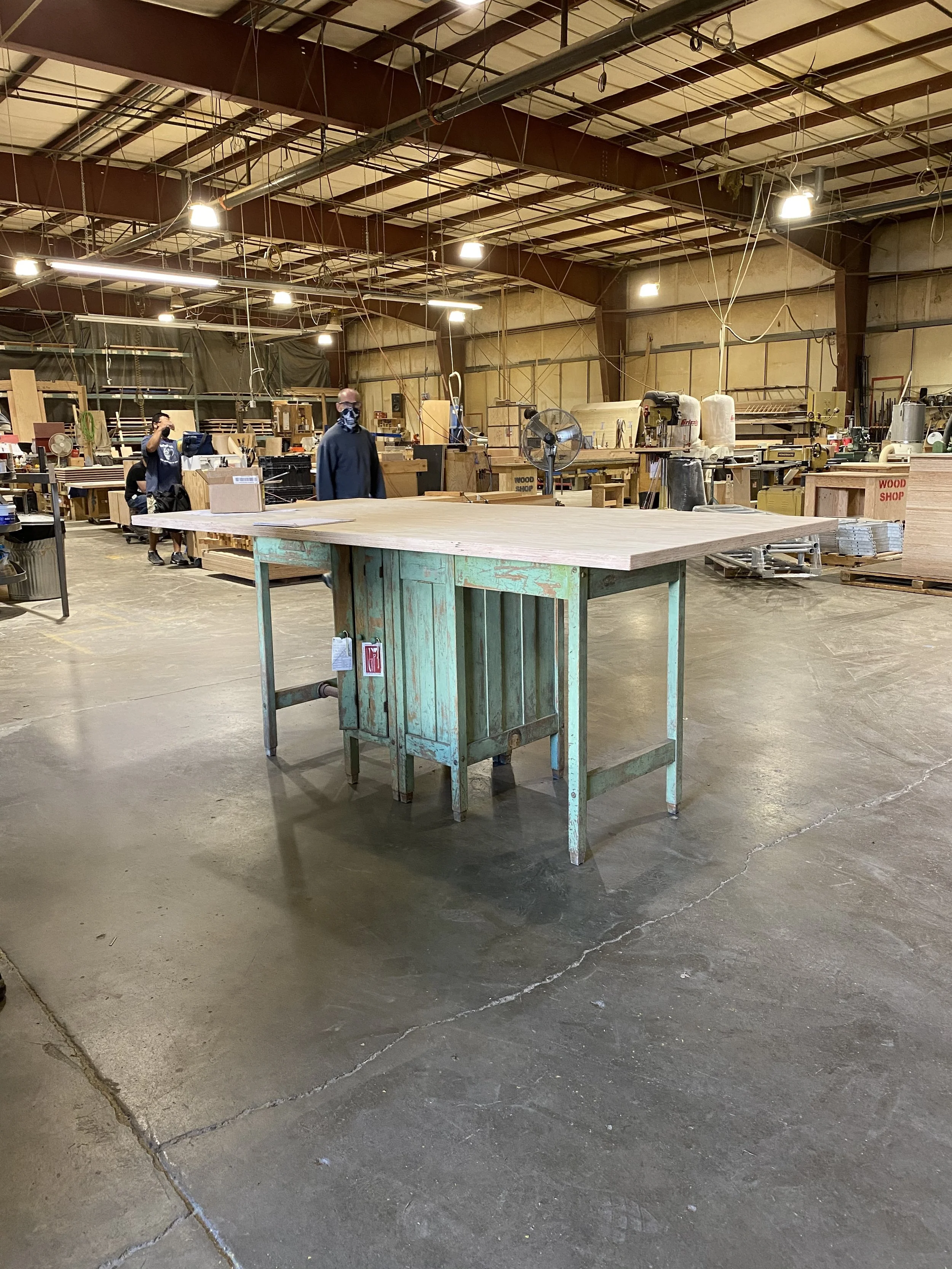
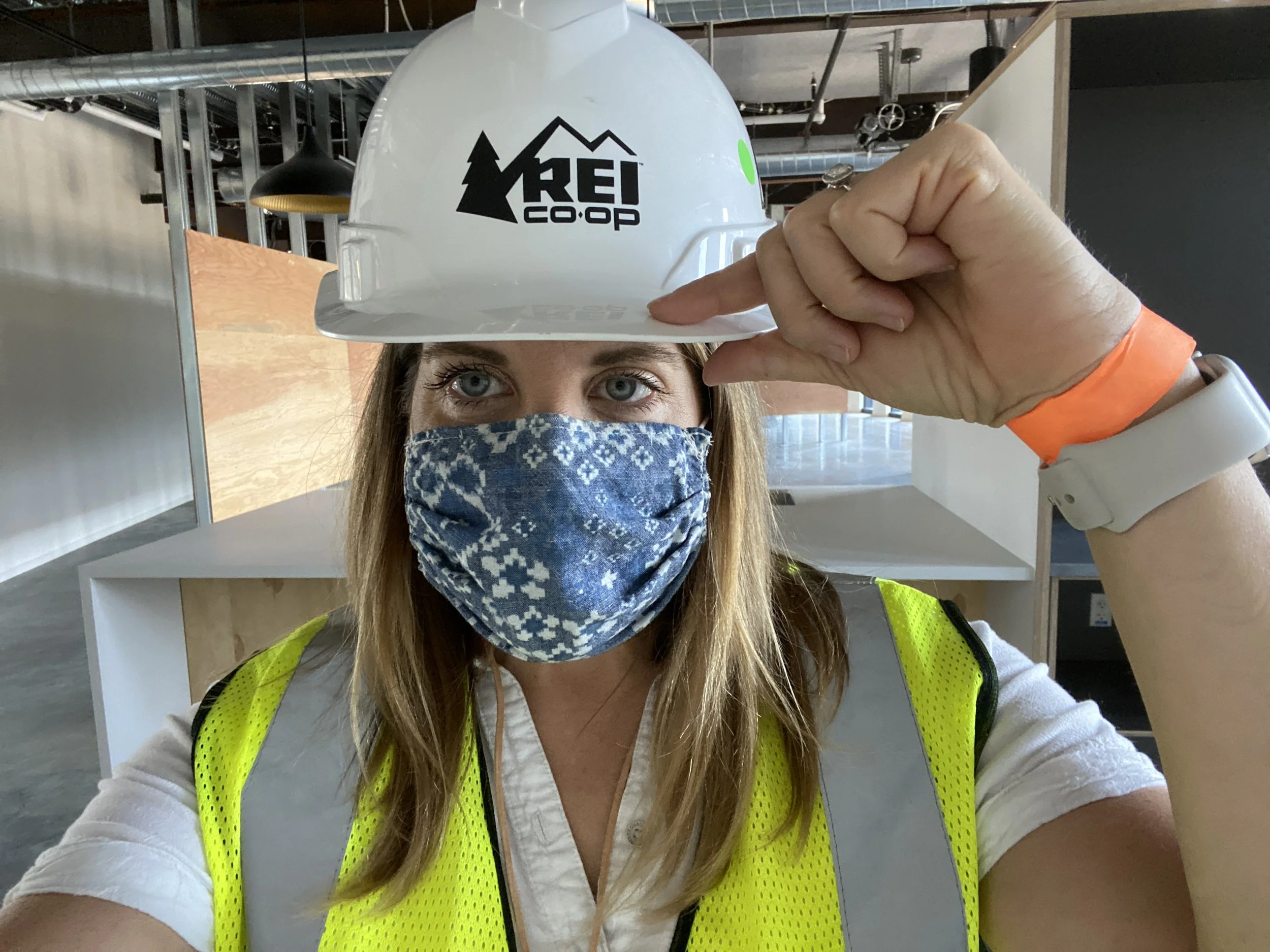
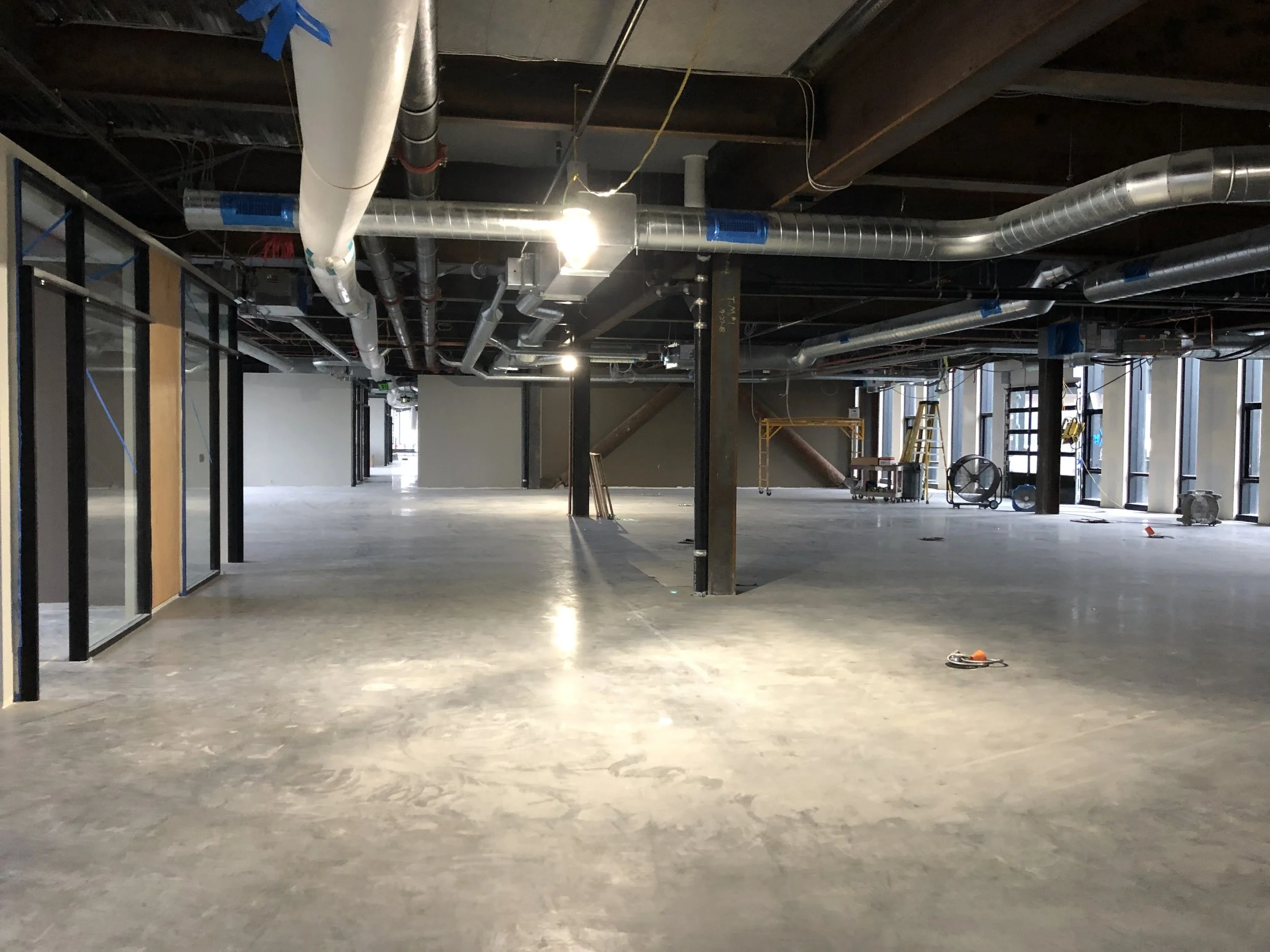
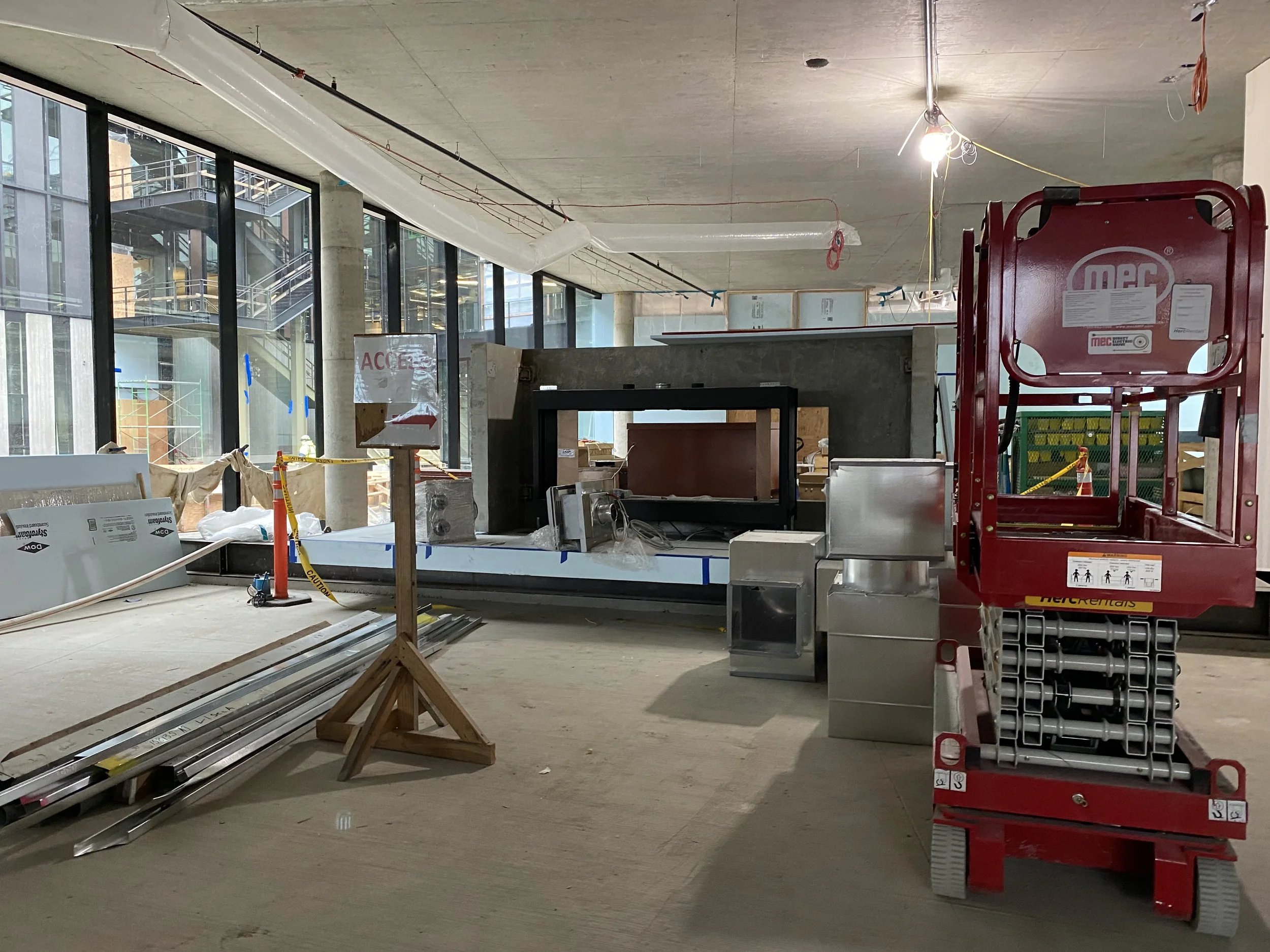
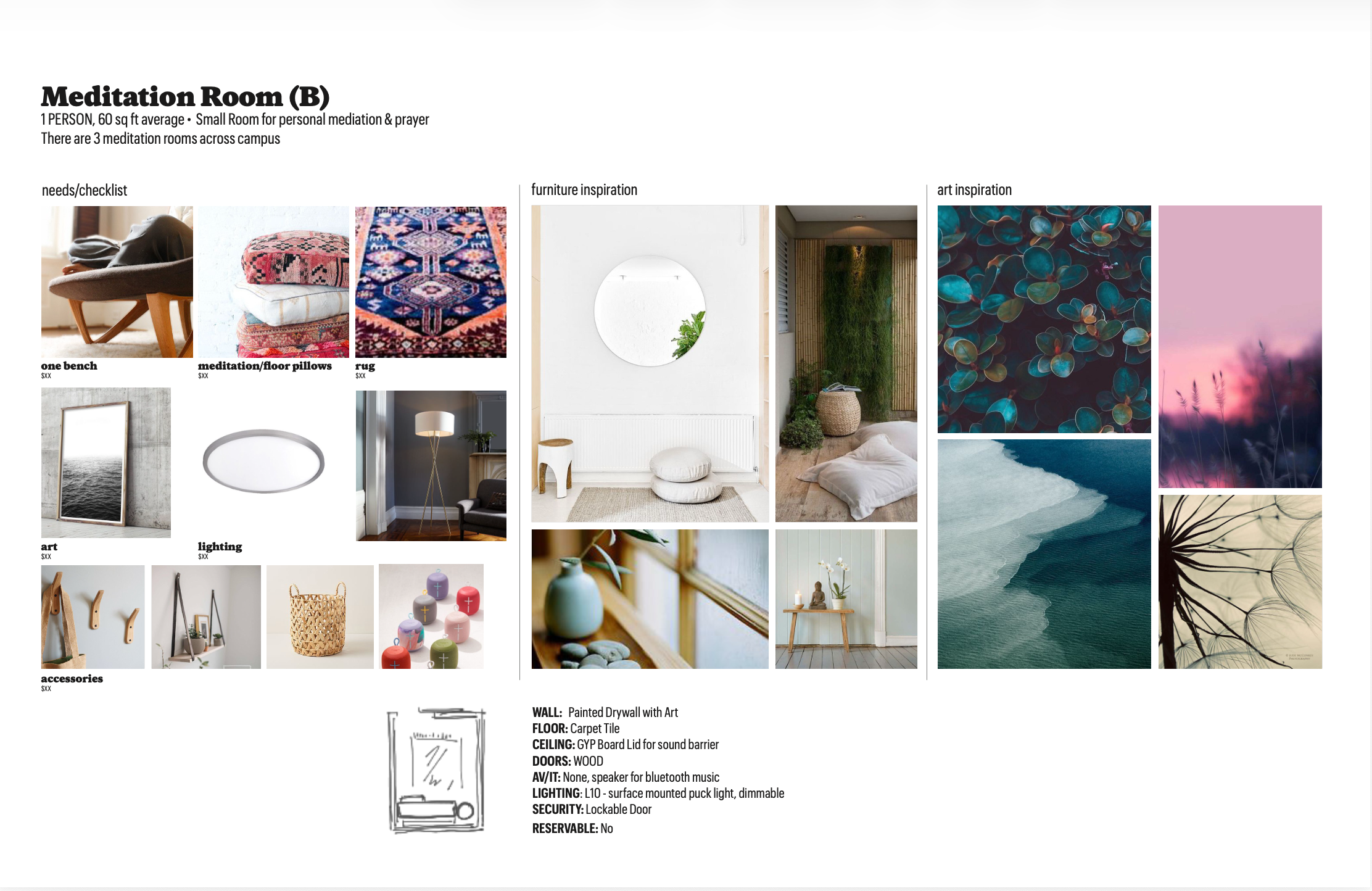
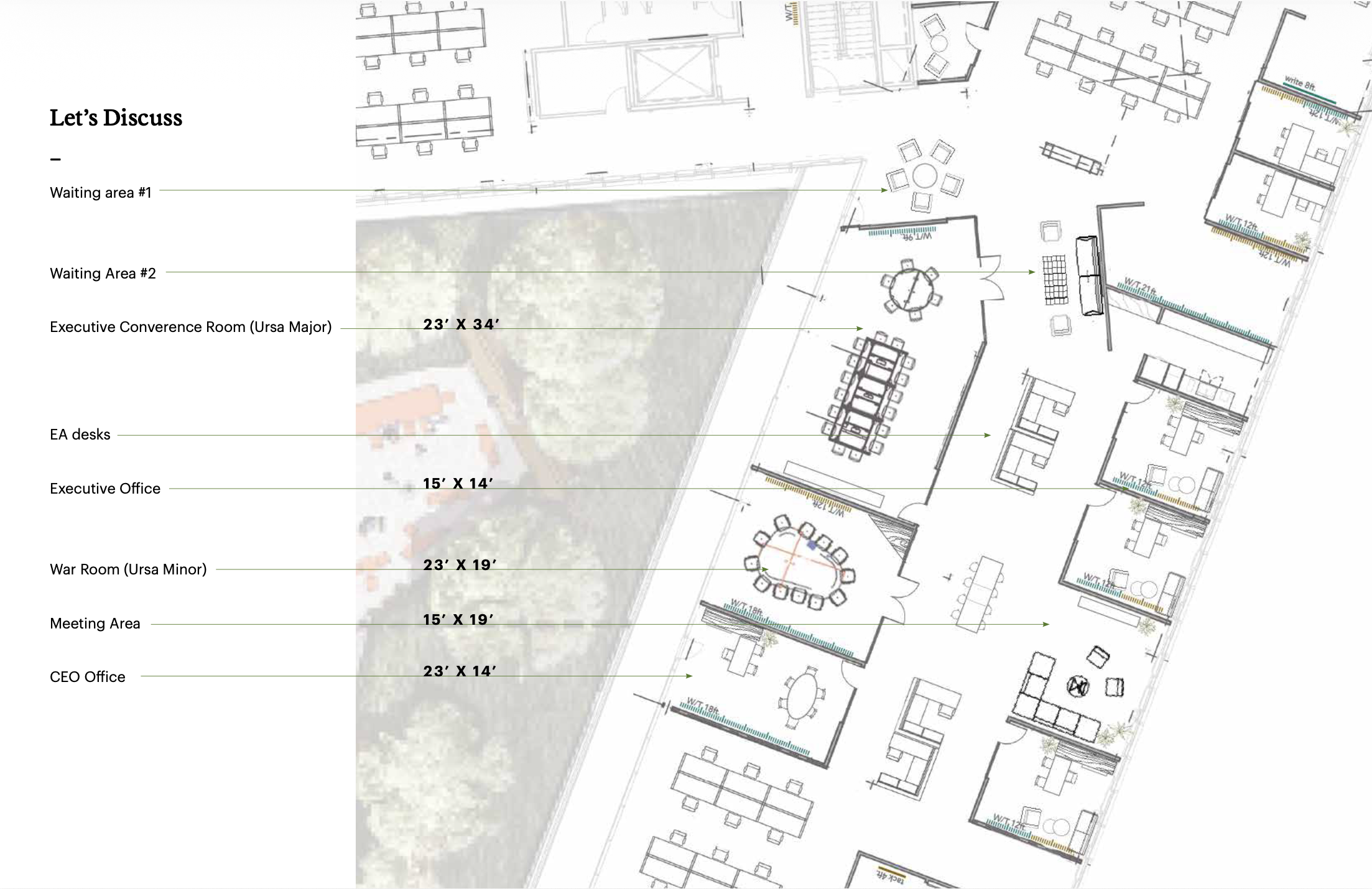
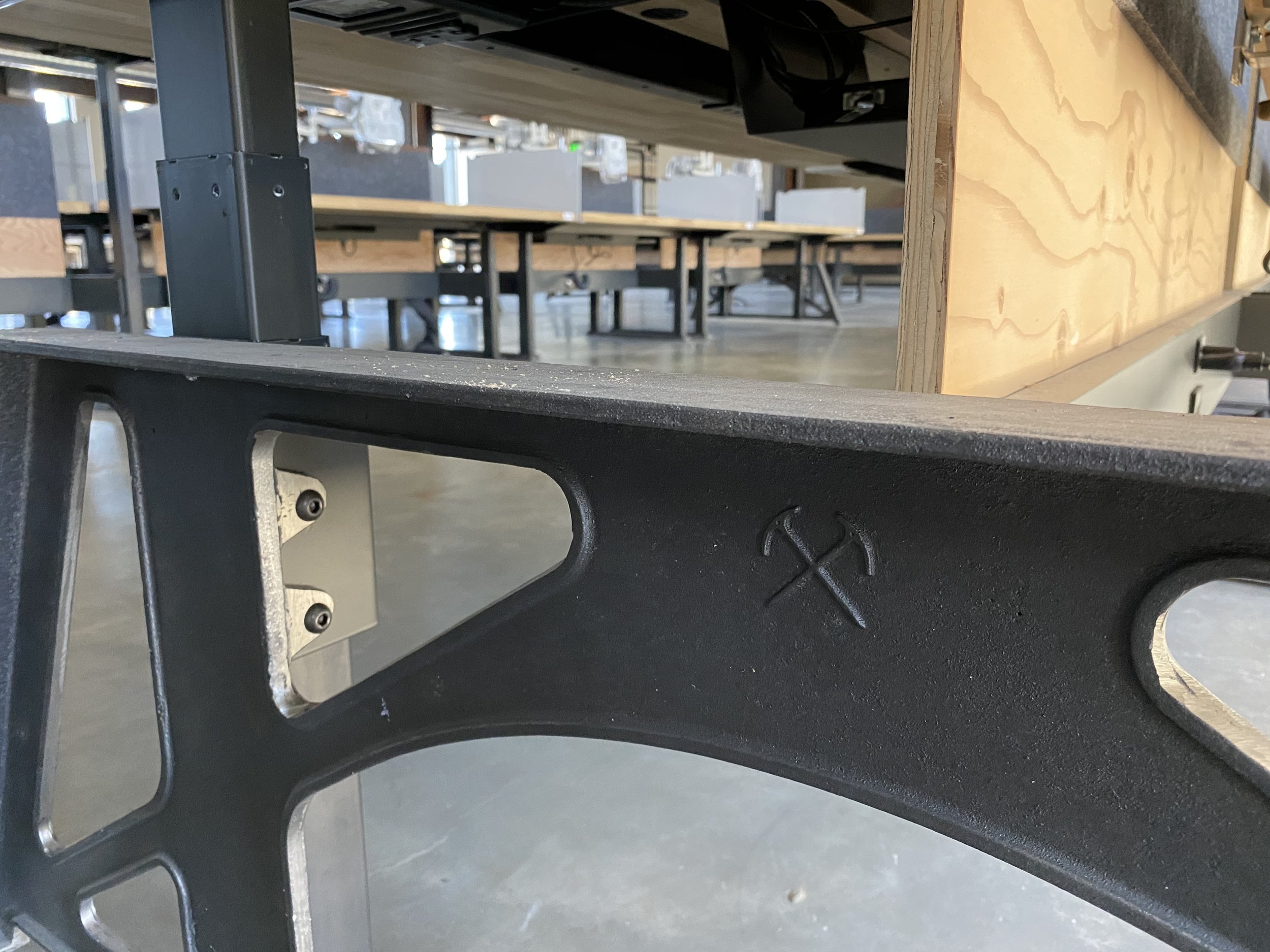
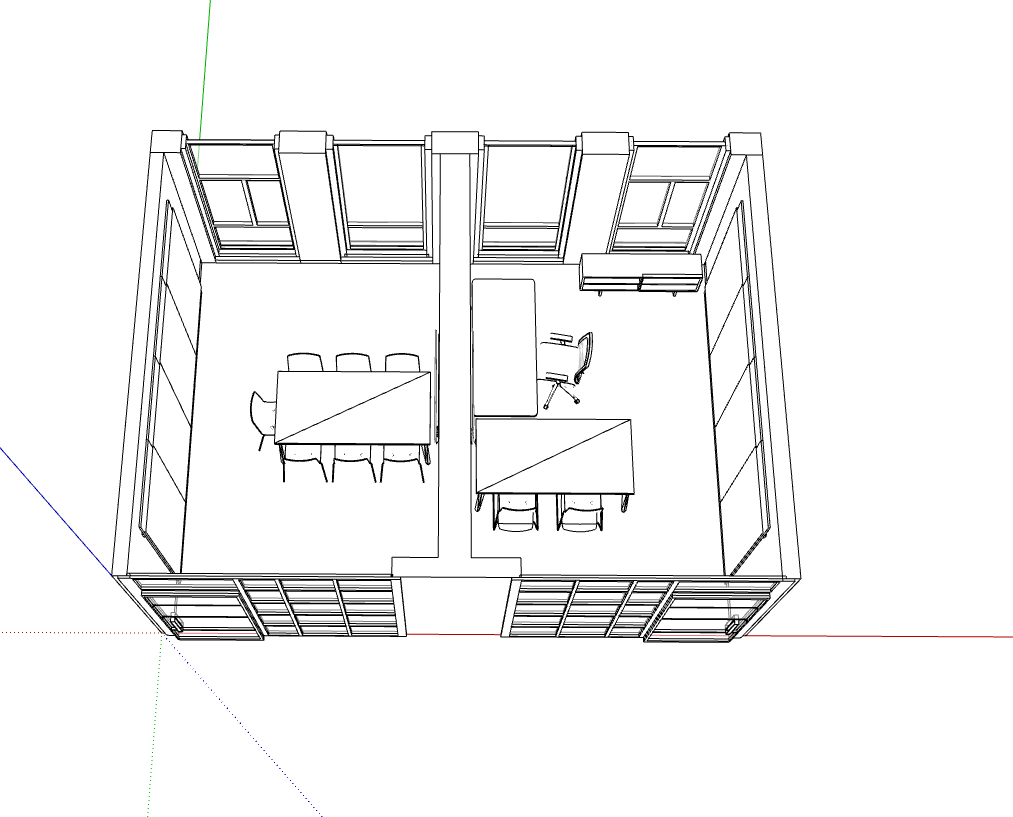
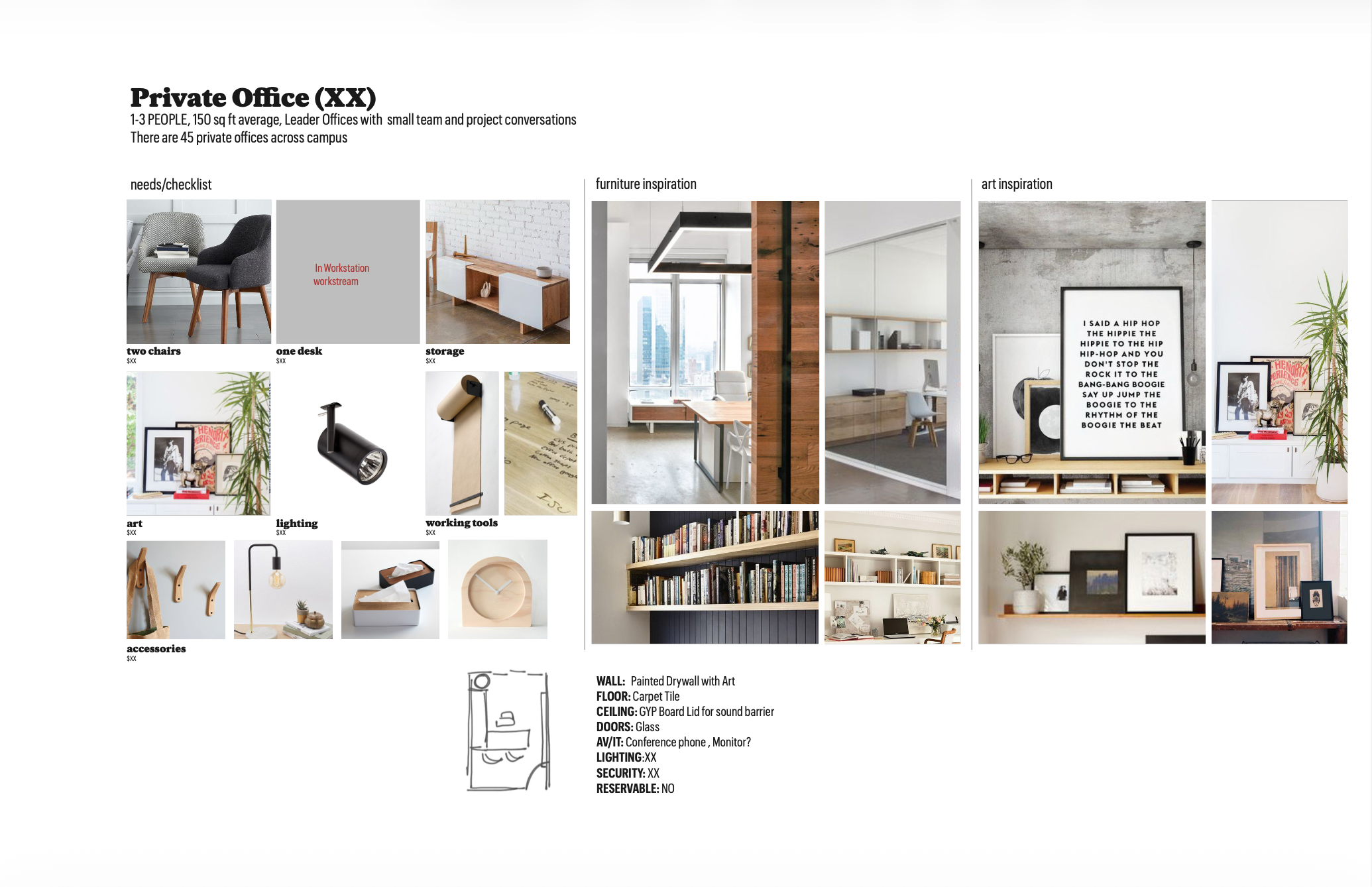
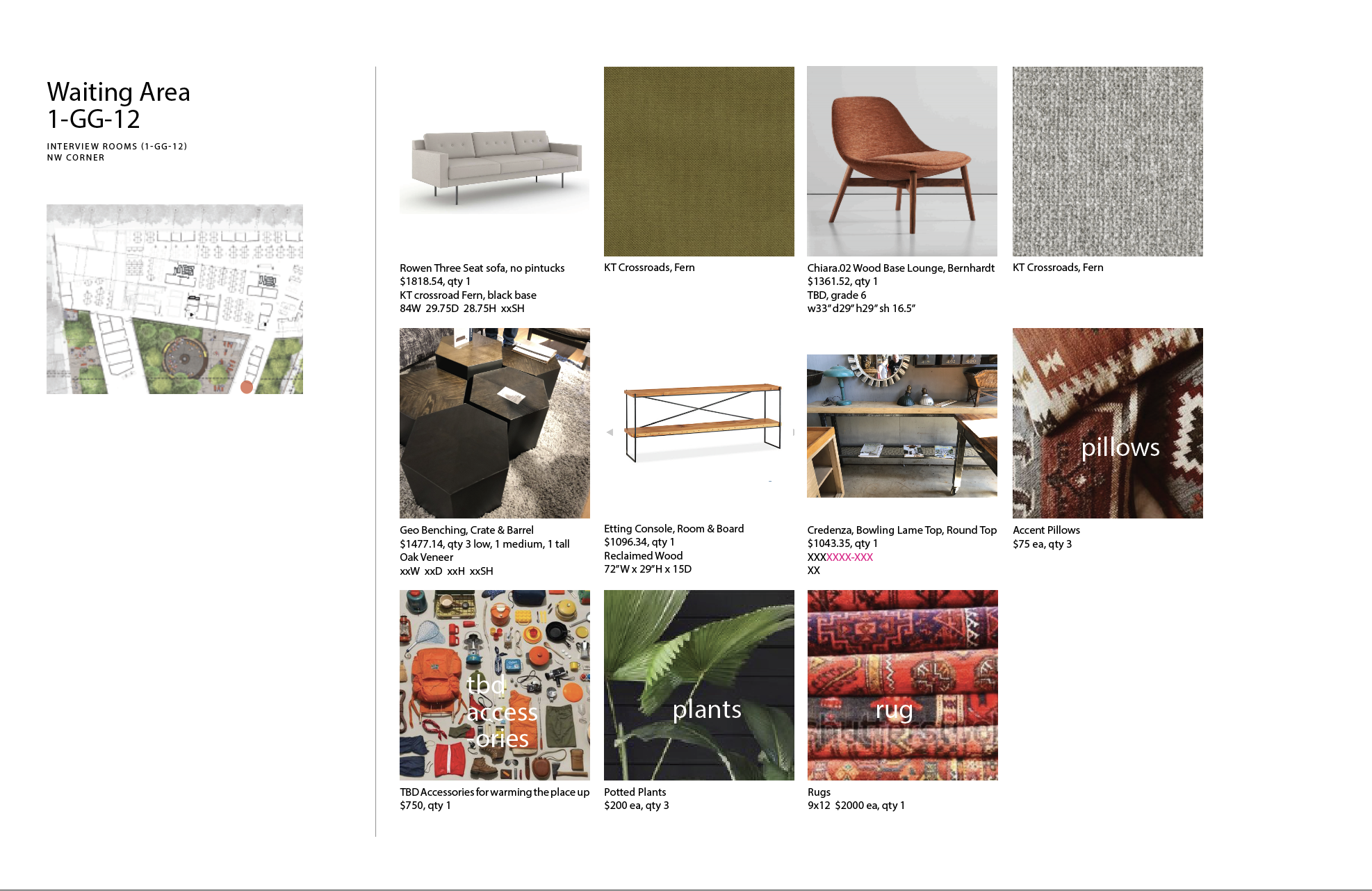
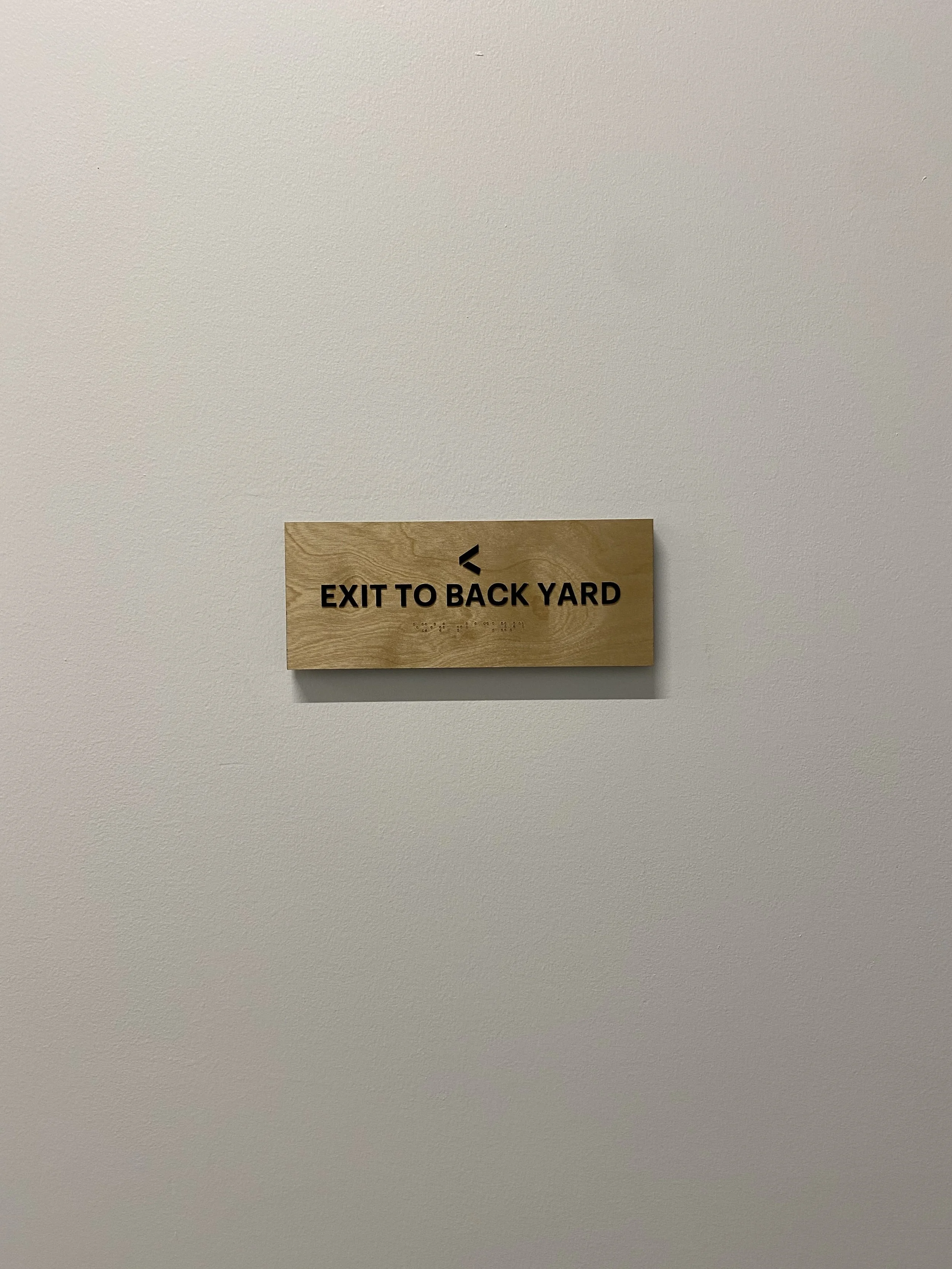
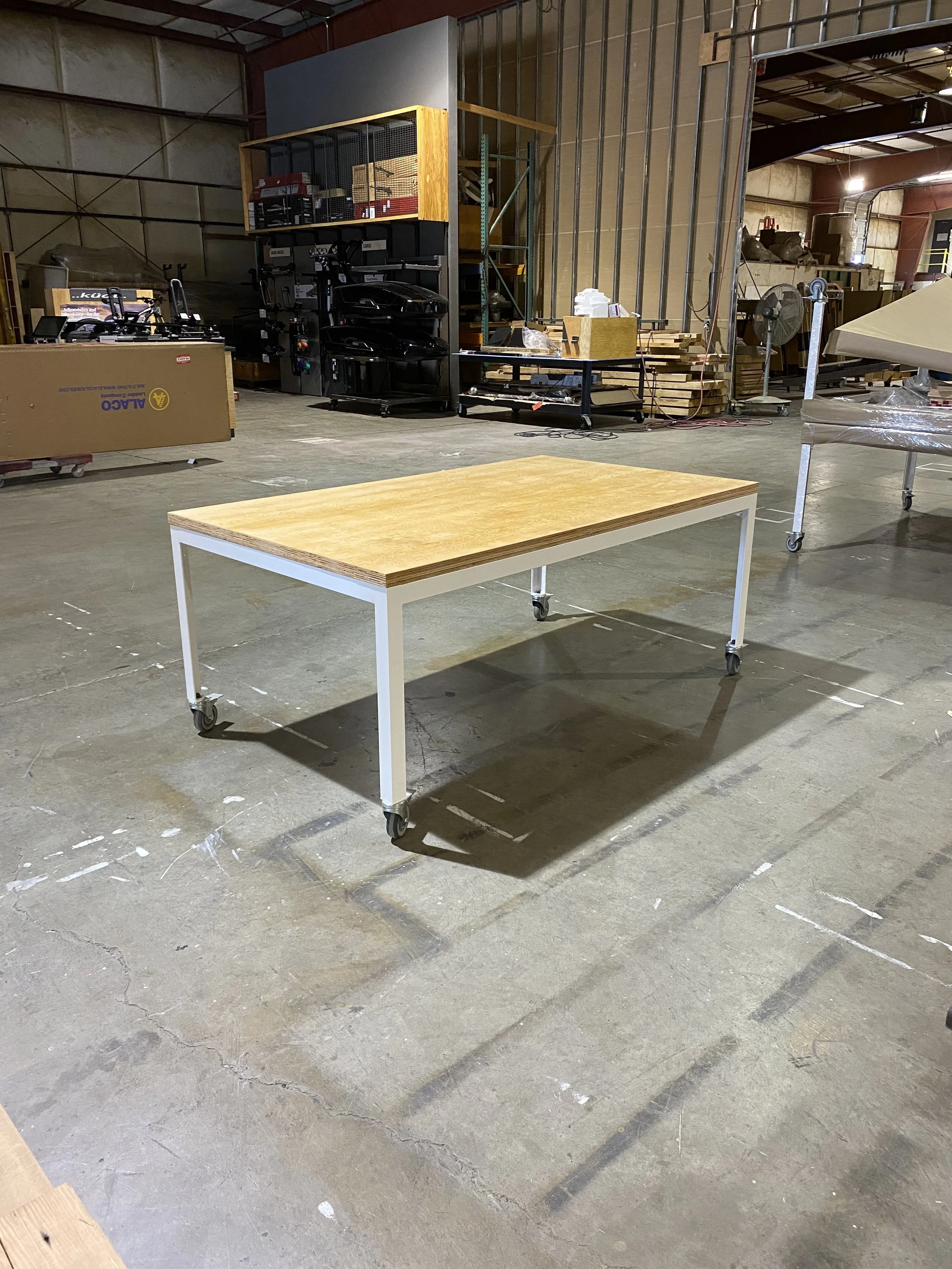
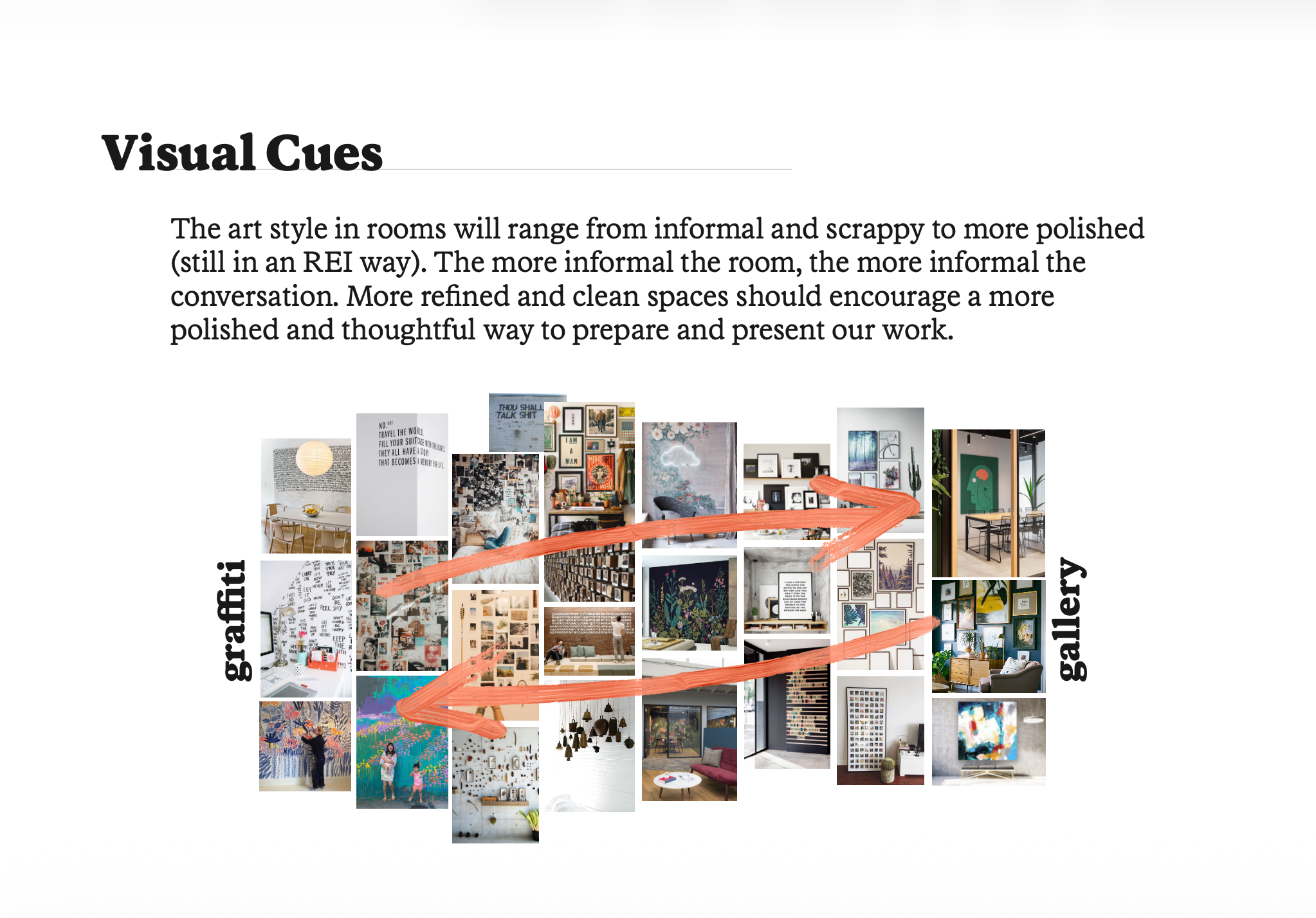
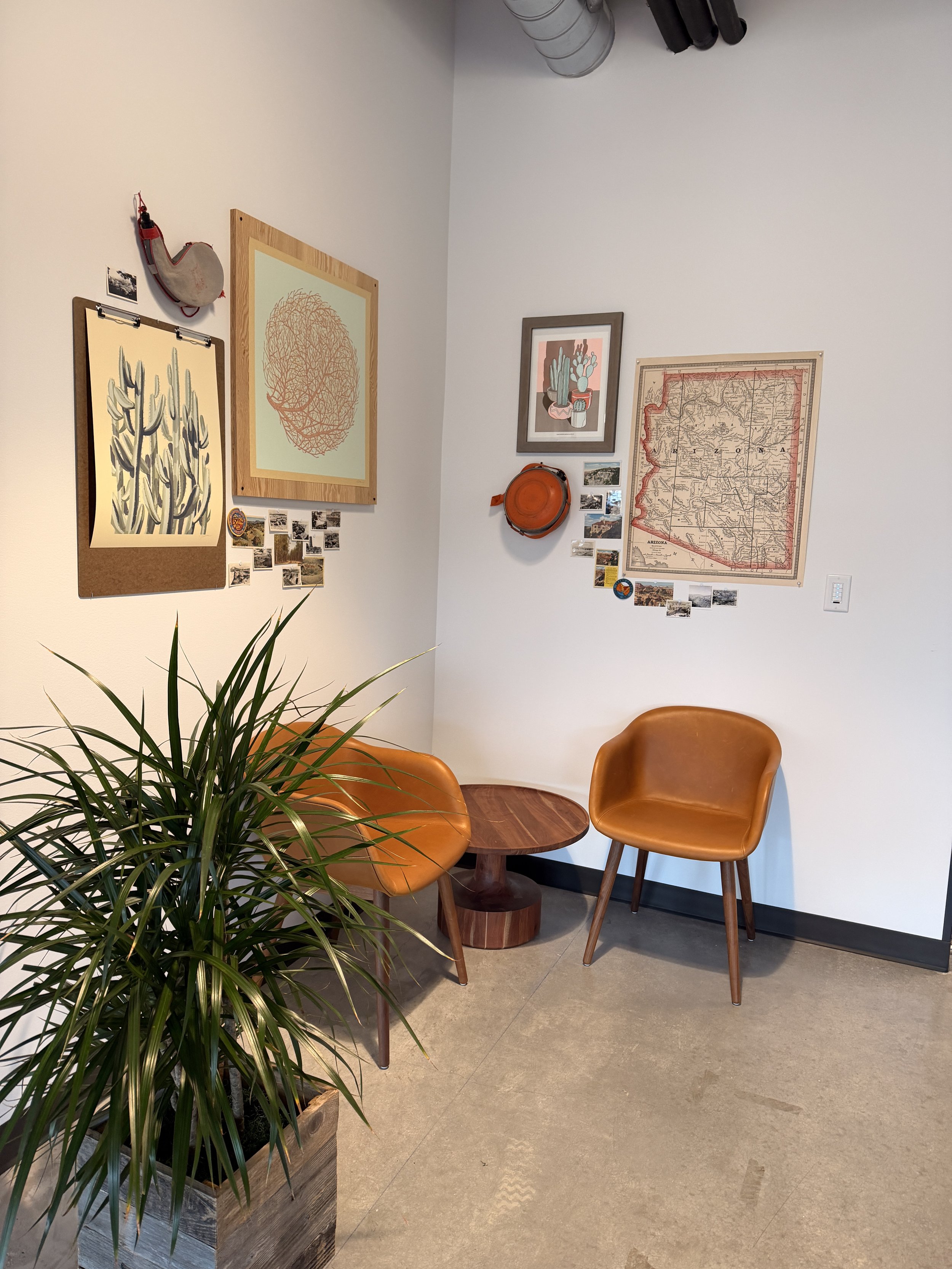
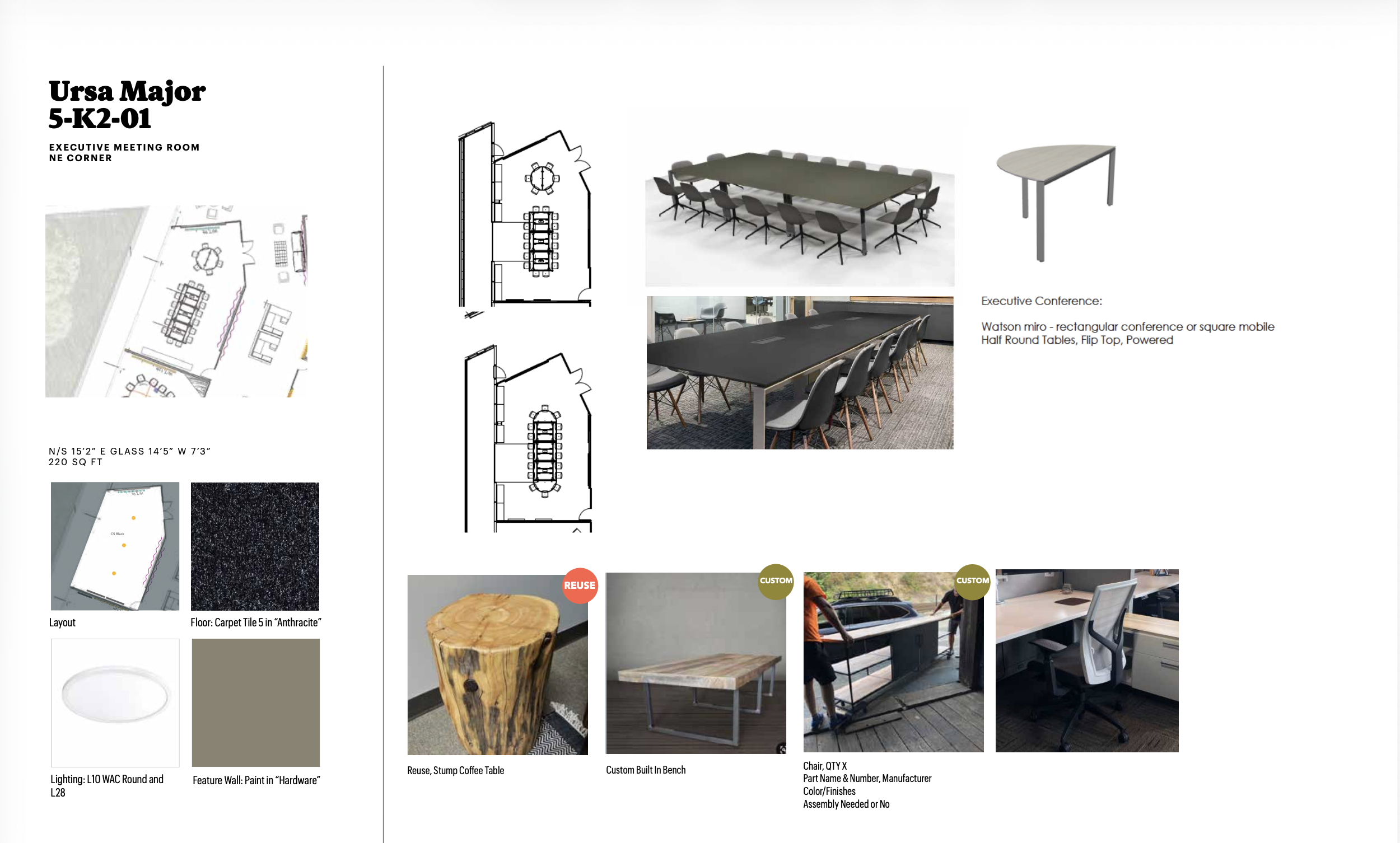
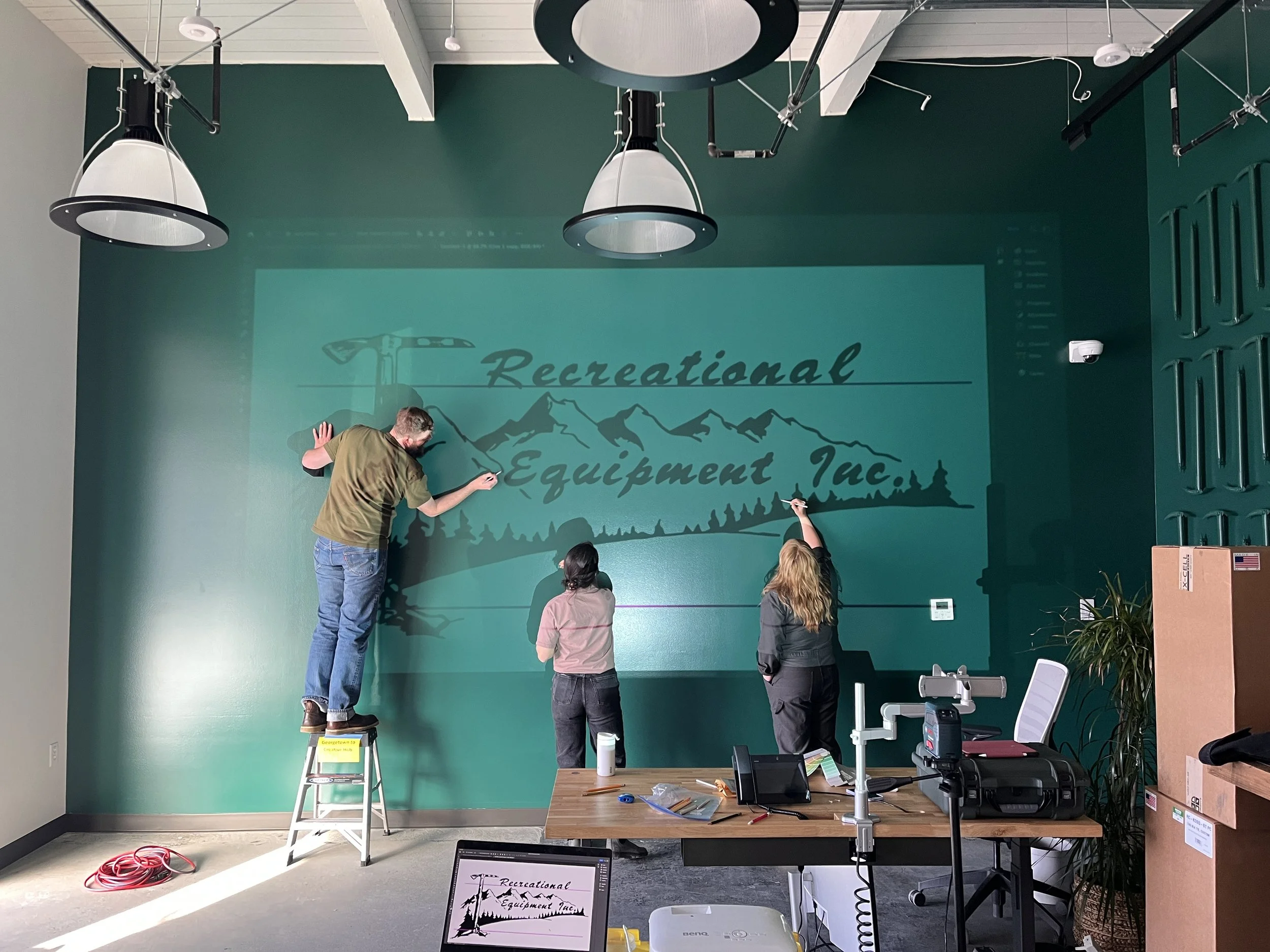
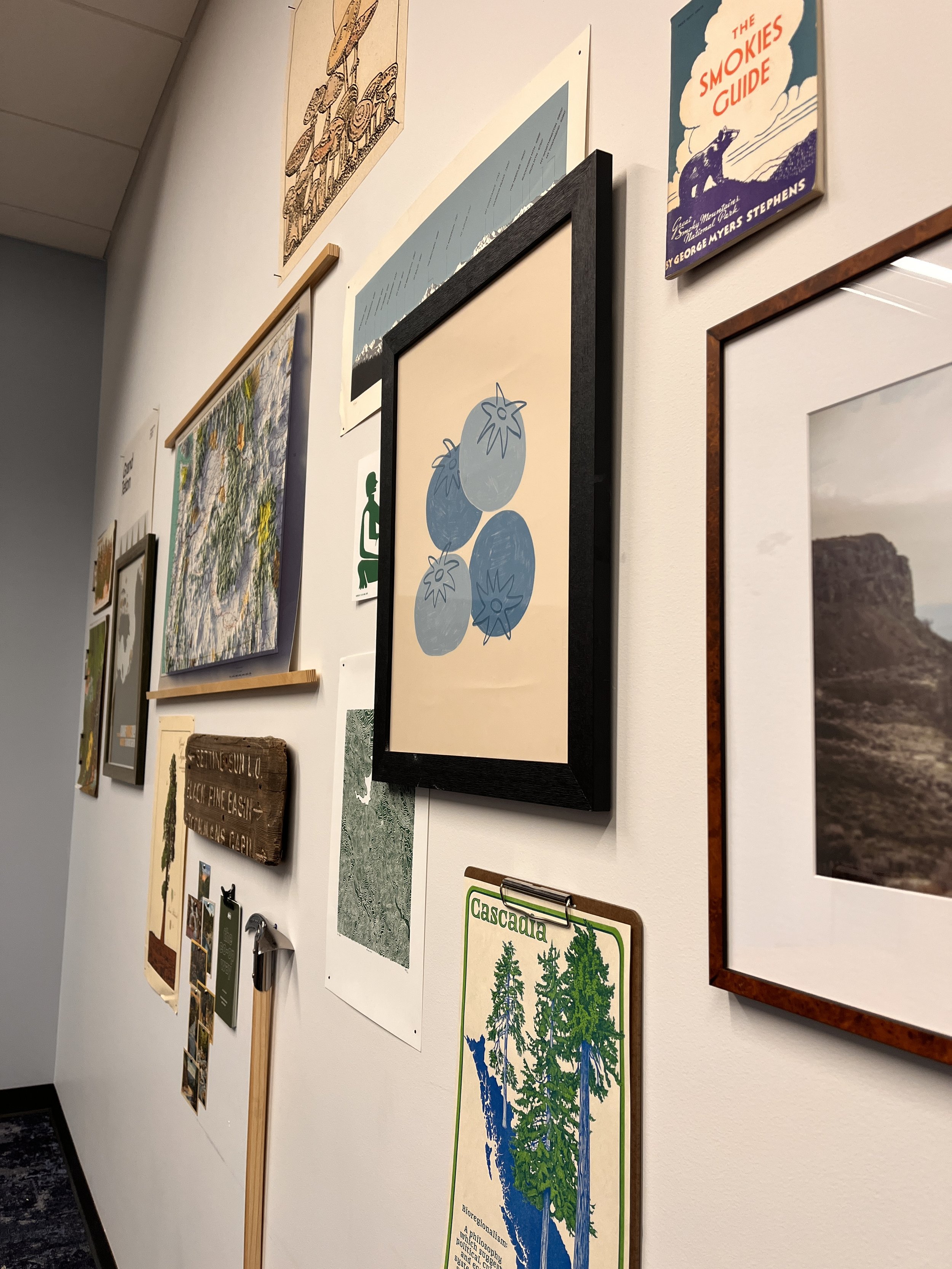
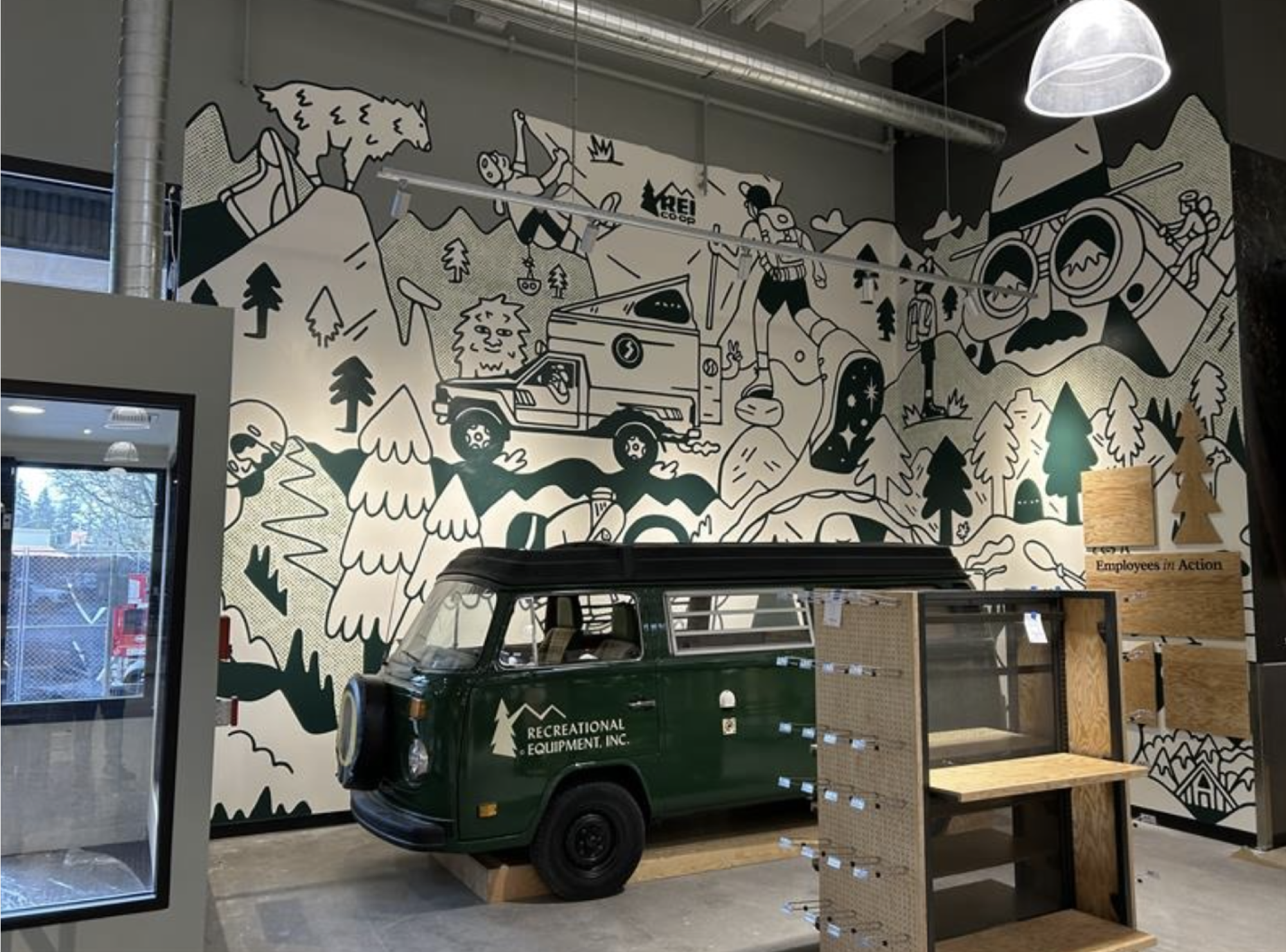
Working alongside NBBJ's architecture team as REI's internal designer, I was responsible for the aesthetic of every inhabited space: room-by-room furniture curation with a philosophy of reuse, art direction calibrated from graffiti to gallery depending on the formality of the room, branded space styling, and the lobby experience anchored by a restored vintage Test Truck — a recreation of the vehicle REI once used to test gear, rebuilt to tell the story of the Co-op's innovation history in the room where employees begin their day.
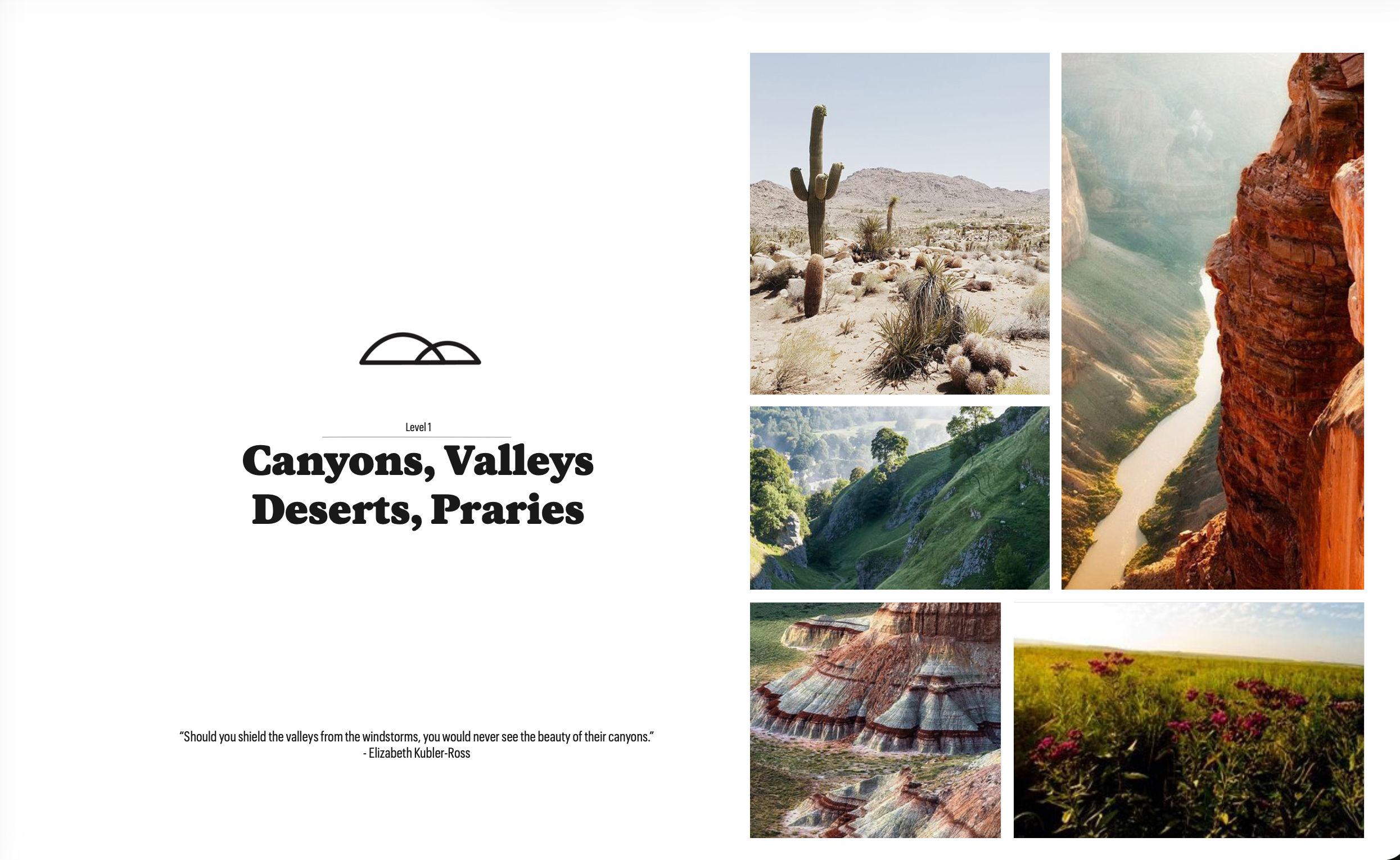
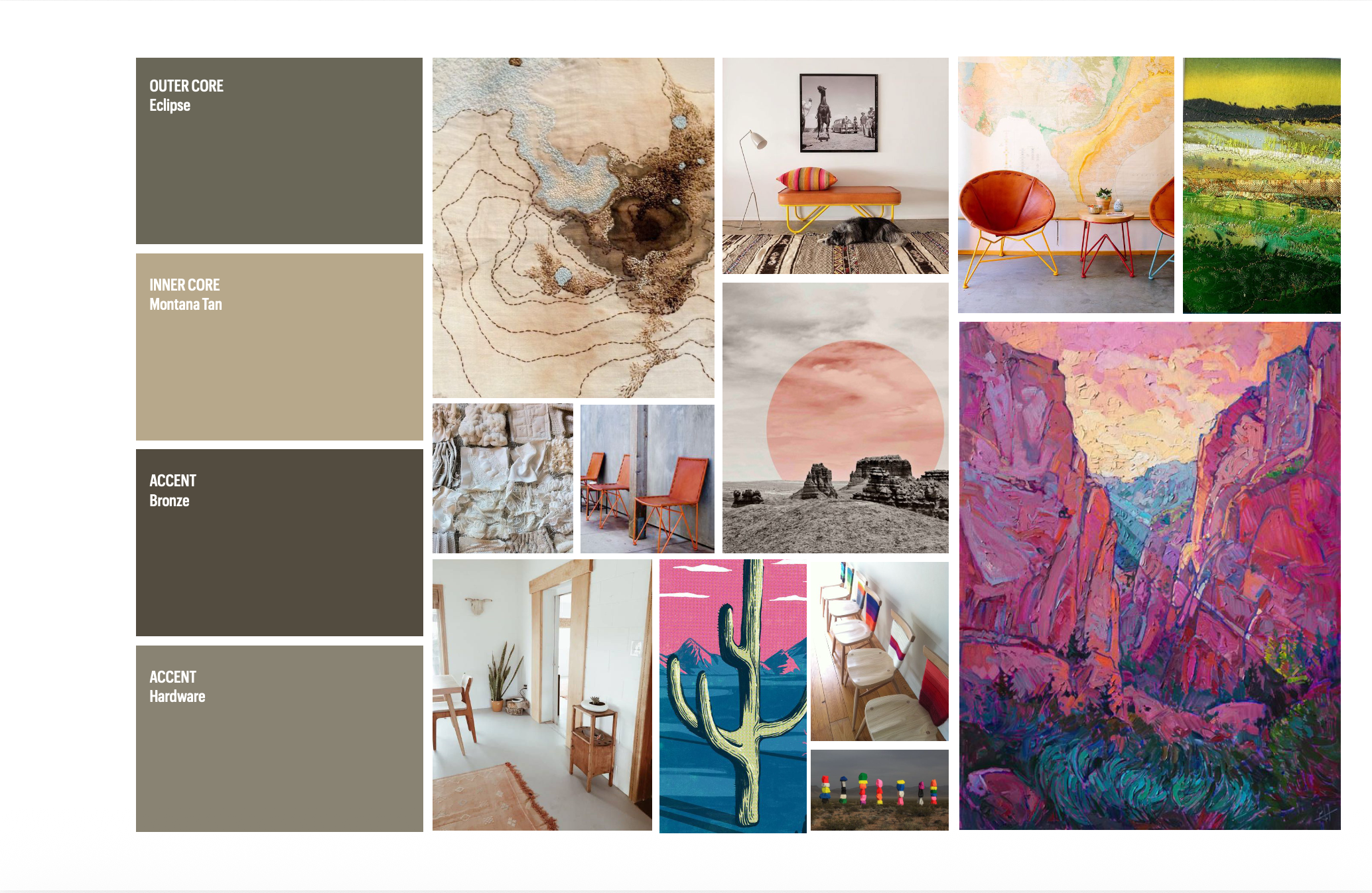
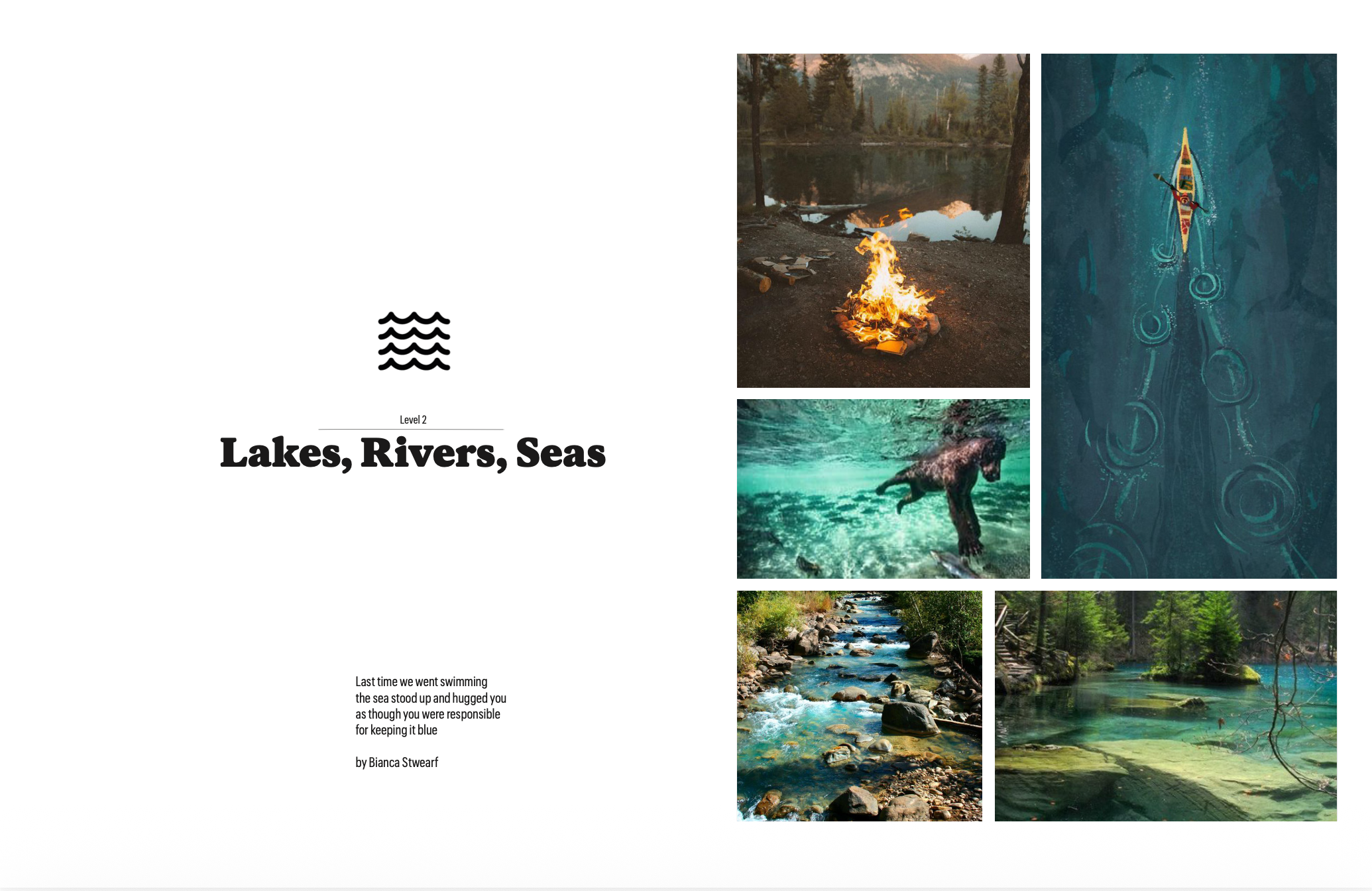
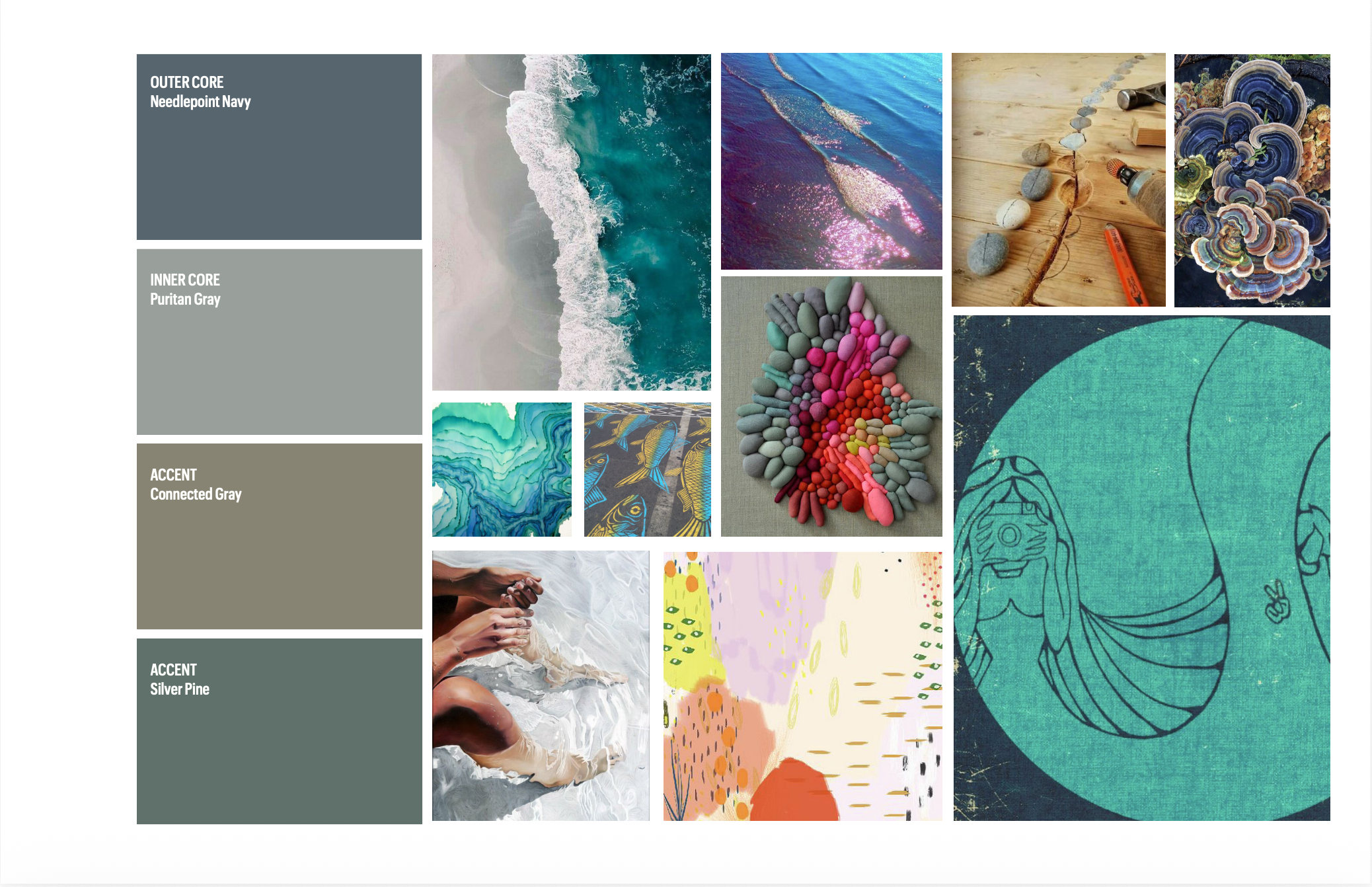
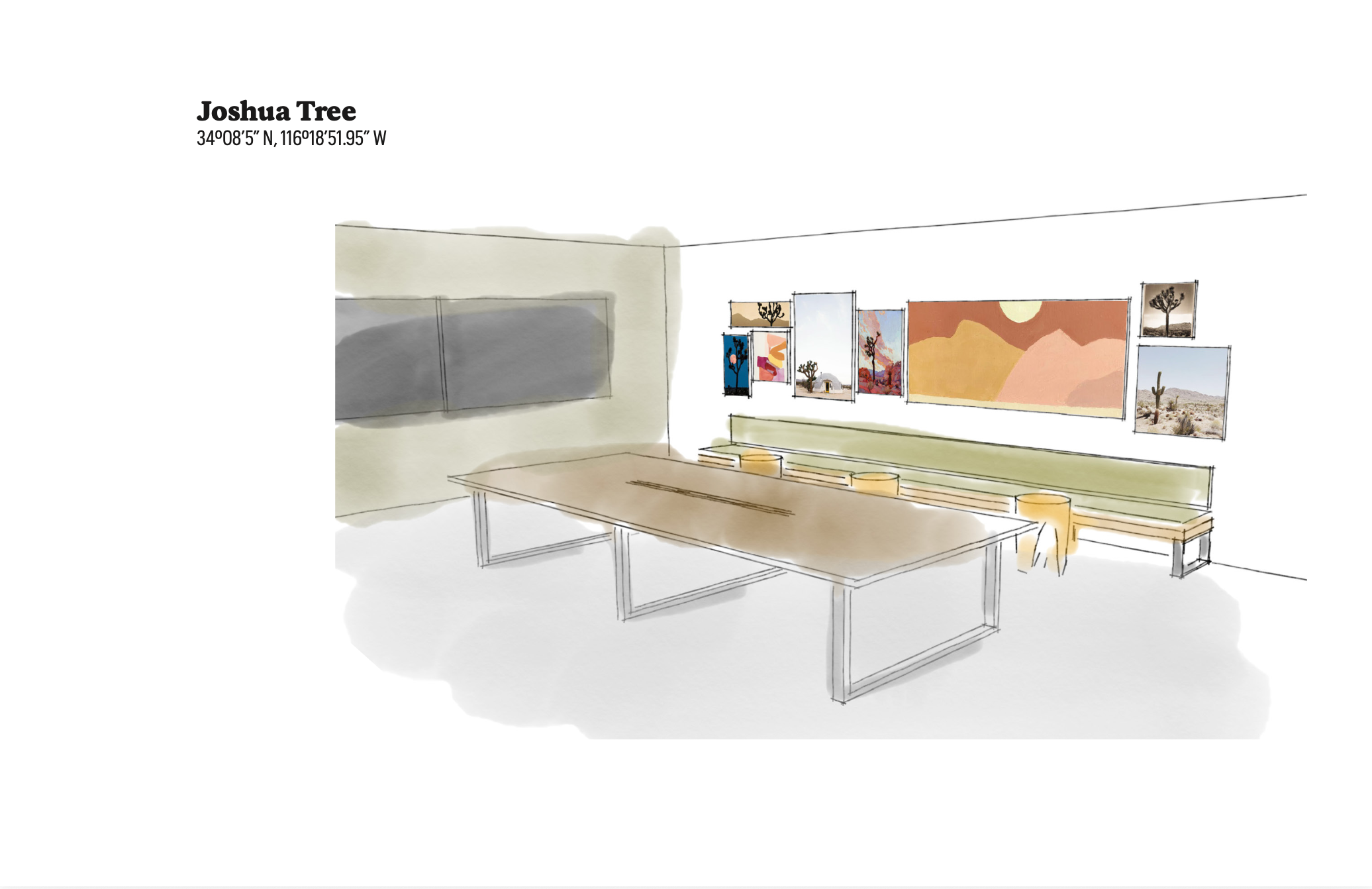
Each floor was named for a landscape — Canyons and Deserts on one, Lakes and Rivers on another — with its own color palette, art curation, and material mood. Conference rooms were named after employees favorite outdoor places with GPS coordinates. The furniture was uncorporate by design: utilitarian, classic, comfortable, reused where possible.
When my DVP left the project mid-construction, I absorbed her recommendations role, continuing to make design decisions directly to the project director. I managed a depleting budget without losing the aesthetic — finding where to hold and where to give. Construction completed on schedule. Workstations and tech were installed. When the ancillary and vibe of the co-op was about to move in, COVID changed the financial math, and REI sold the building, and we never got to live there.
It was ready. I was ready. And It was the best work I've done that no one has ever seen.
Camp Evolution — Starting and ending with the customer
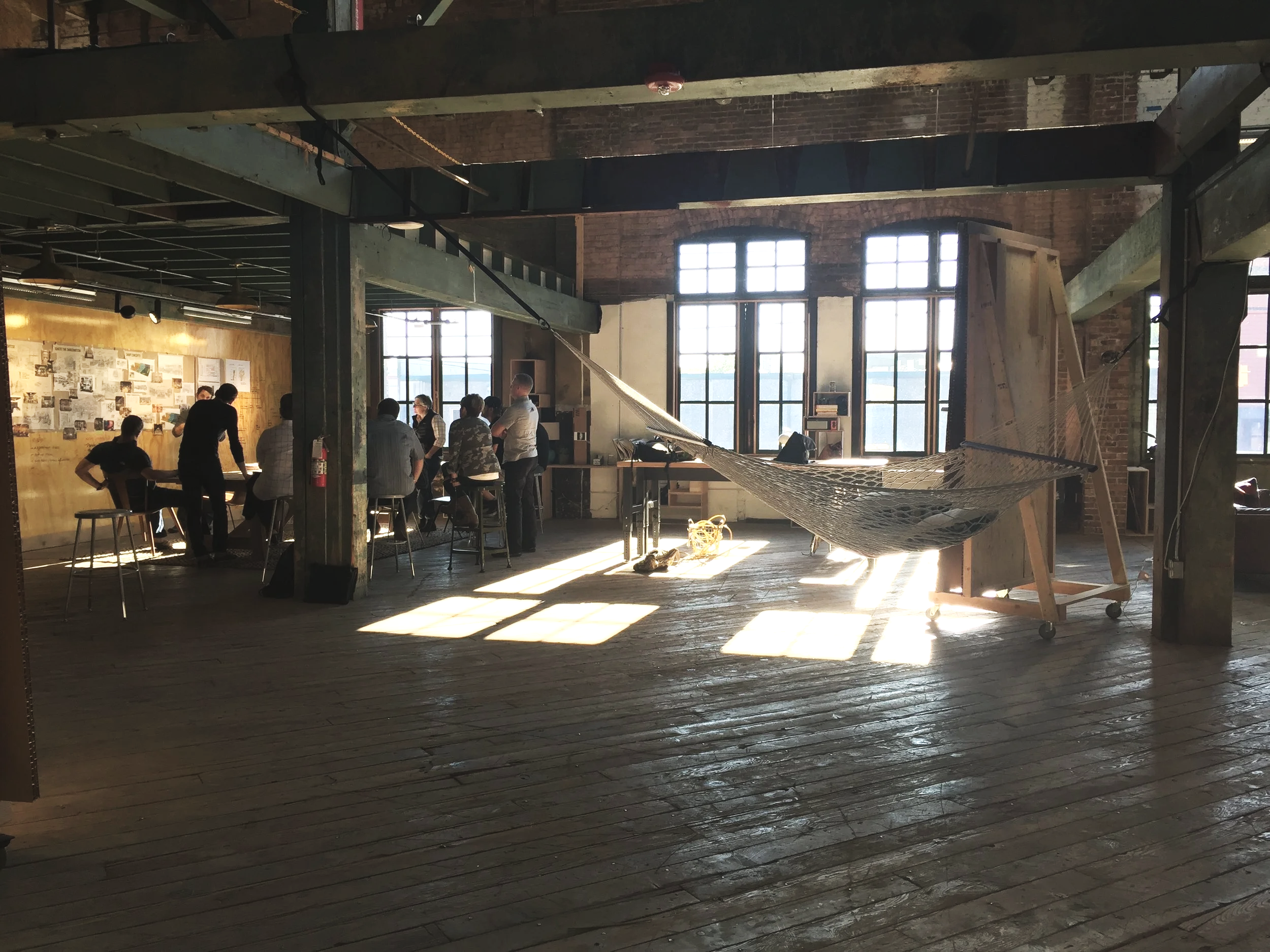
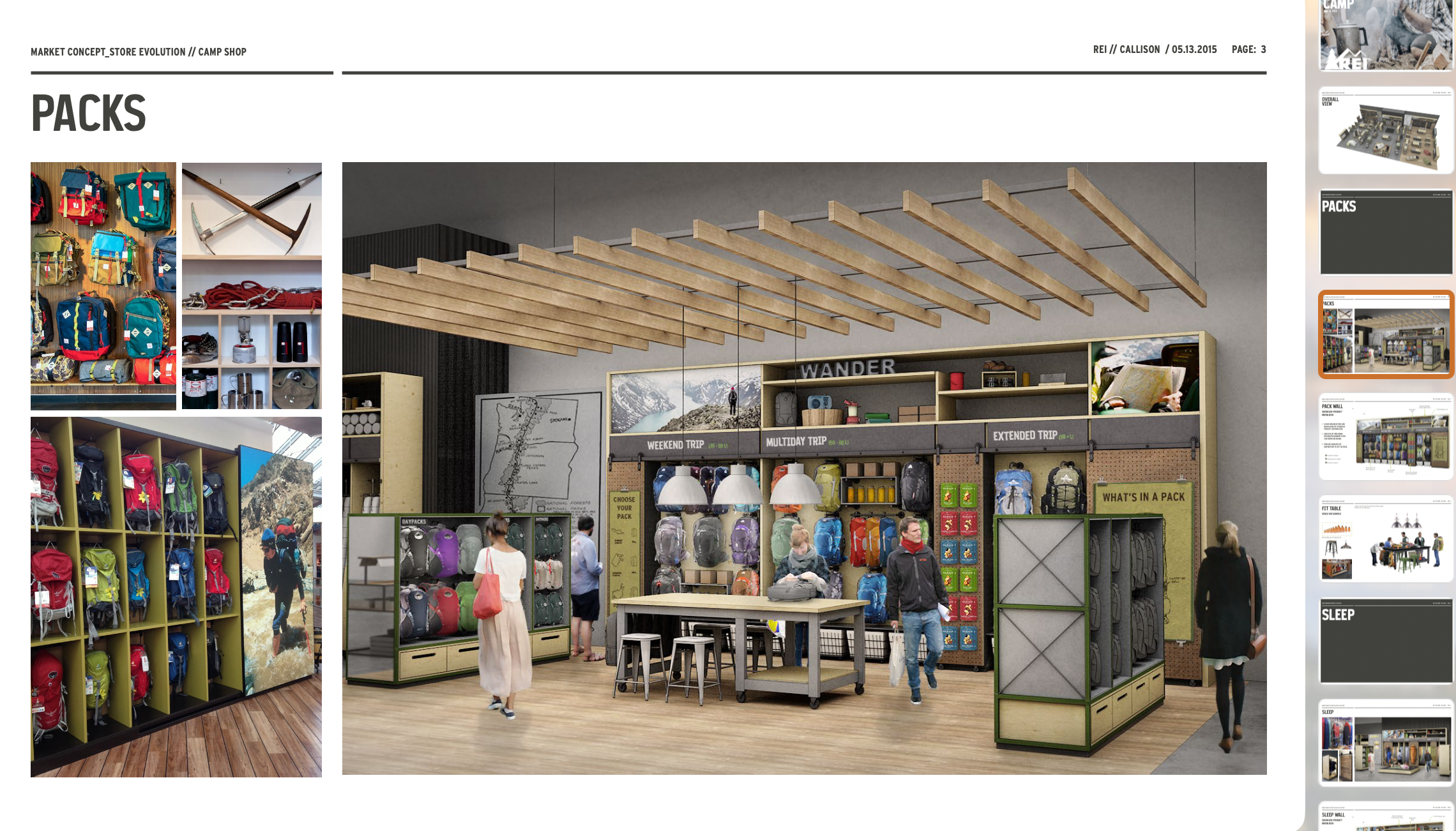
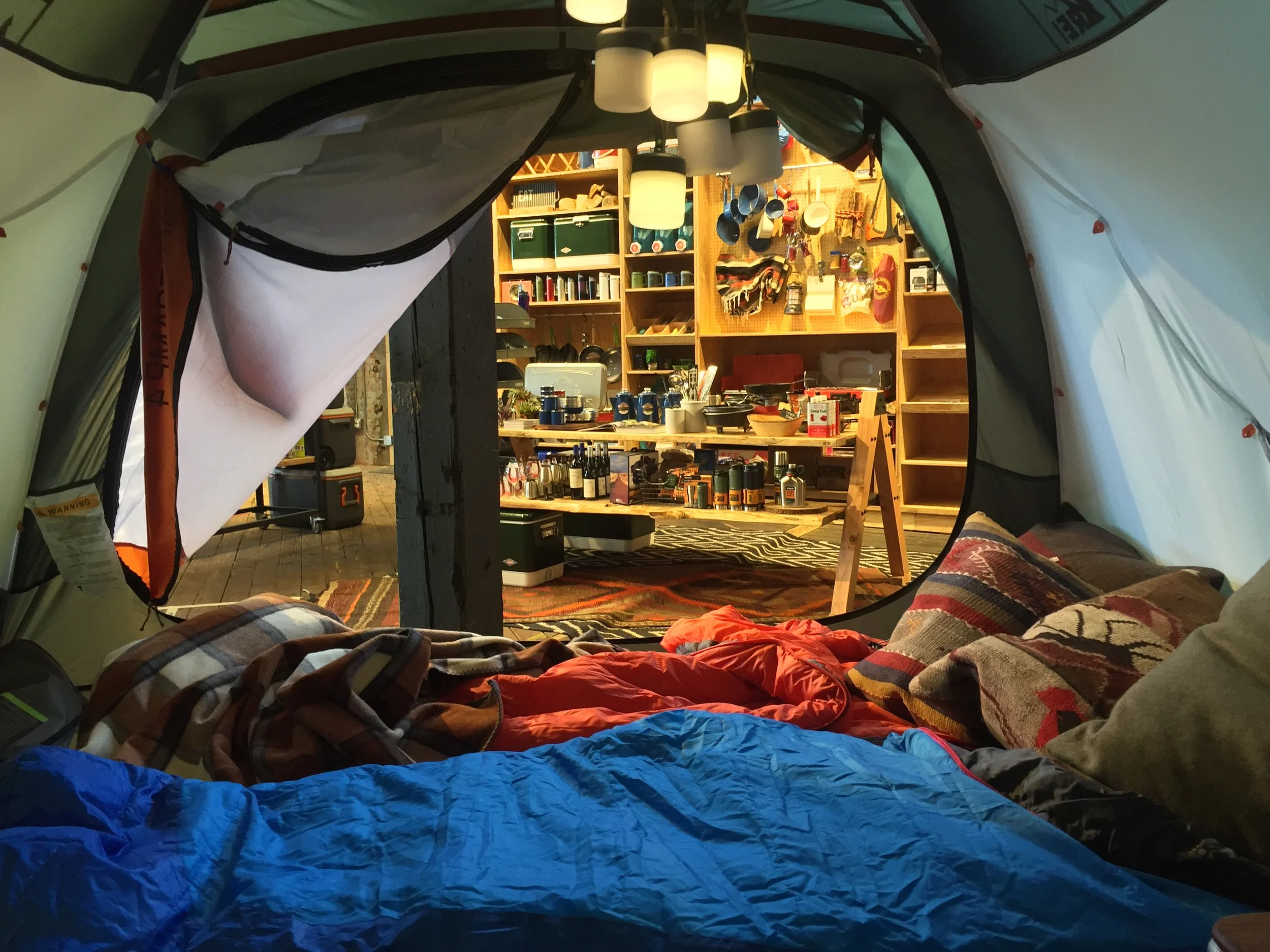
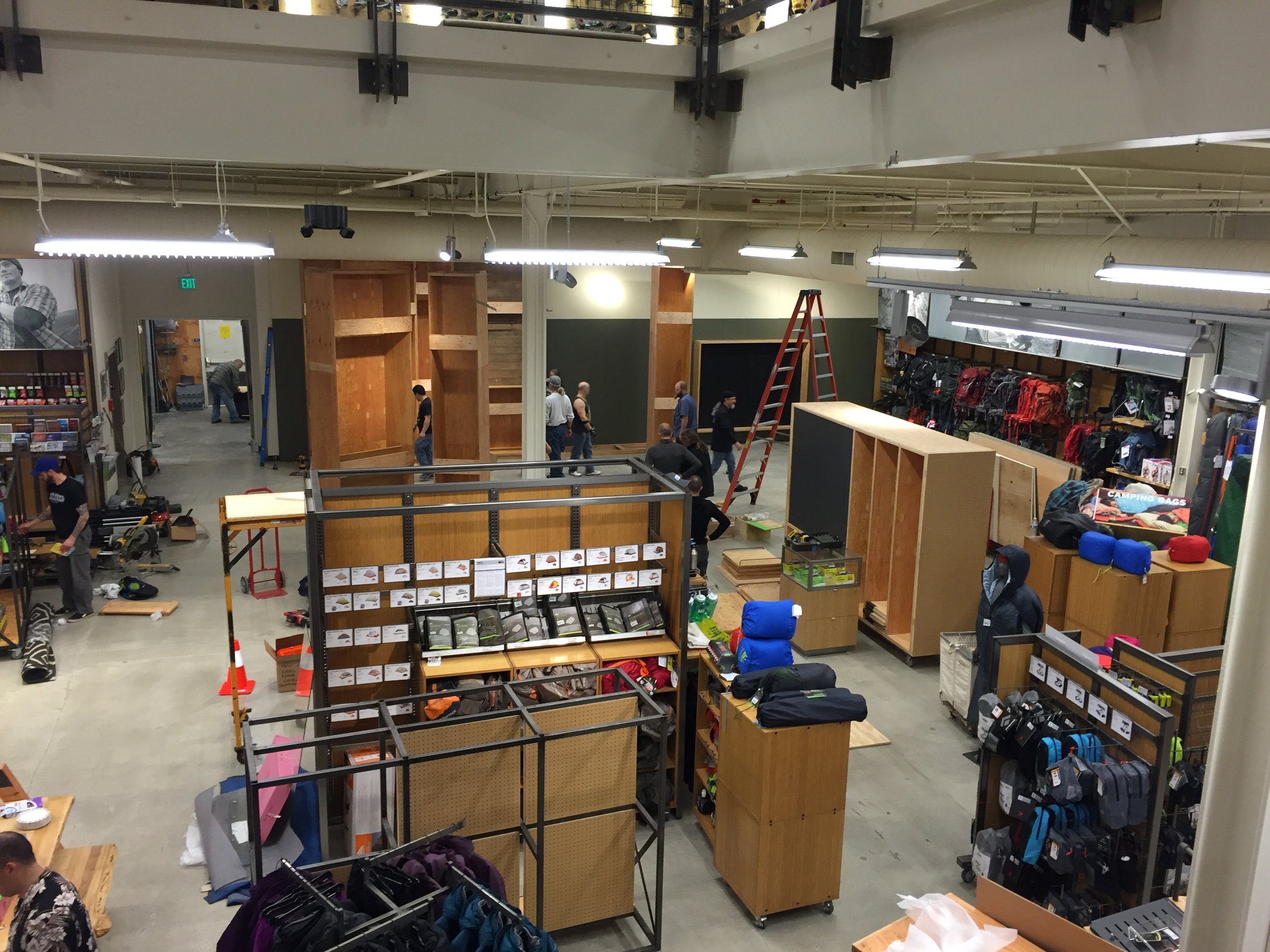
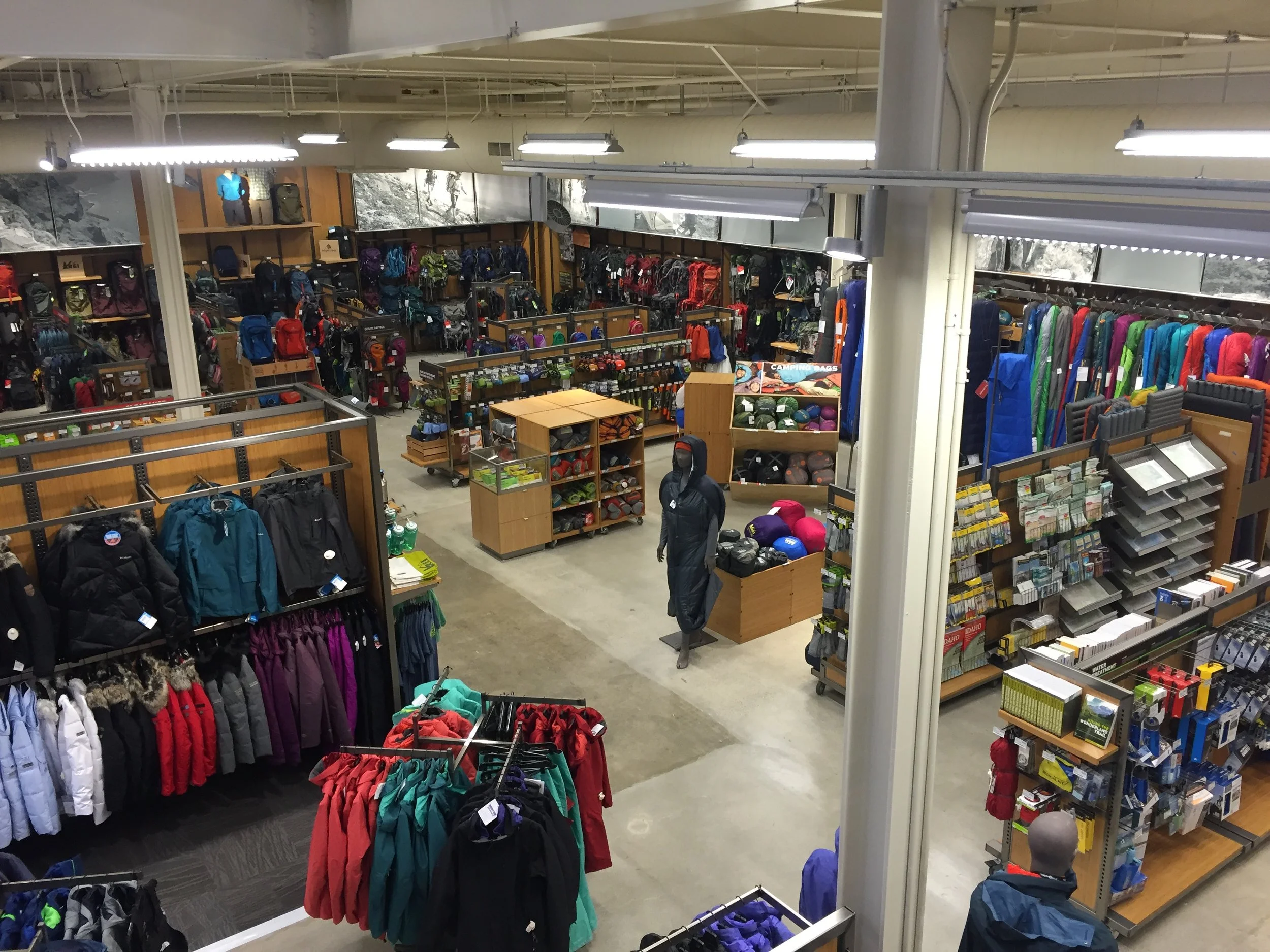
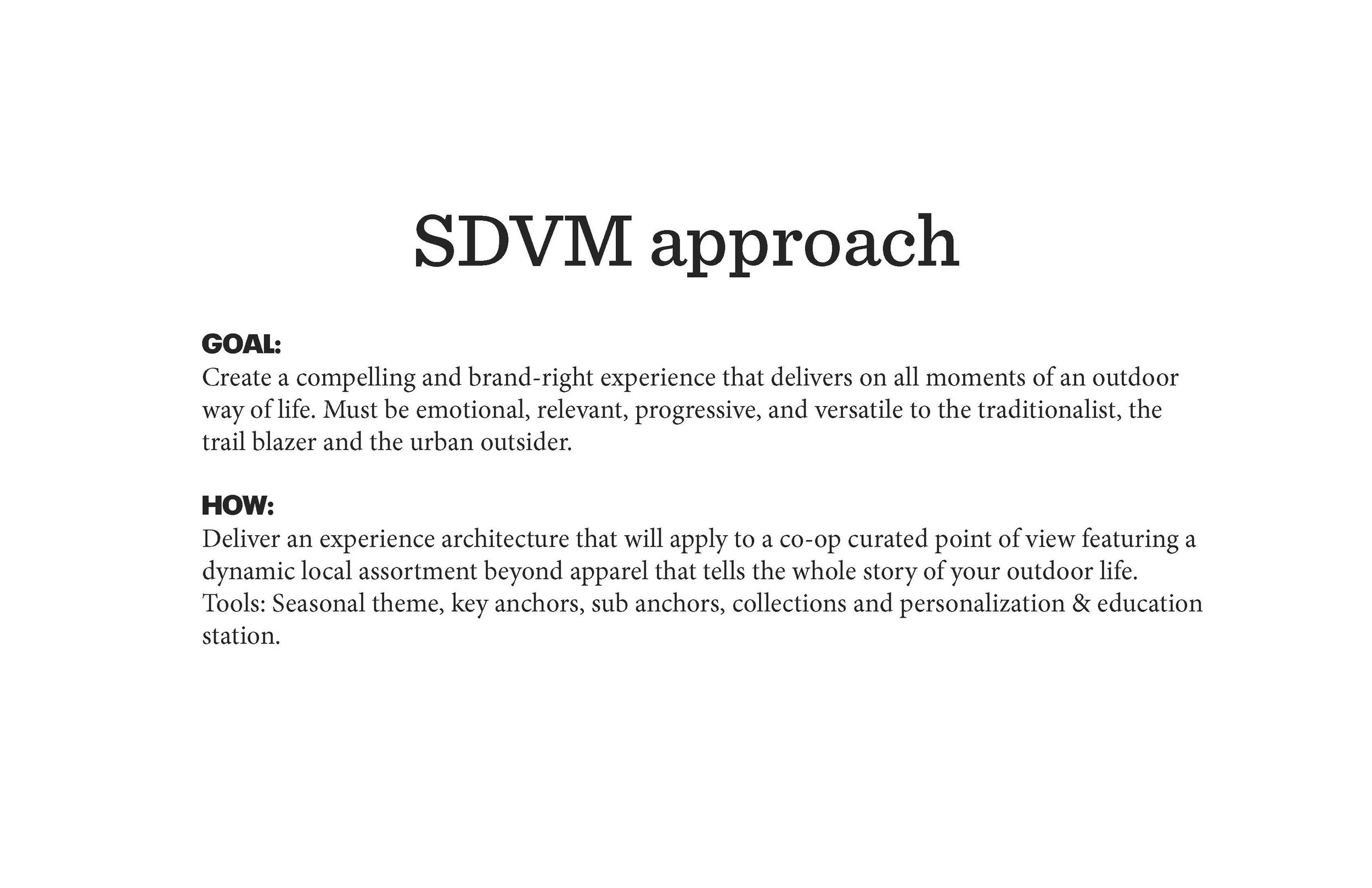
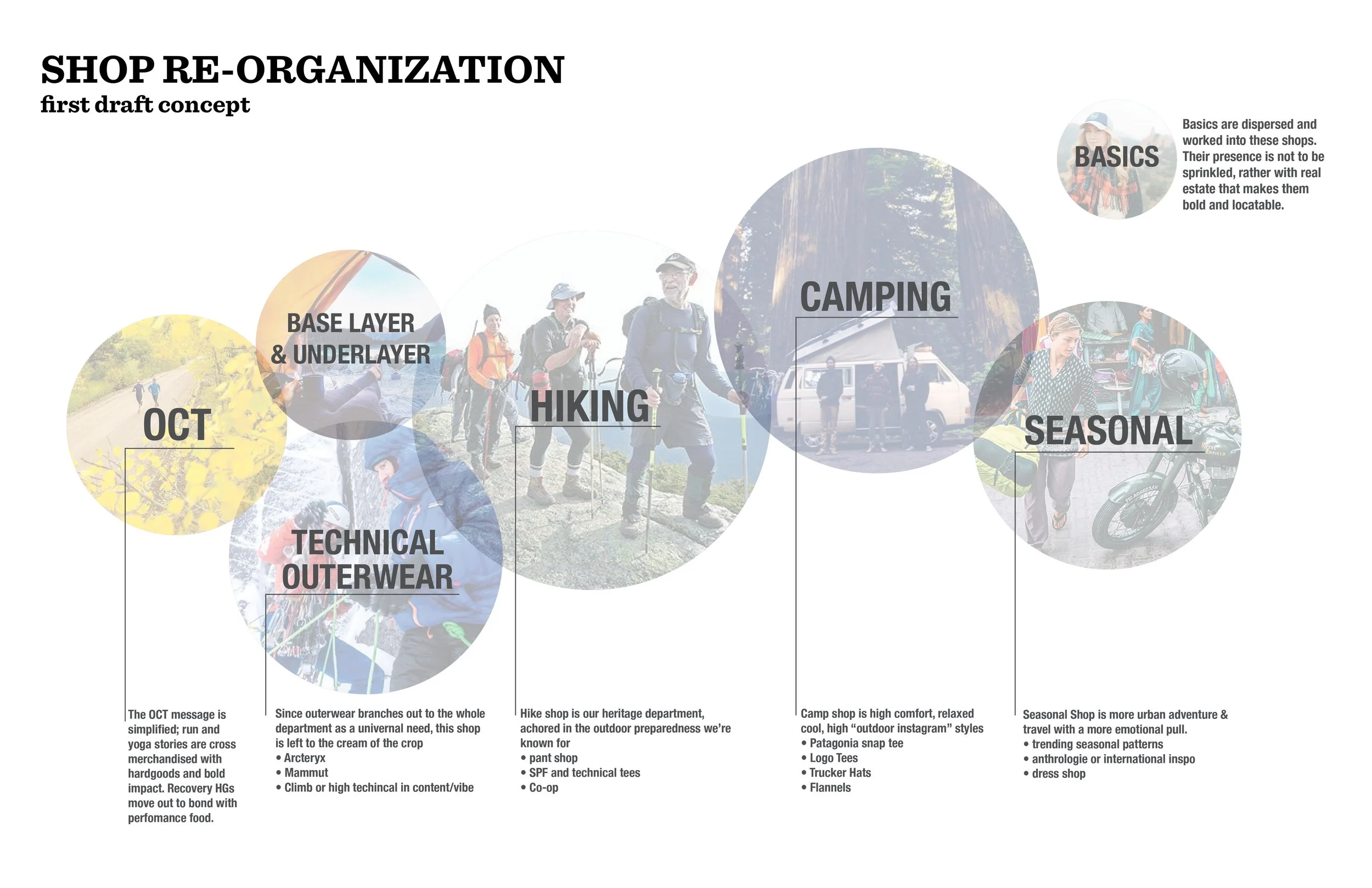
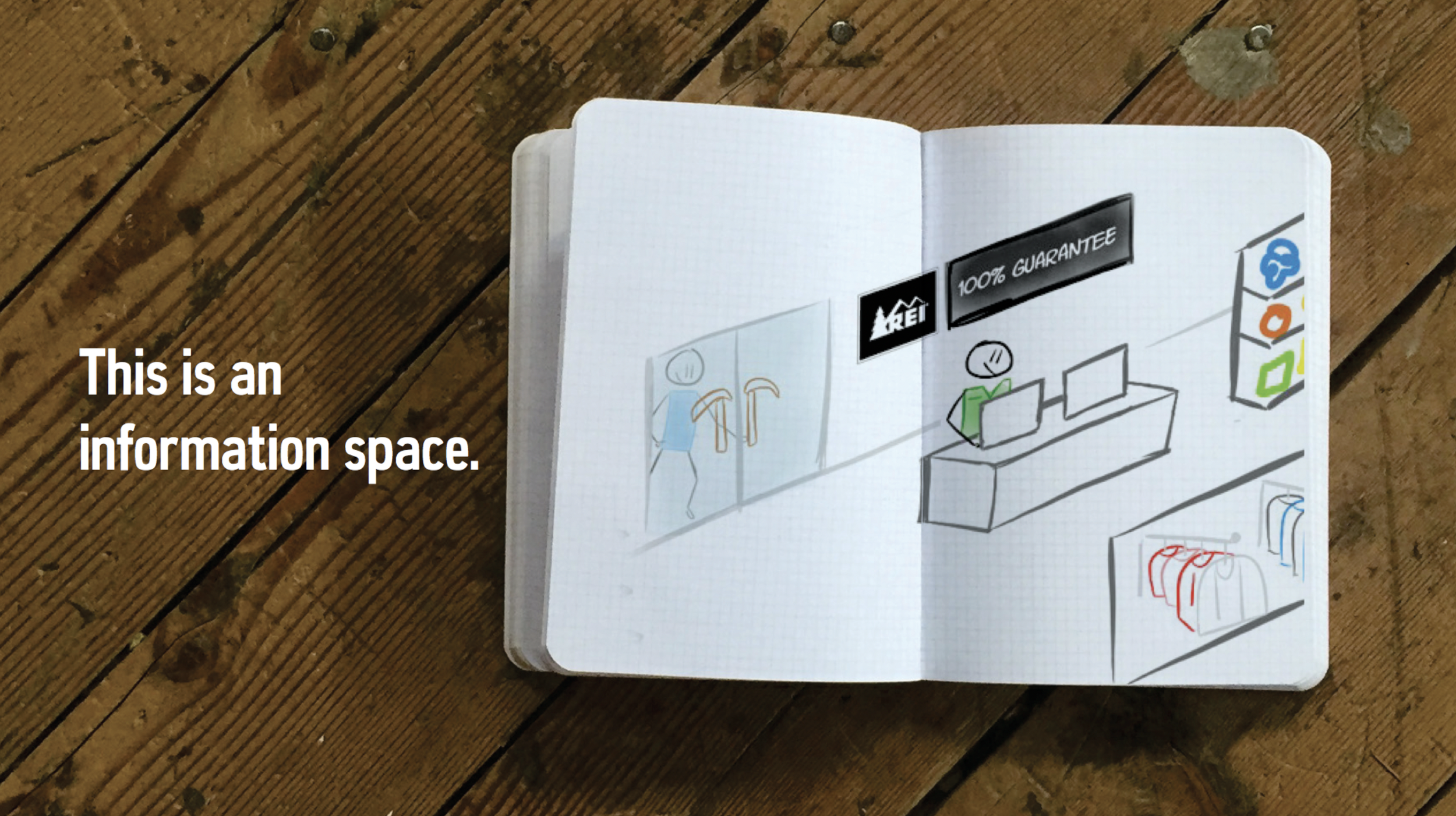
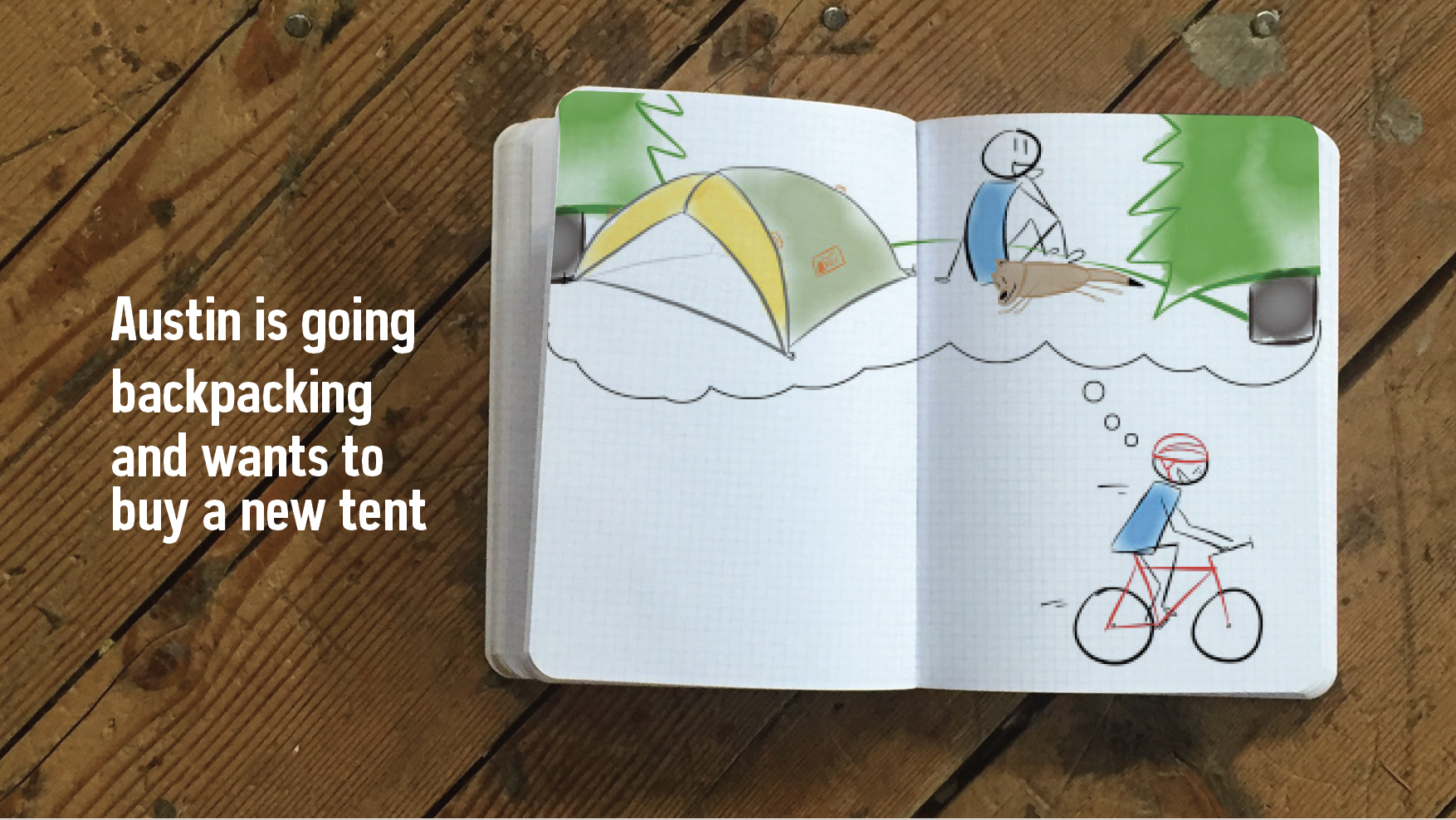
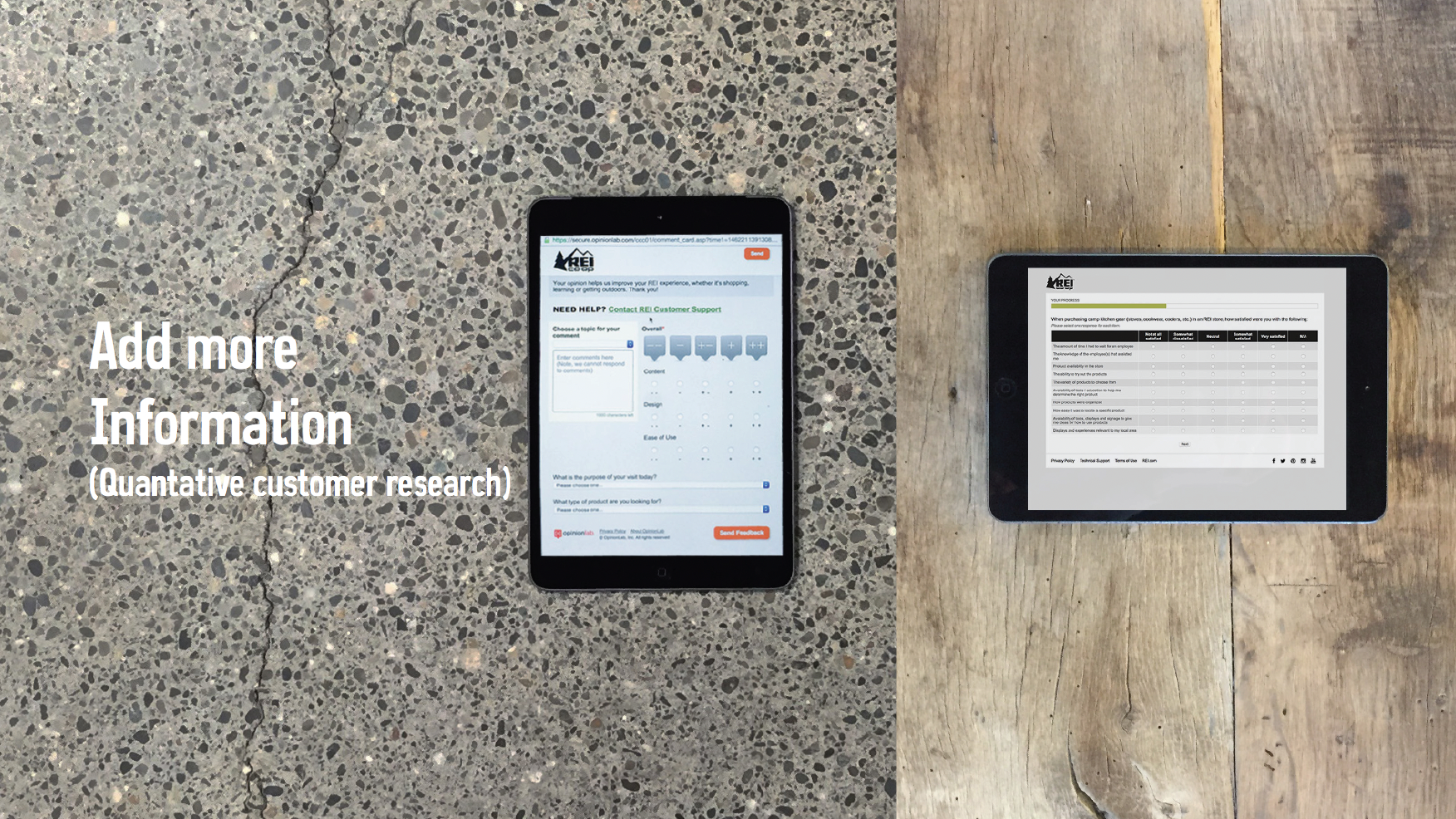
In 2016, REI set out to fundamentally reimagine how its stores organized and presented product — not around how the Co-op buys, but around how customers actually shop. The research was clear. The strategy was sound. What was needed was someone who could translate it into physical reality.
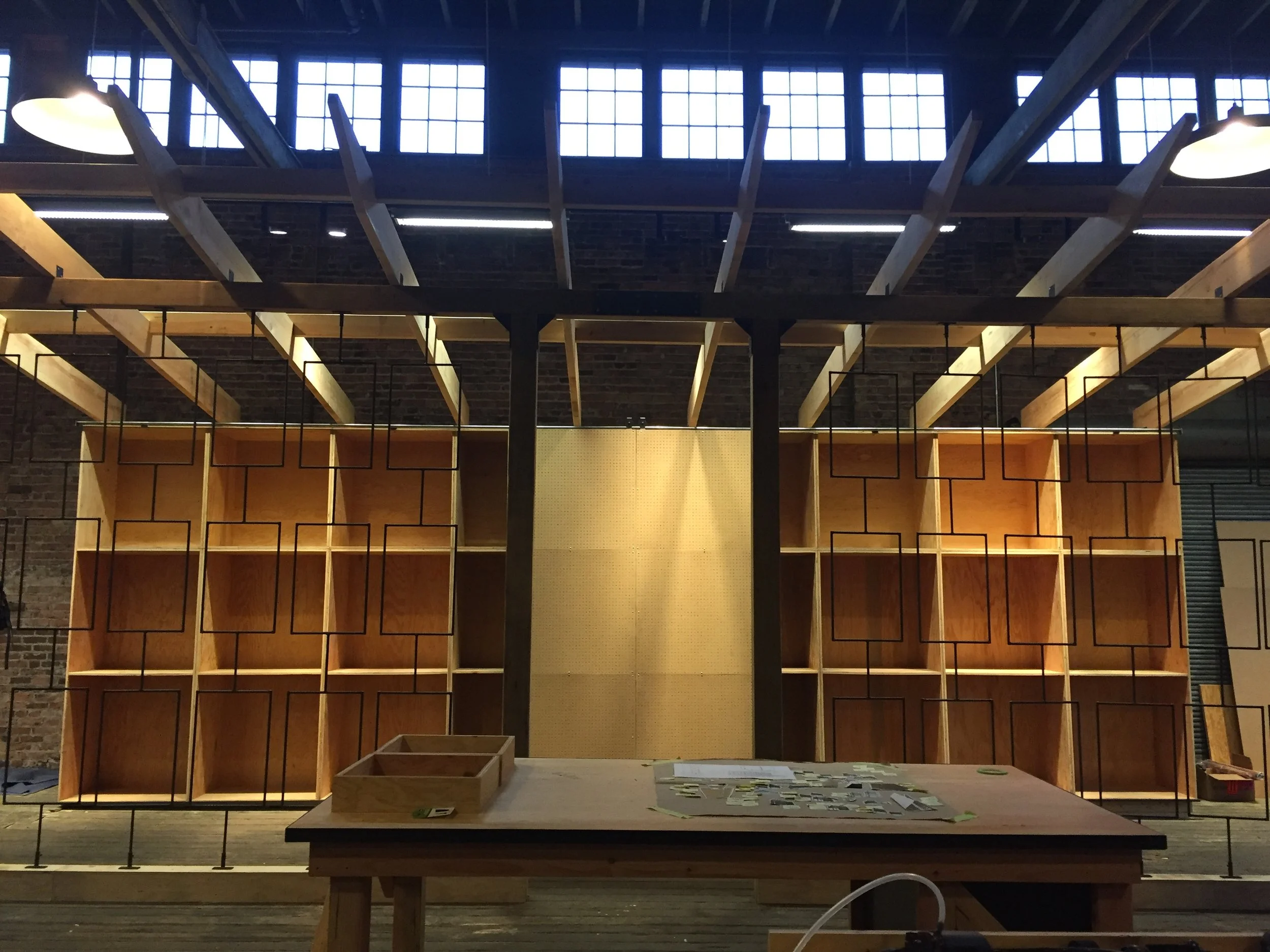
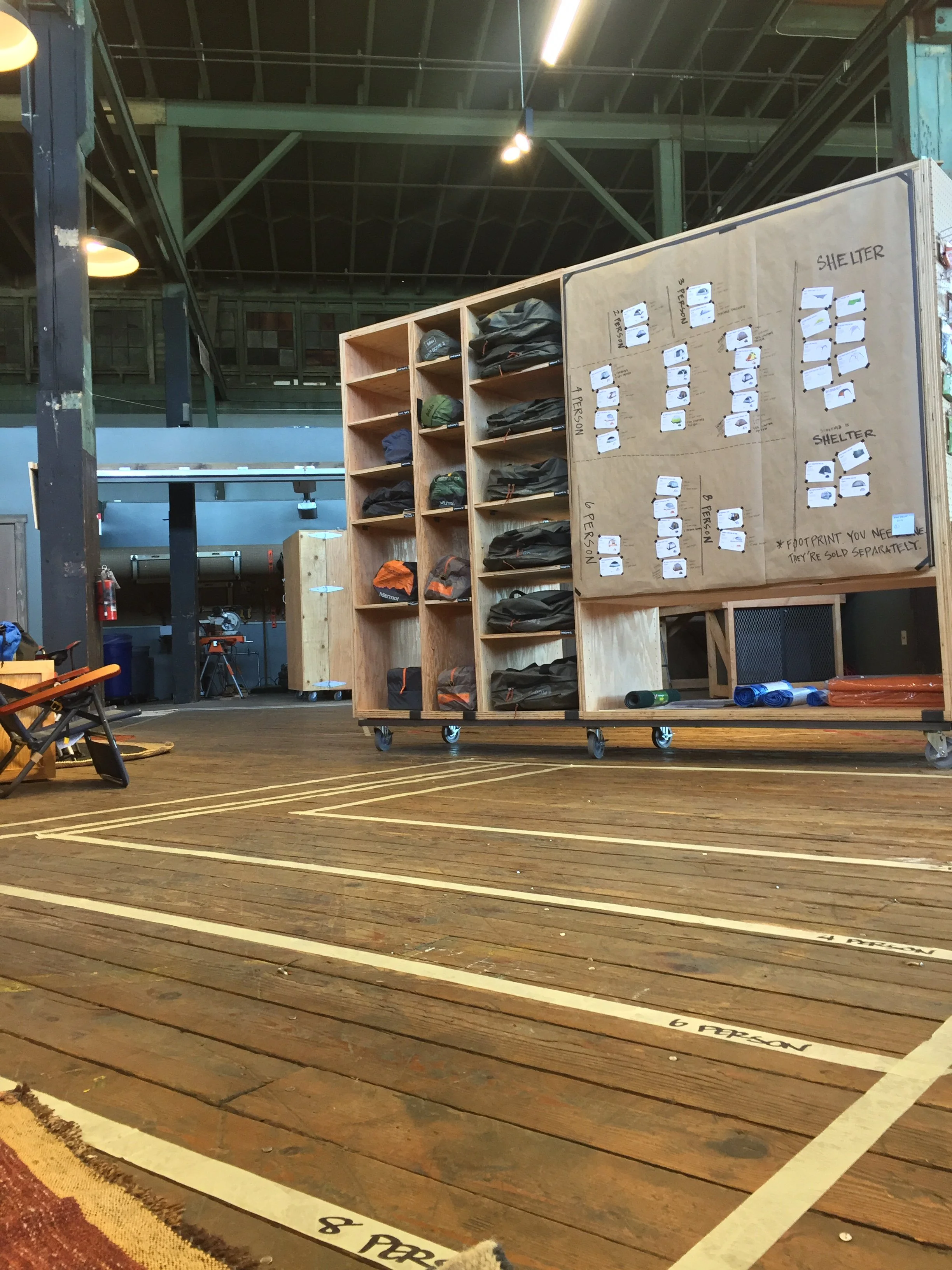
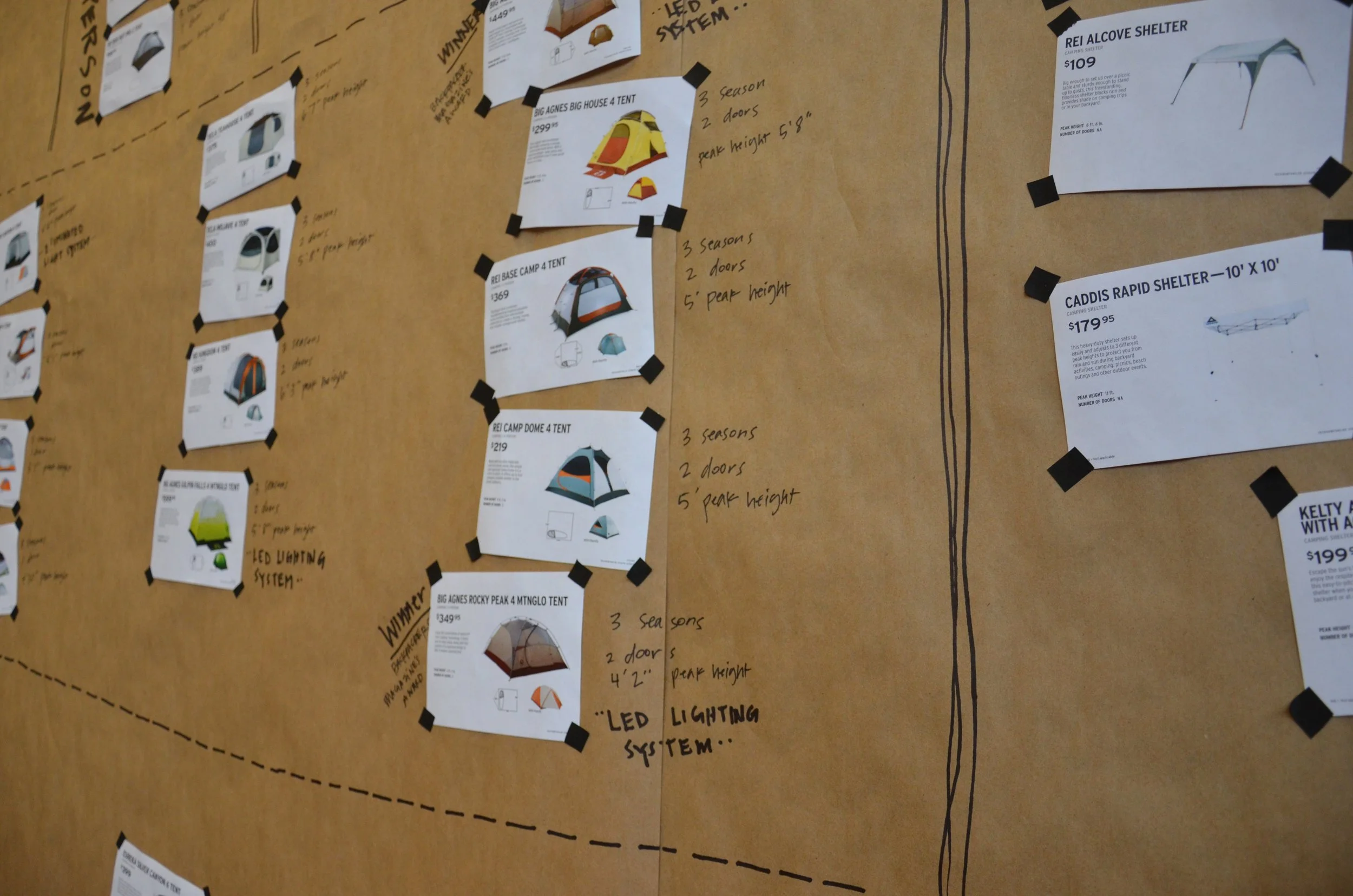
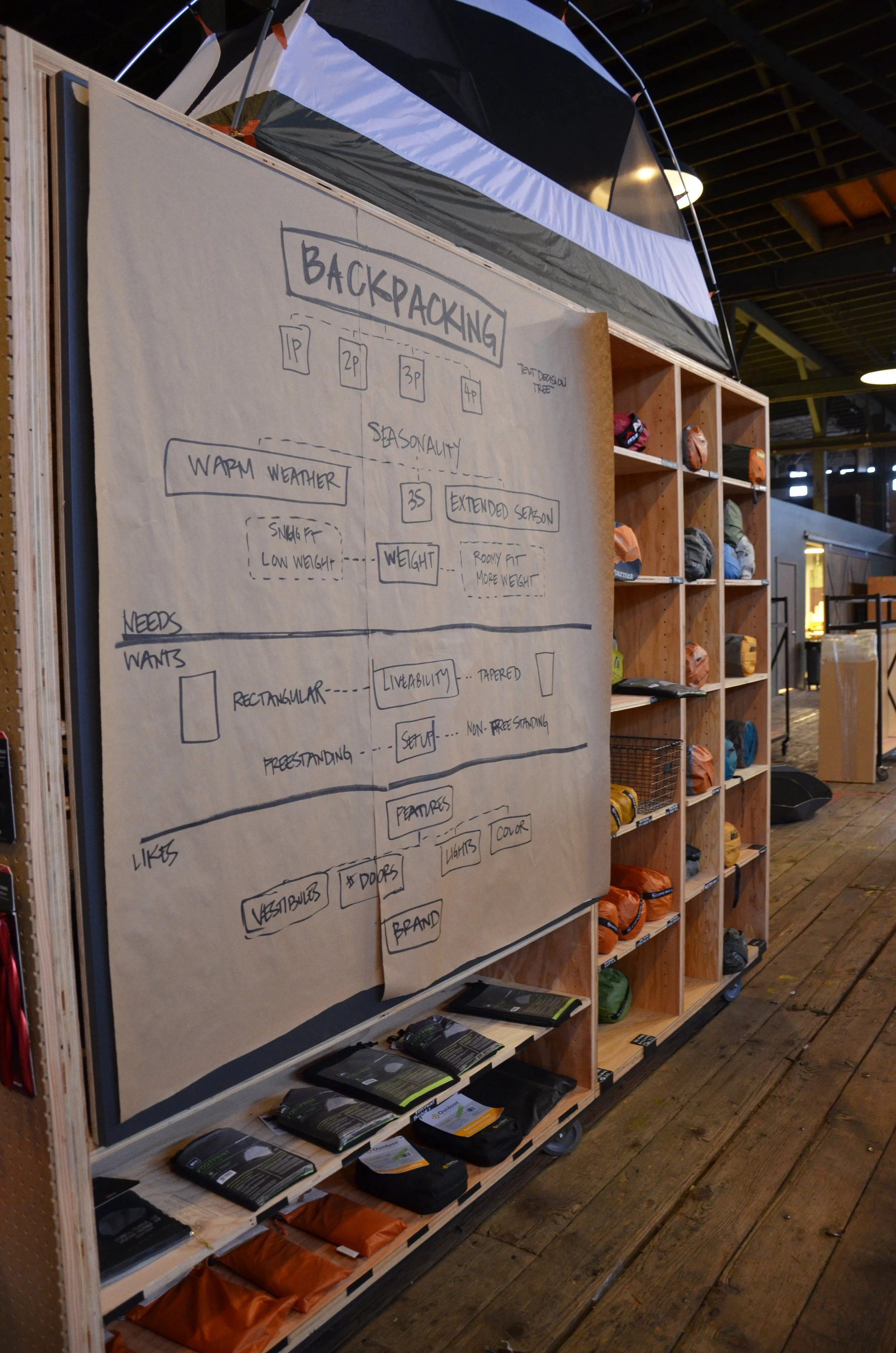
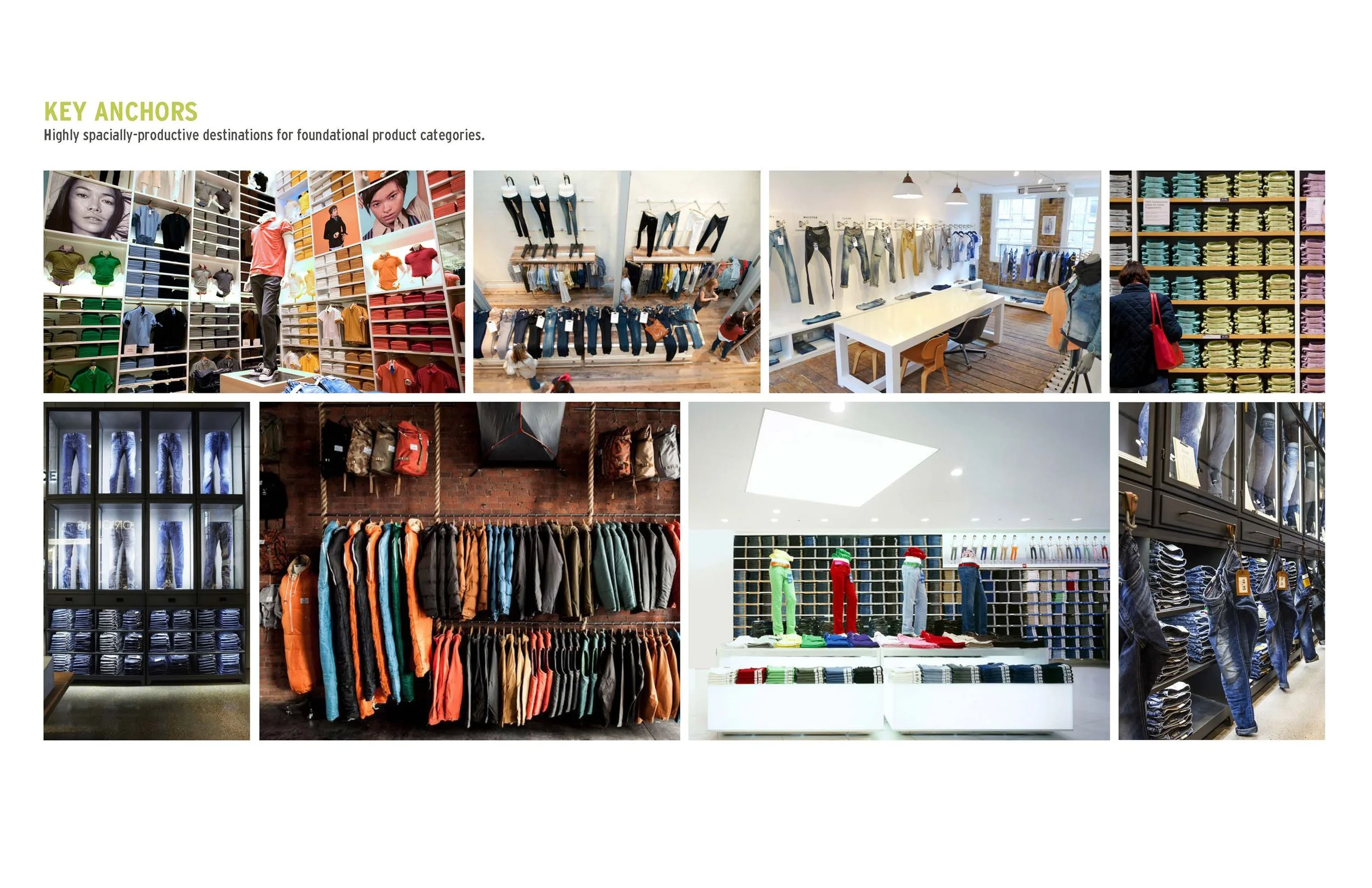
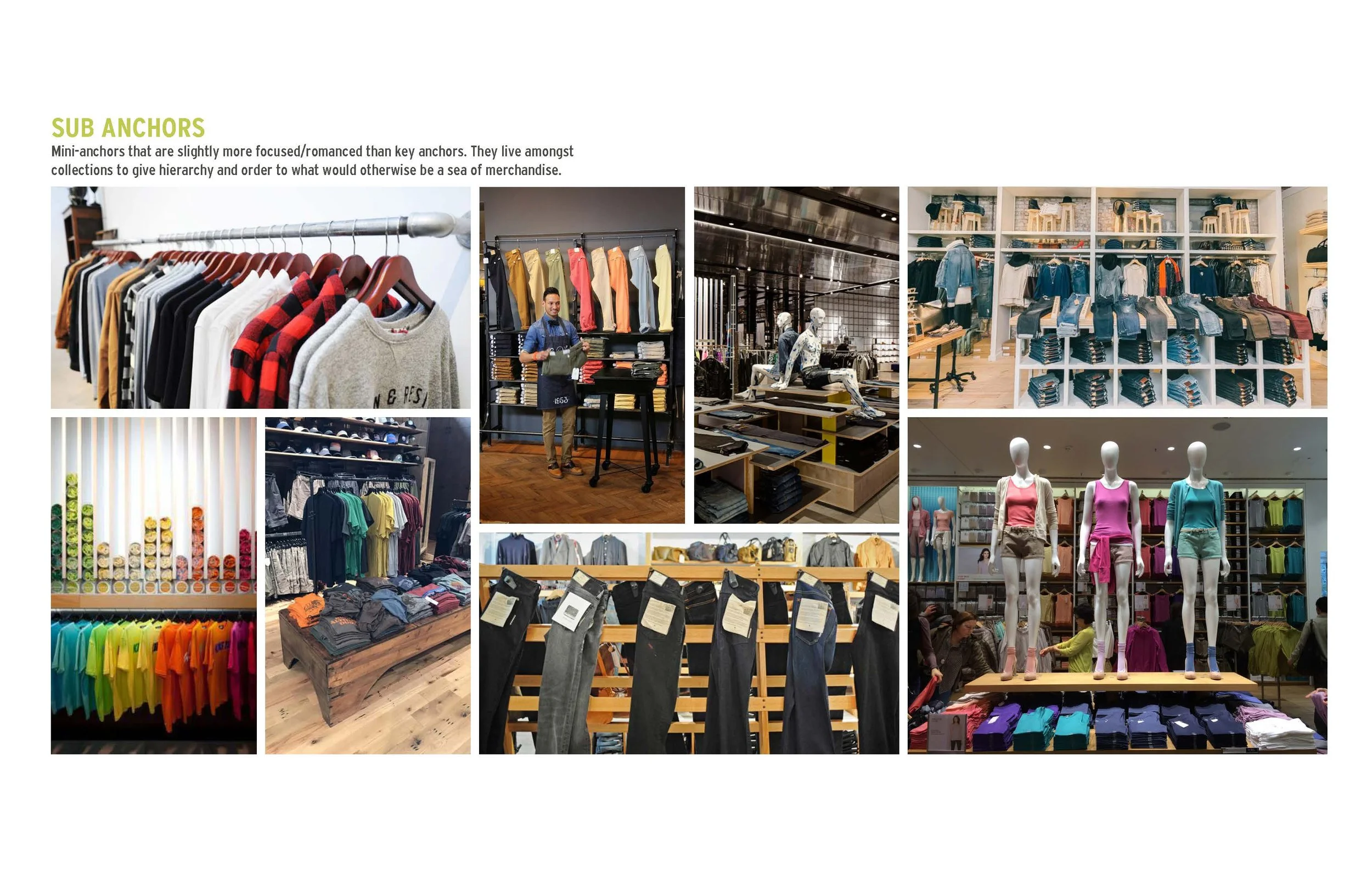
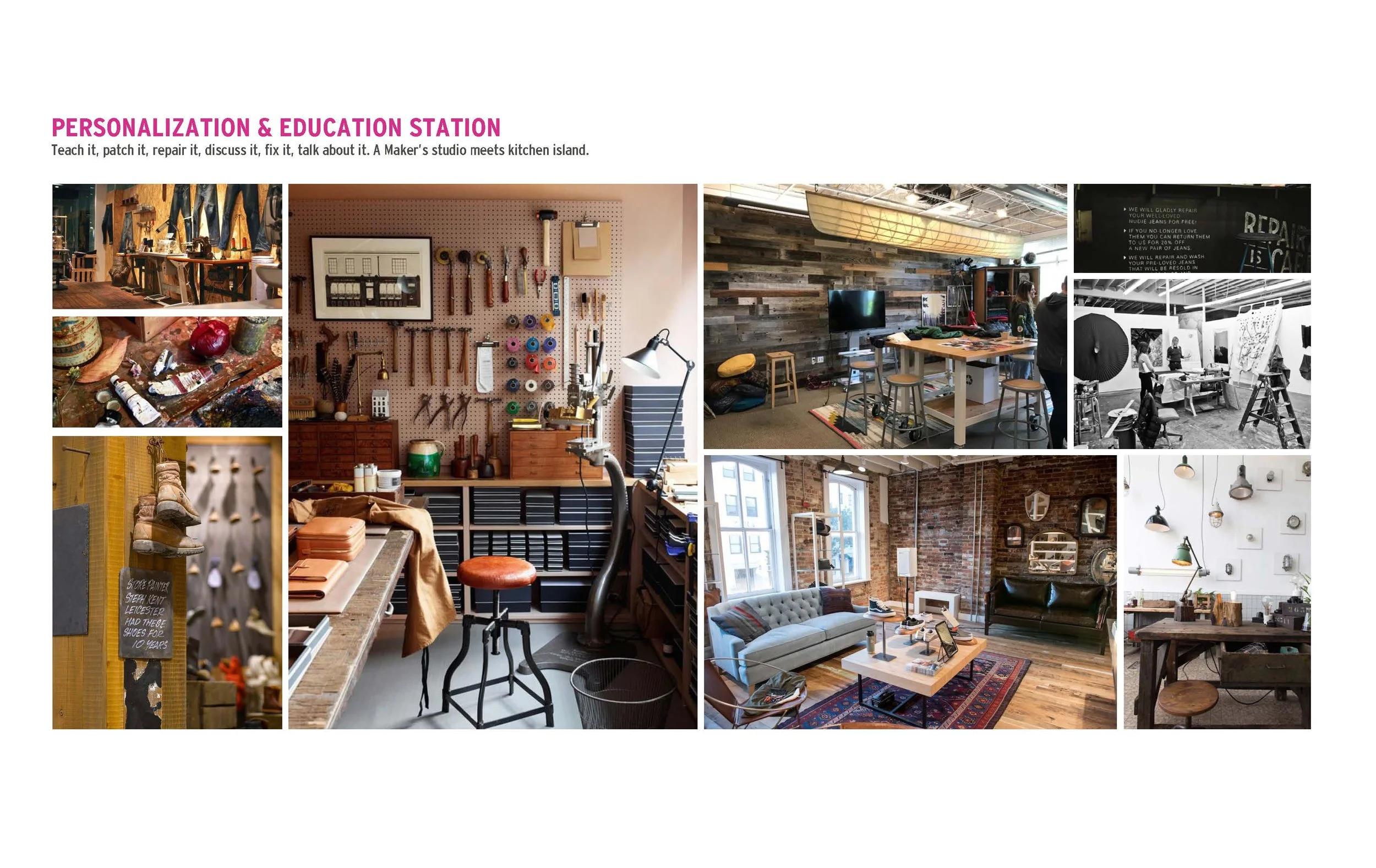
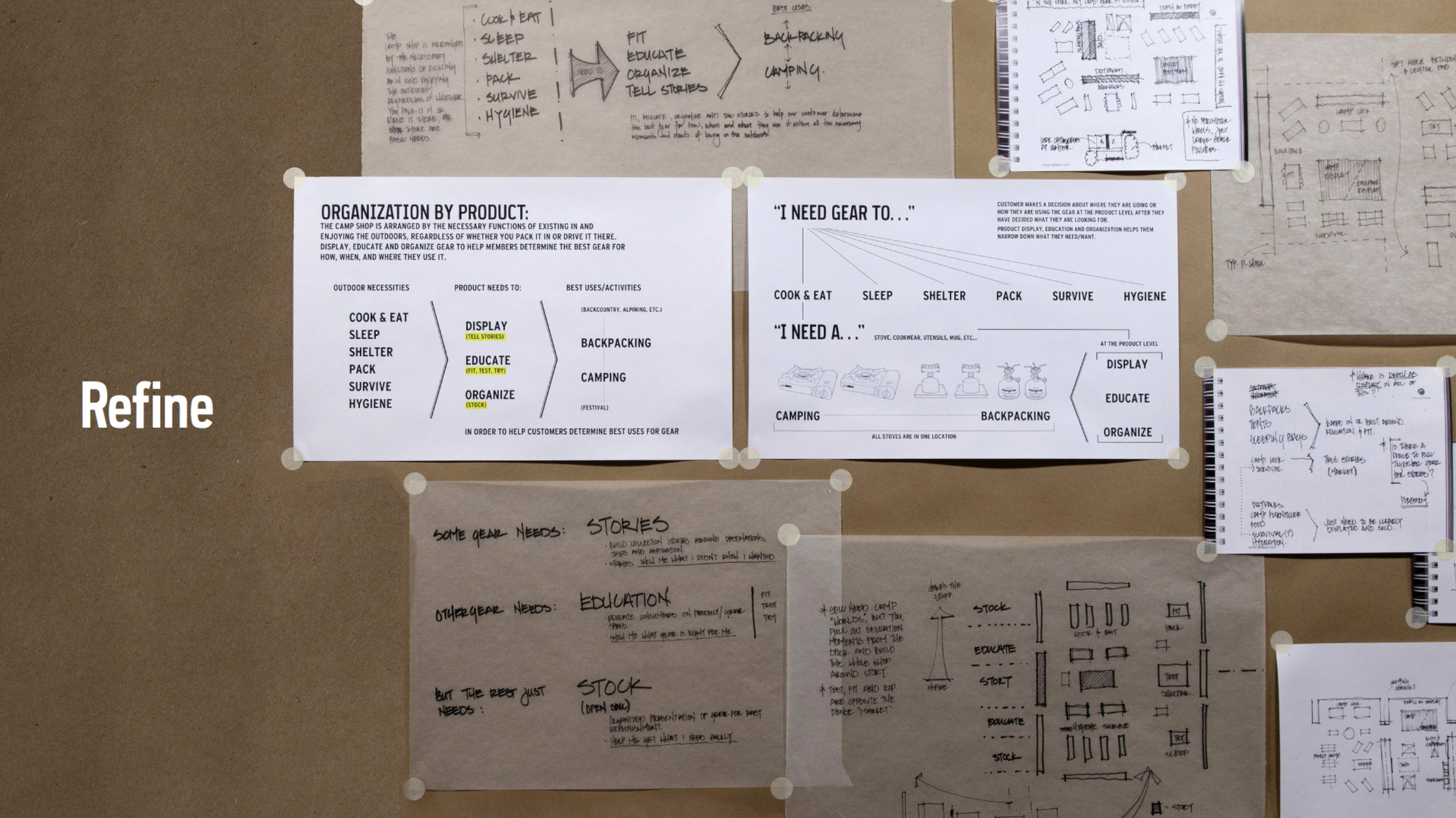
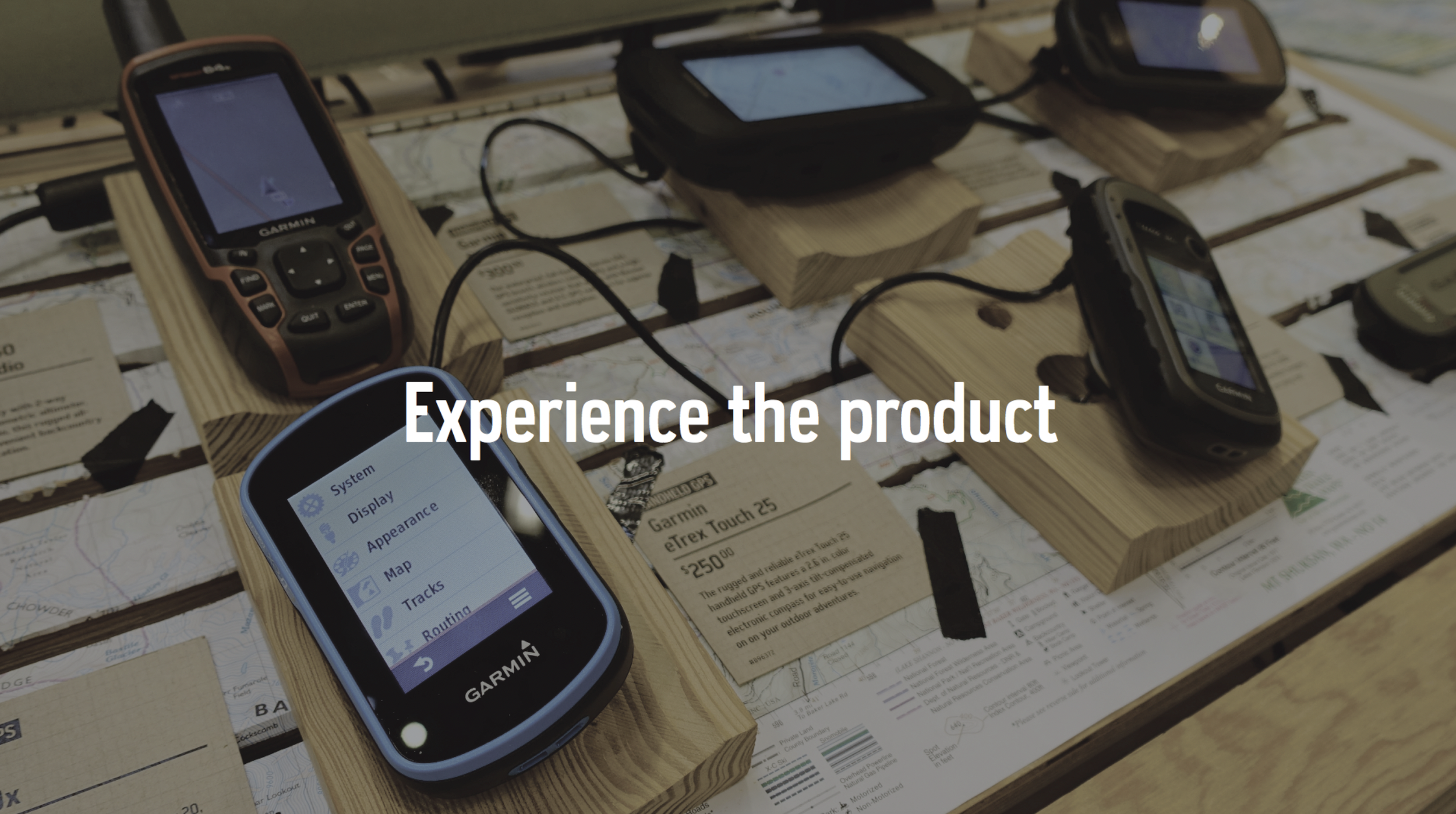
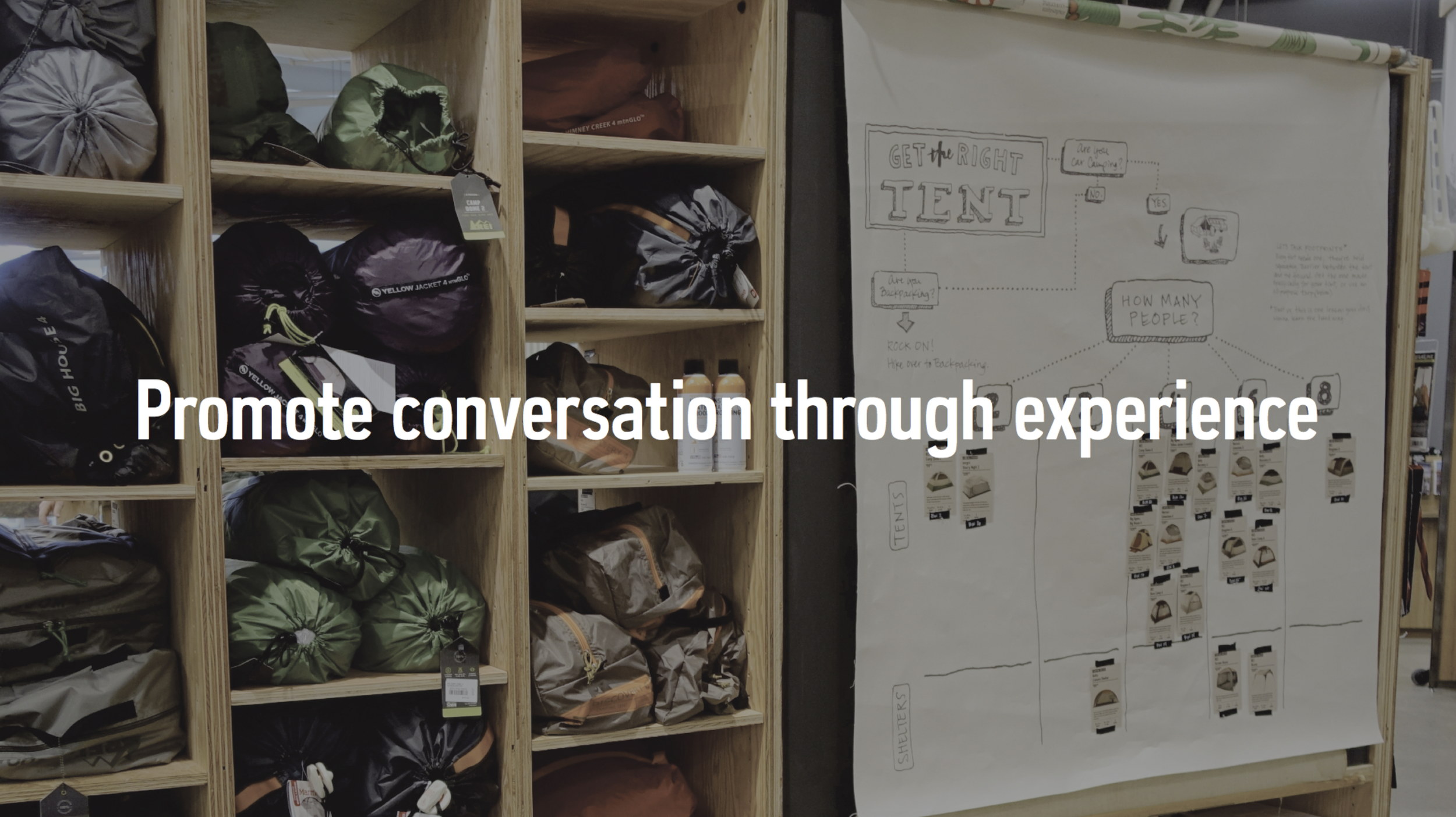
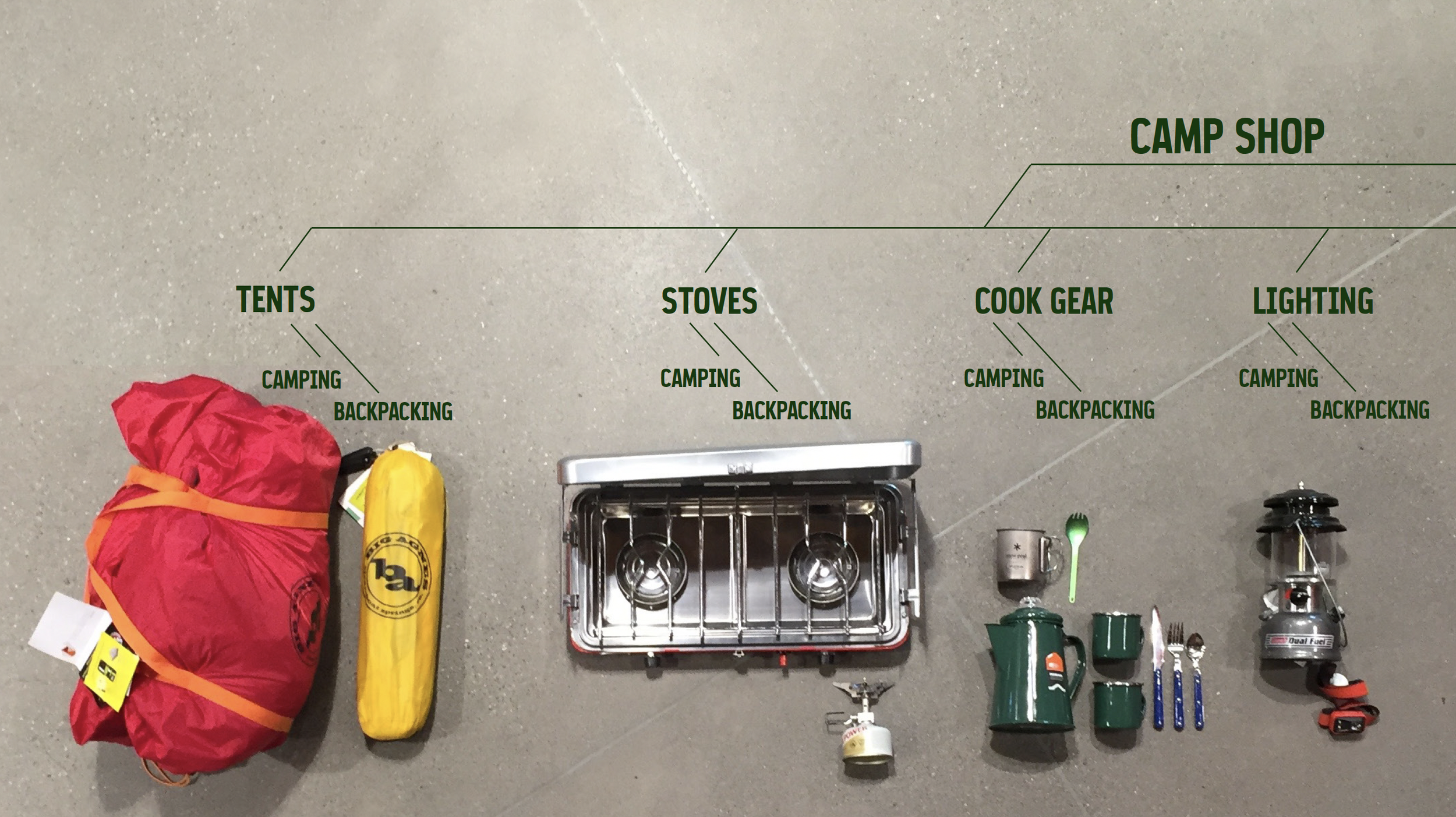
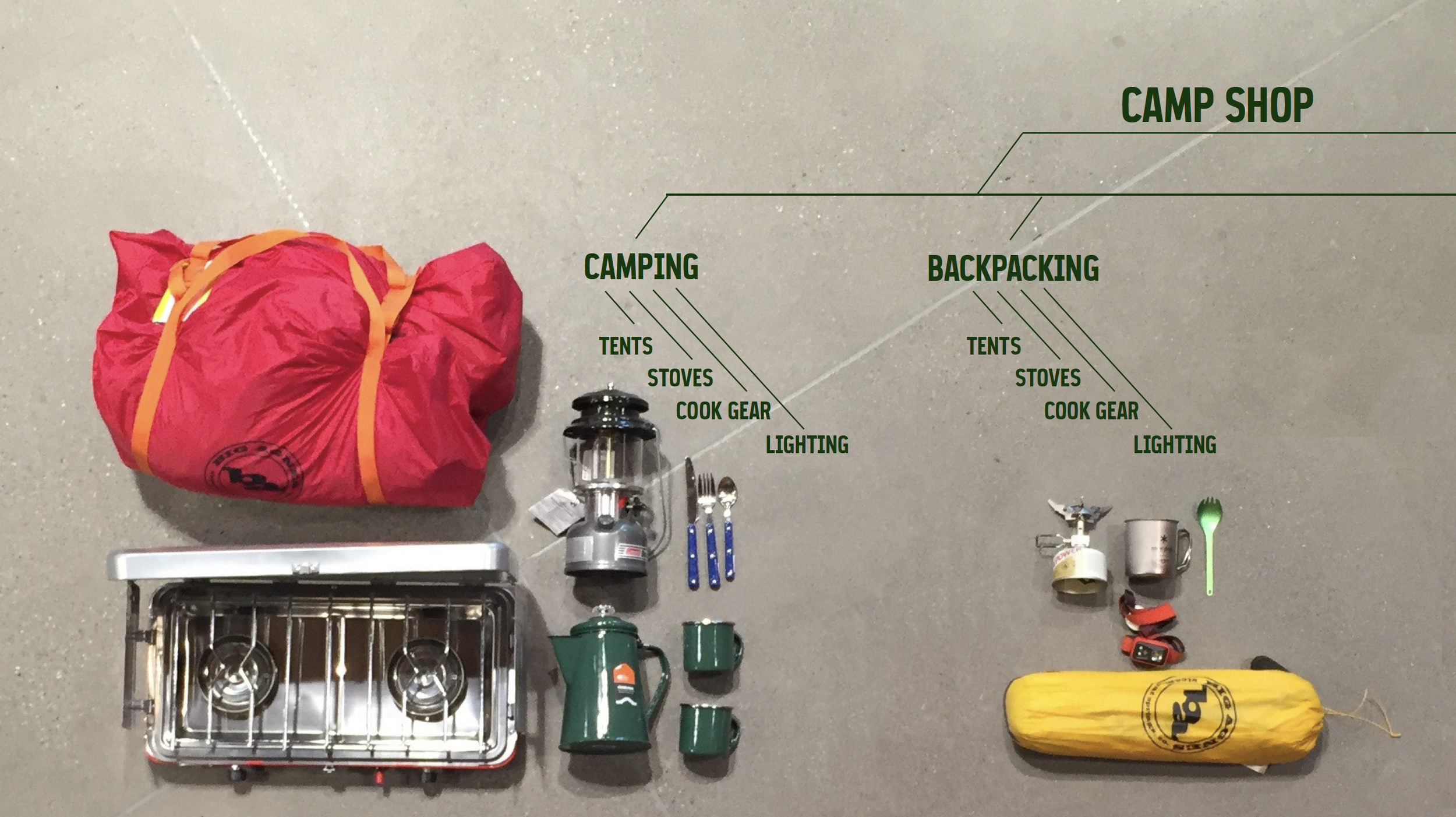
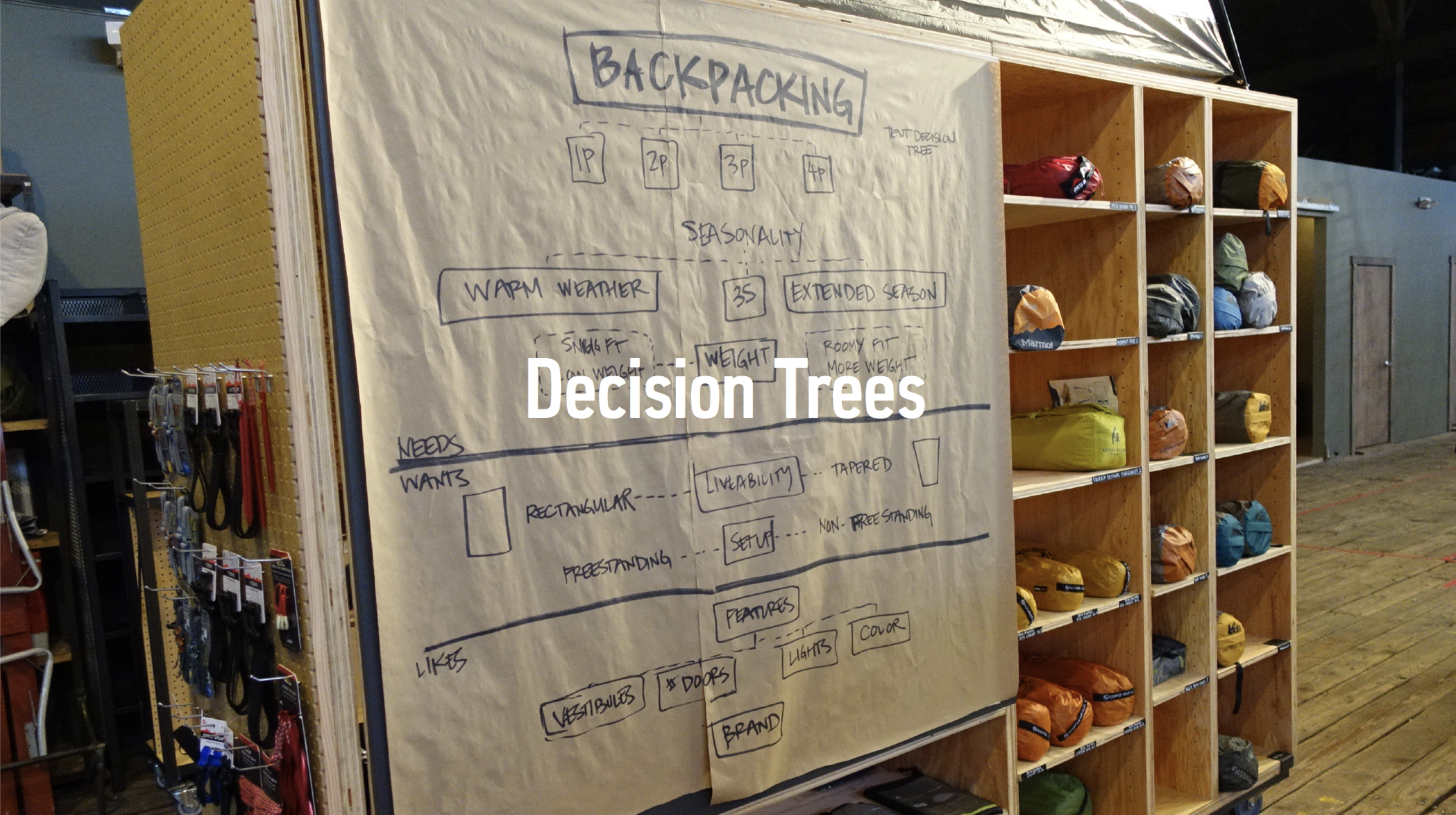
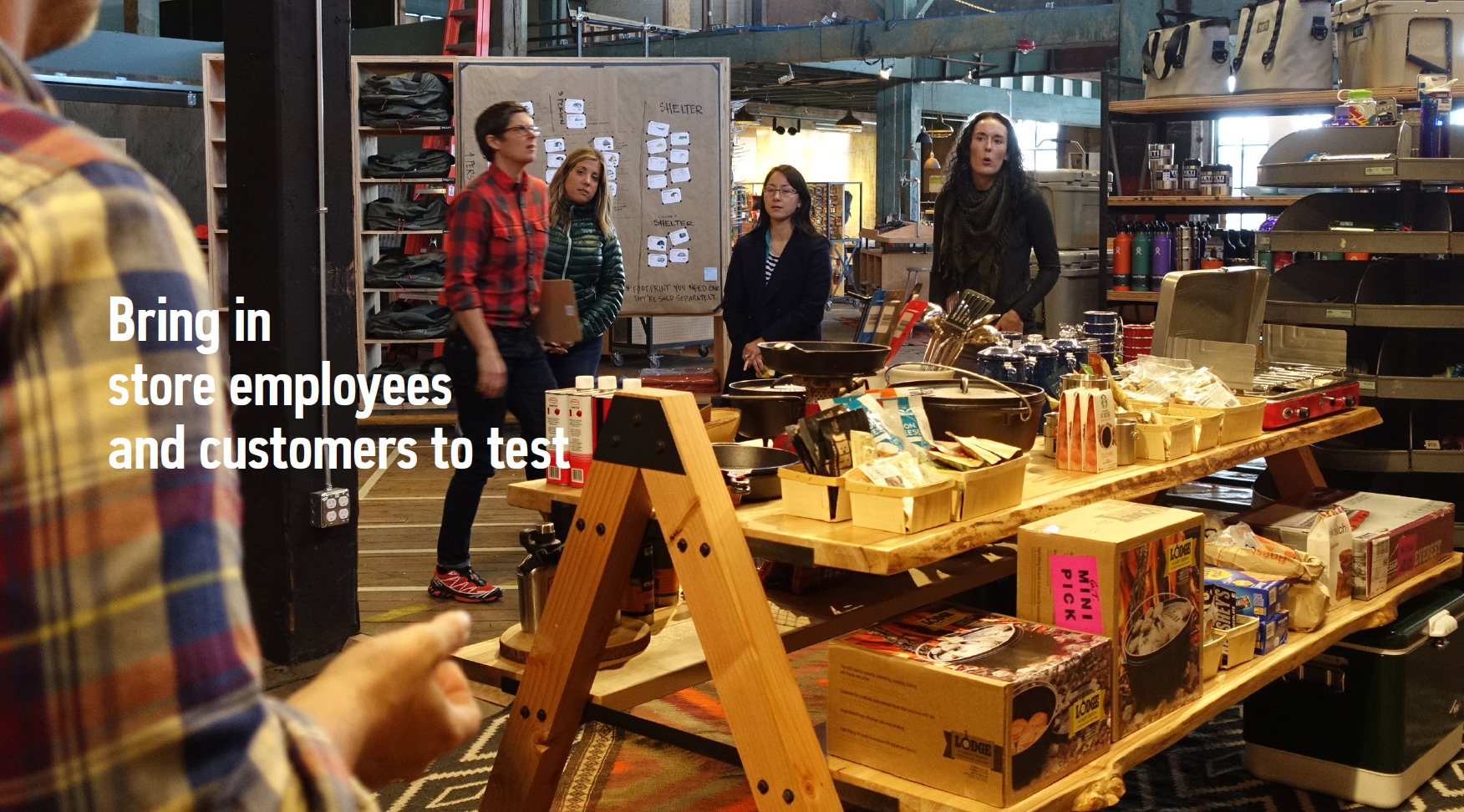
Working with CX researchers, leadership and outside consultants, I led the manifestation of that strategy in space — turning customer insights and design thinking into a new store experience that used product as both inspiration and wayfinding, layered in self-navigated education as a brand differentiator, and made every category feel like it was curated for the person standing in front of it, not the merchant who bought it.
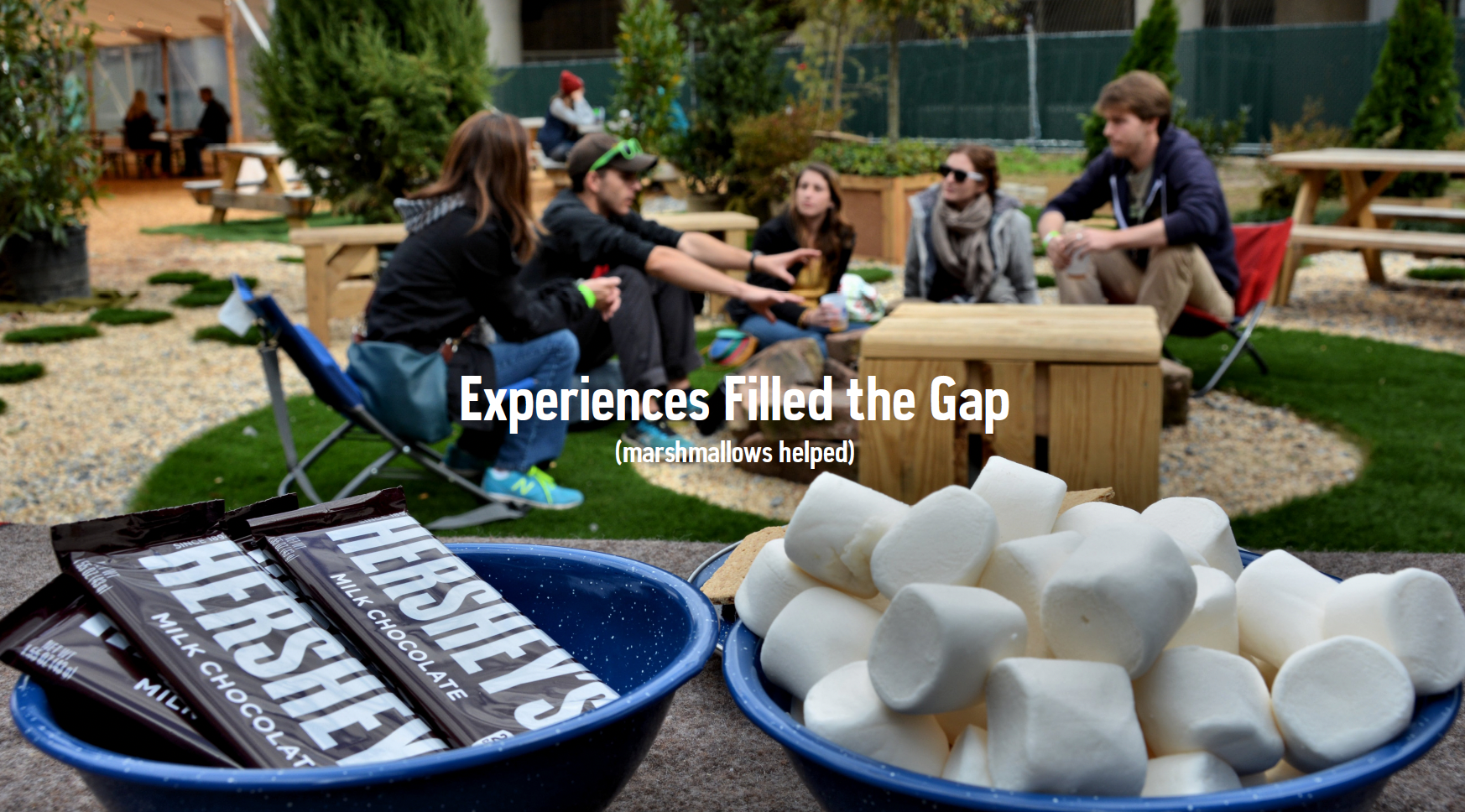
The scientific proof of starting with the customer over and over is that it provides everything you need. A prototype in Olympia paid for itself in three months. It became the foundation for REI's Evolution store portfolio — including the Washington D.C. flagship.
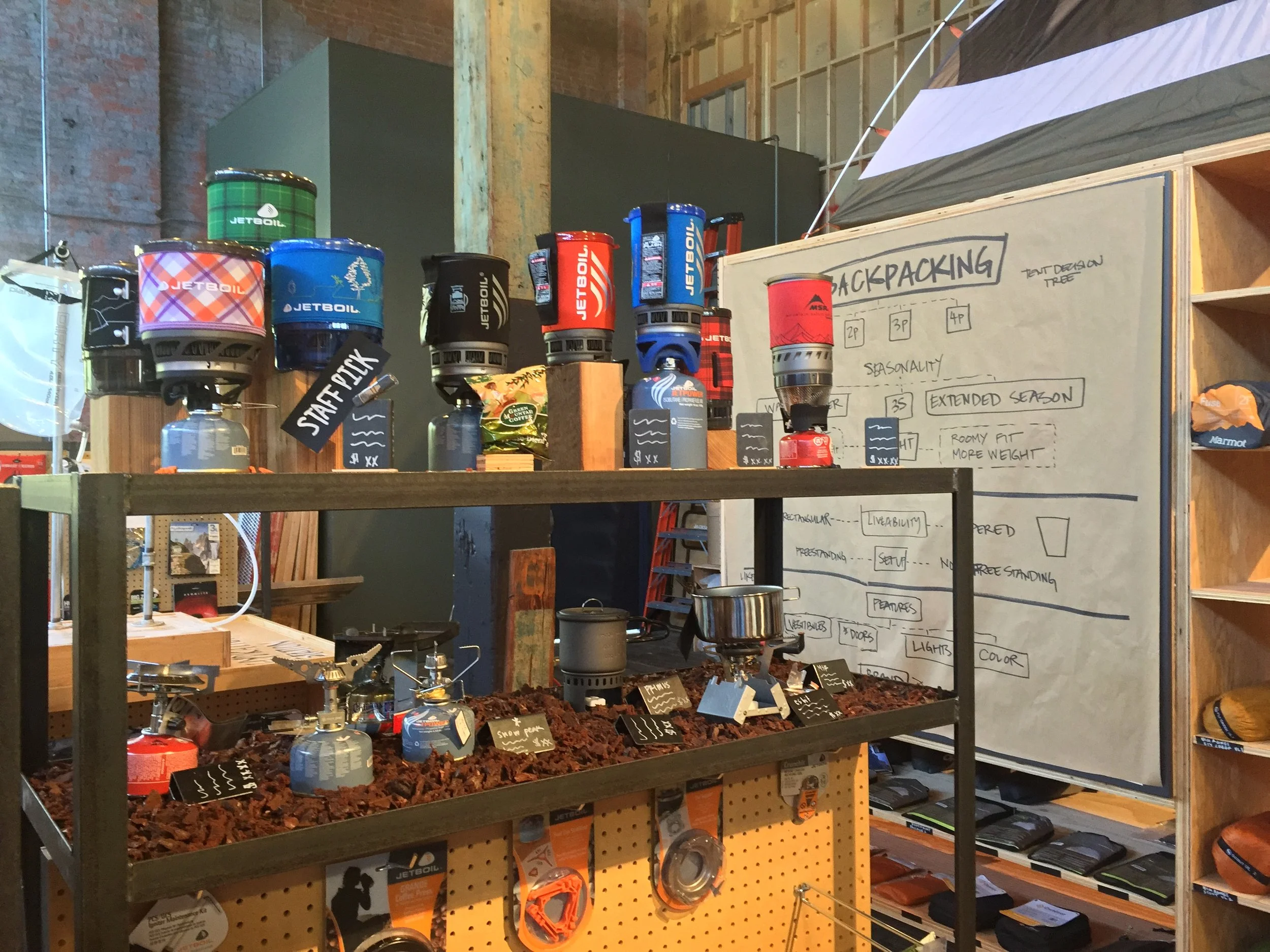
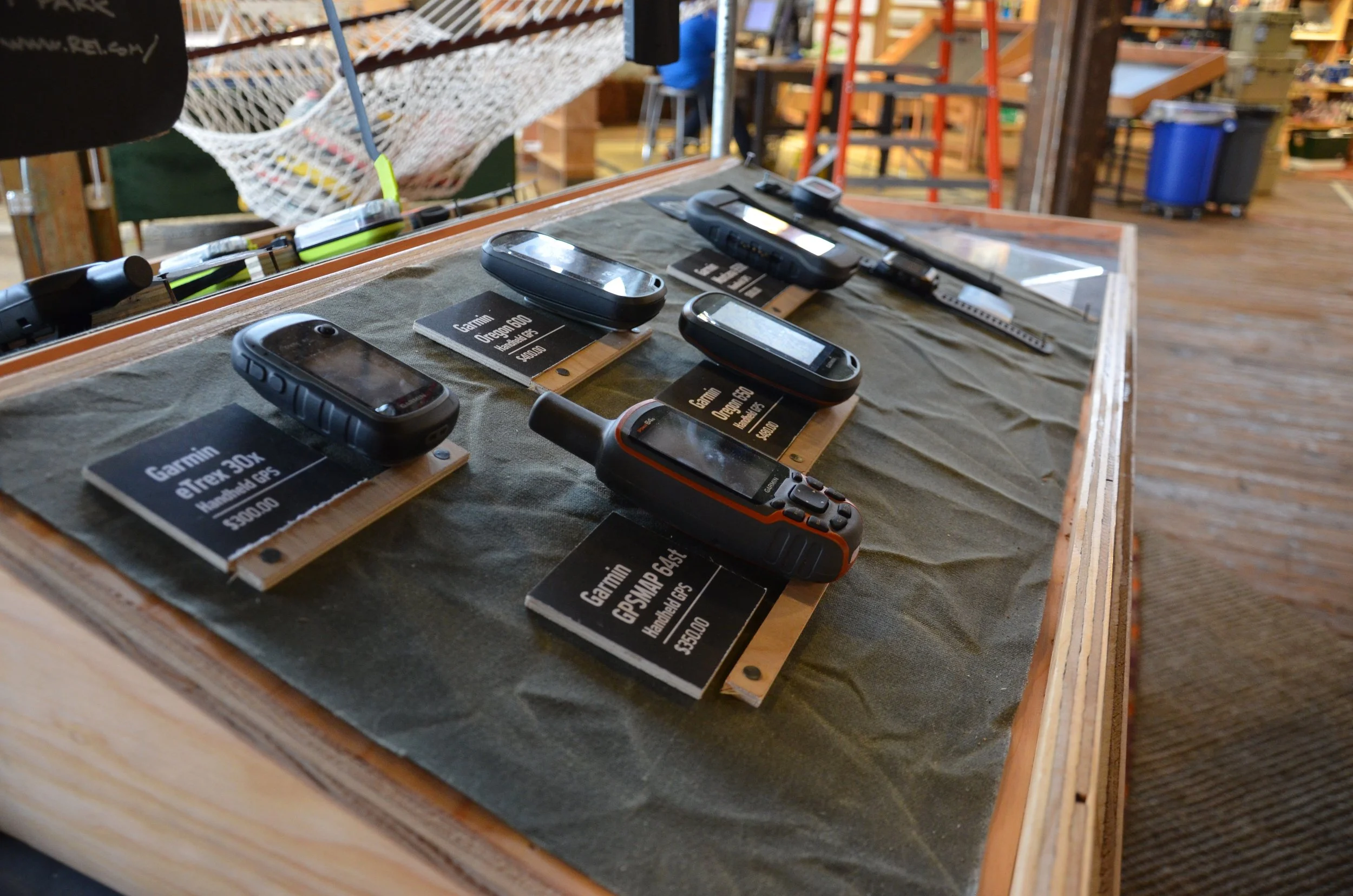
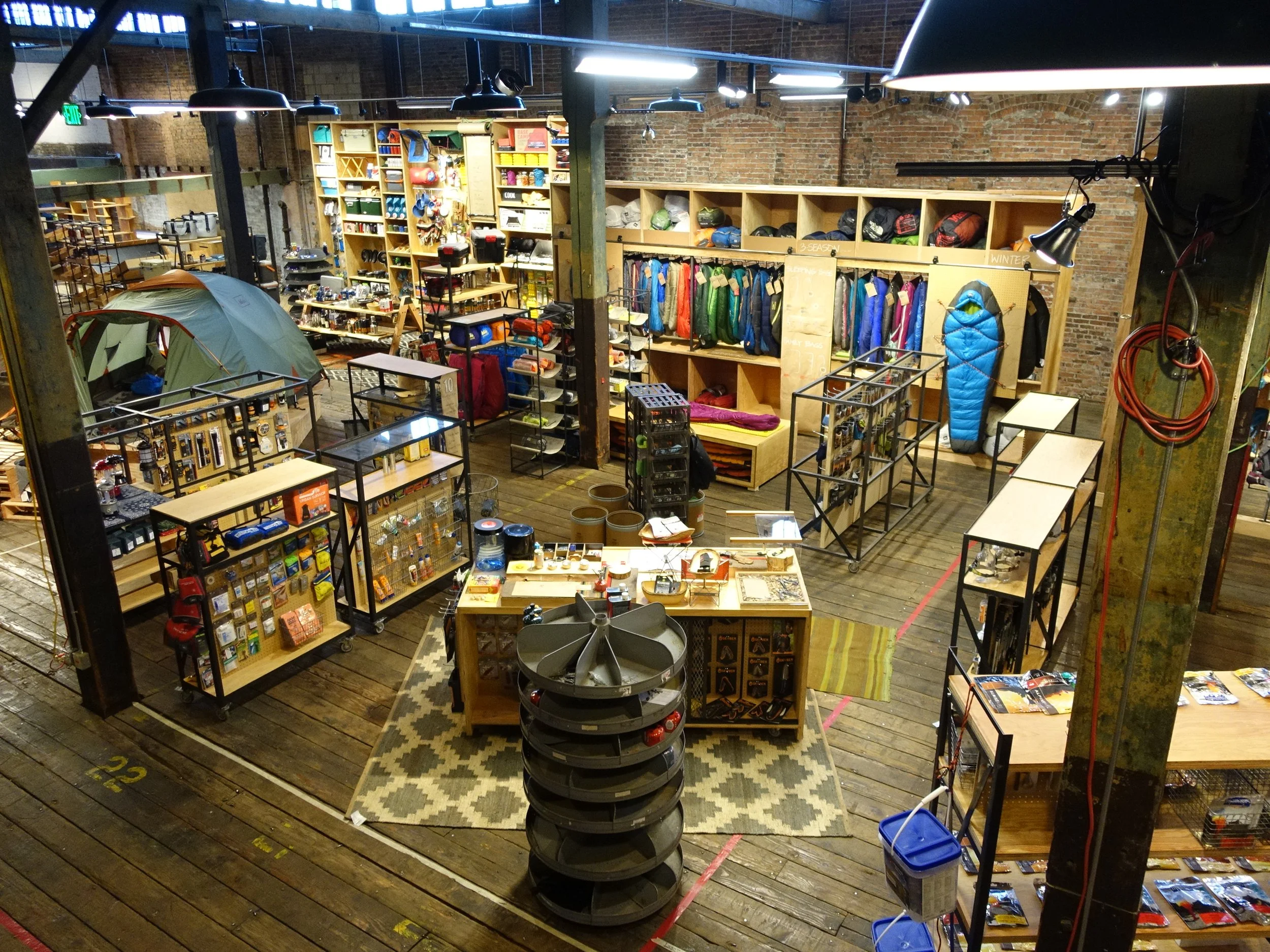
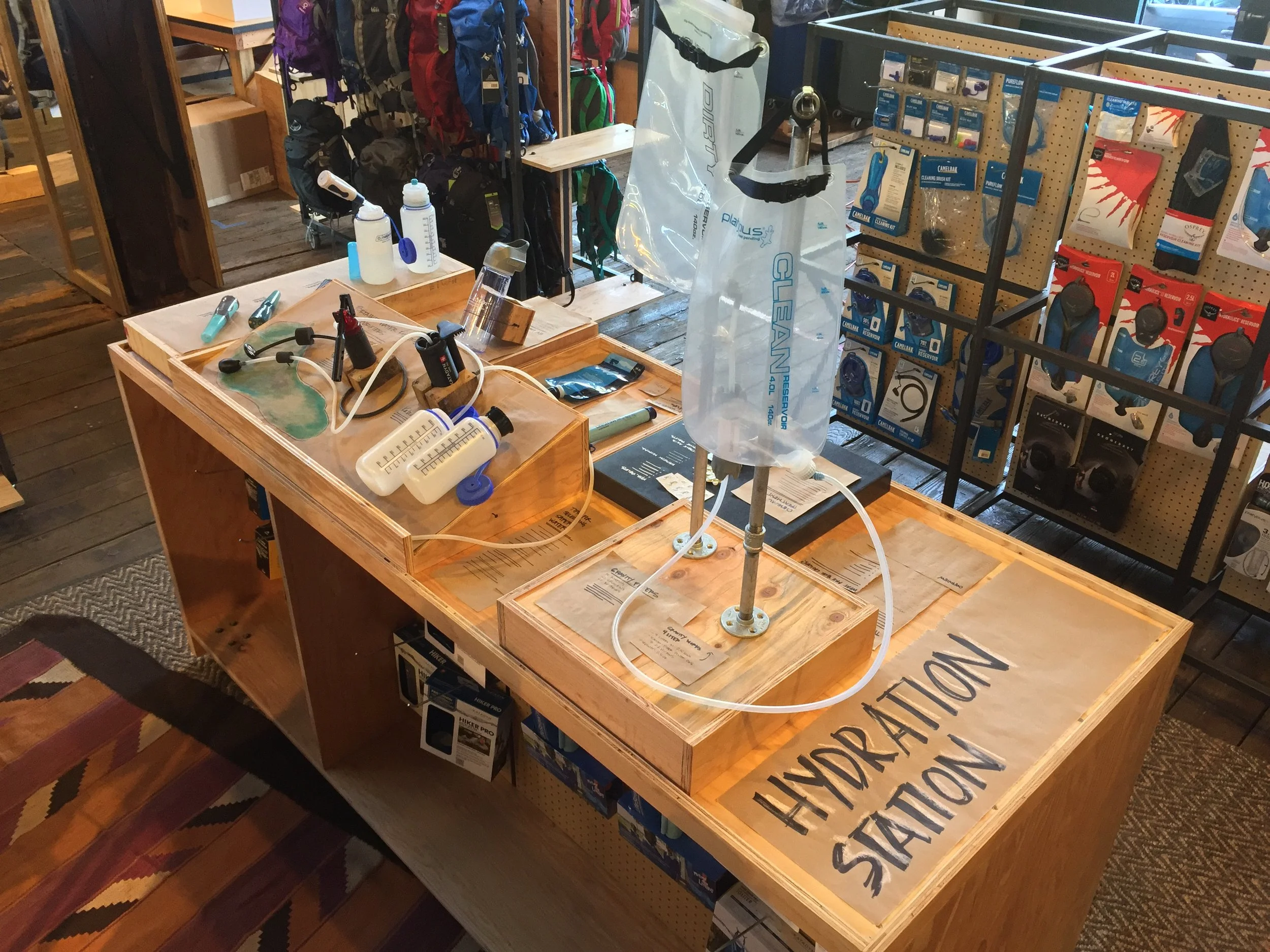
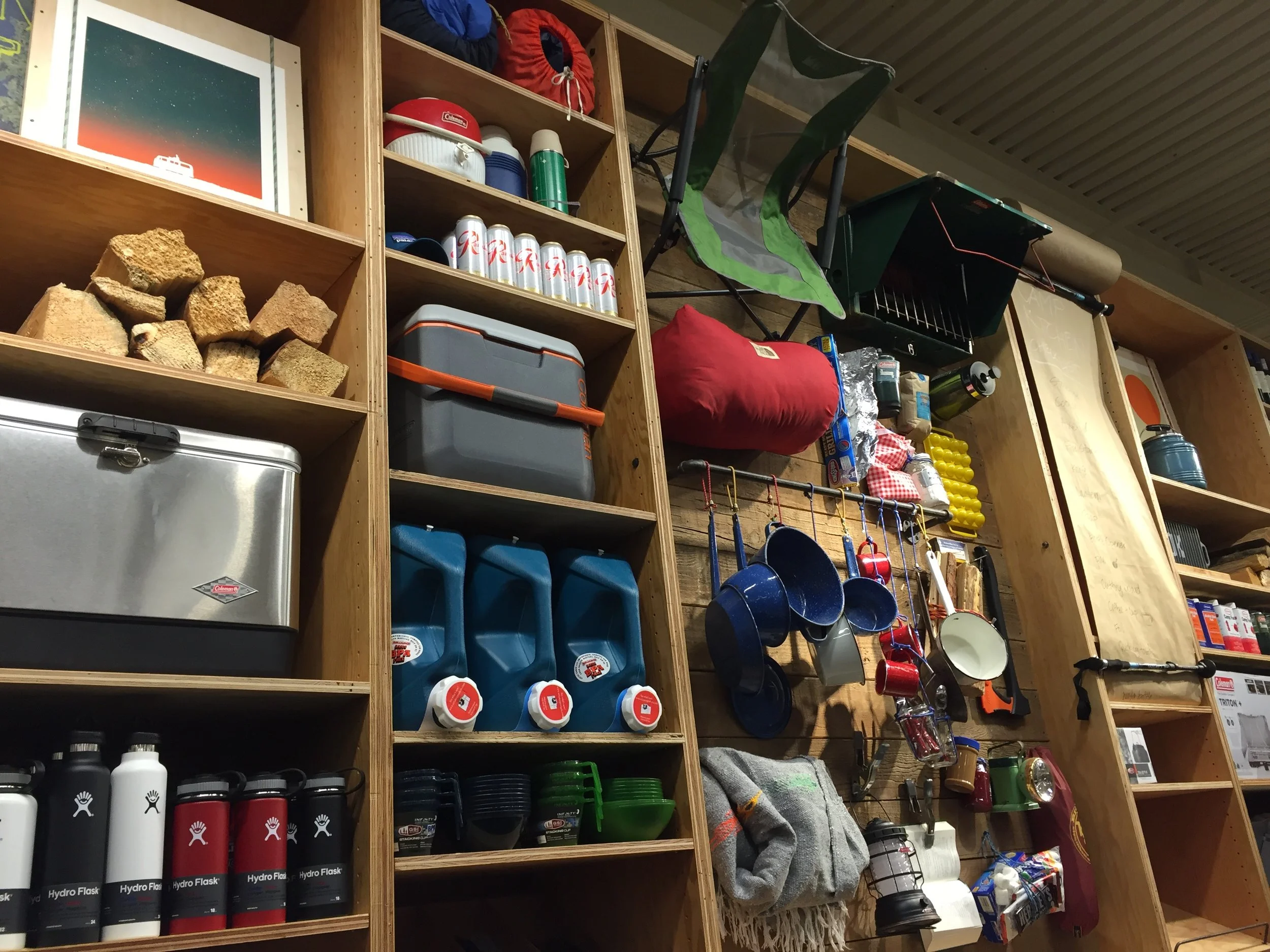
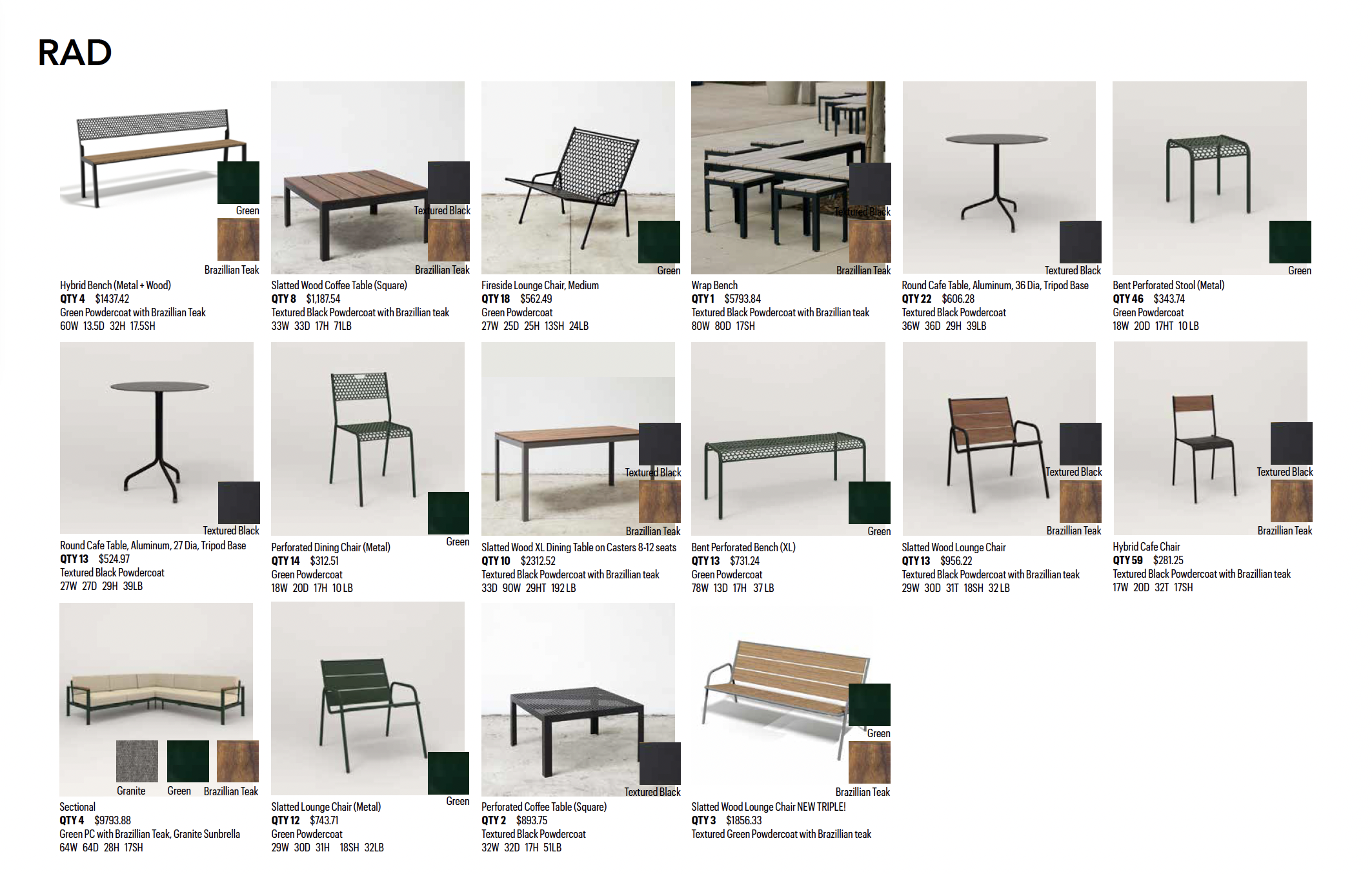
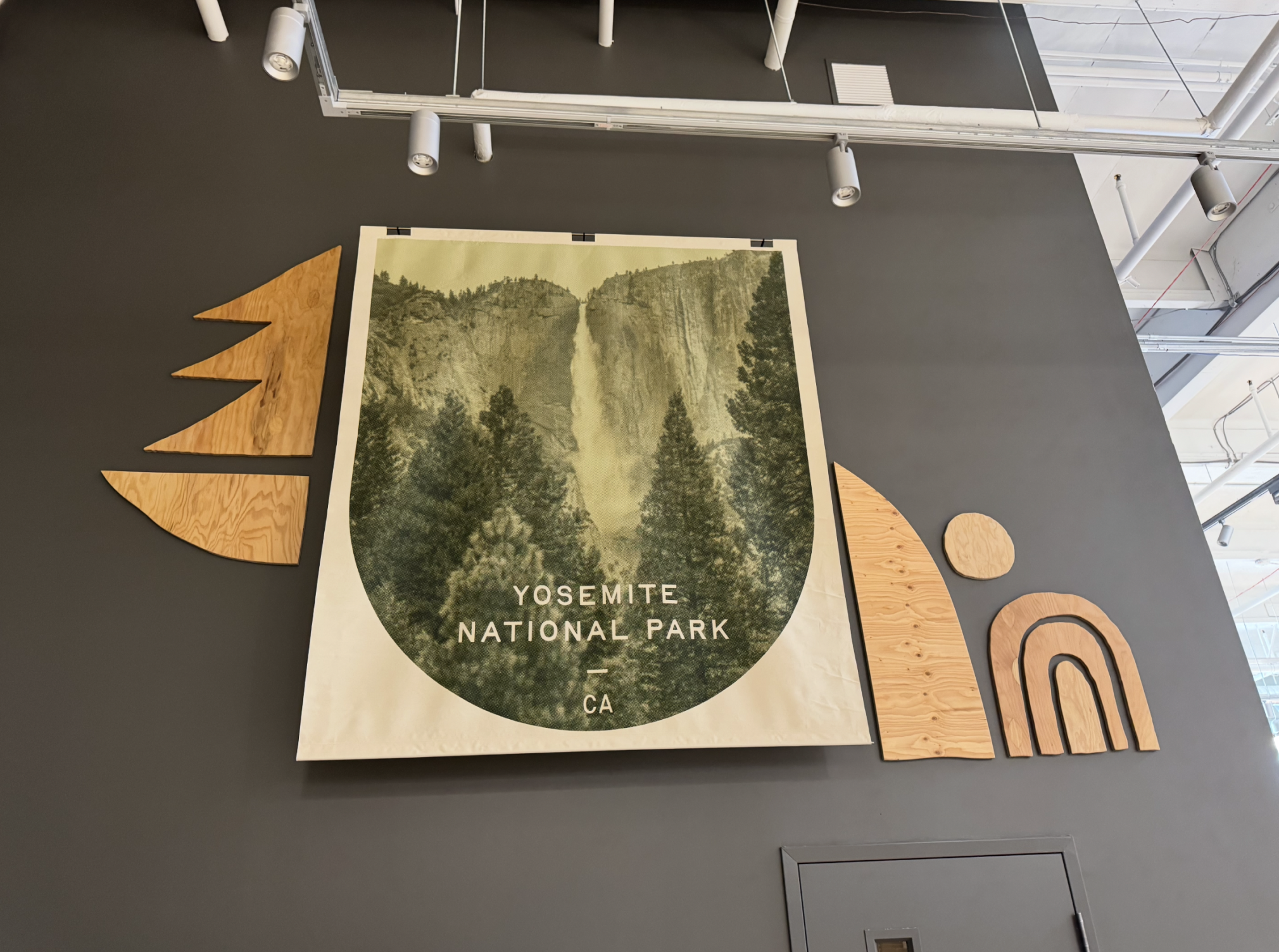
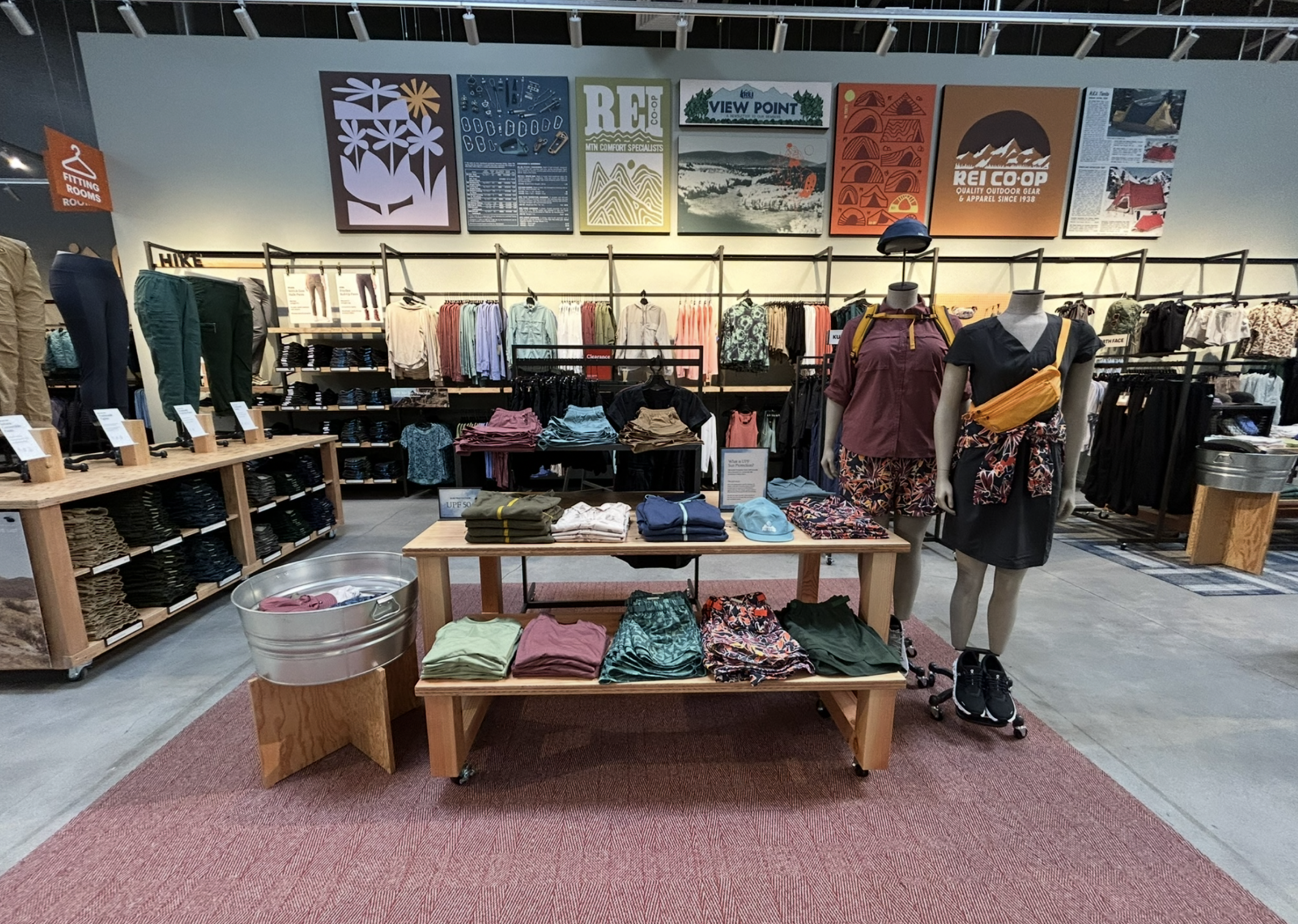
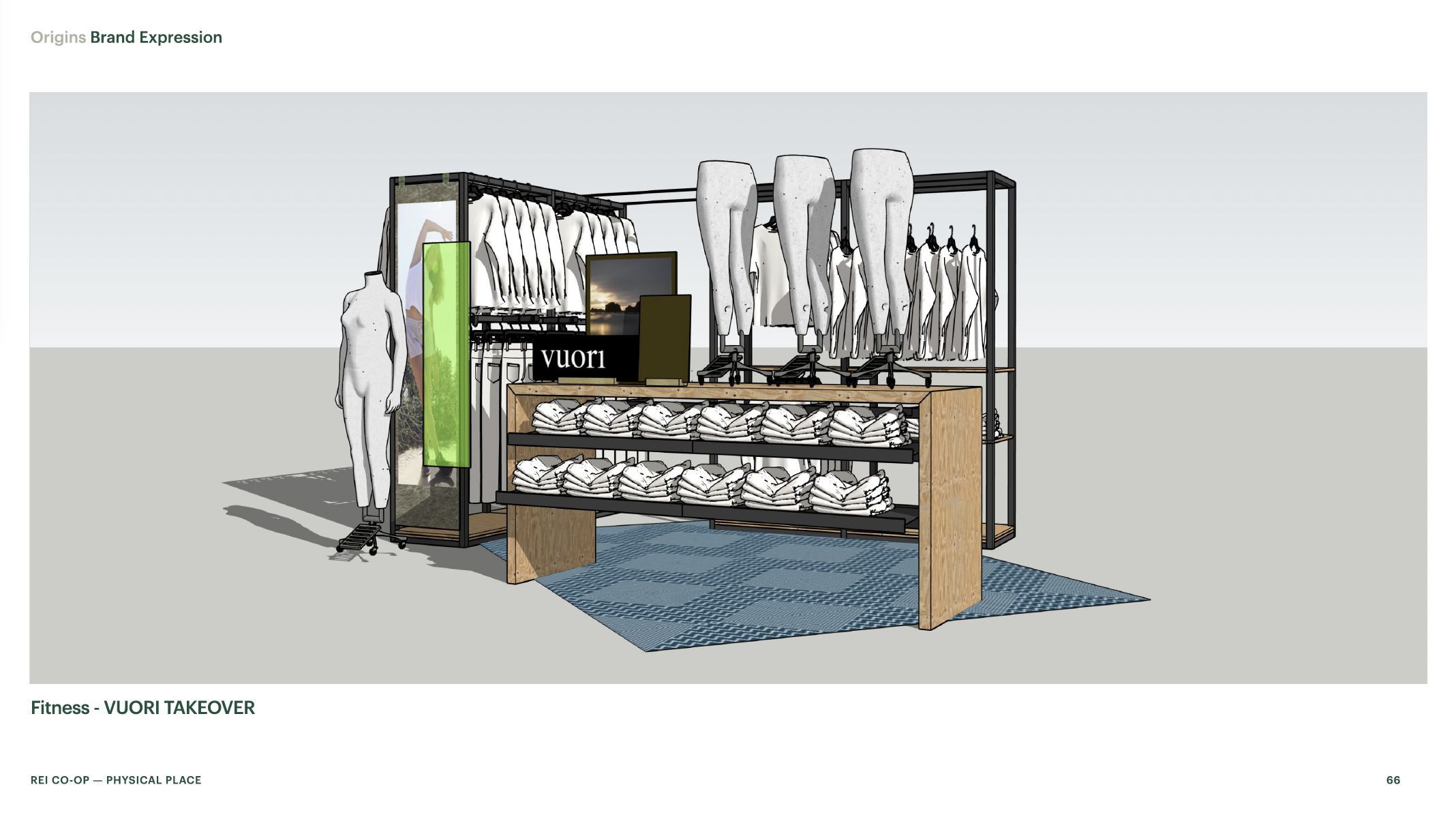
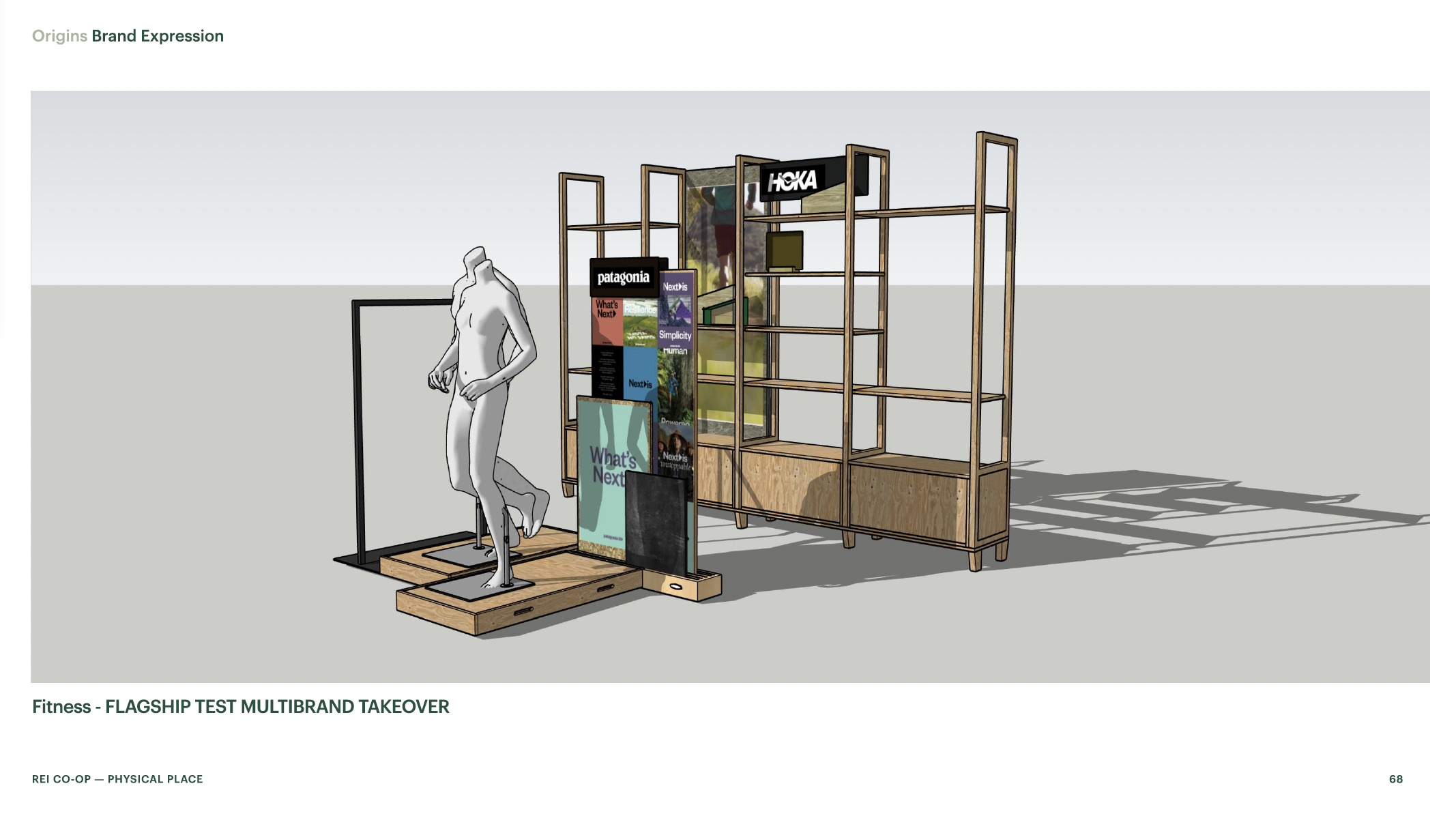
REI Brand Expression Framework & Standards — The thing that outlasts you
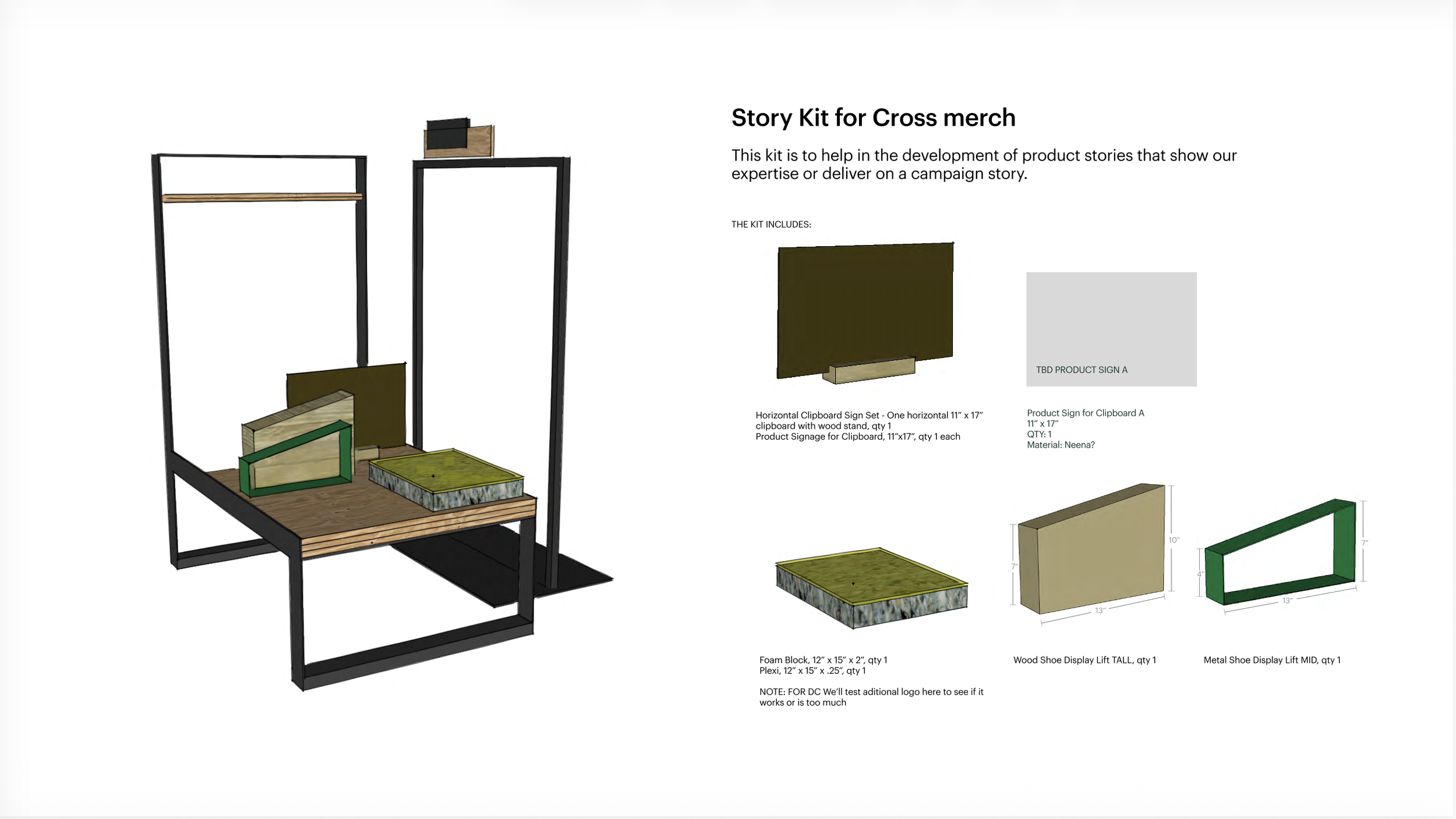
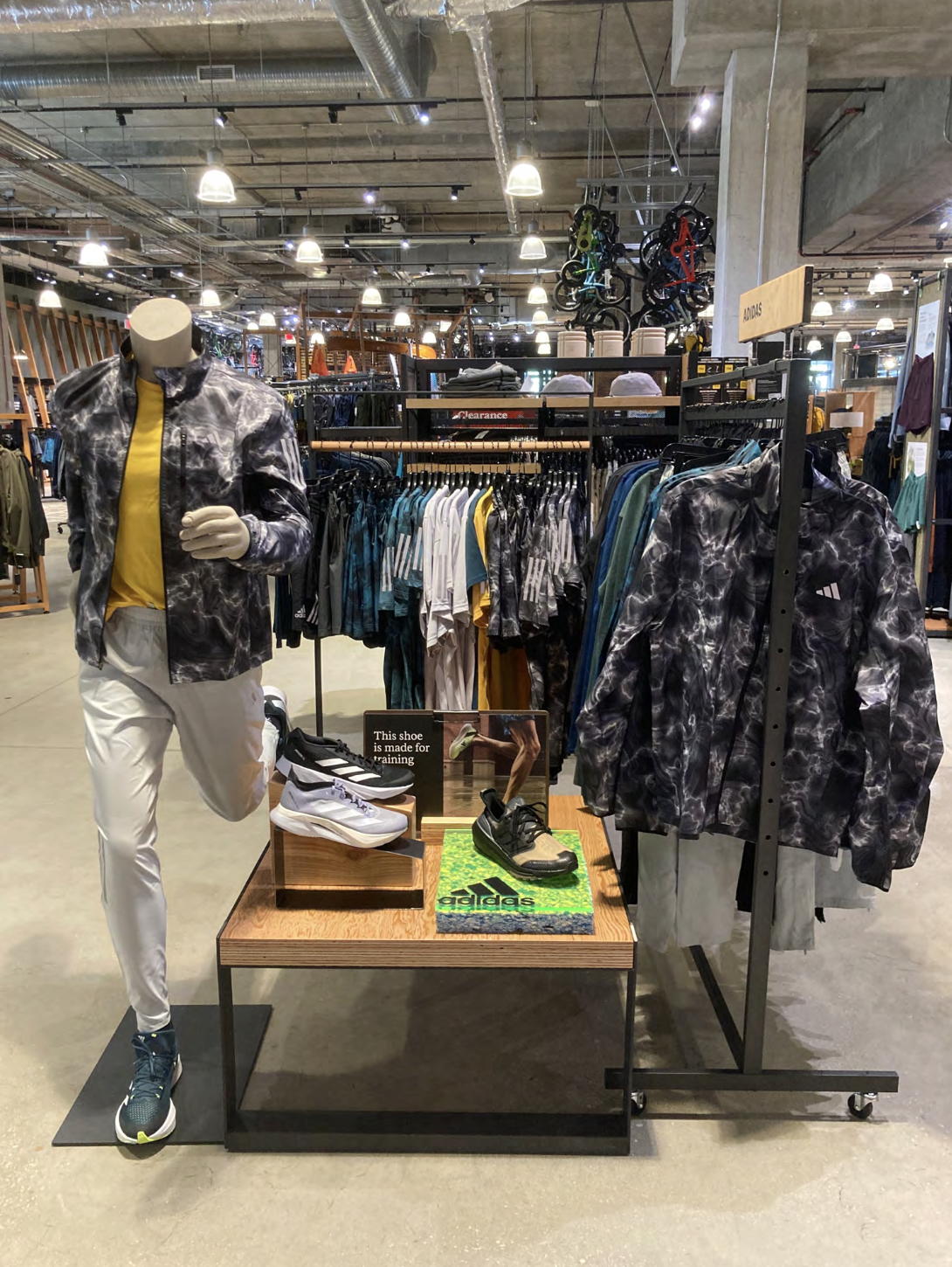
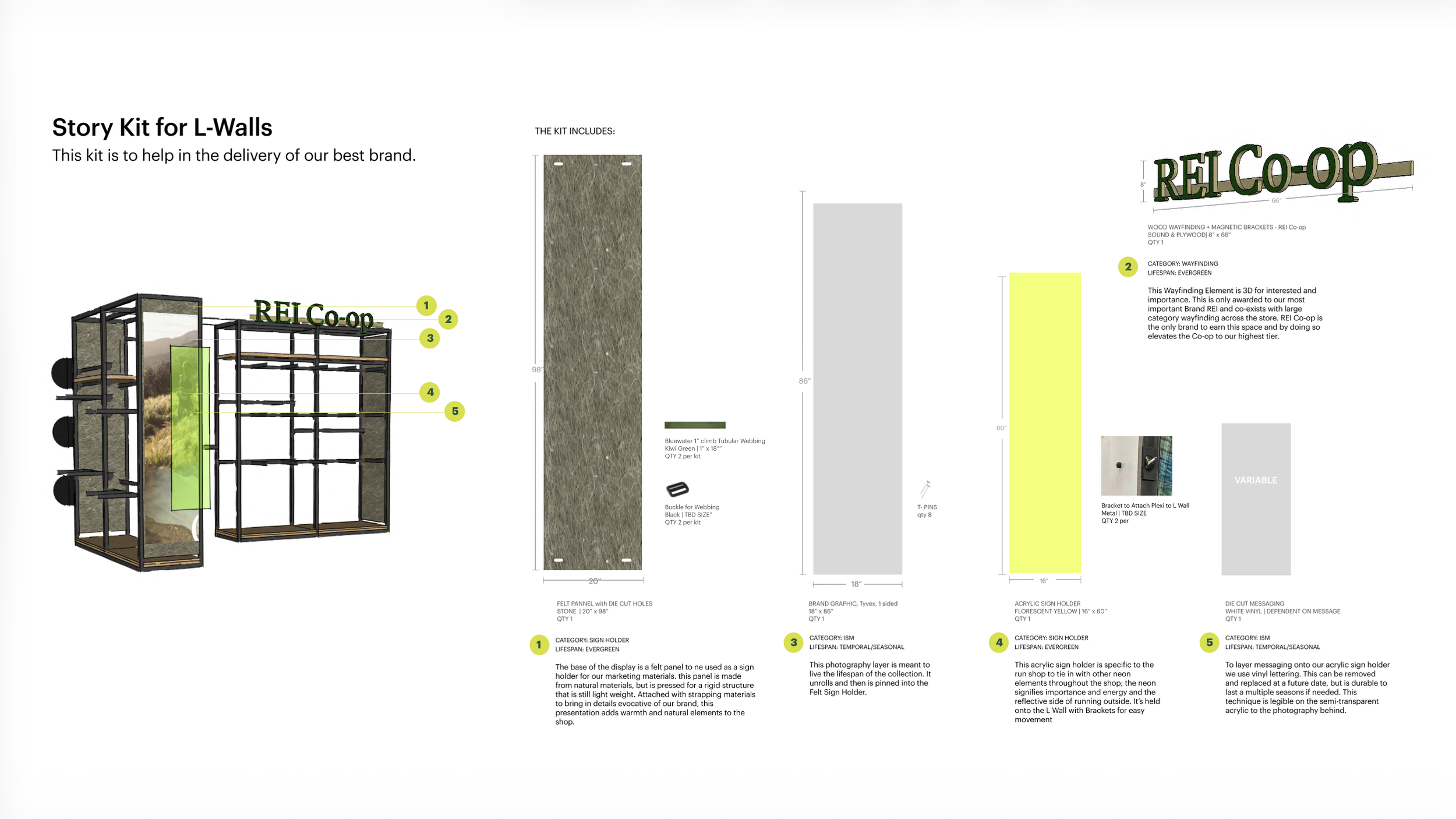
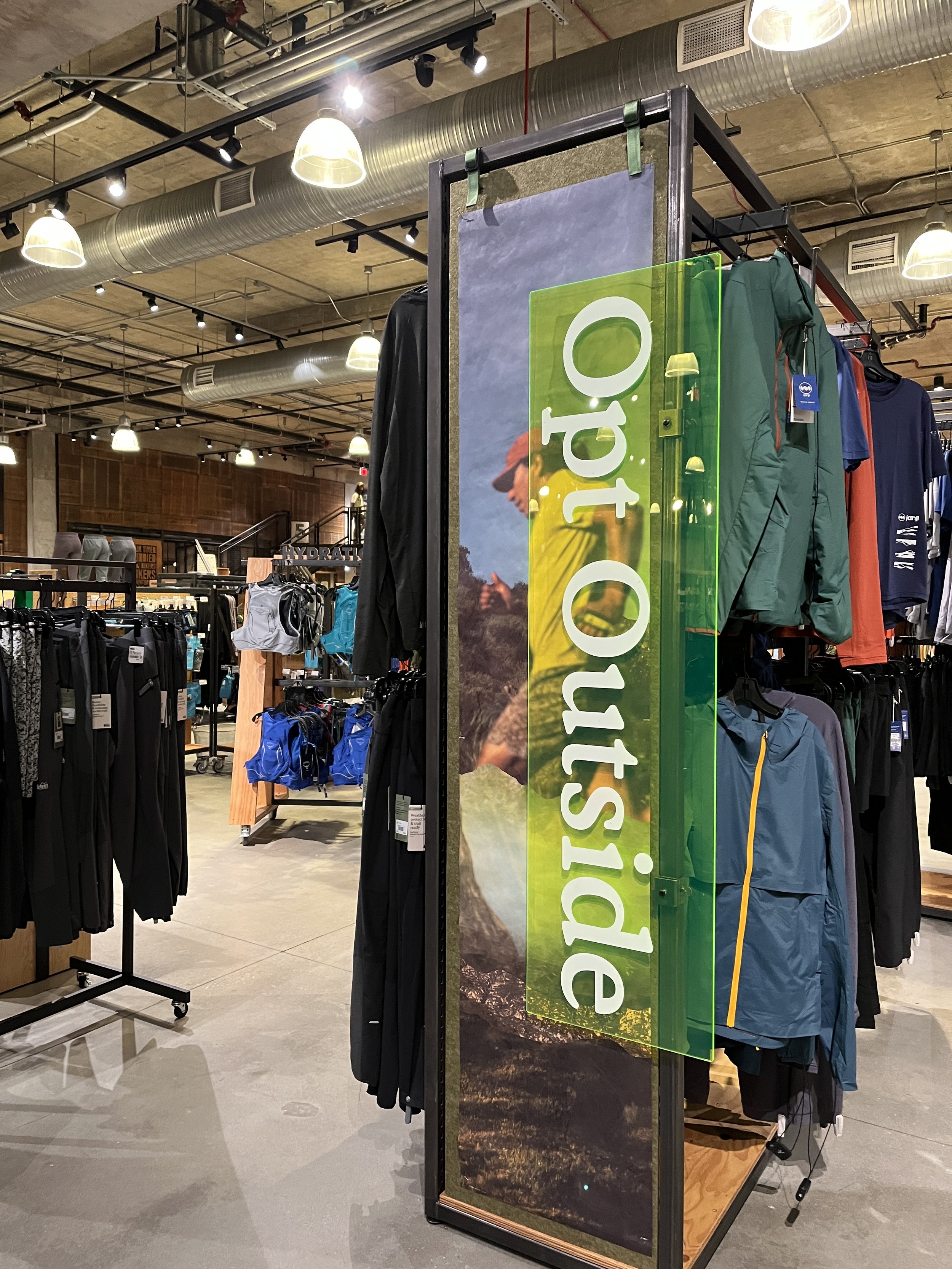
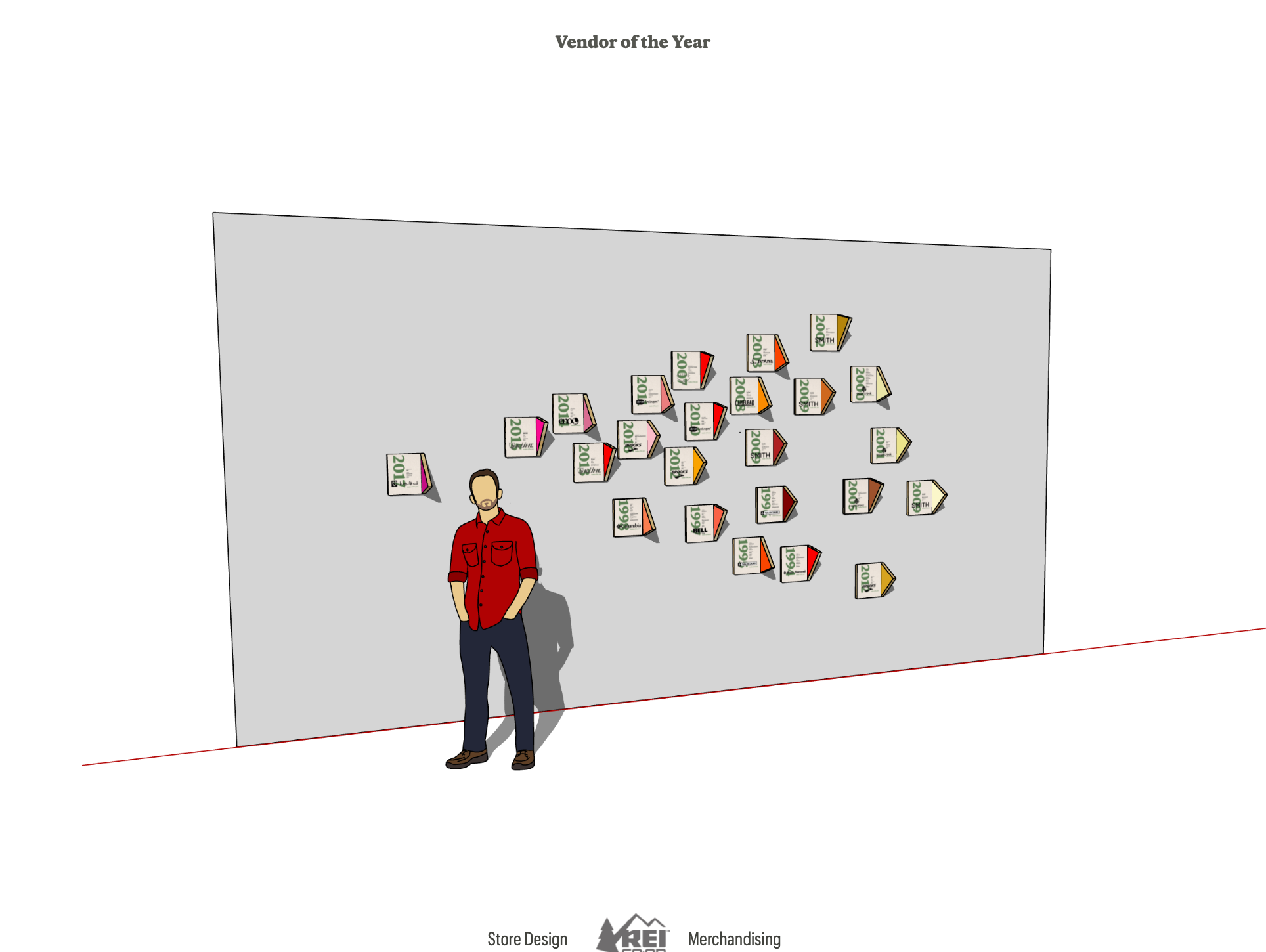
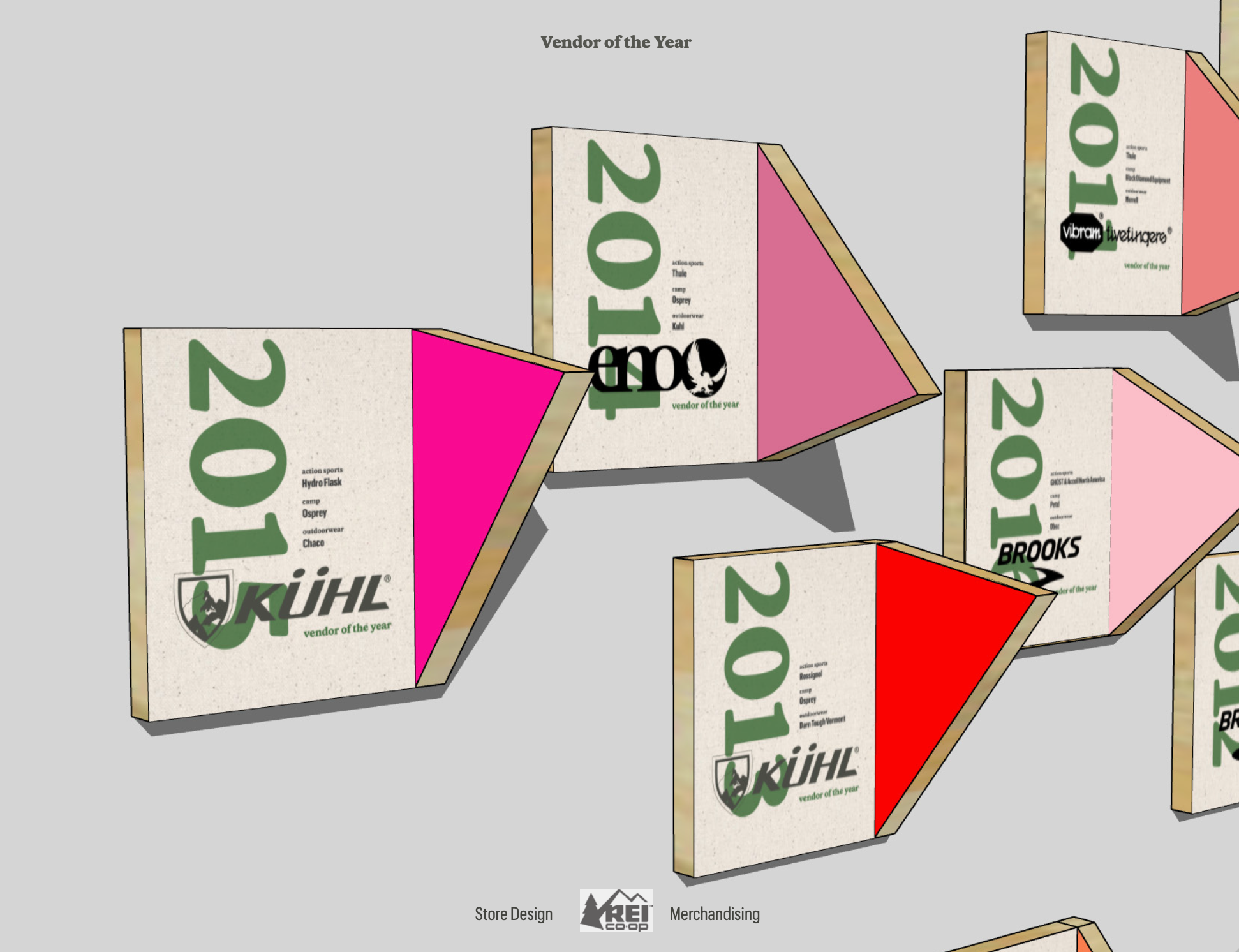
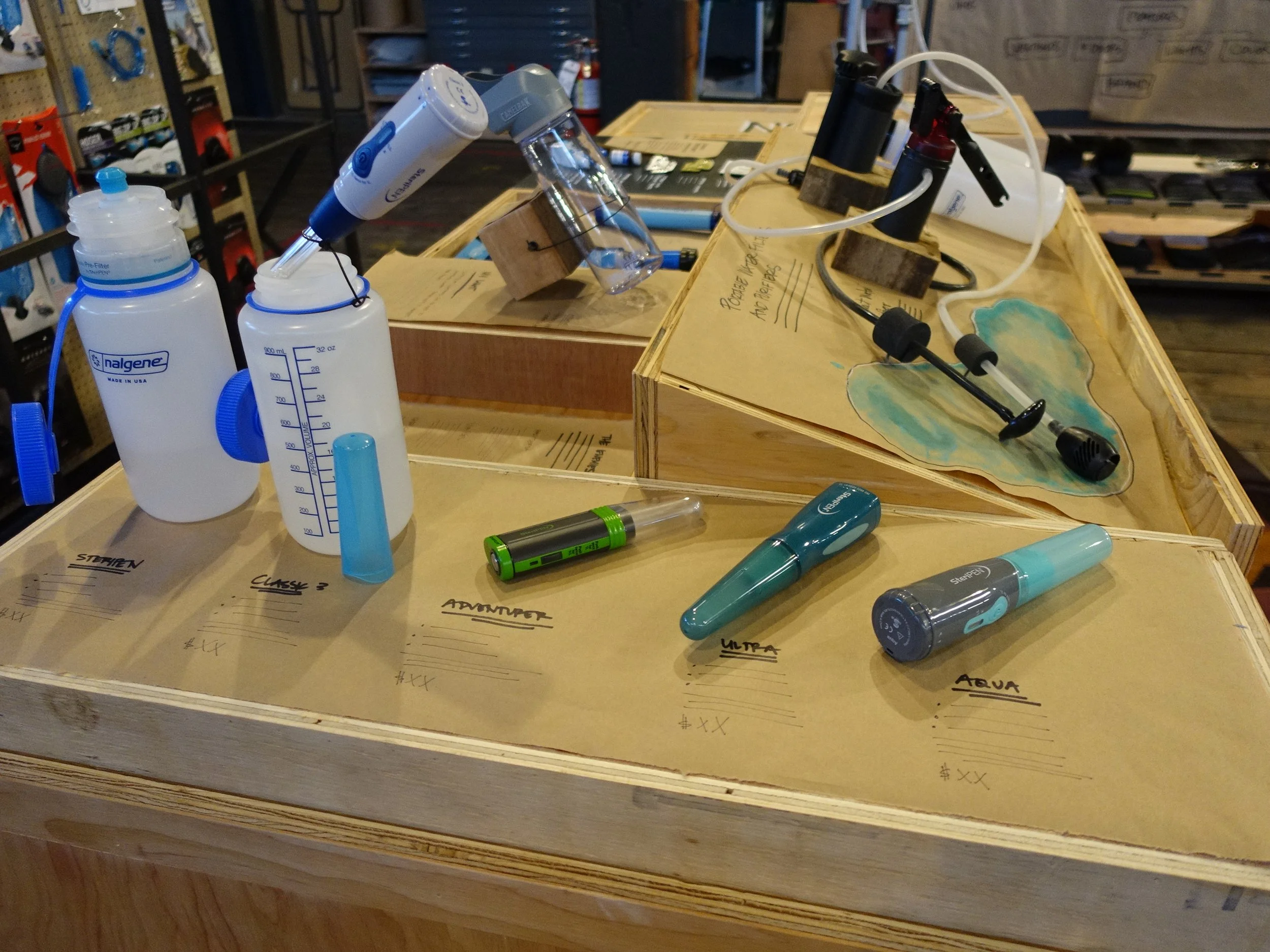
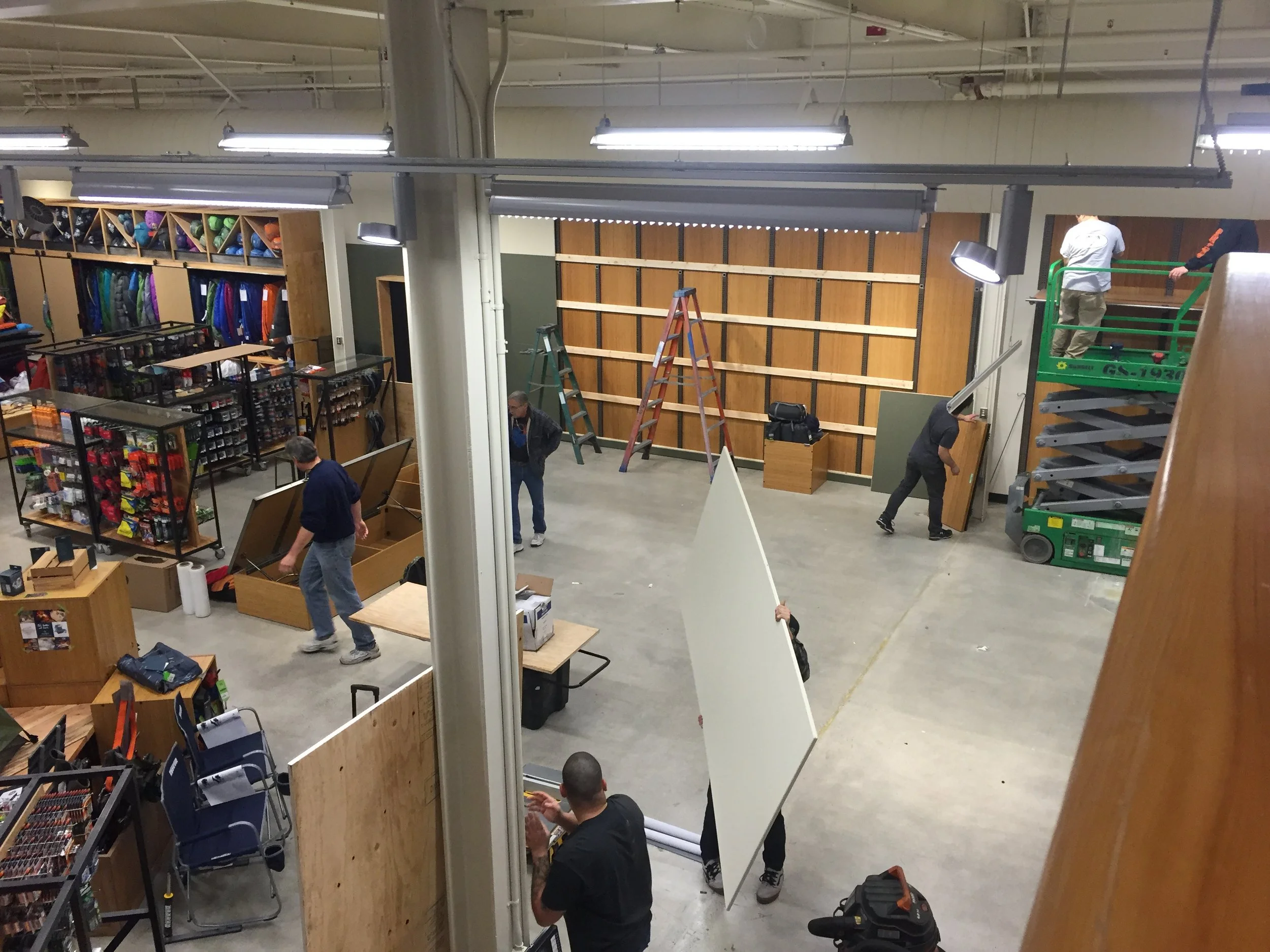
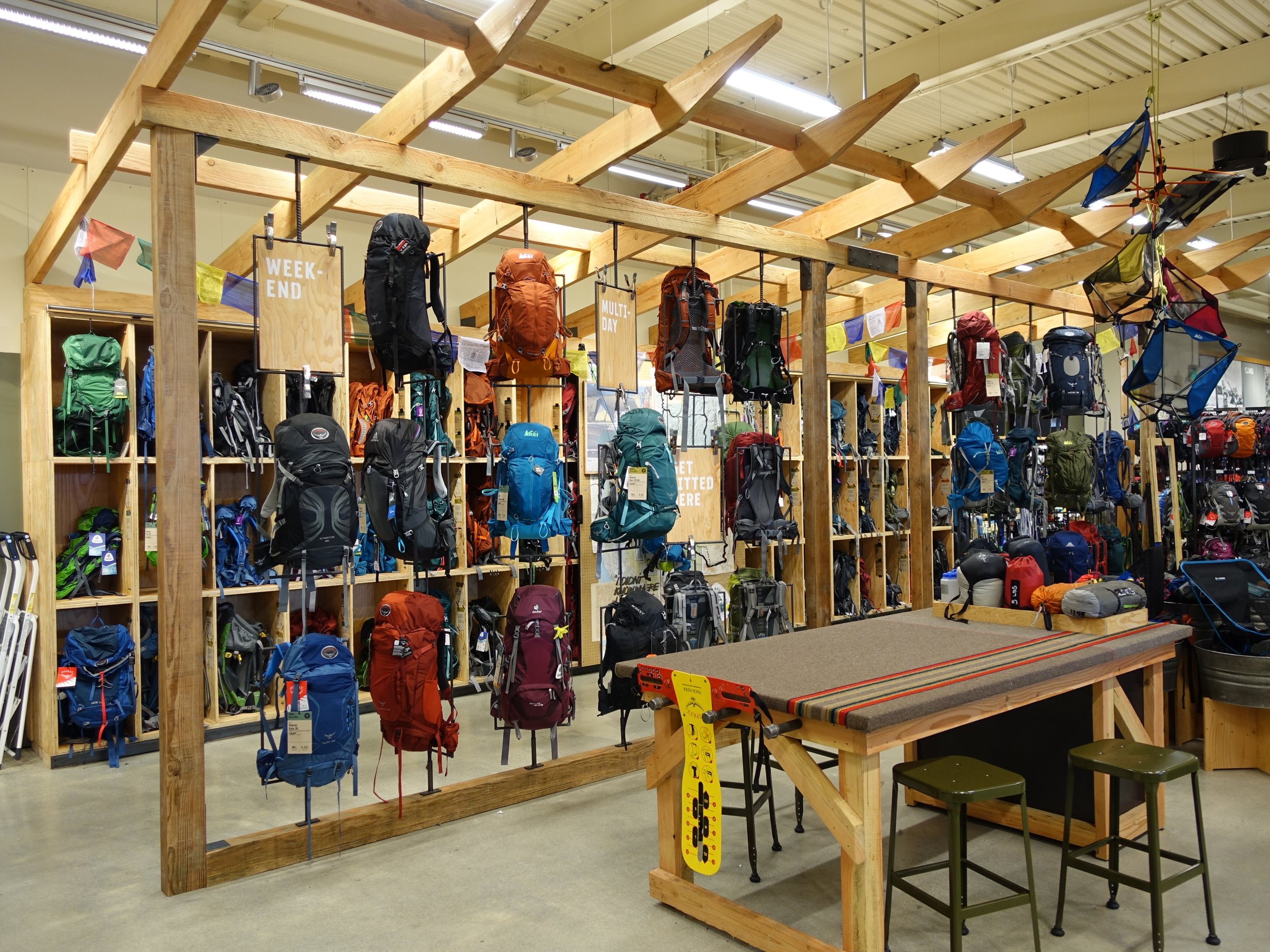
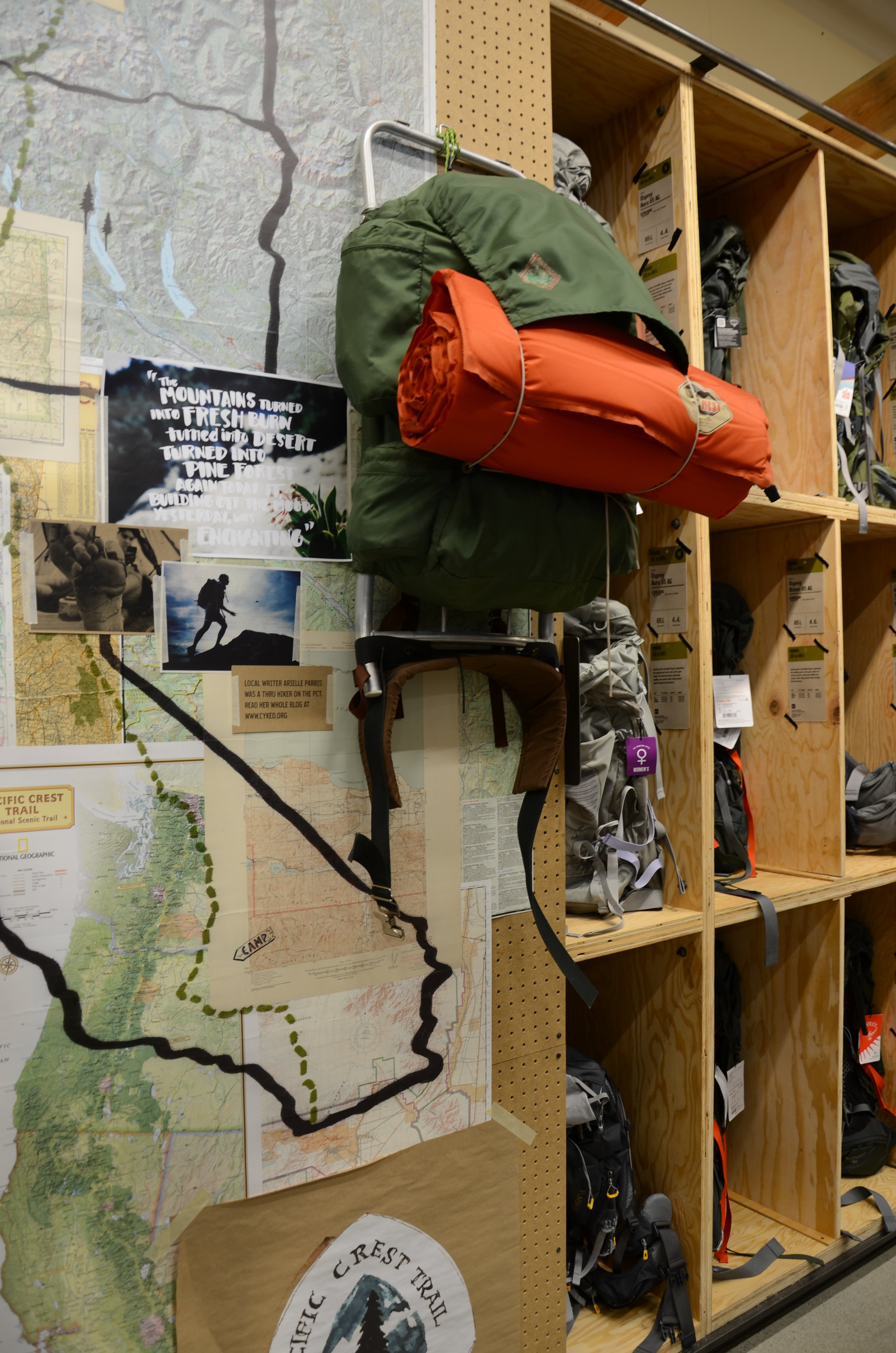
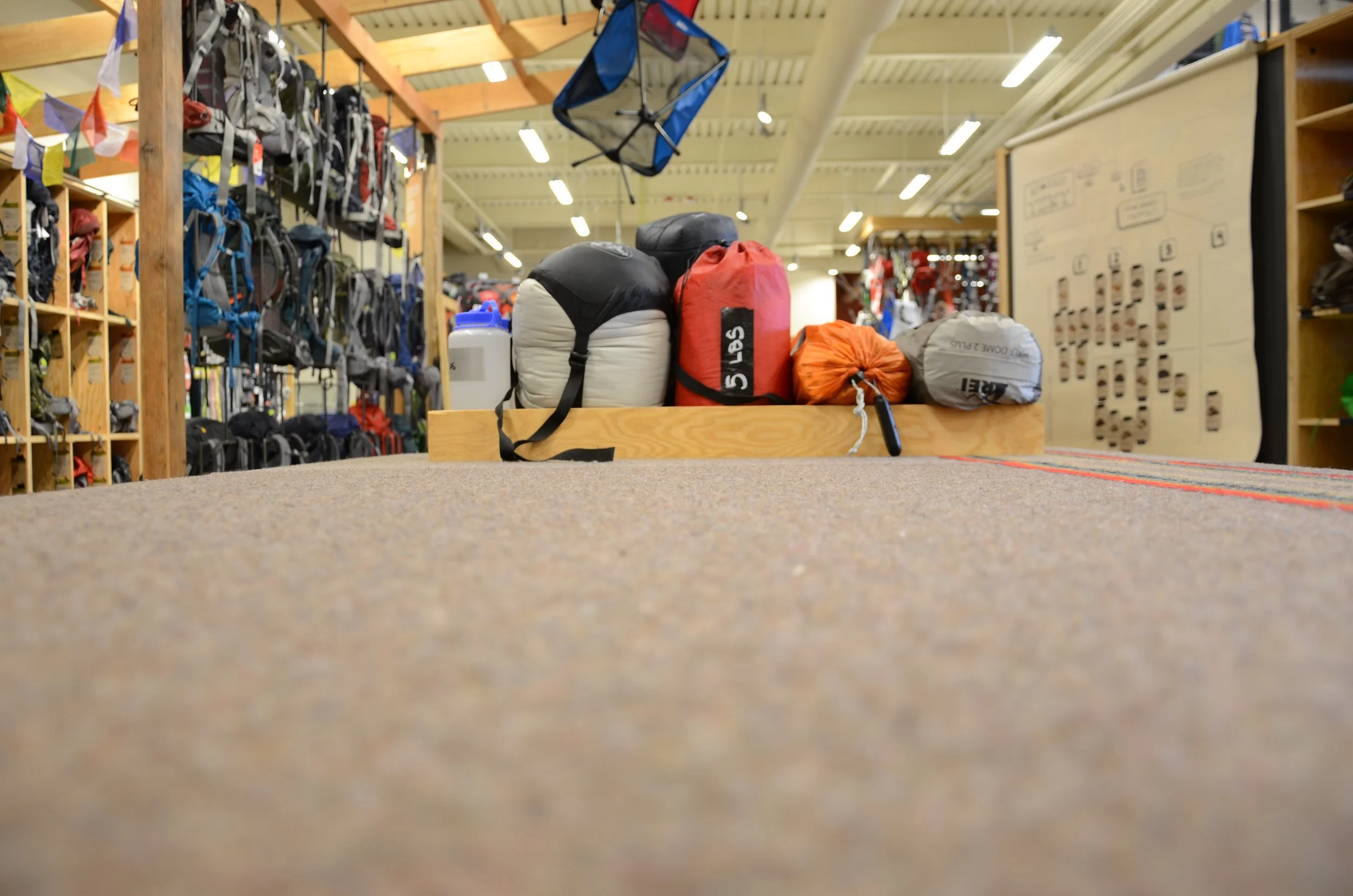
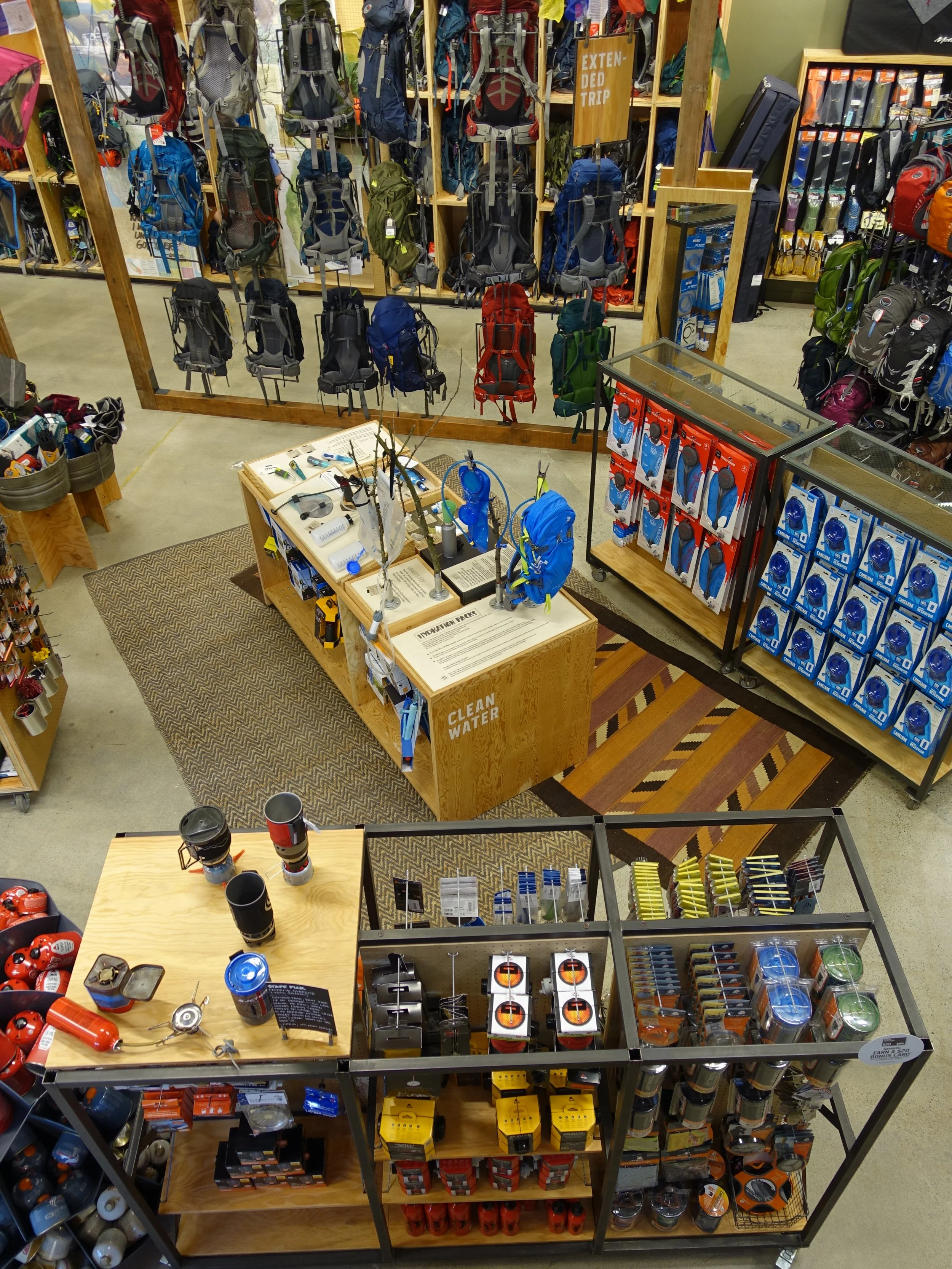
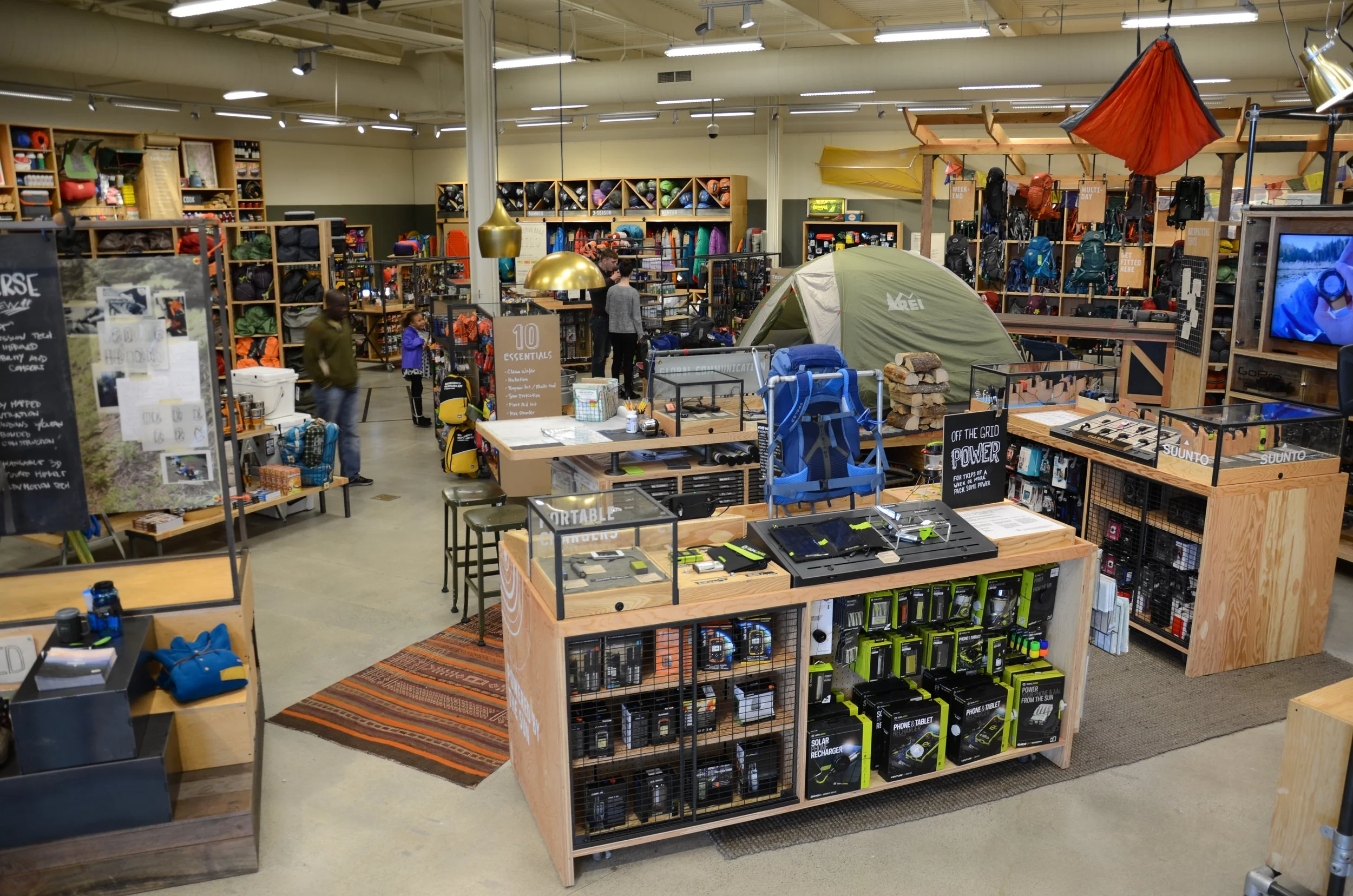
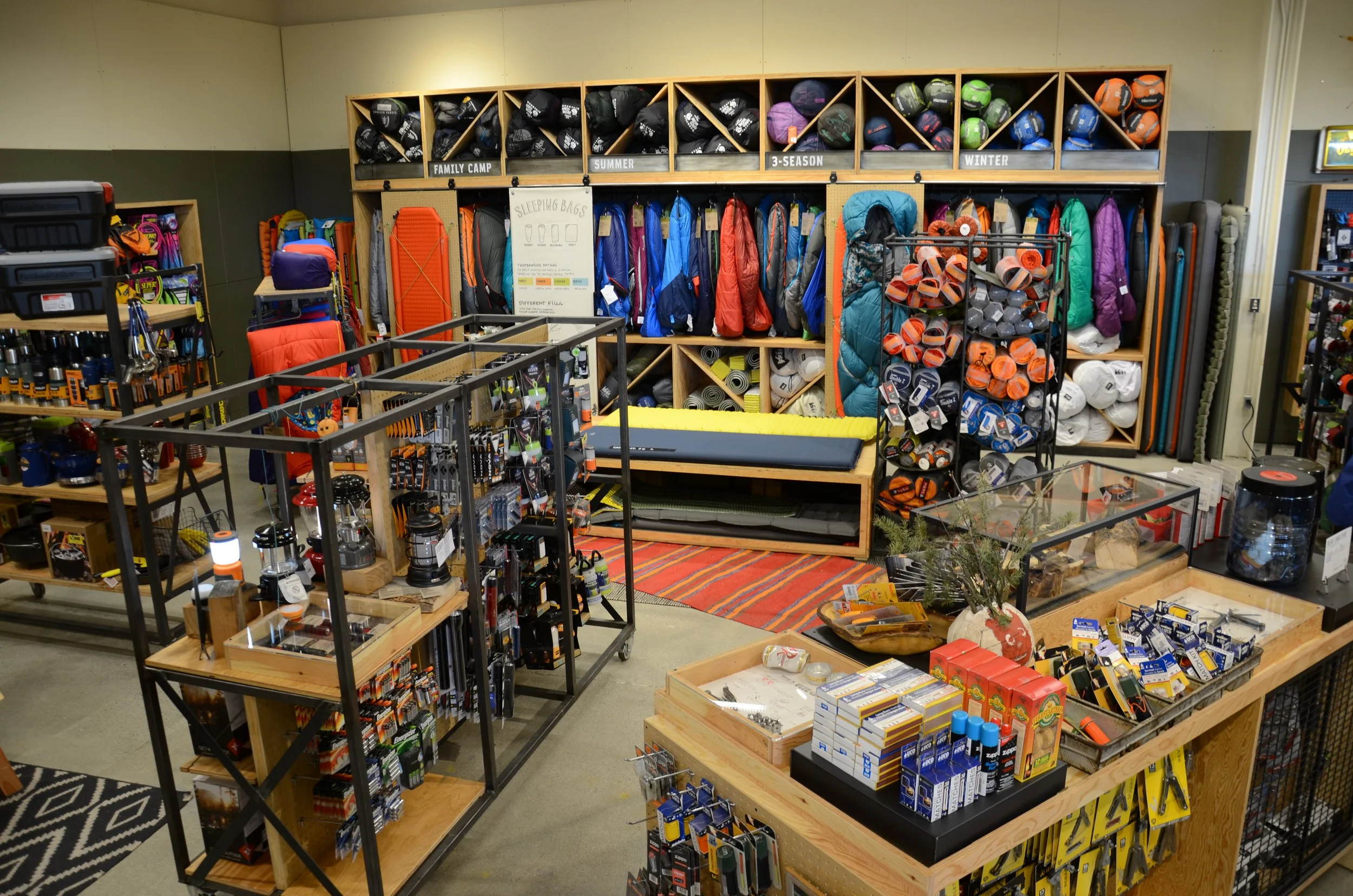
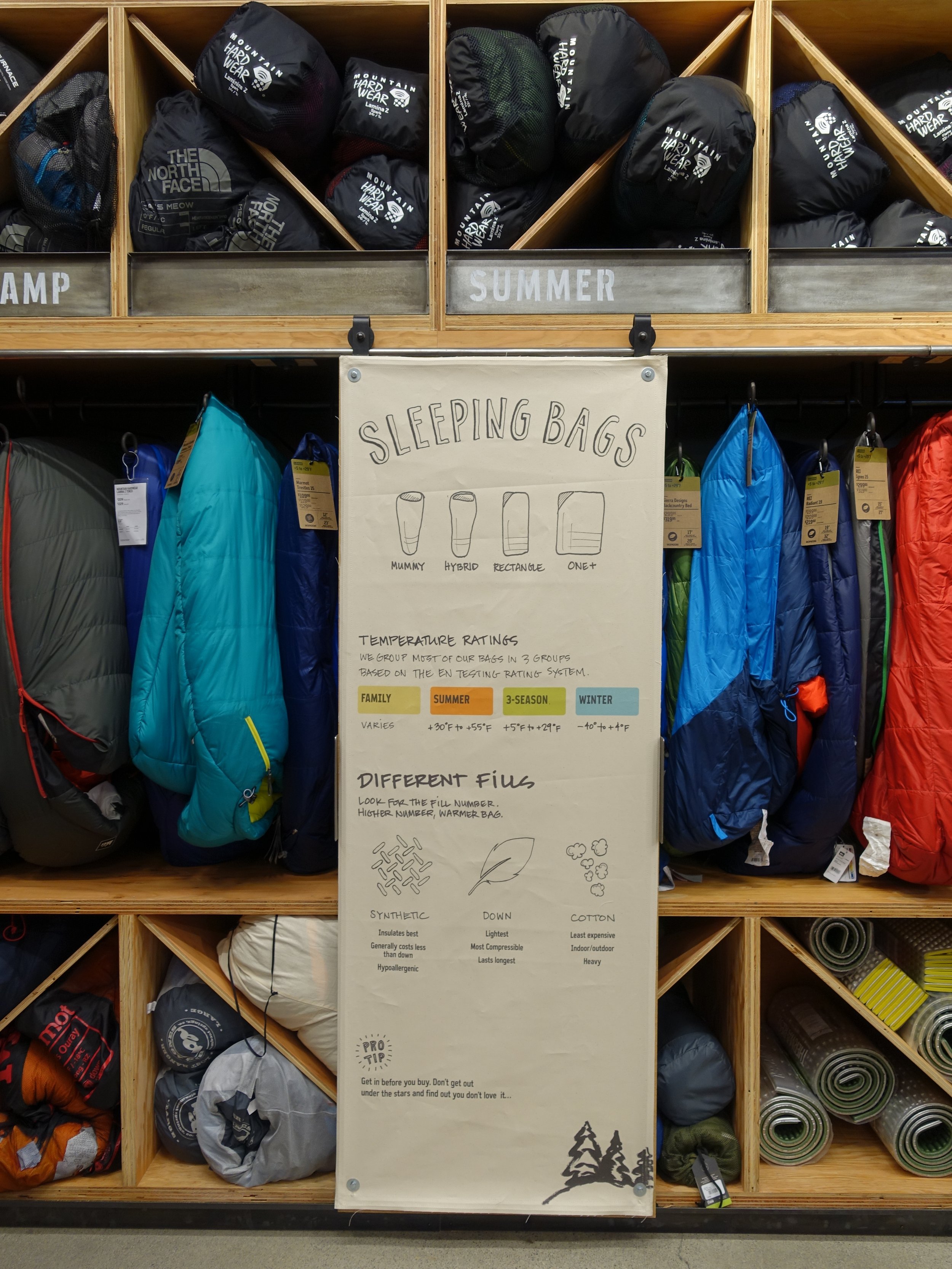
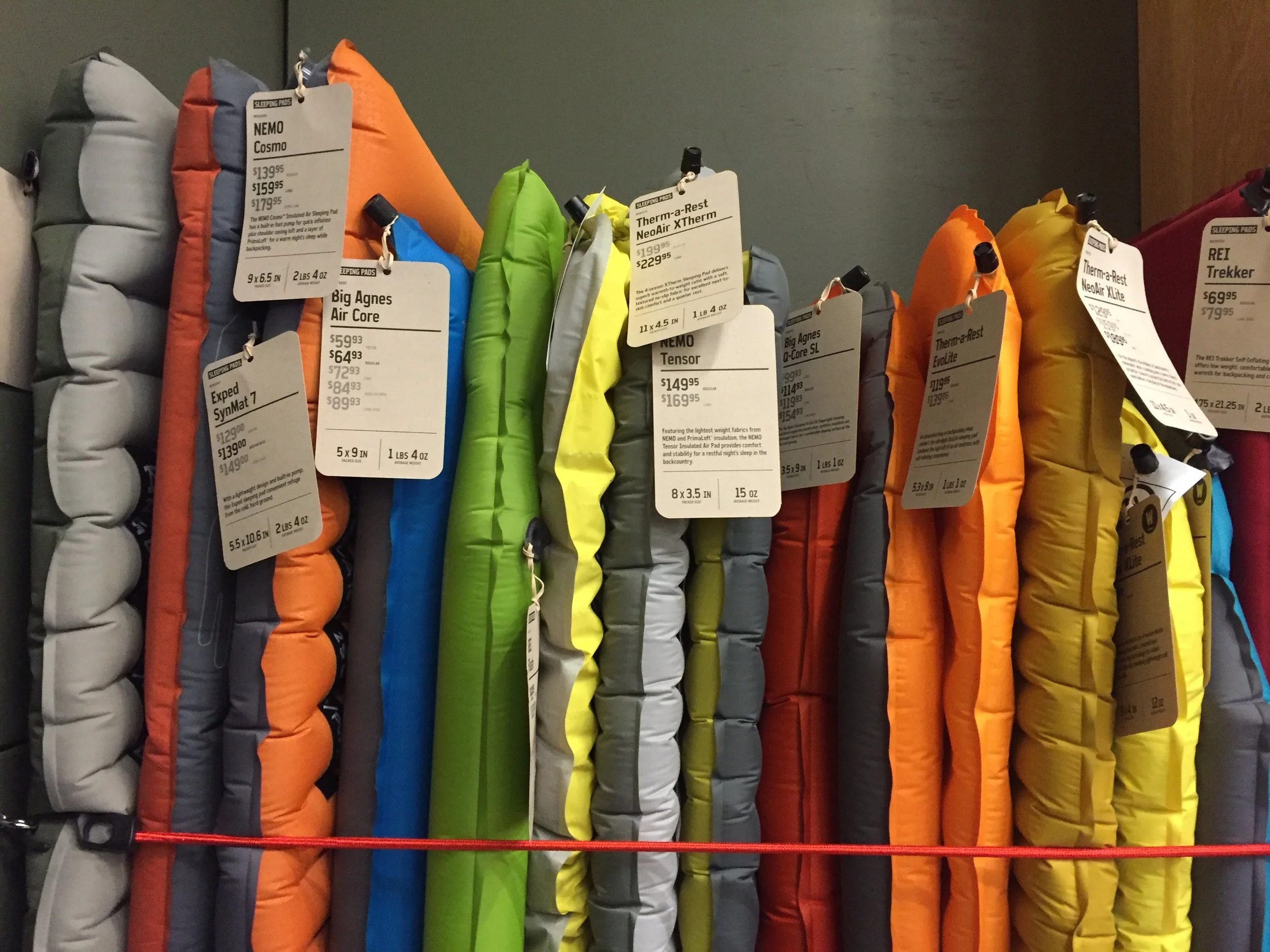
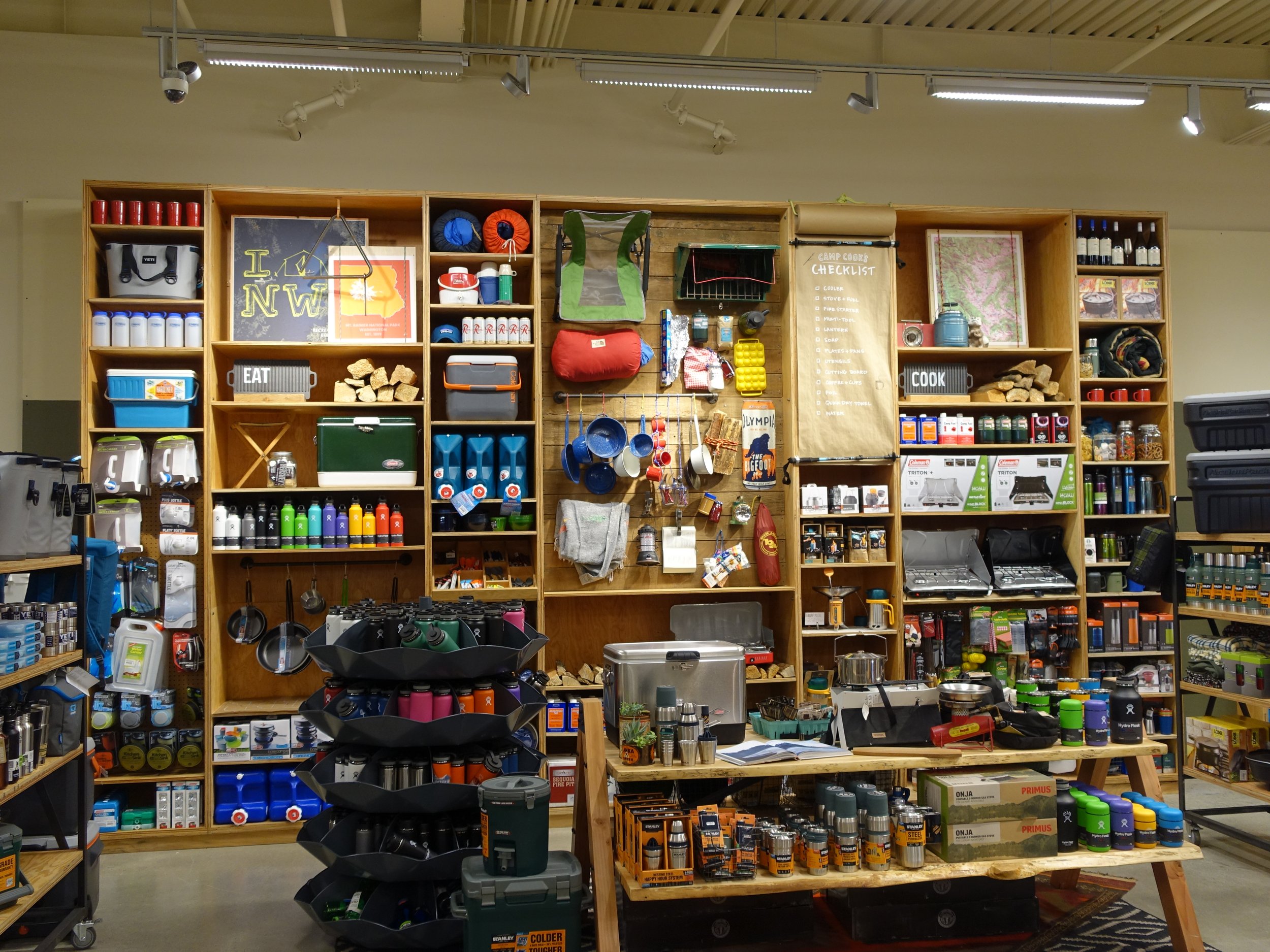
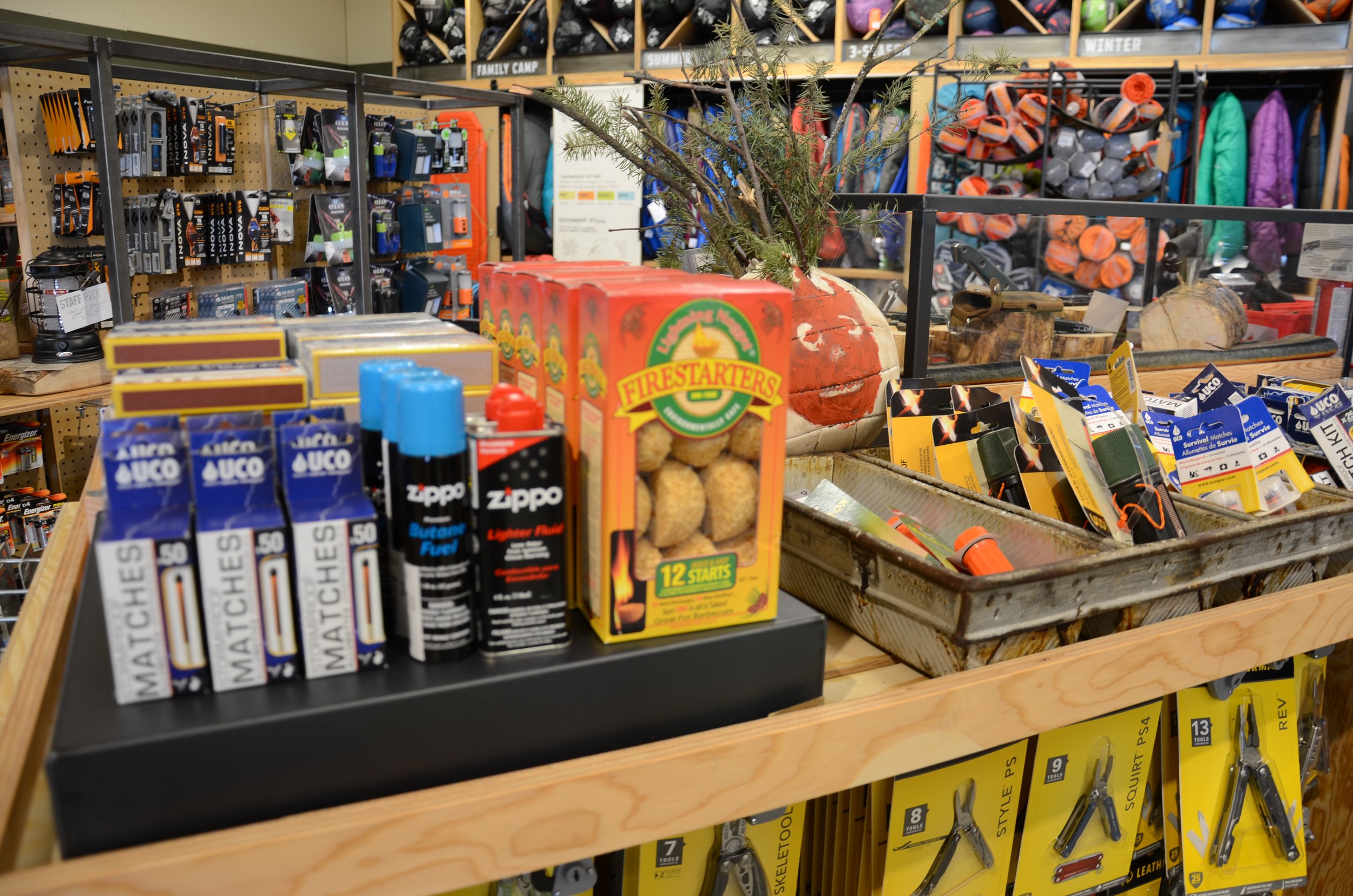
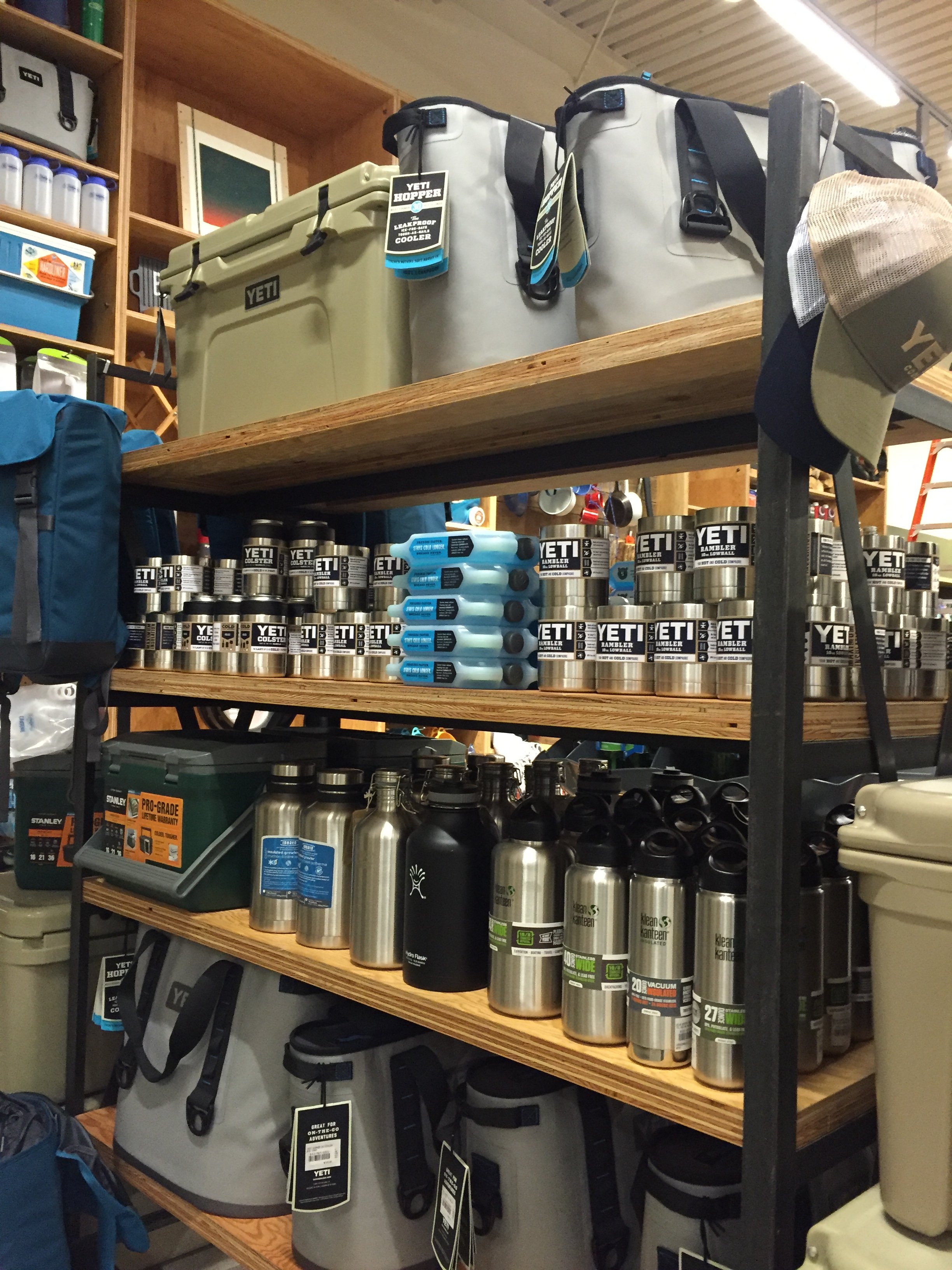
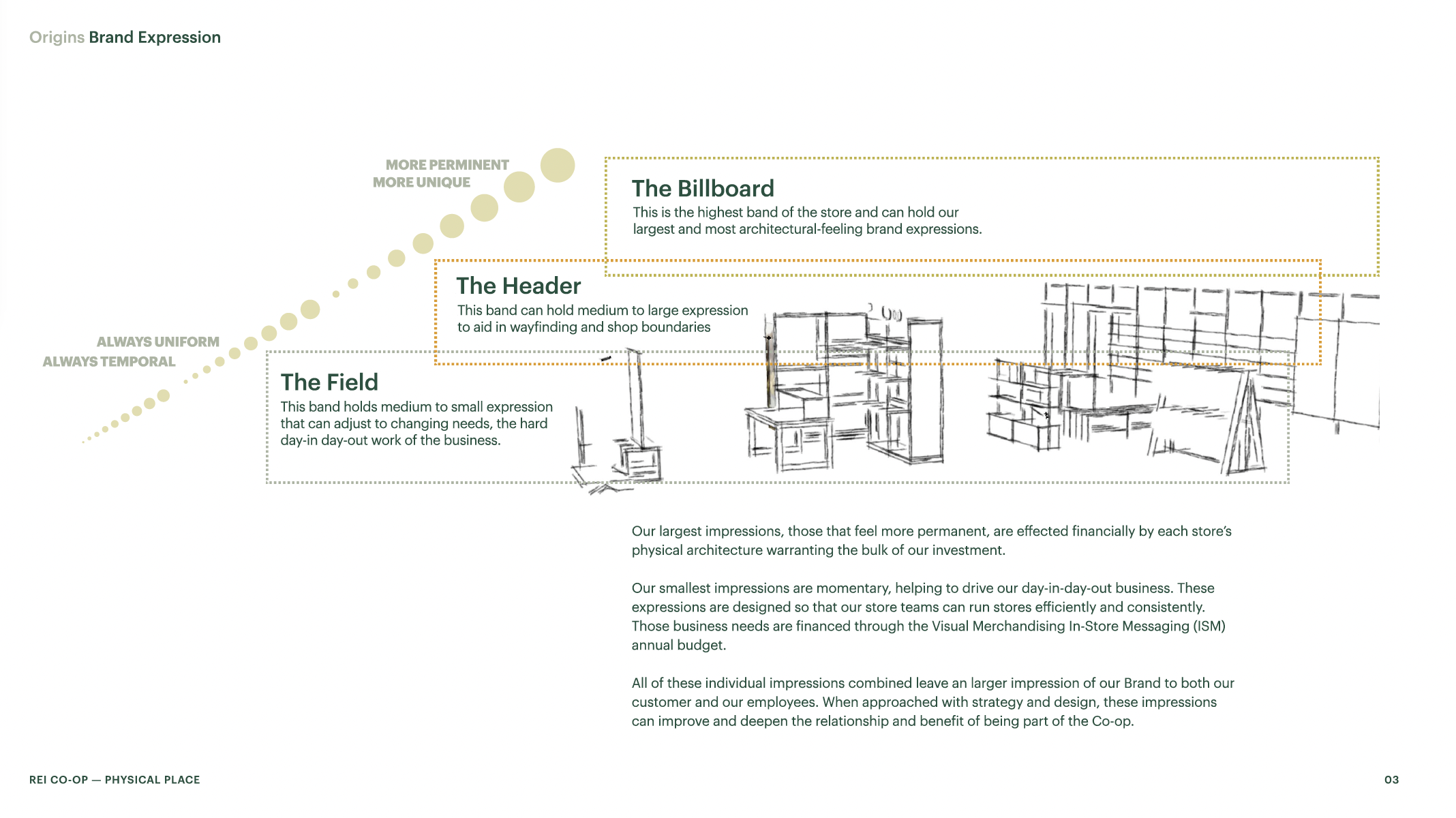
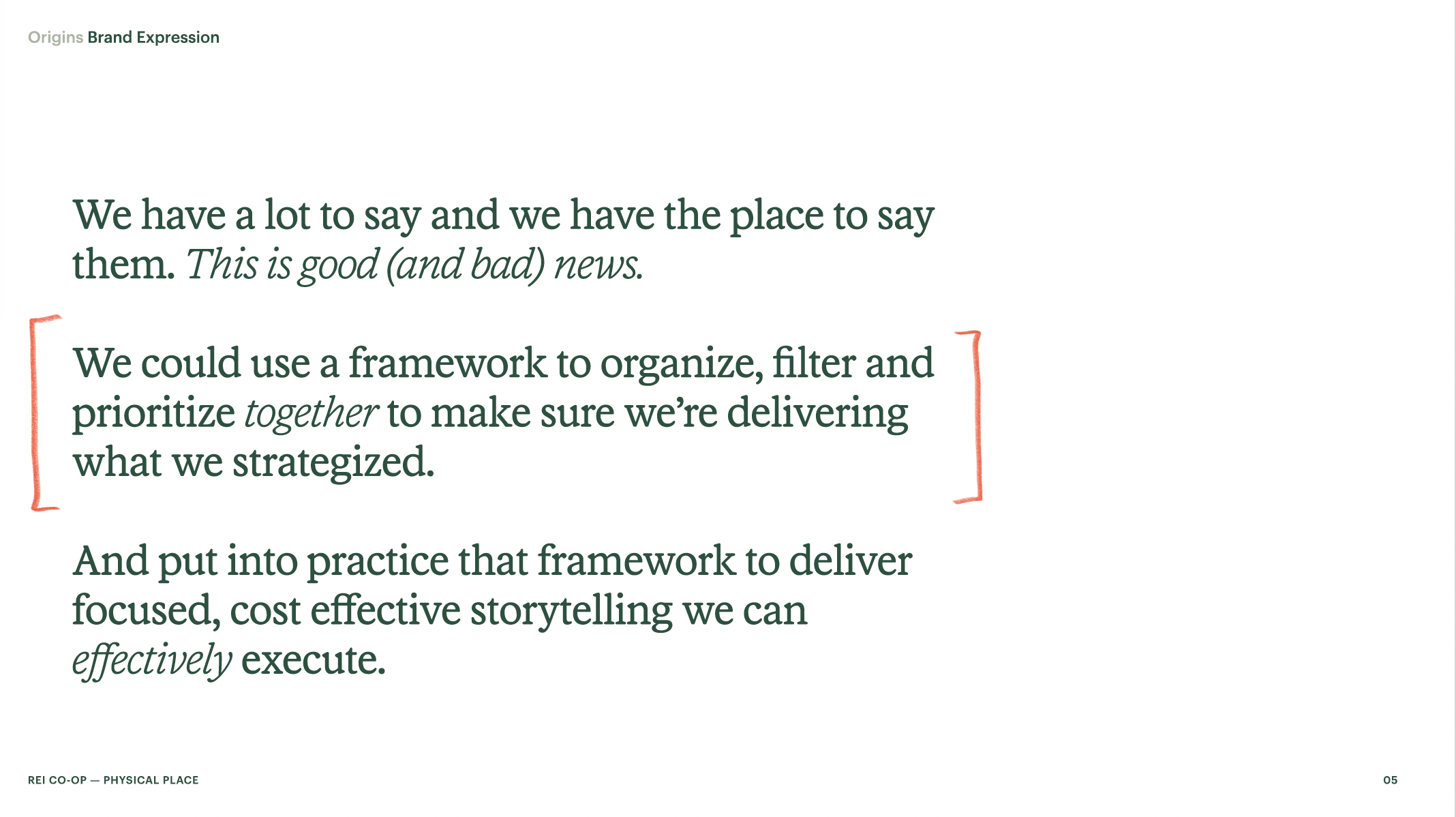
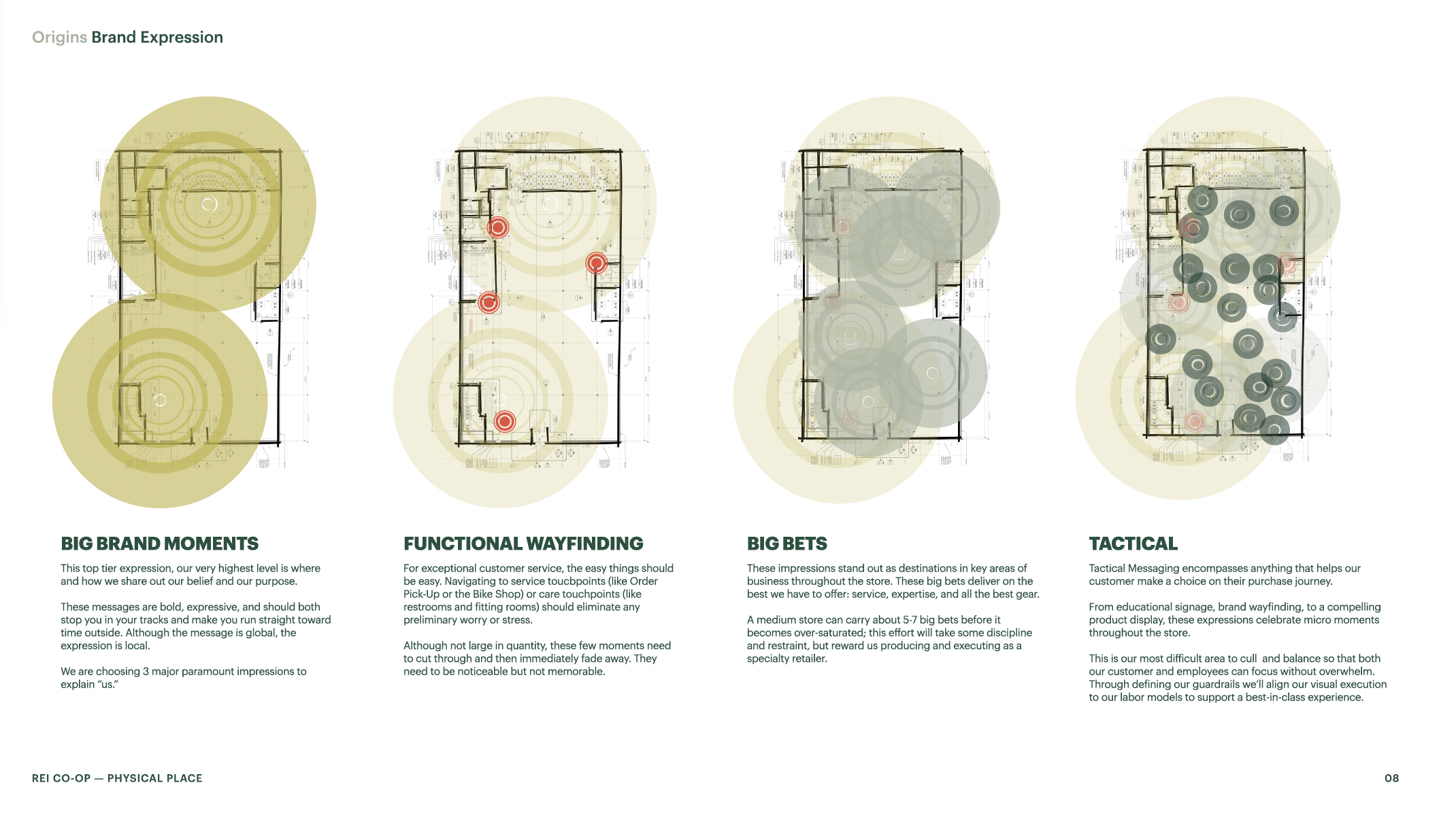
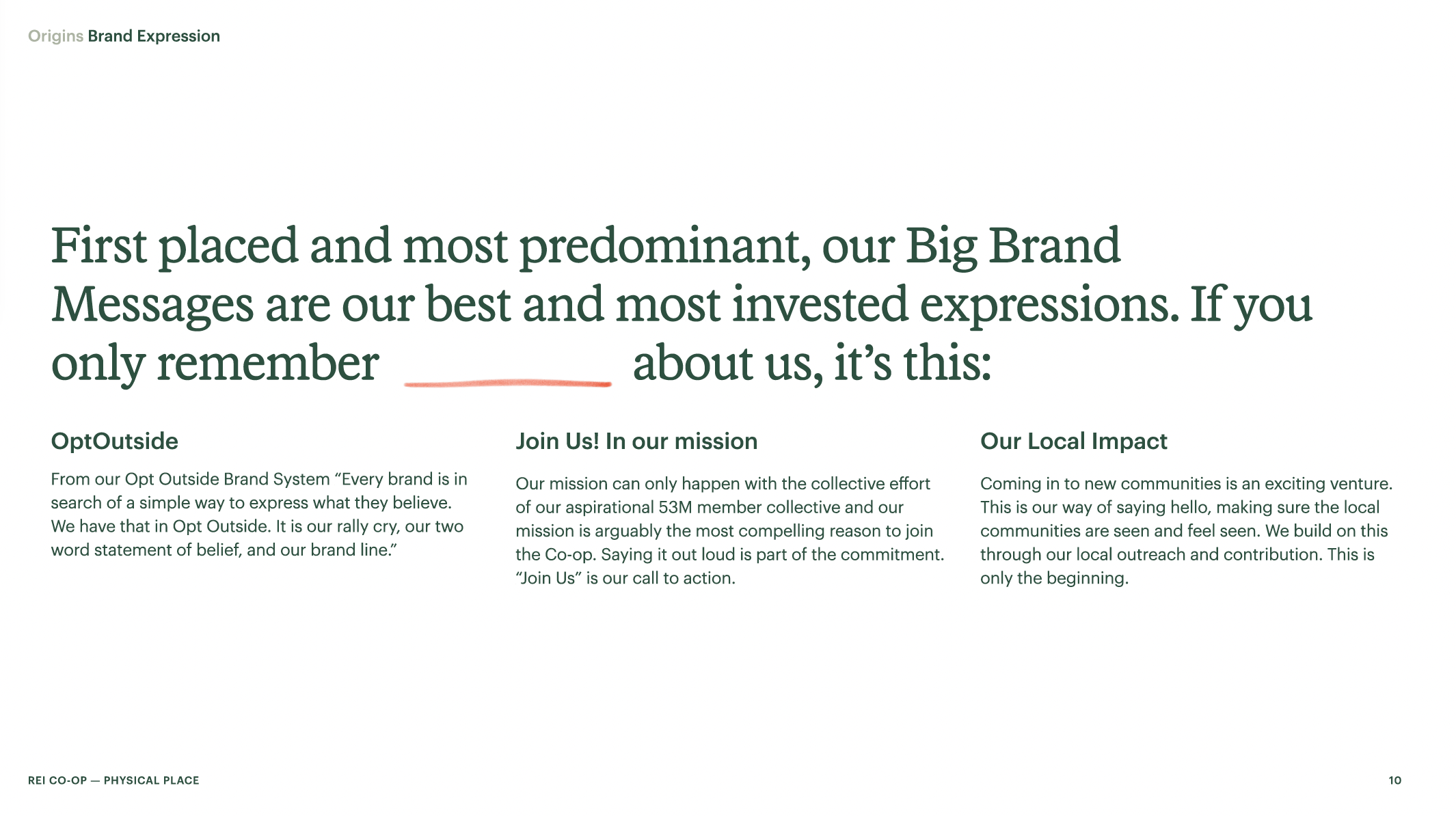
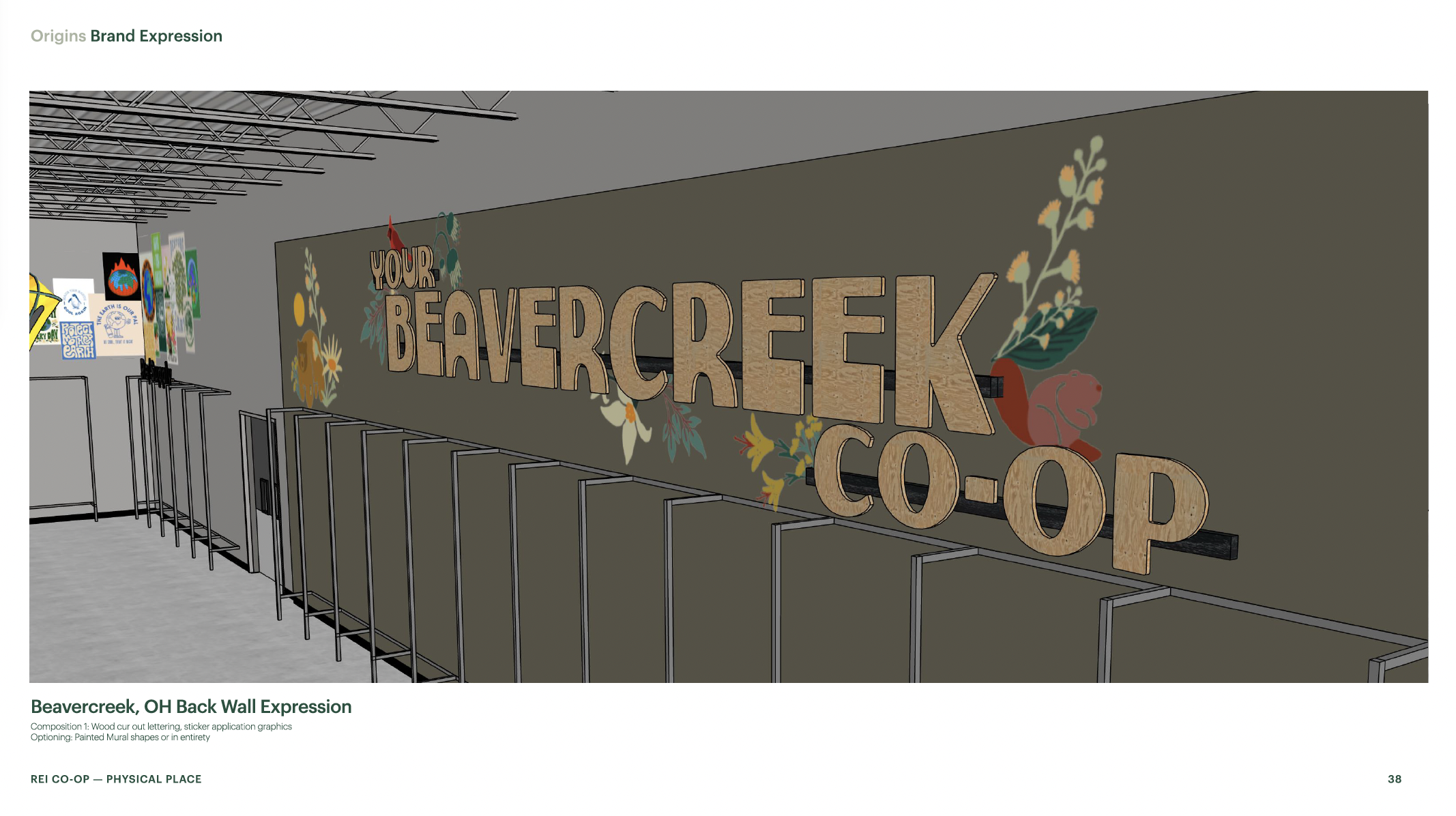
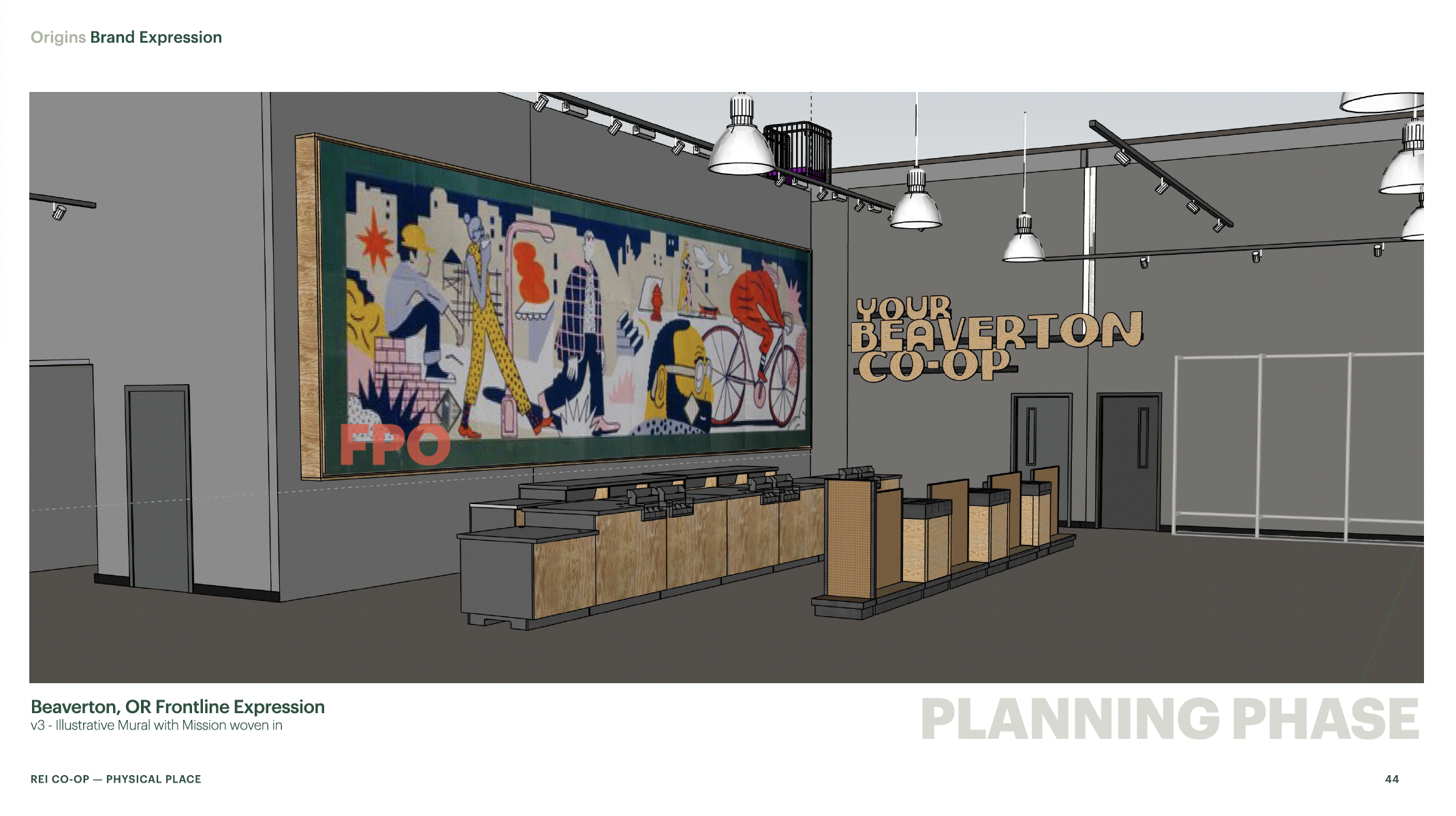
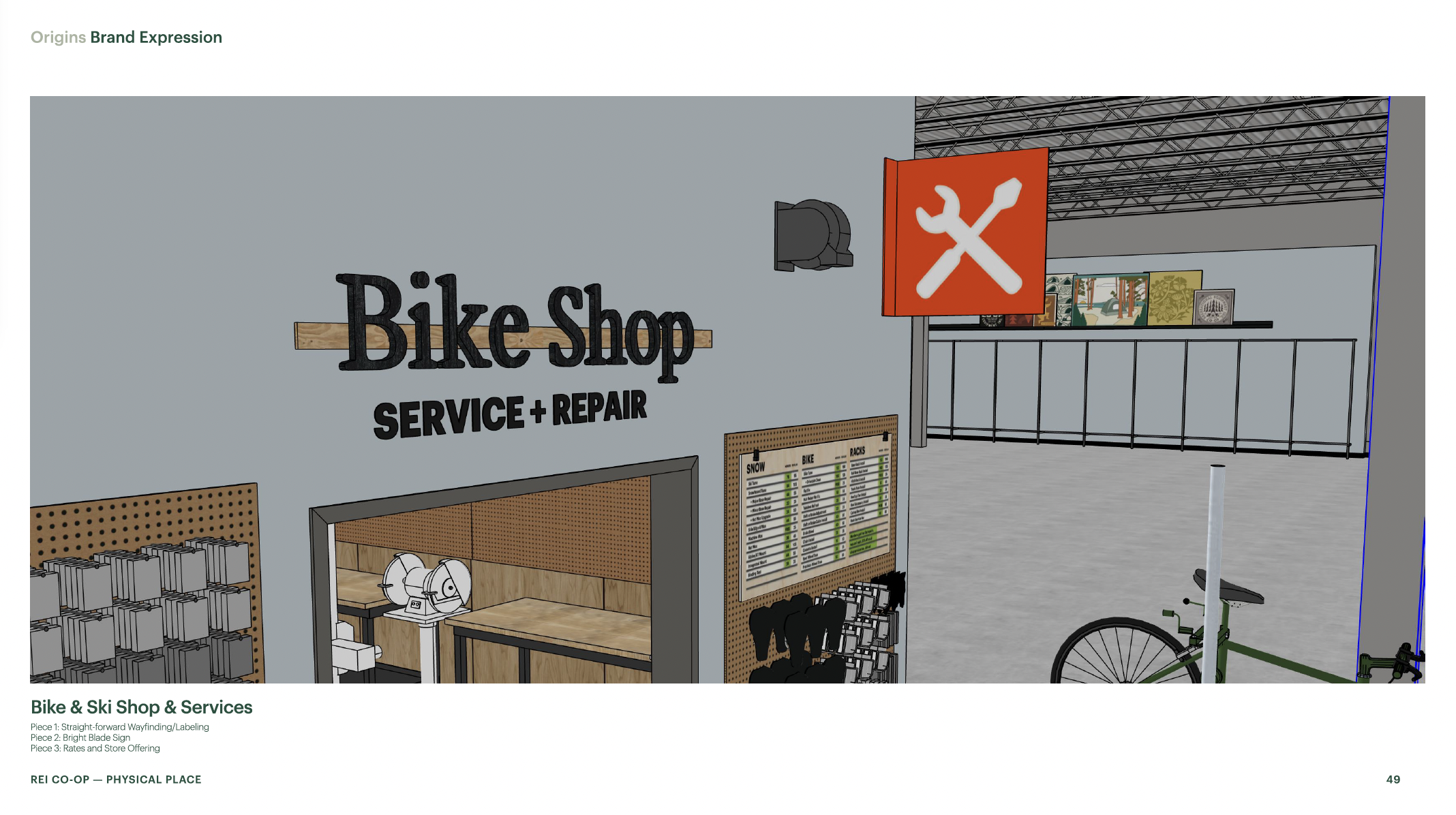
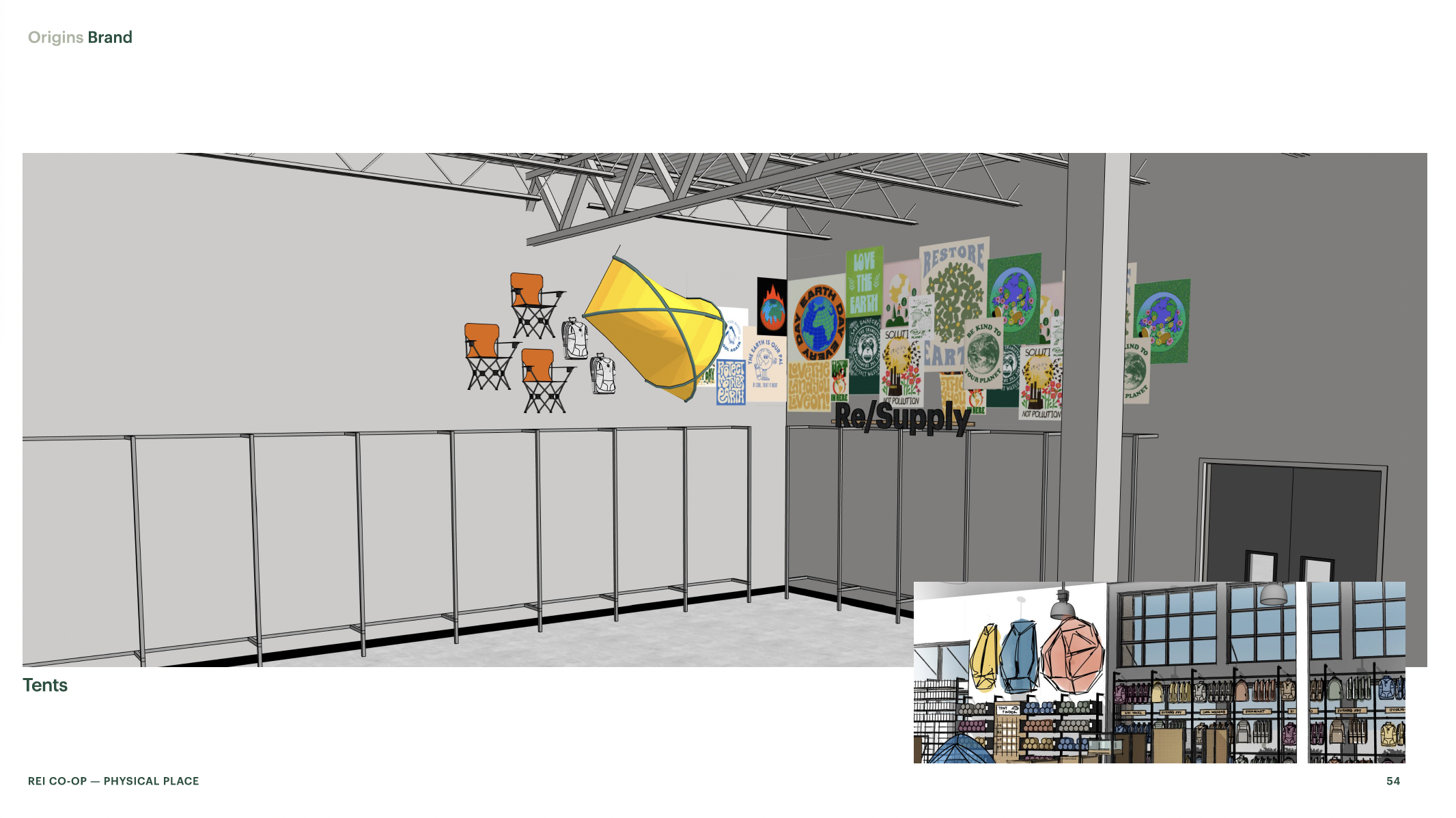
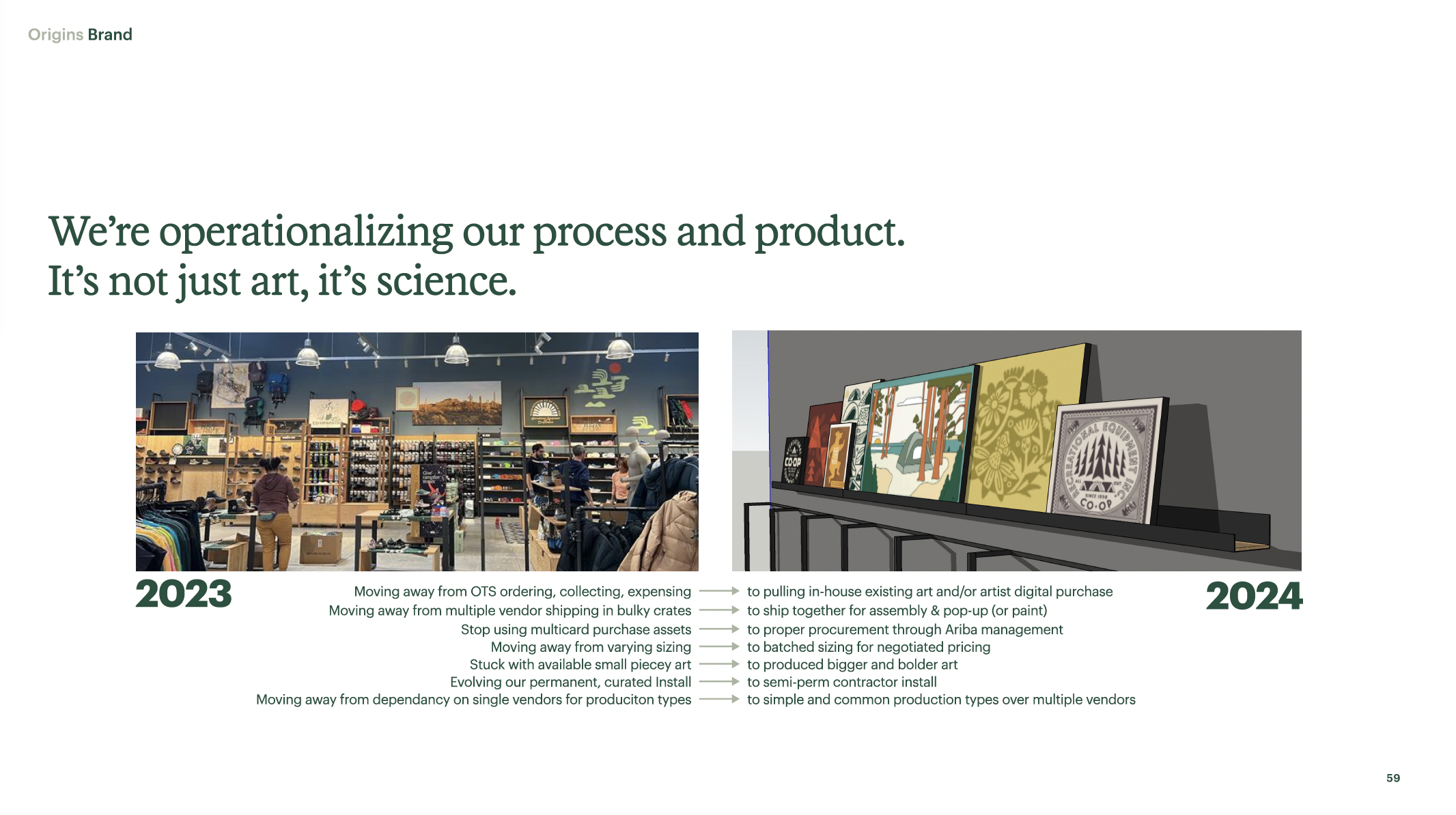
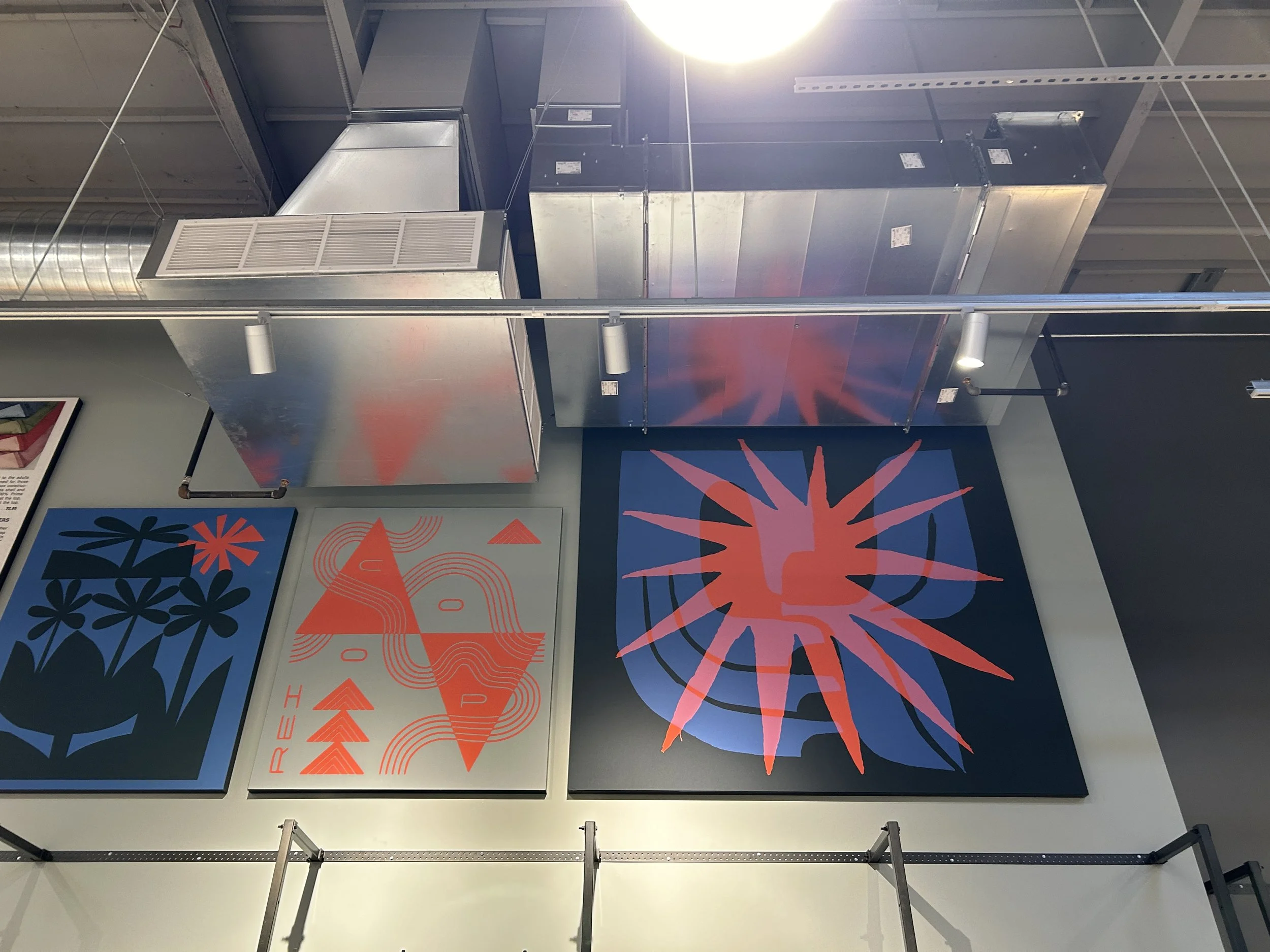
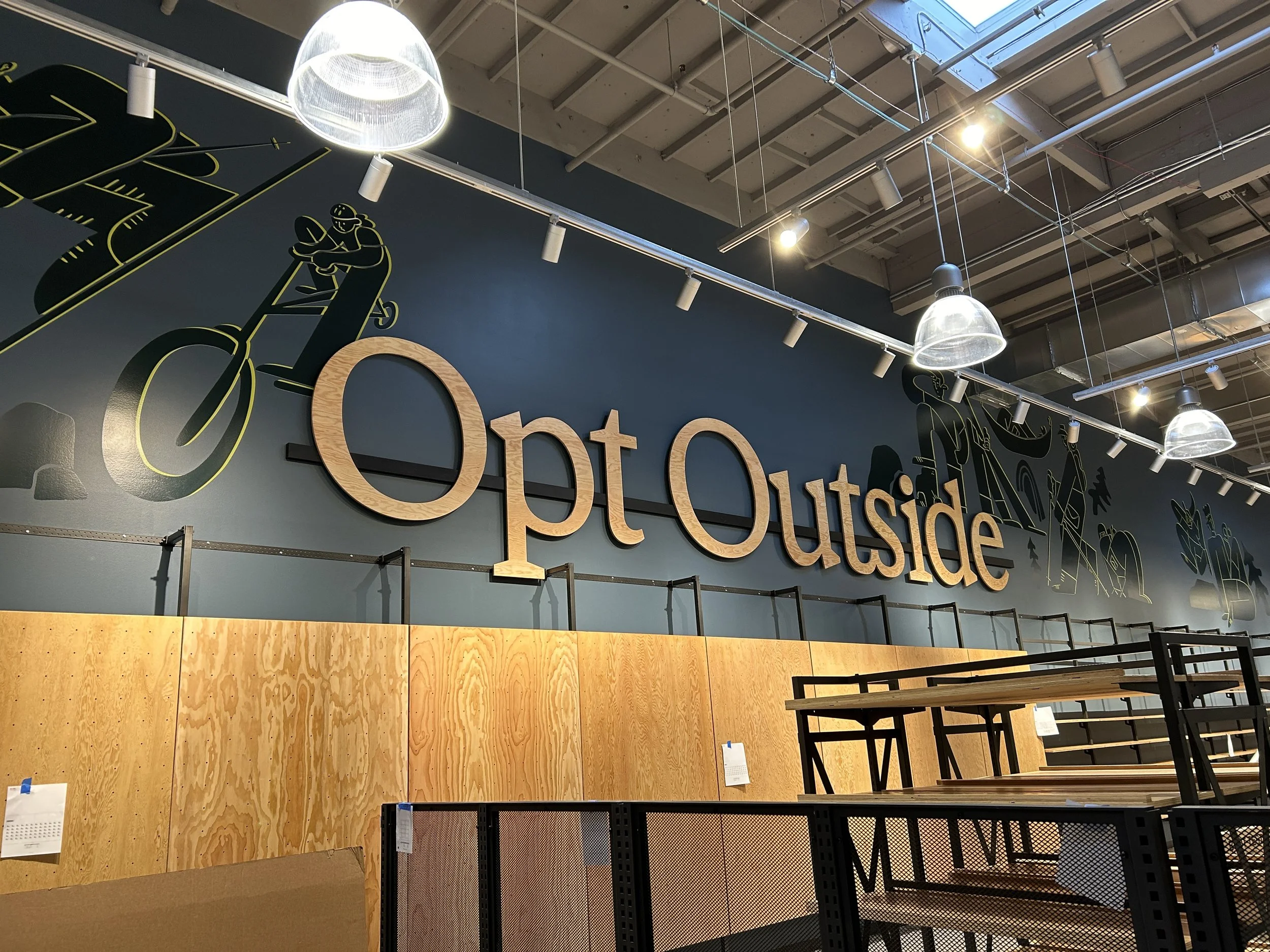
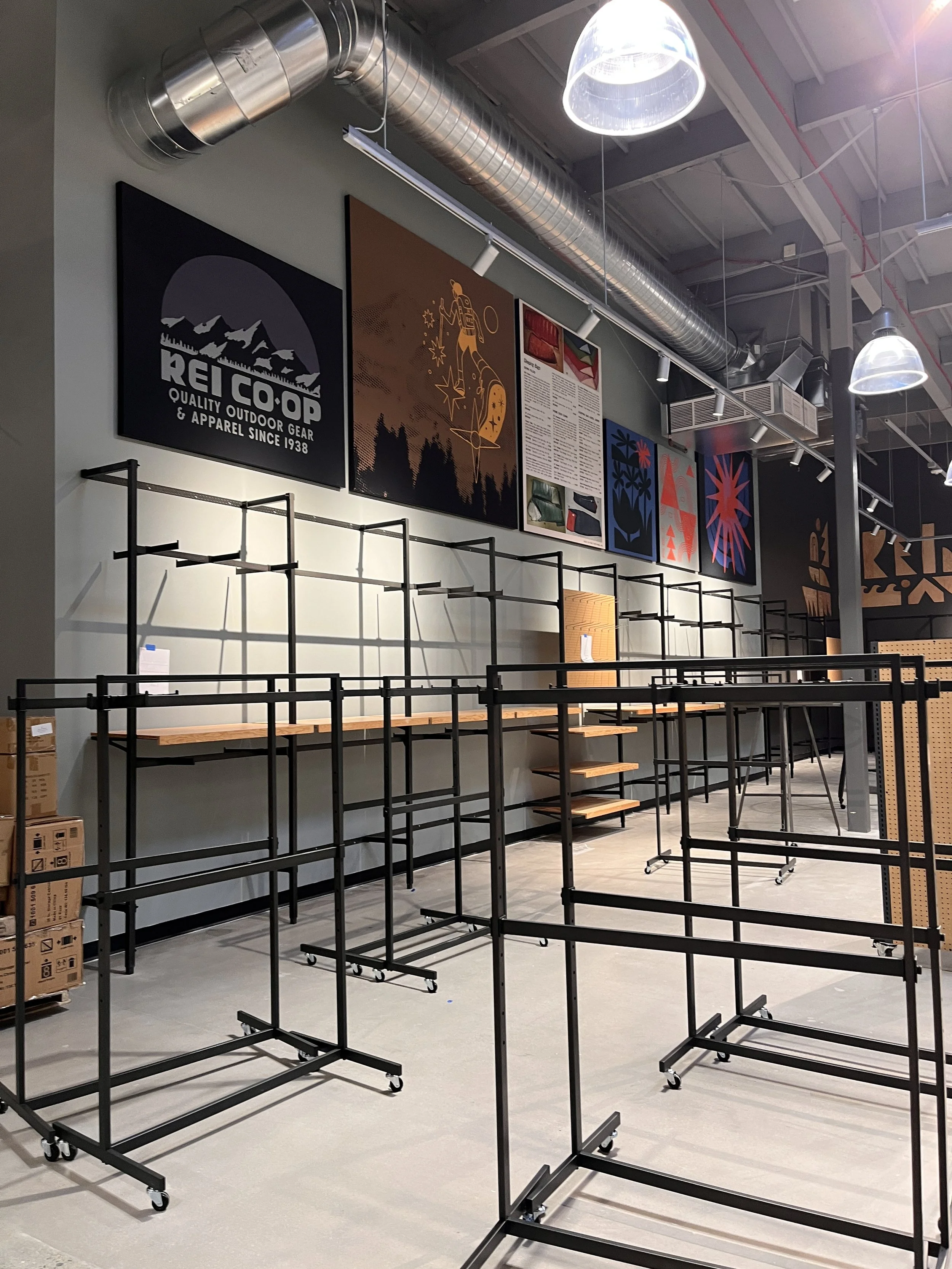
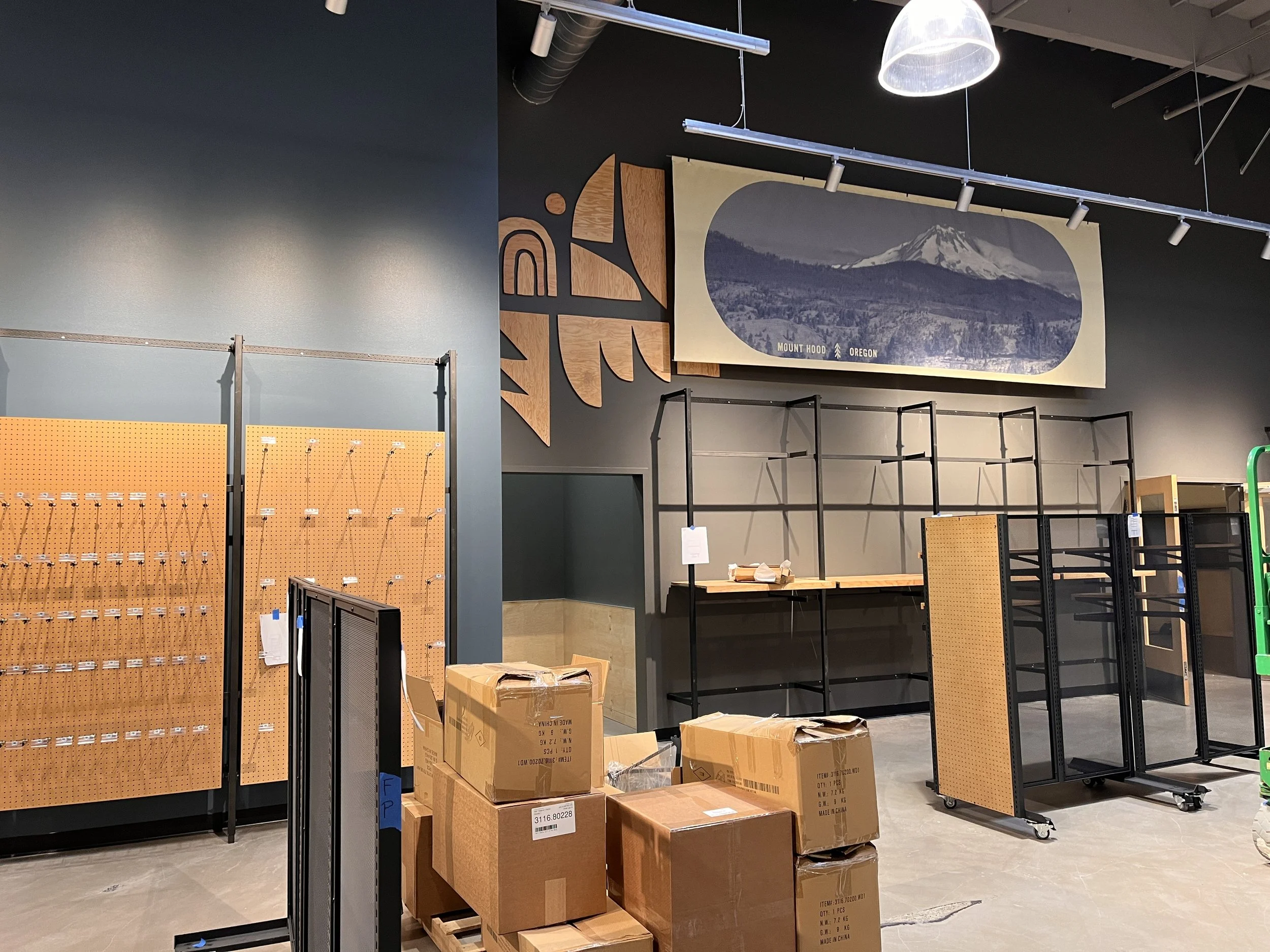
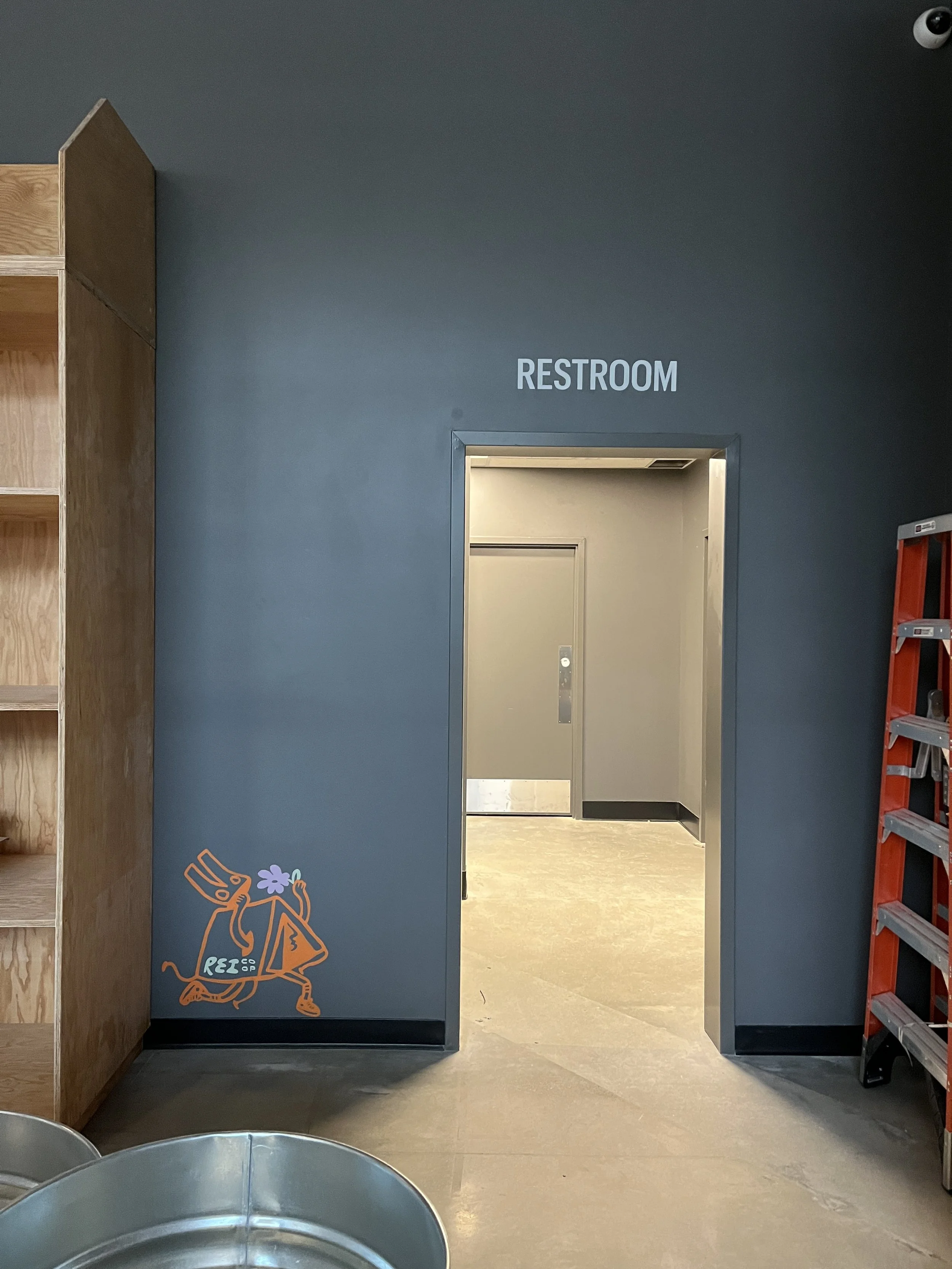
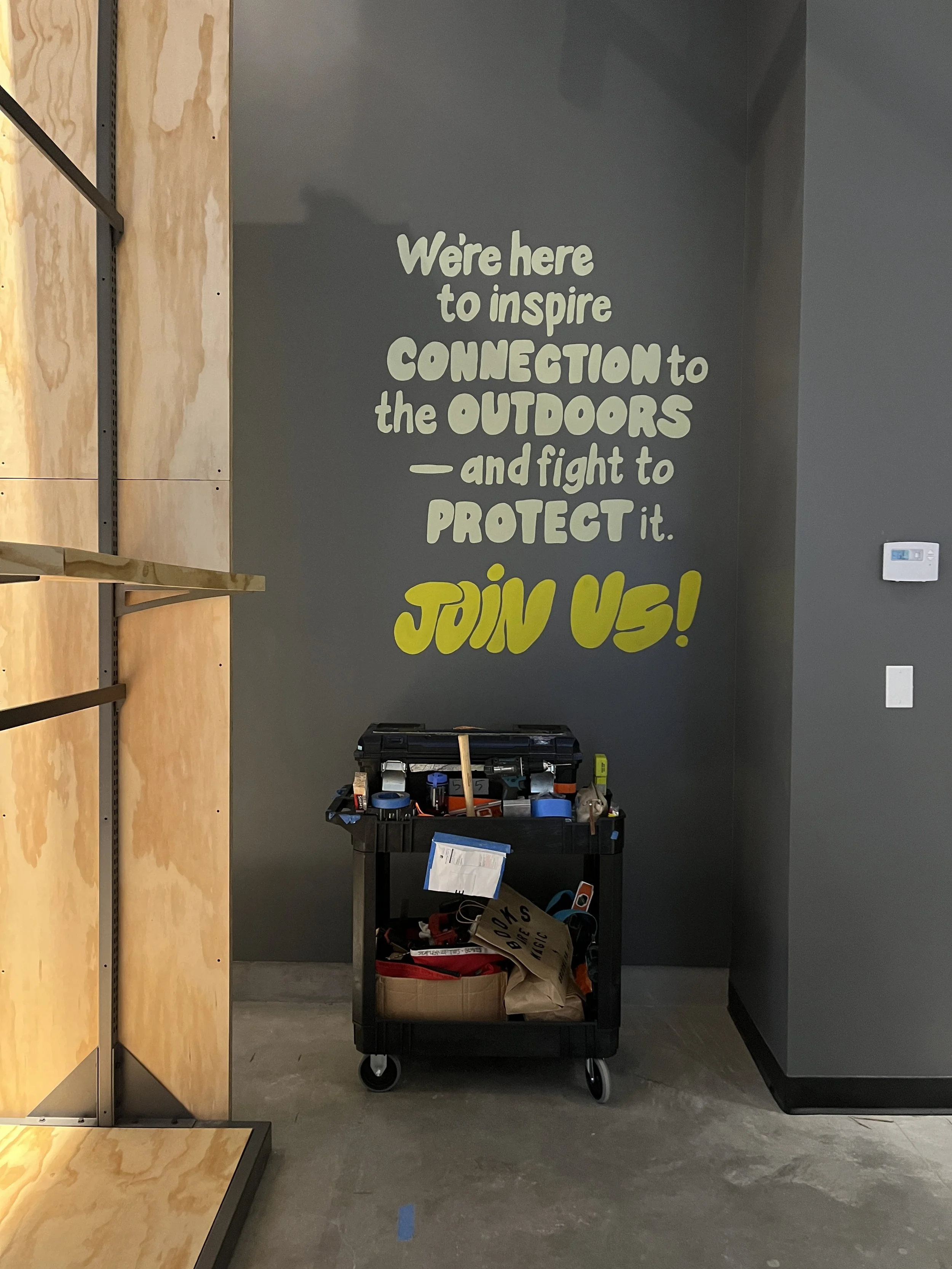
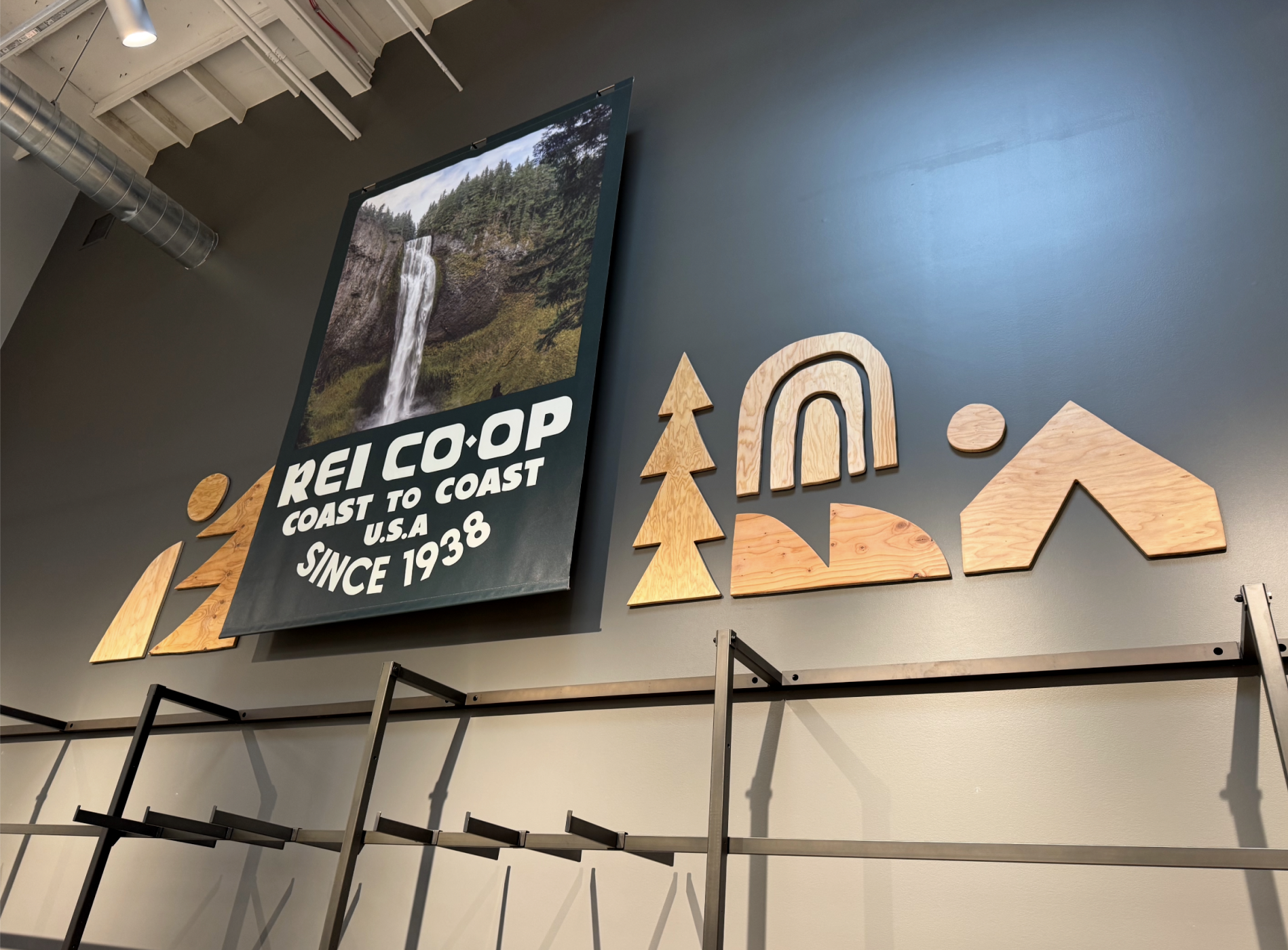
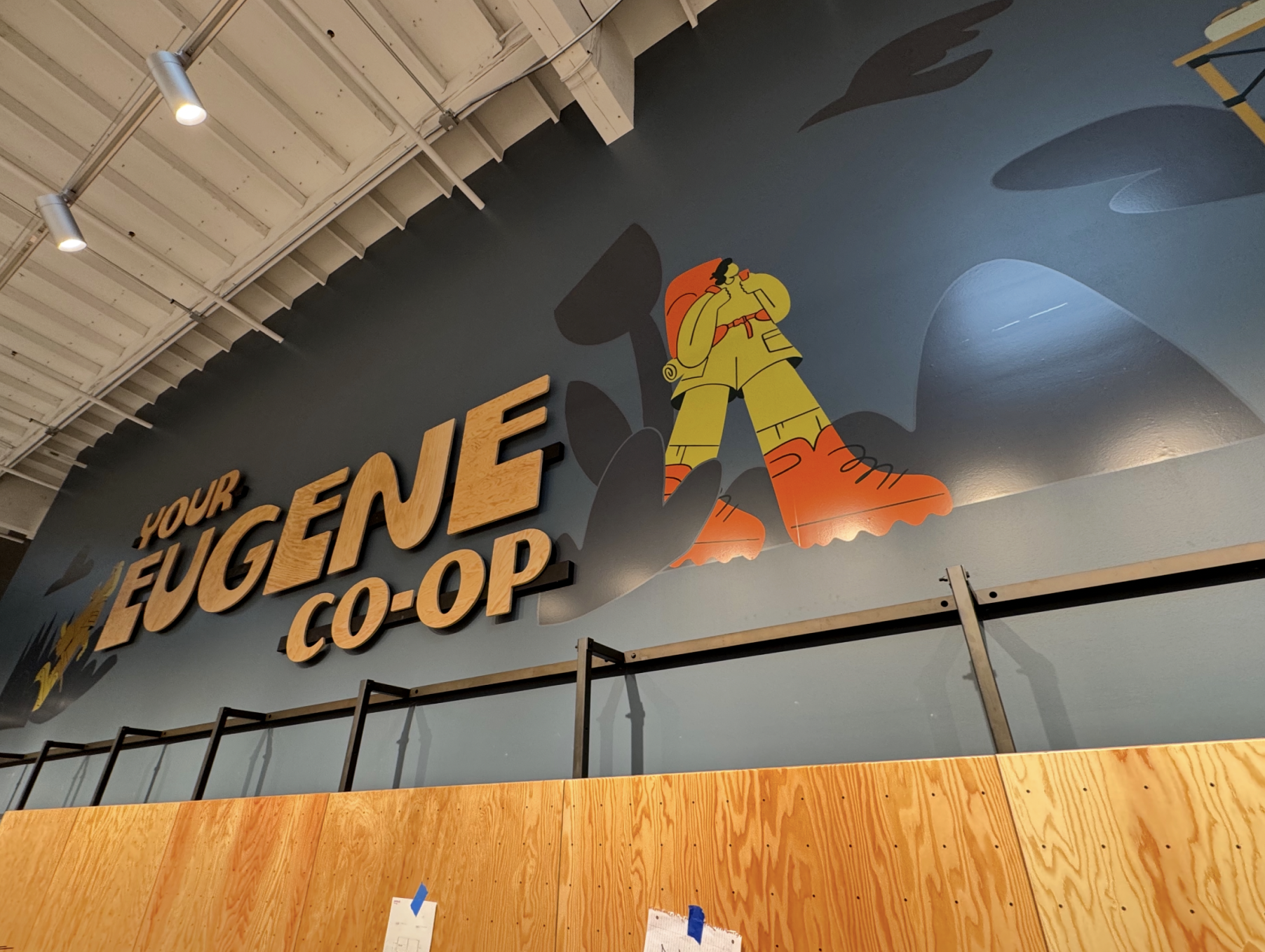
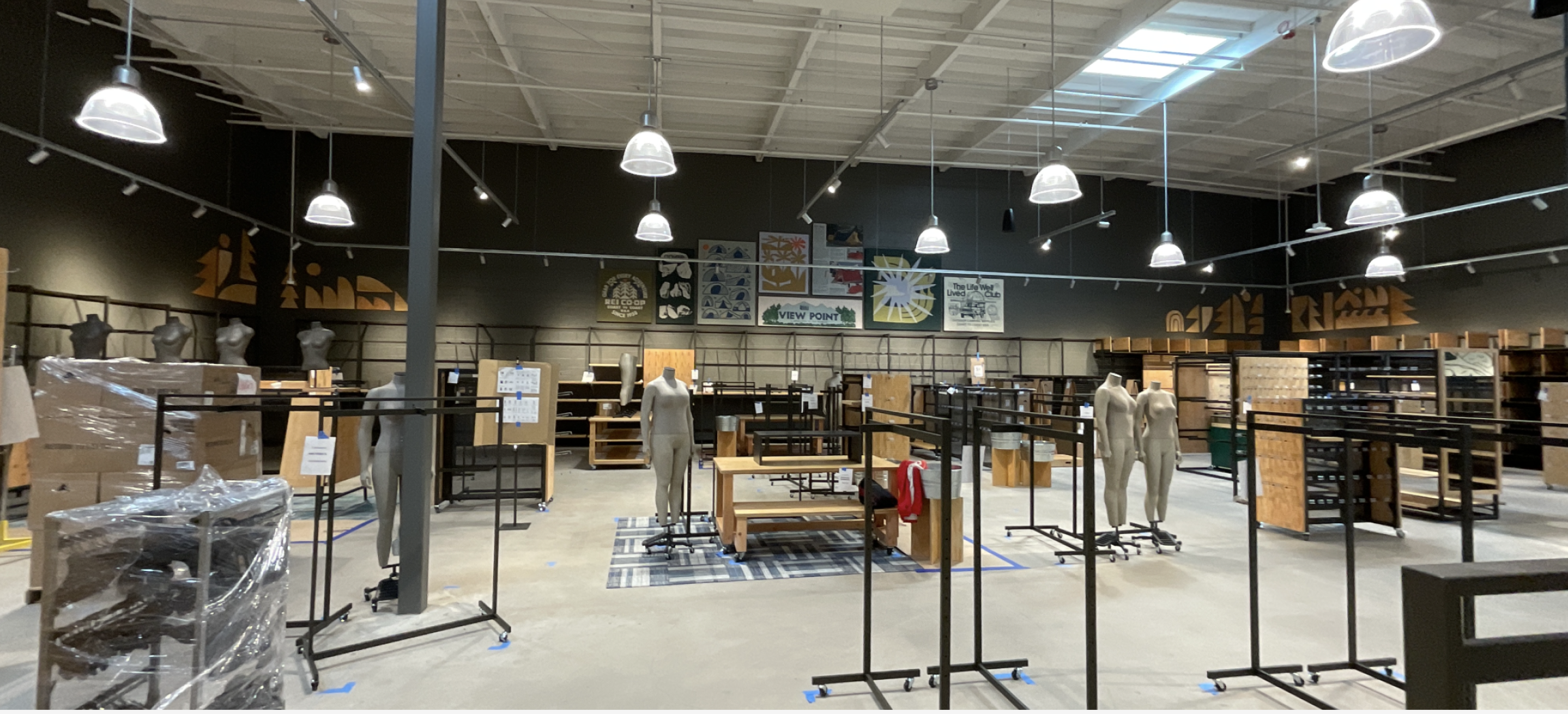
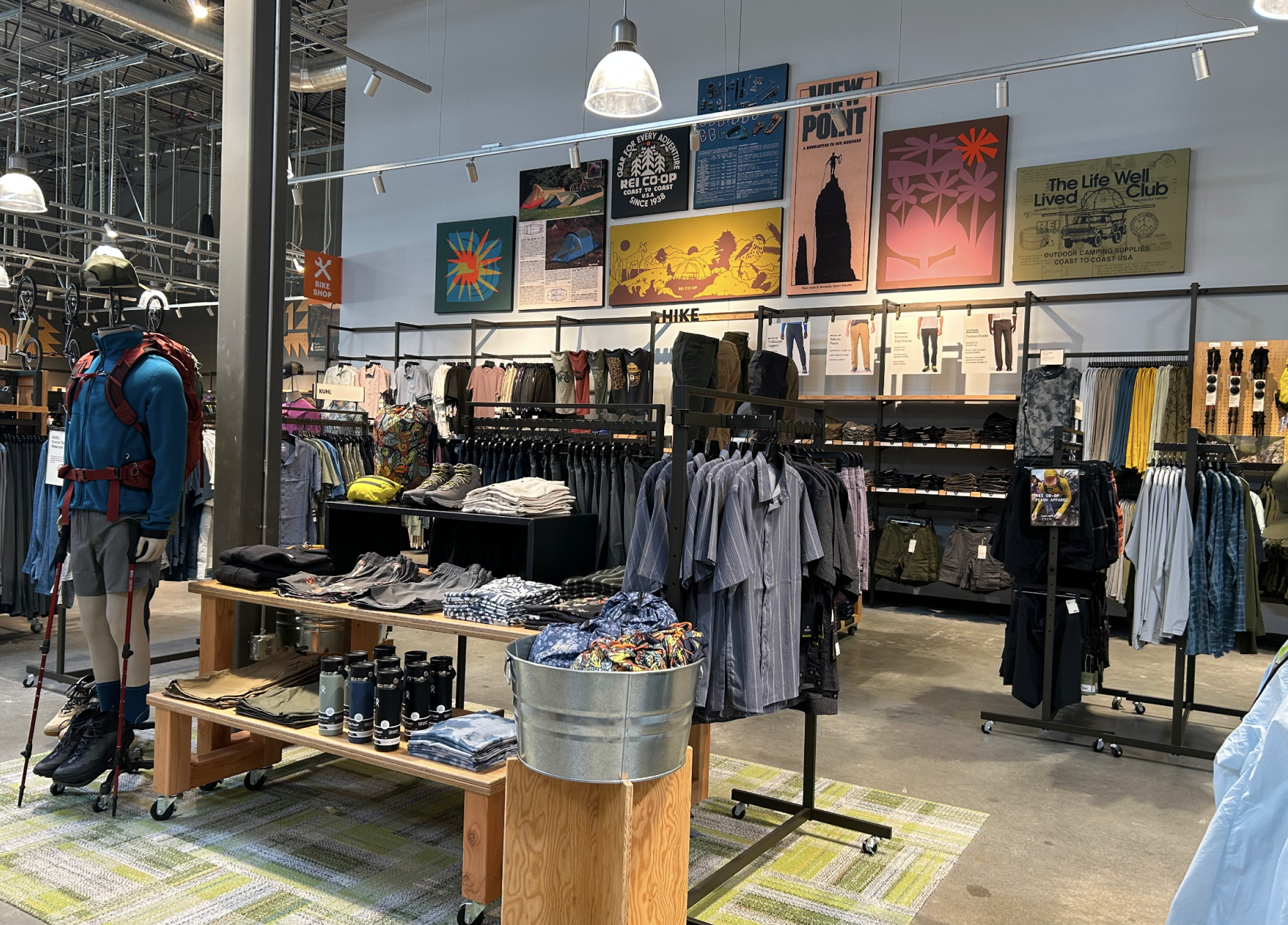
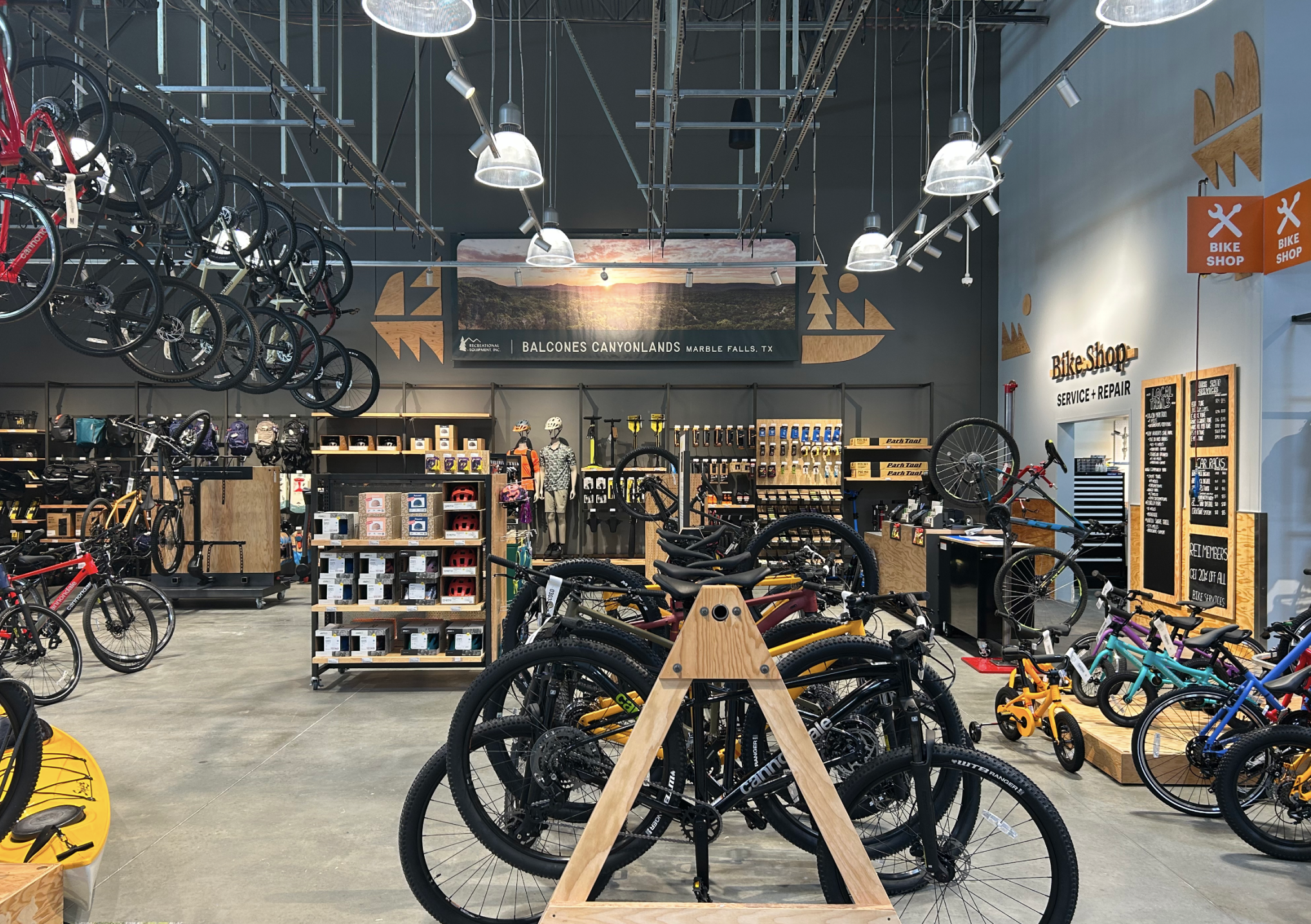
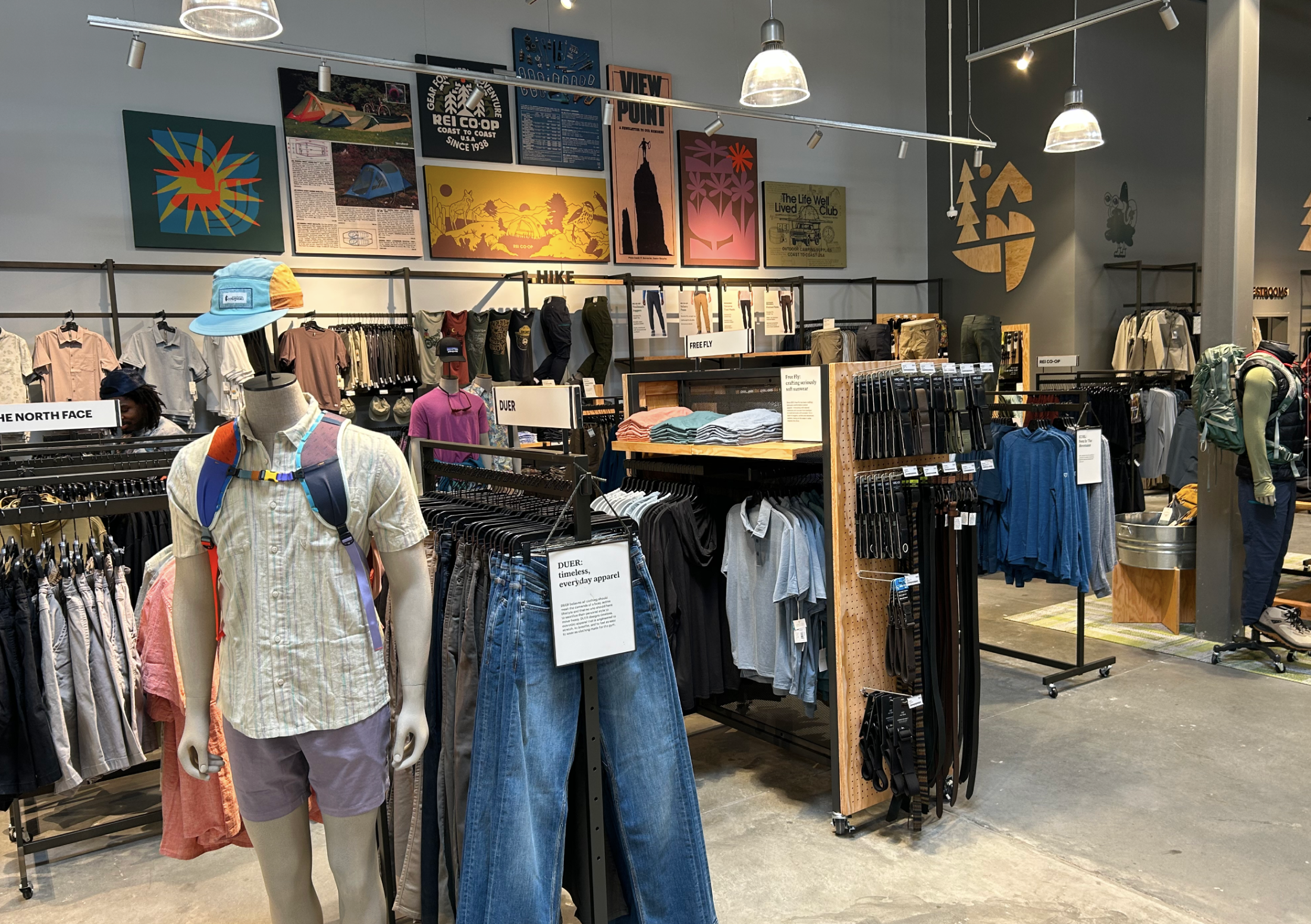
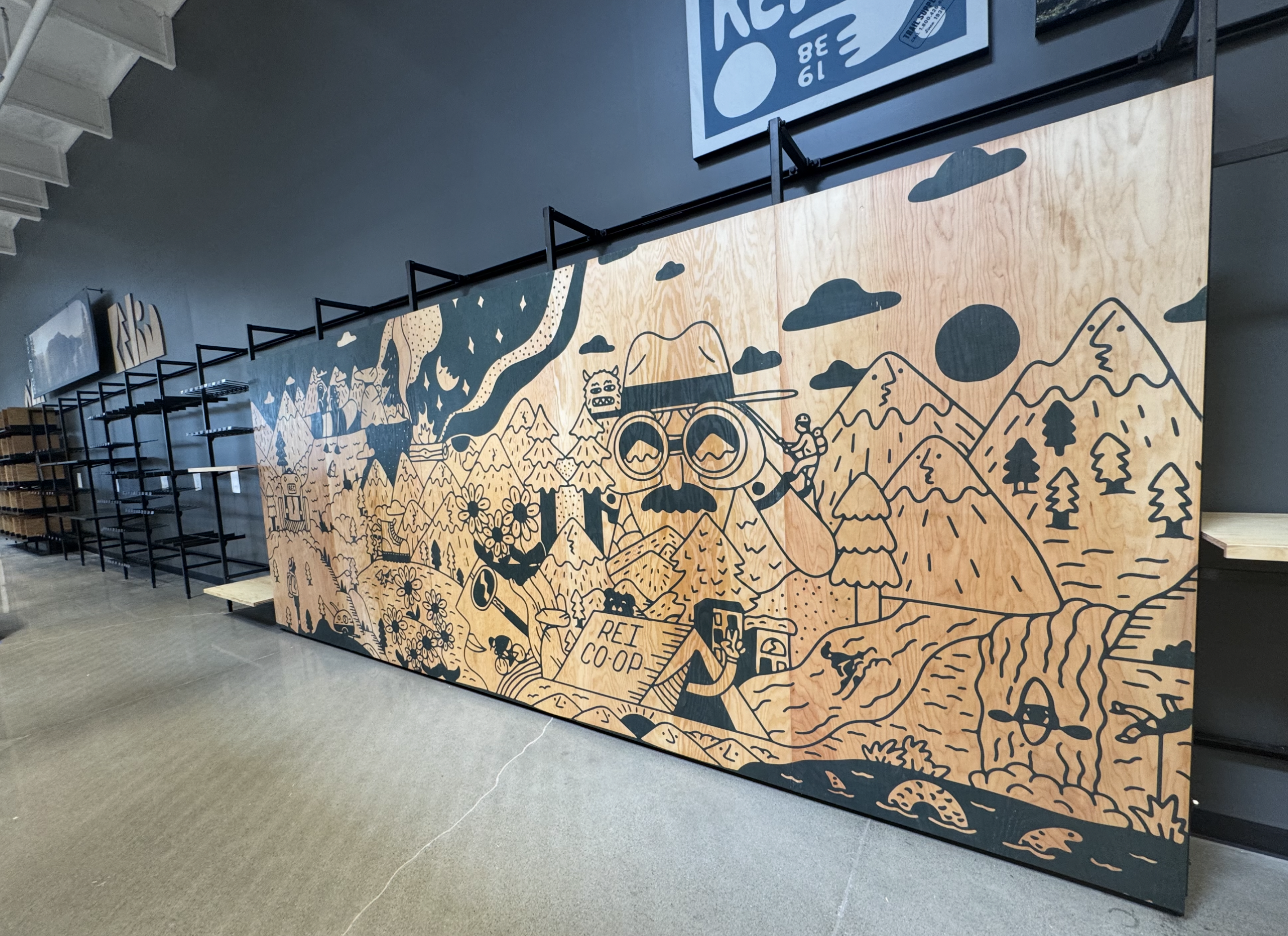
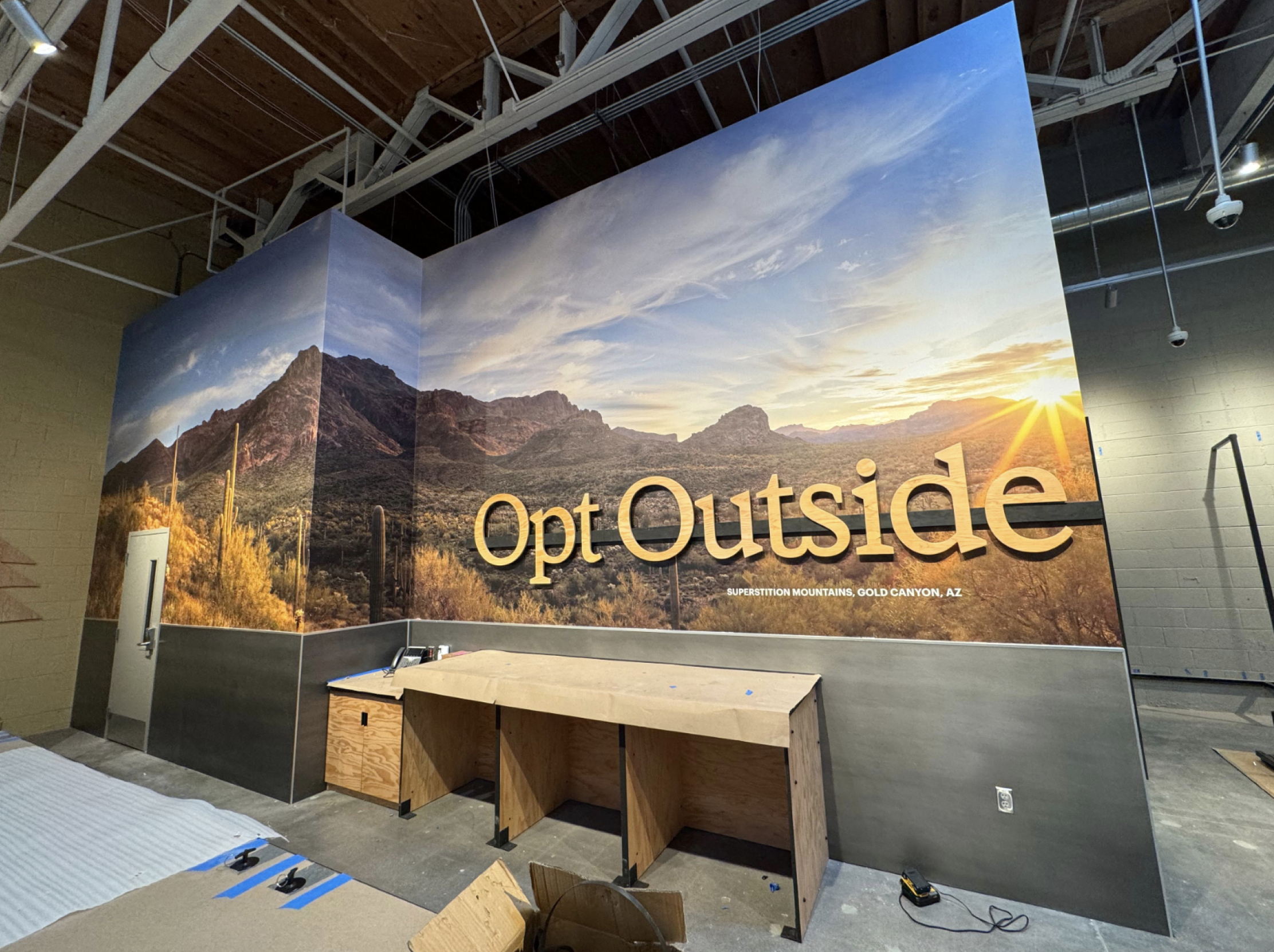
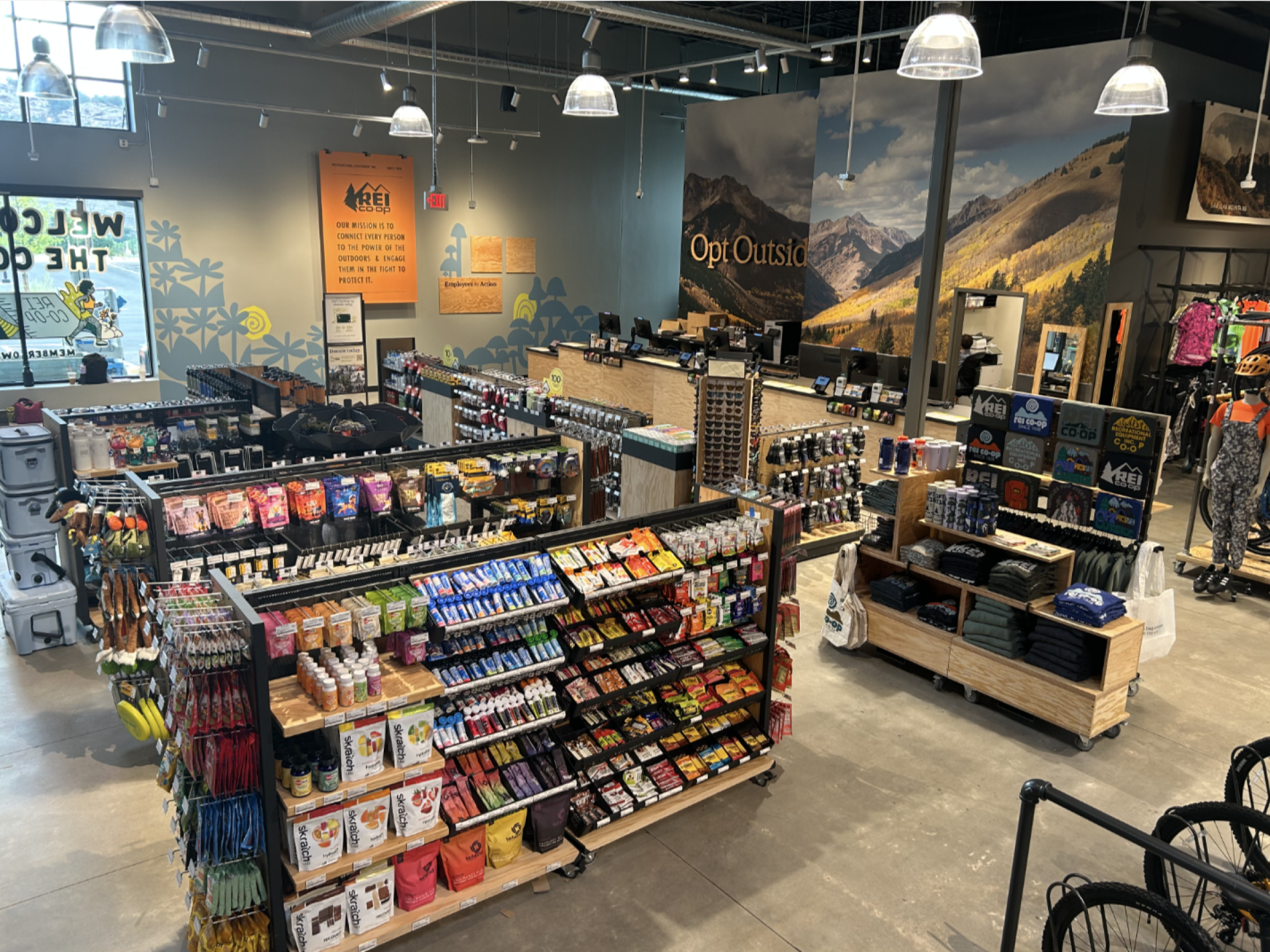
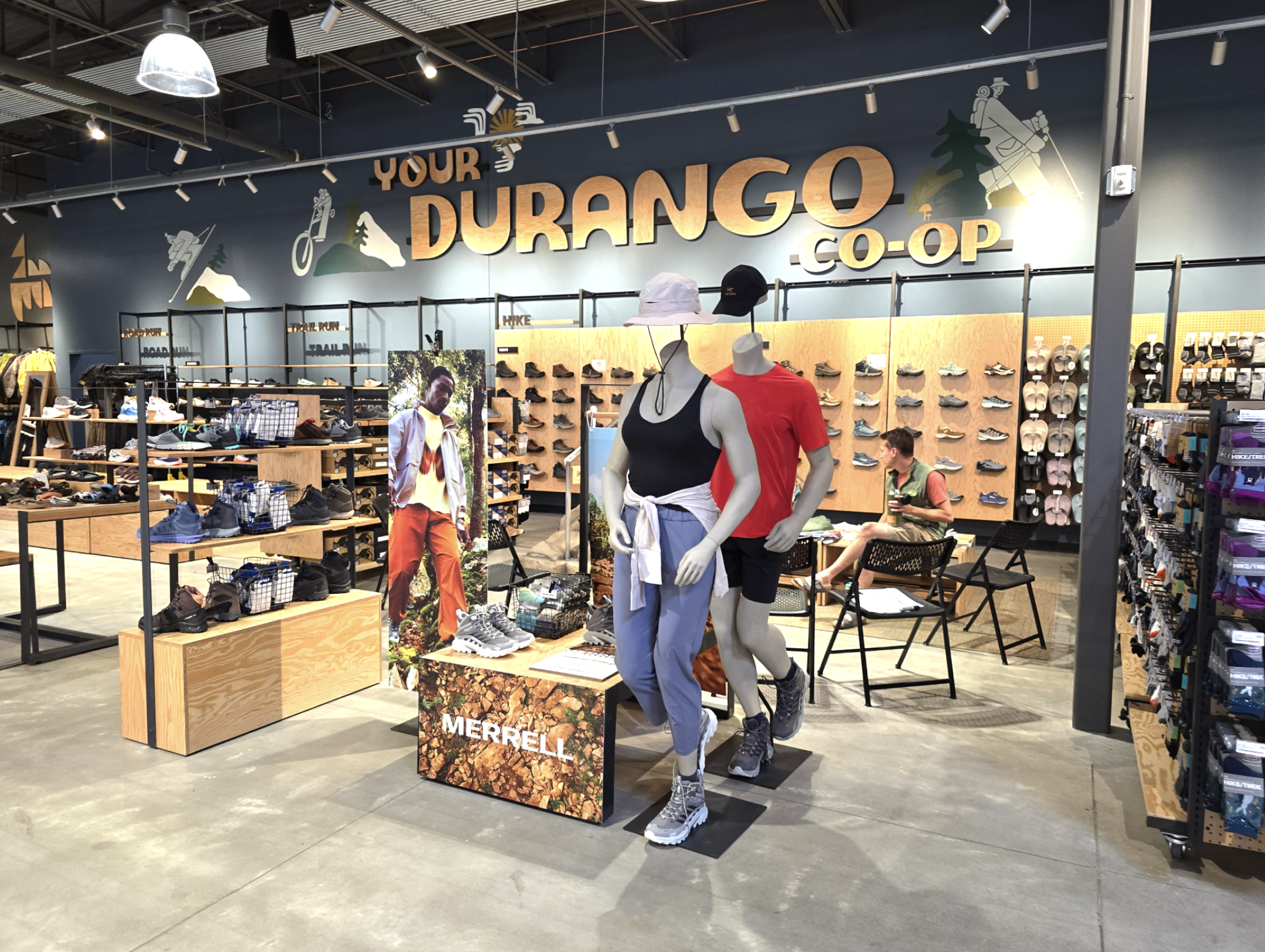
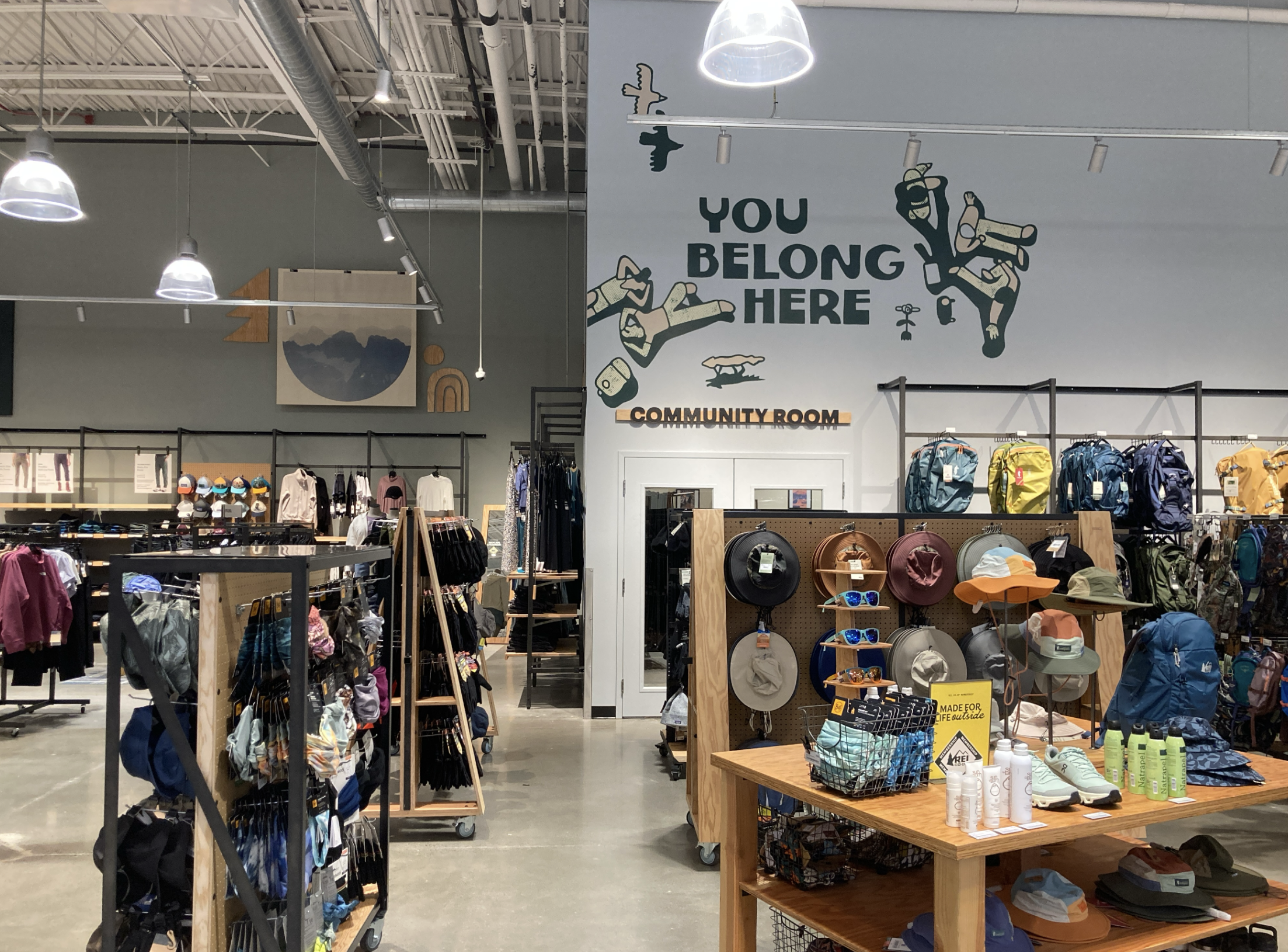
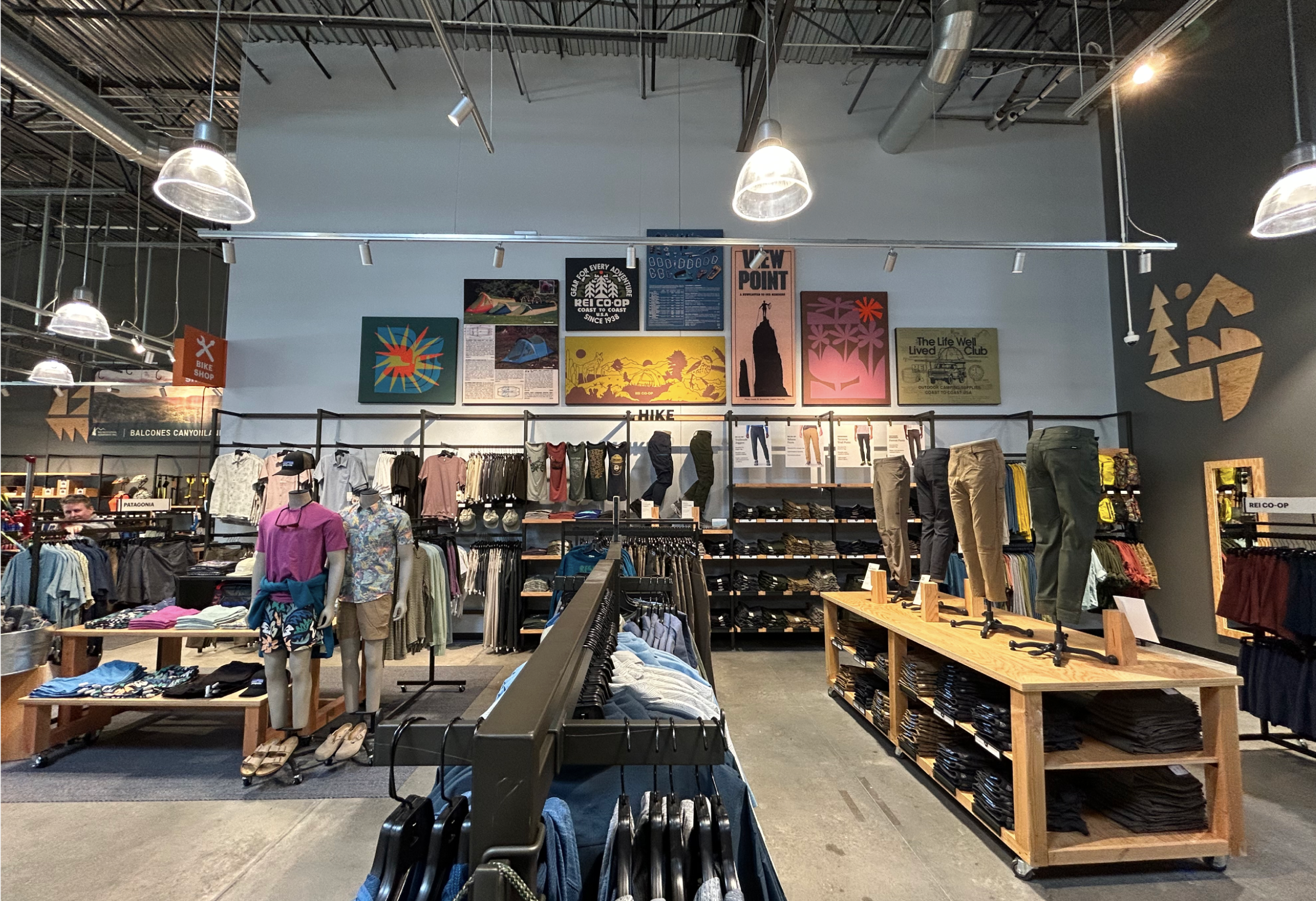
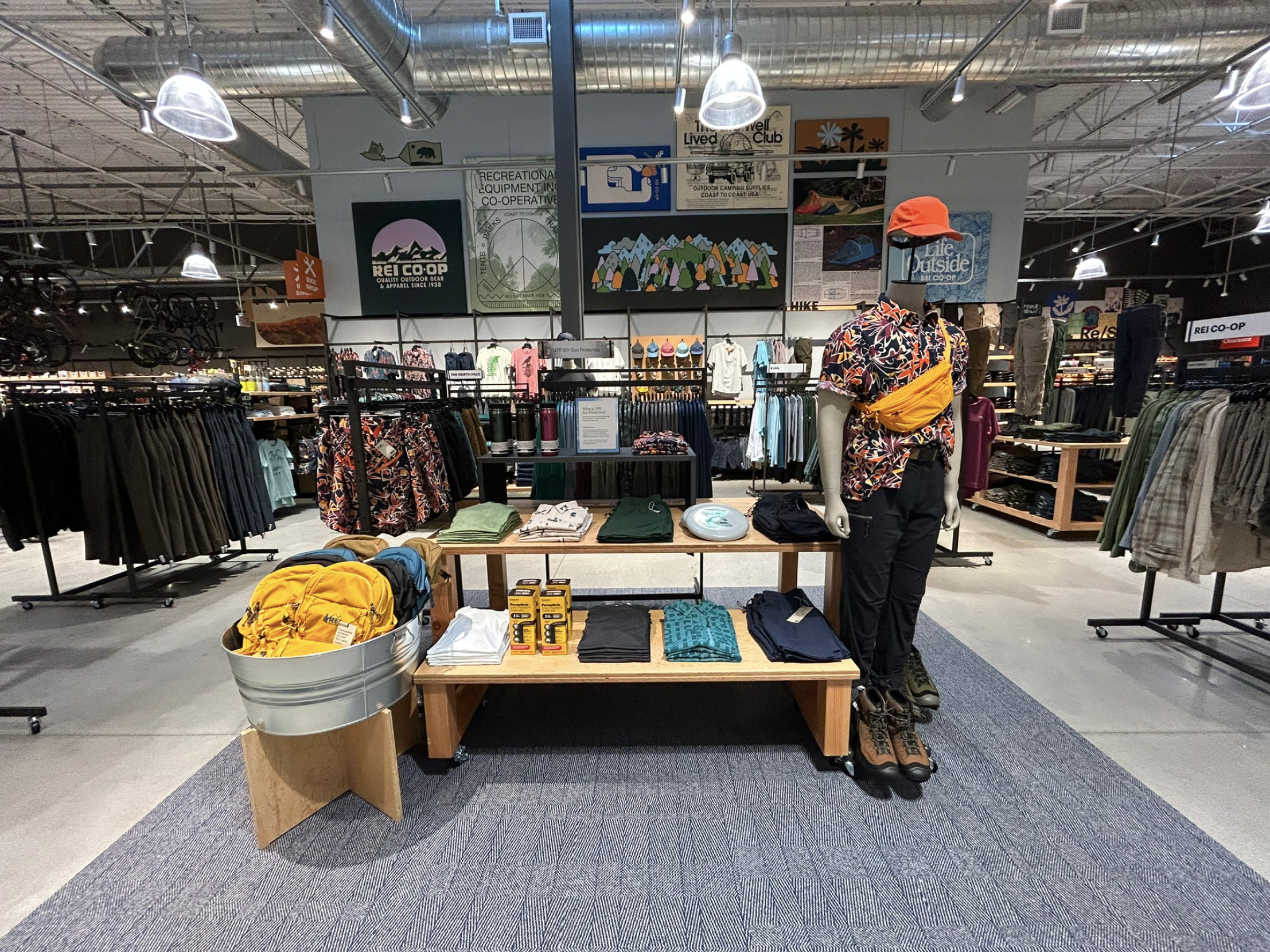
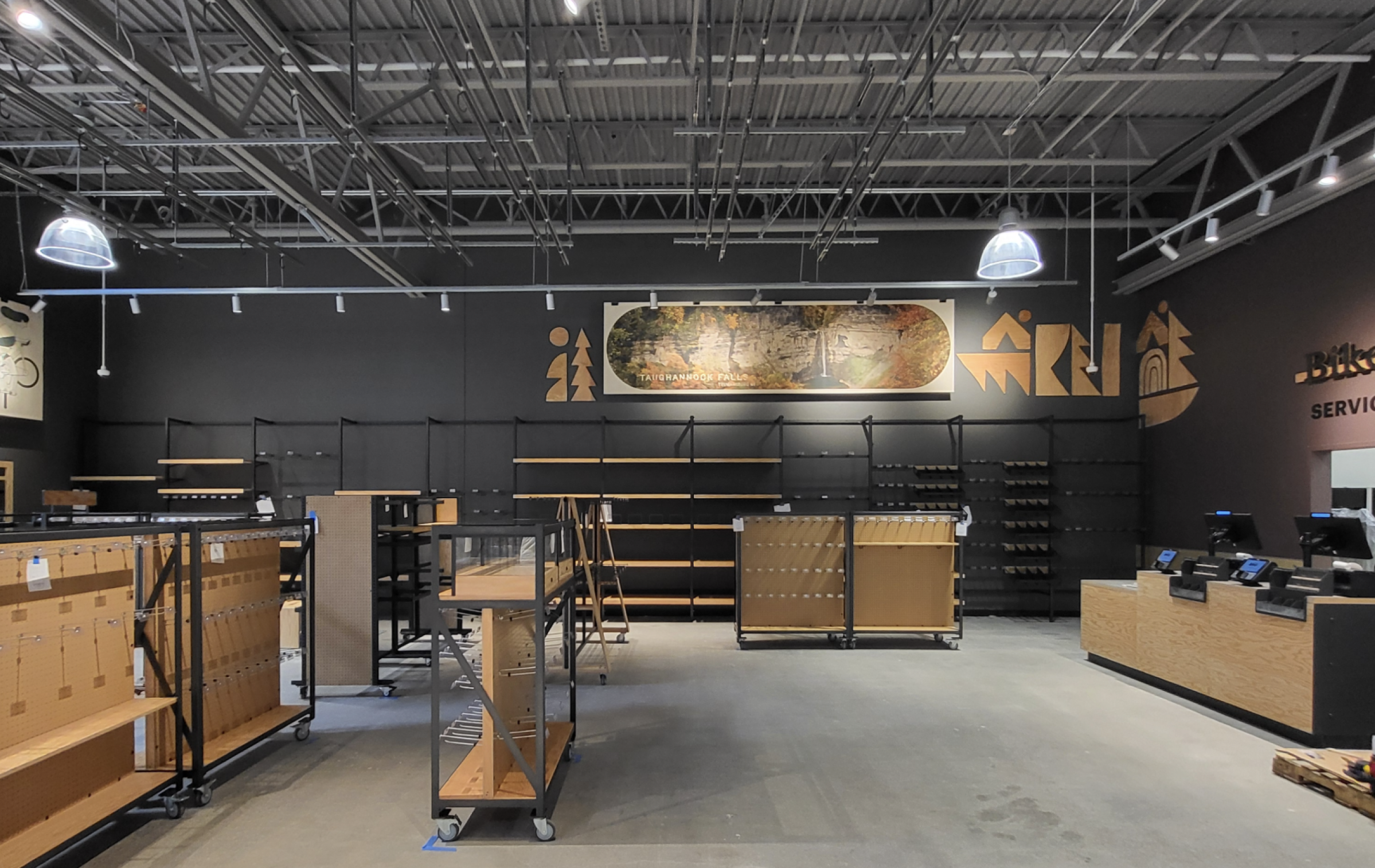
REI's physical environments used to speak in found objects and one-of-a-kind curation — beautiful, but time-consuming, expensive, and impossible to scale. The opportunity was to build a new design language that could travel: from Oregon to Texas, from a flagship to a remodel, from one architectural generation to the next — without losing the soul that made the original work matter.
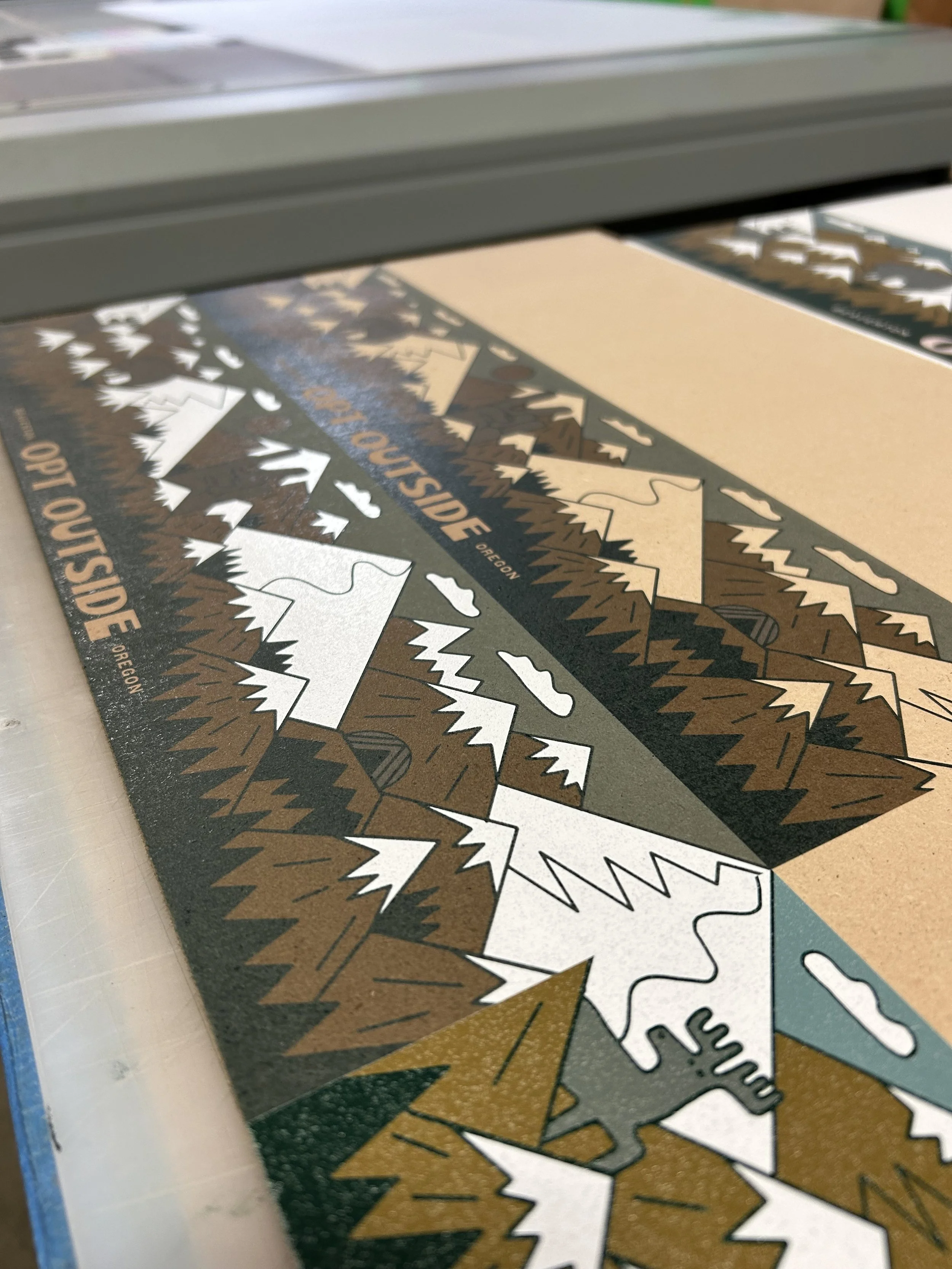
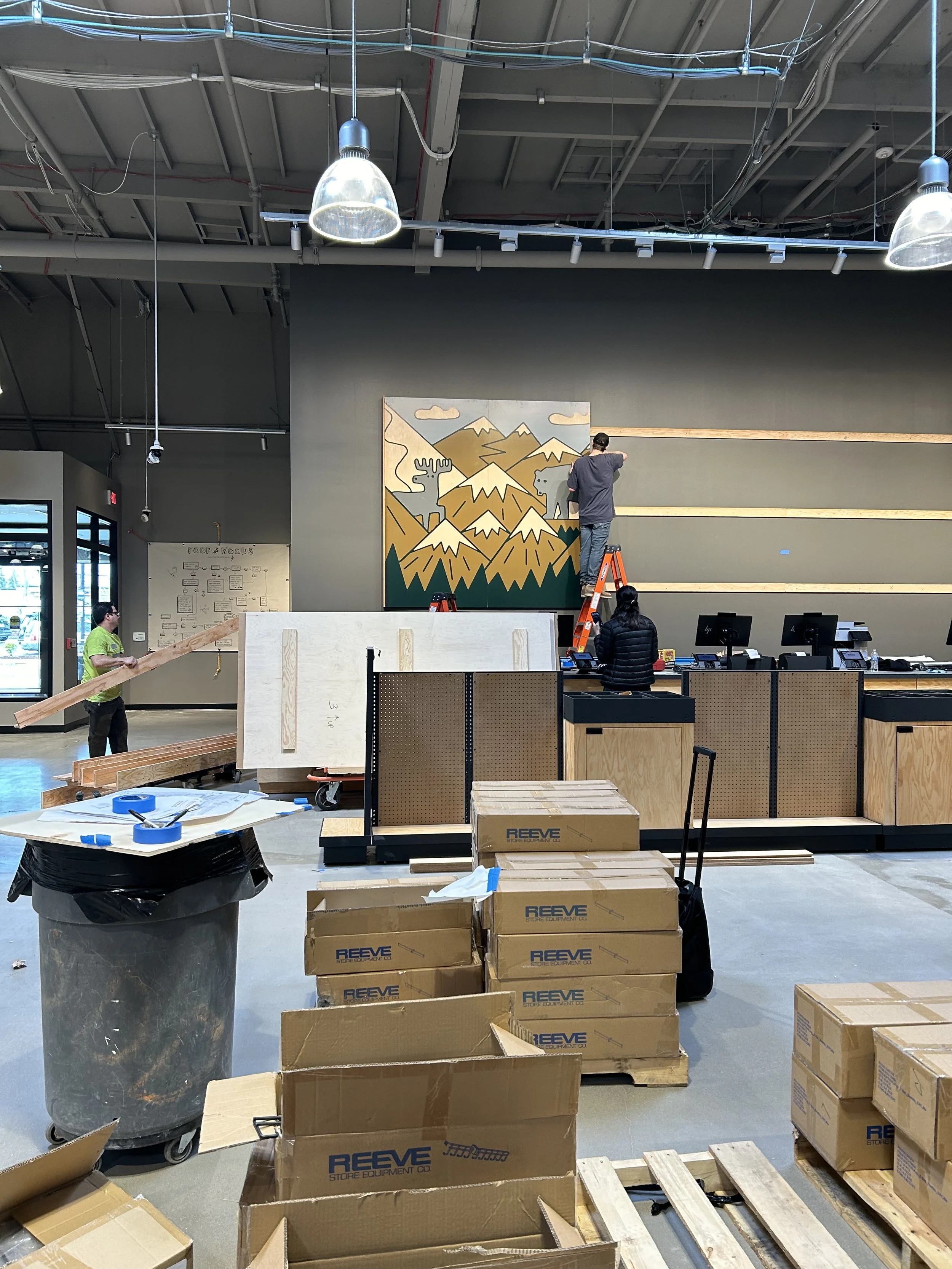
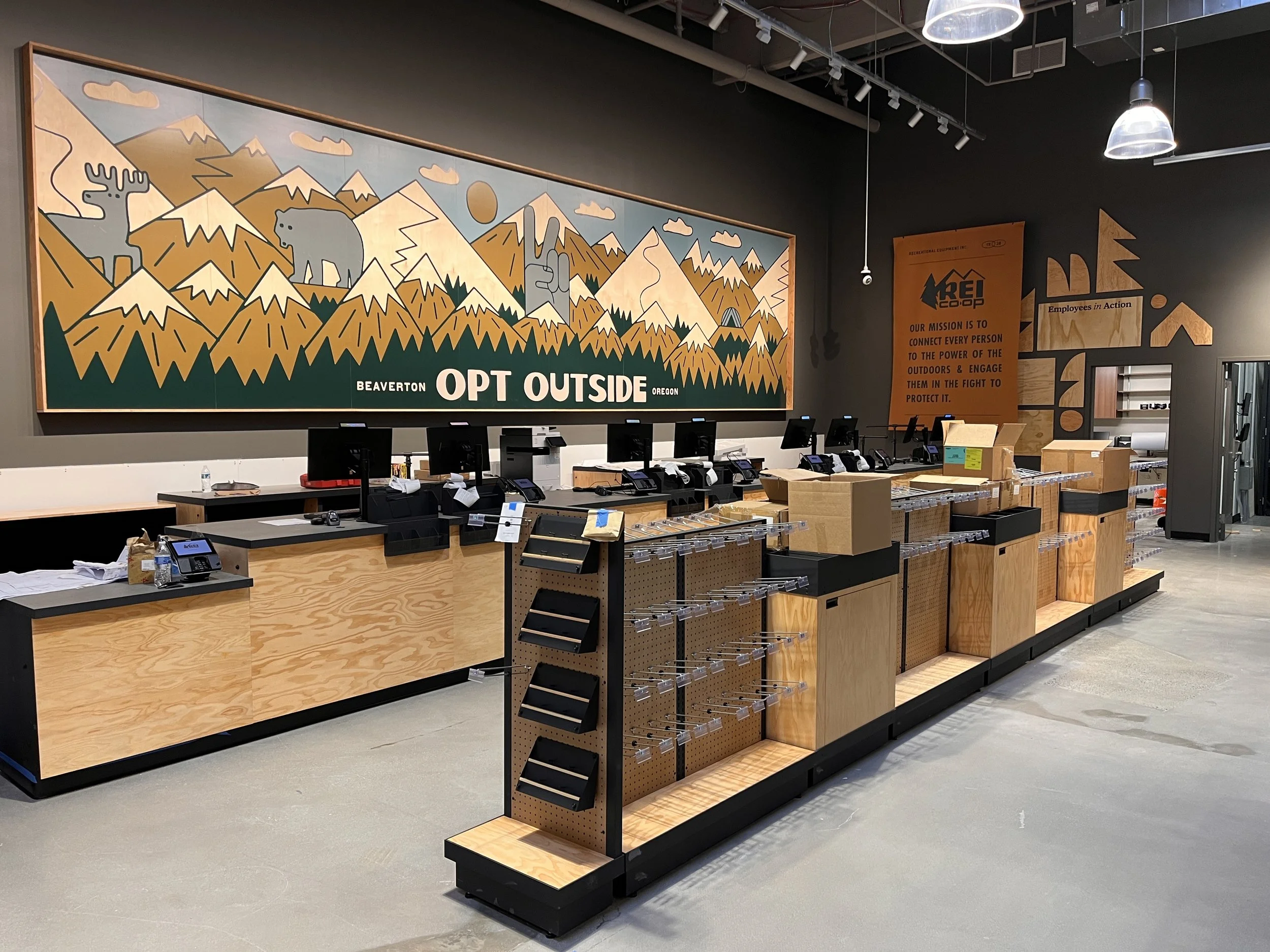
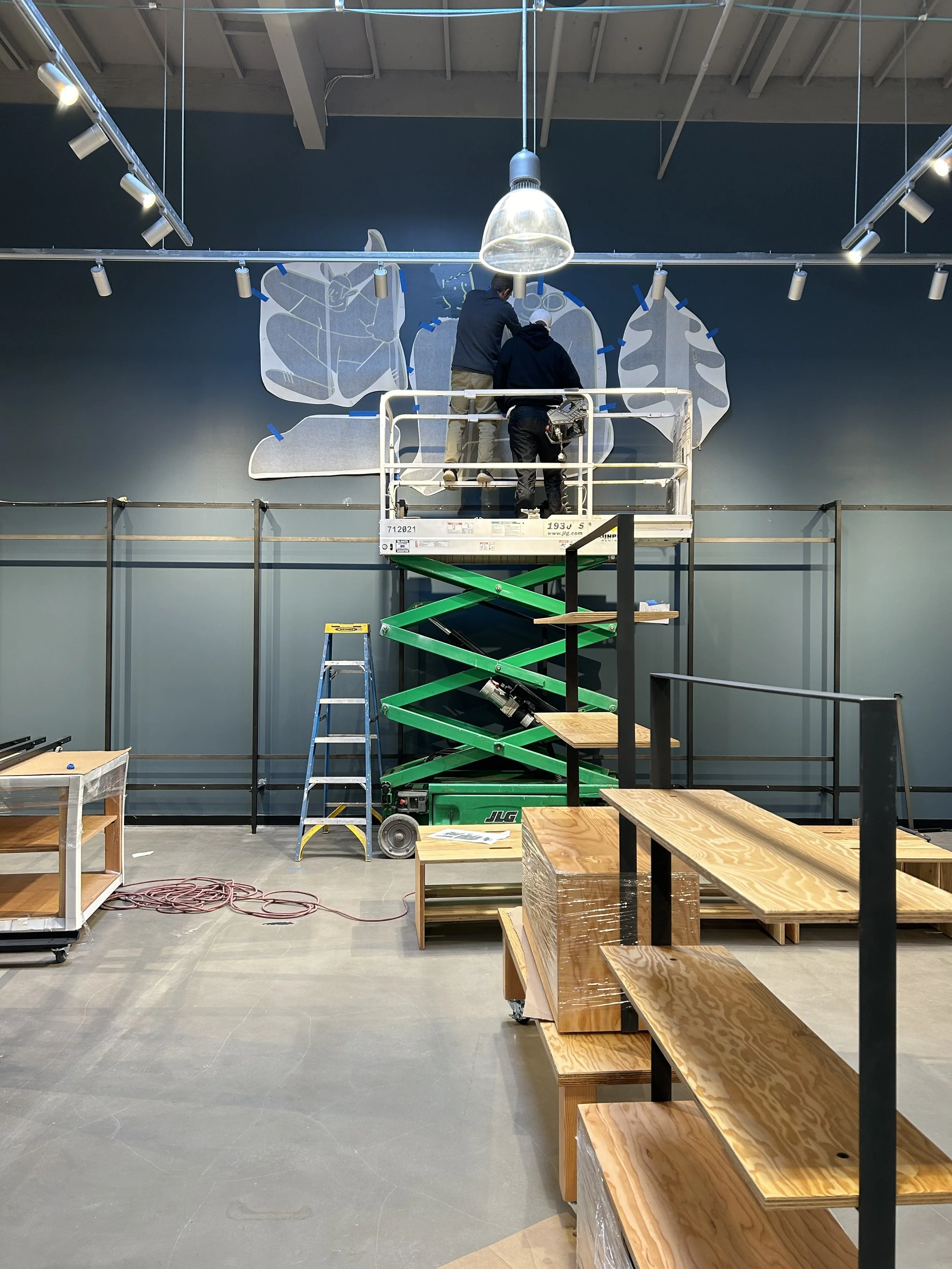
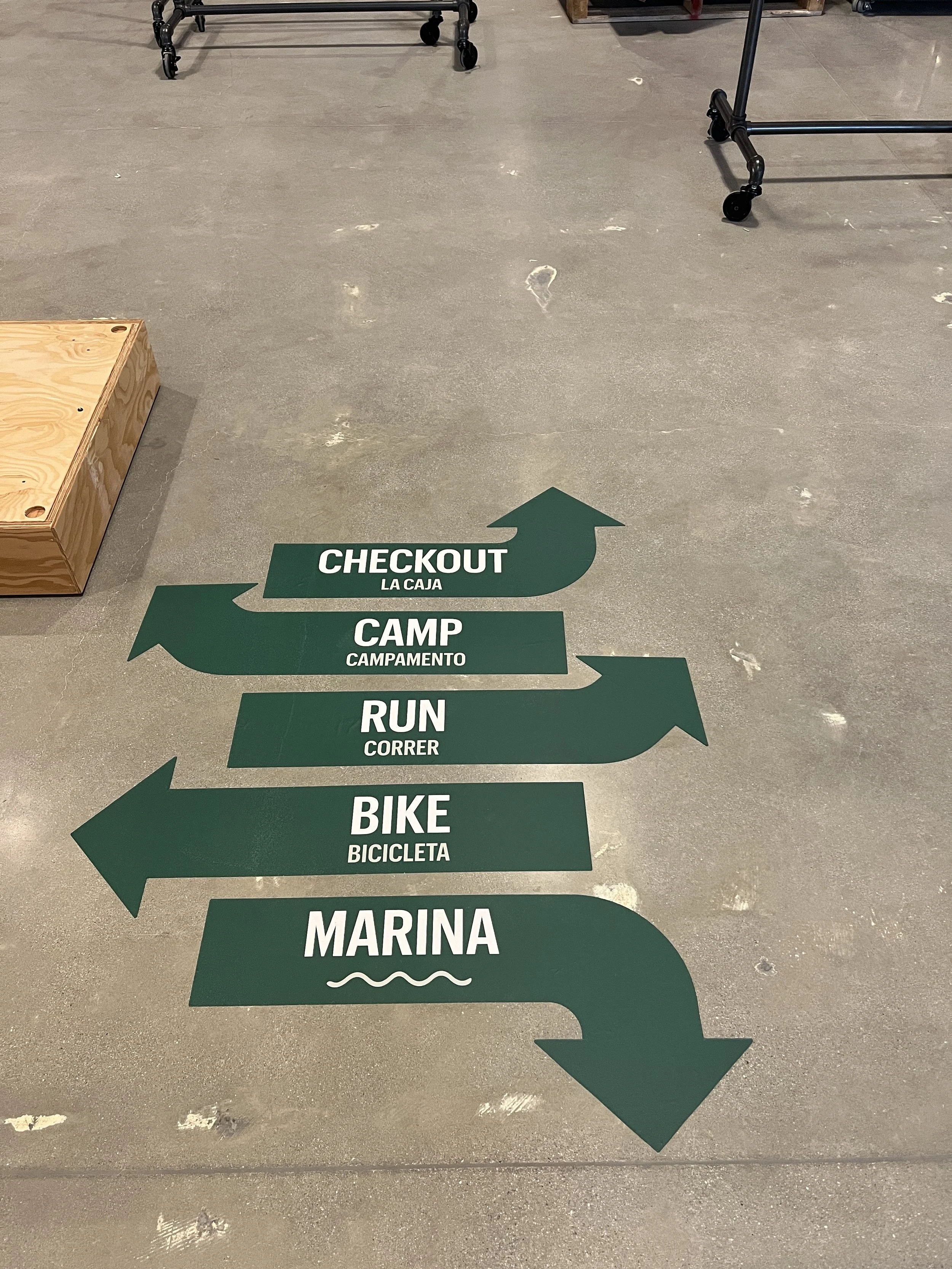
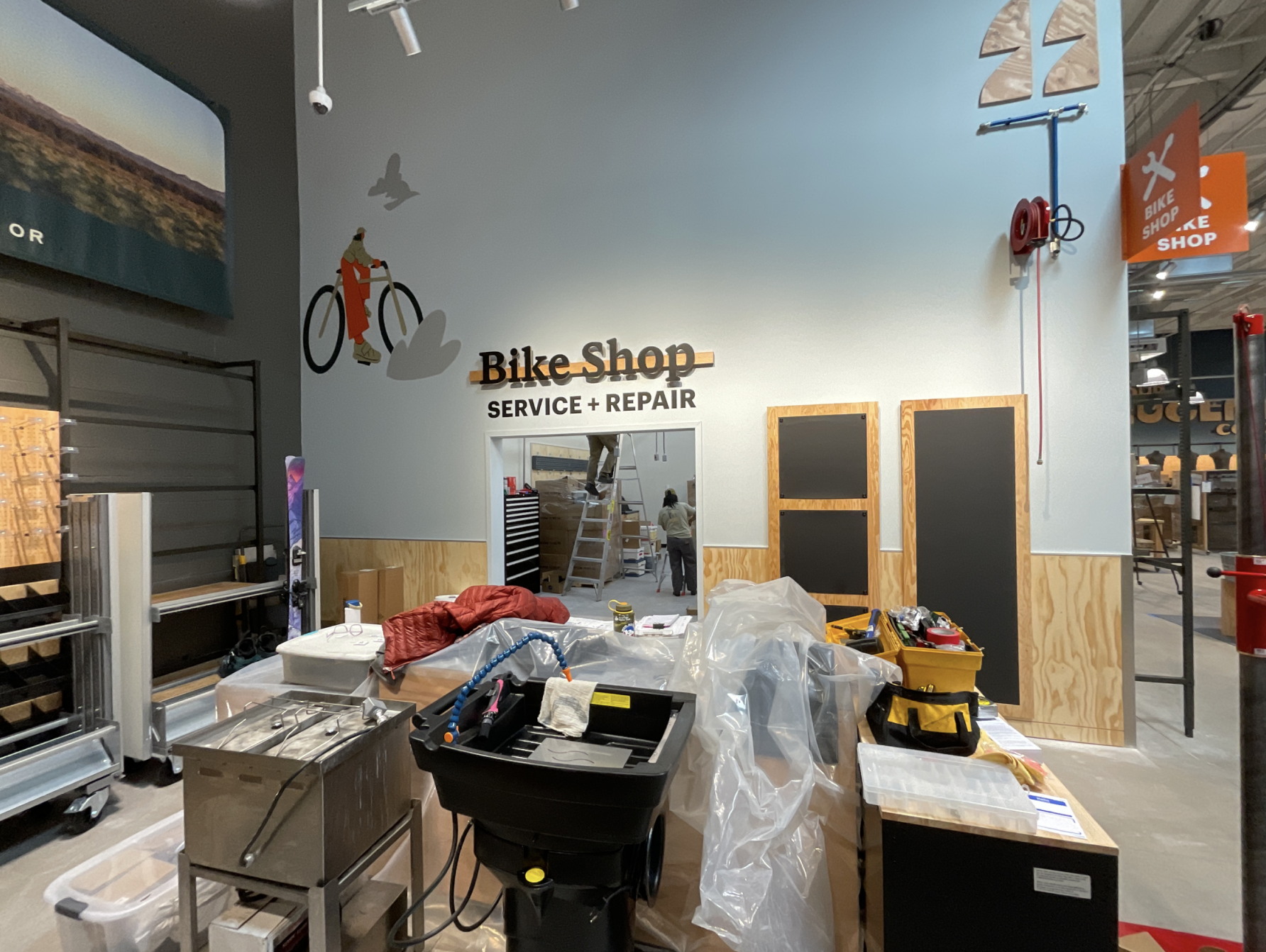
I creative directed the full framework: a design library, brand standards documentation, physical assets developed with vendors and loaded into a design catalog, and a change management process co-led with the Director of Planning and Architecture to translate the standards into REVIT families for architectural delivery. The system is now the living creative standard for every new and remodeled REI store — applied across 40+ locations and counting, with each one adapted to its community. "Your outdoor co-op" became "Your Eugene Co-op." "Your Durango Co-op." The framework travels. The soul stays local.
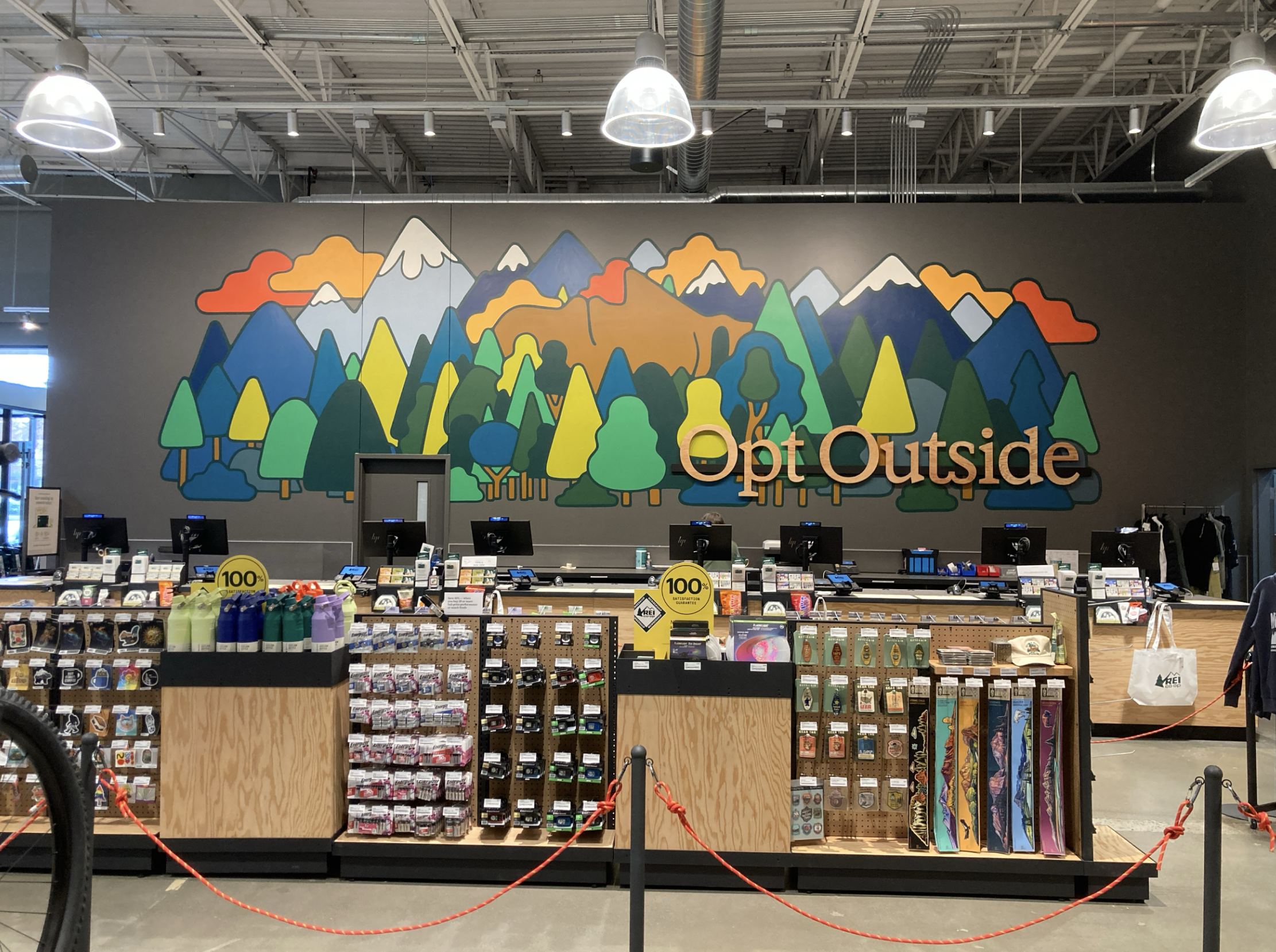
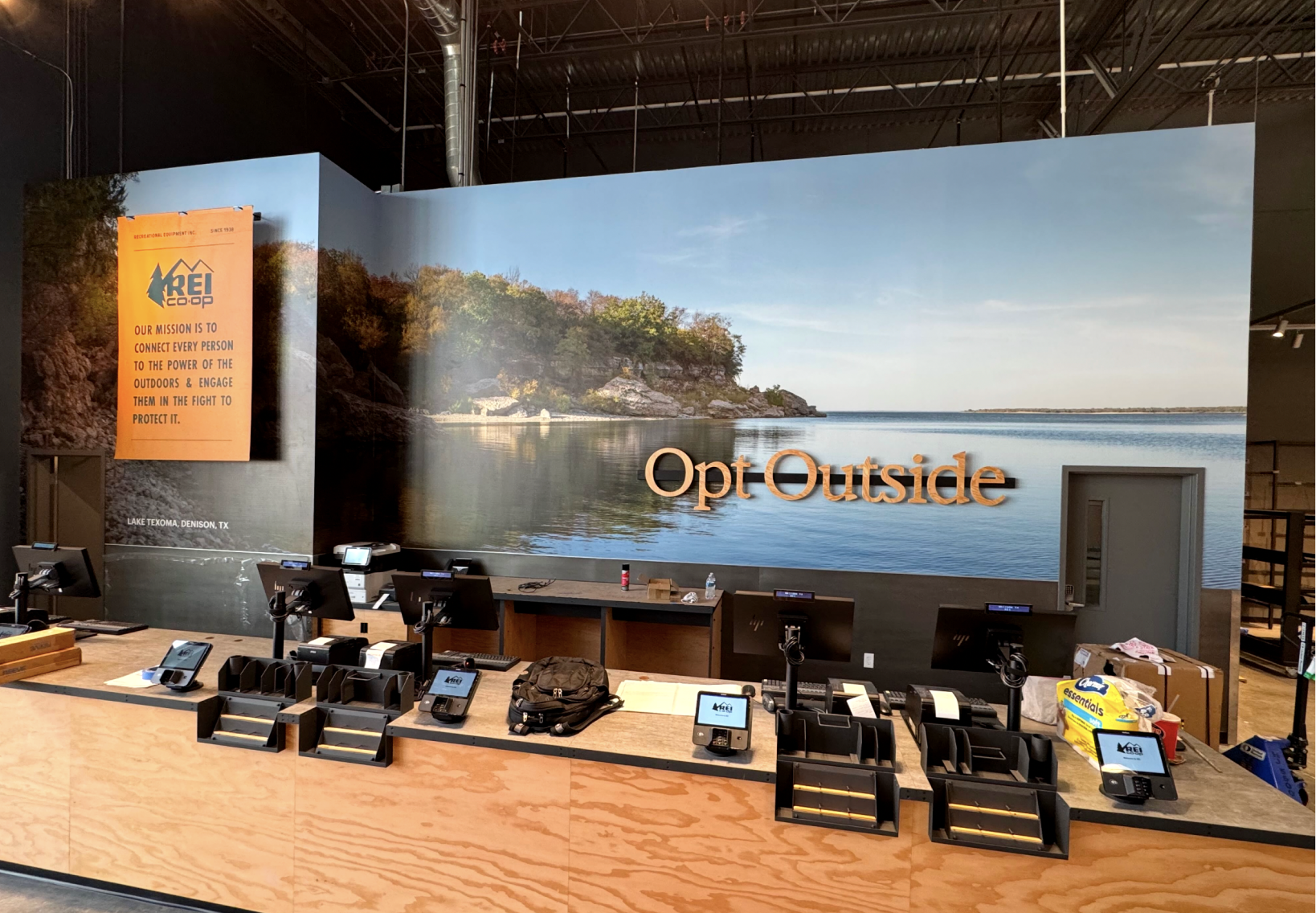
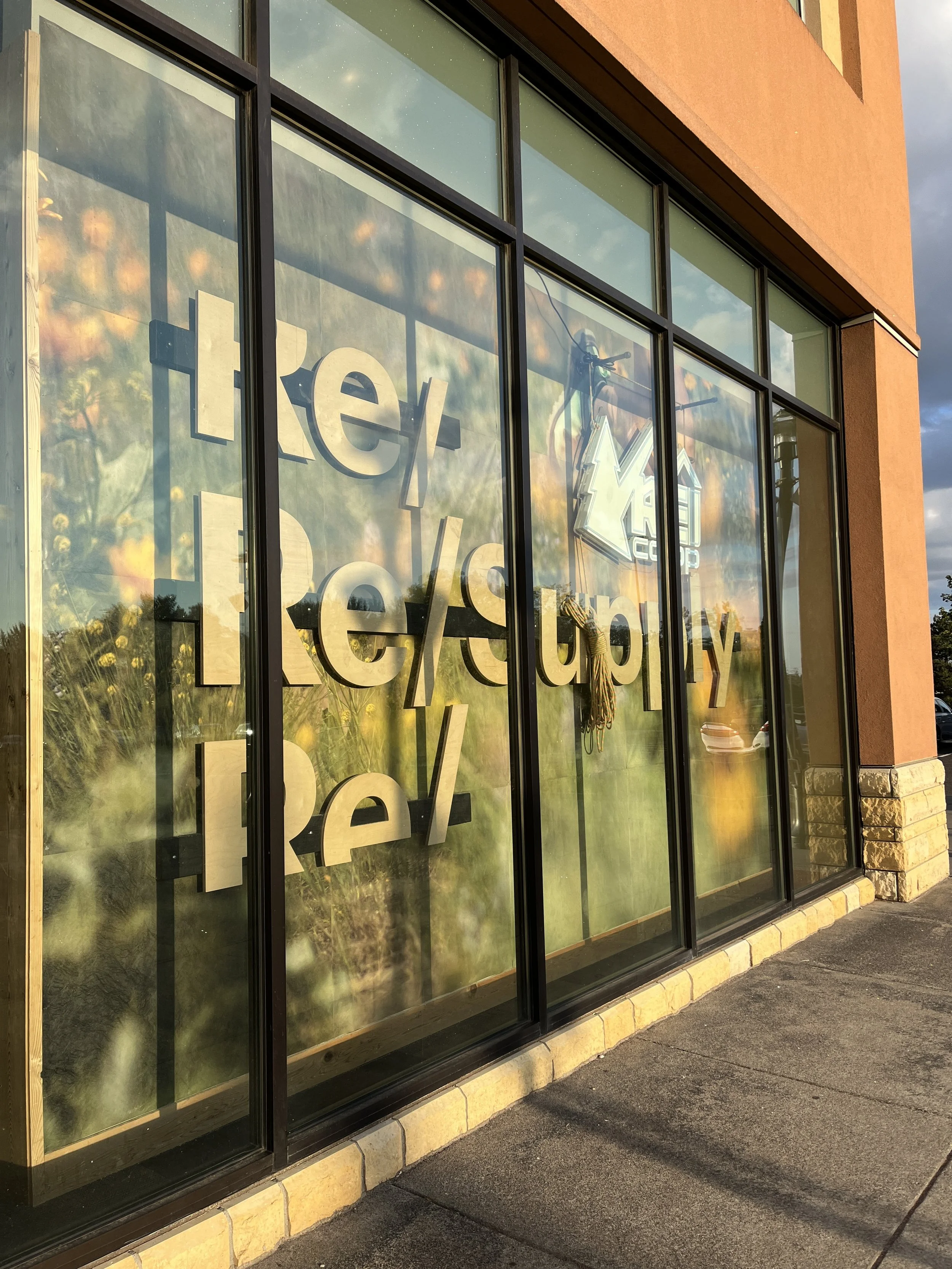
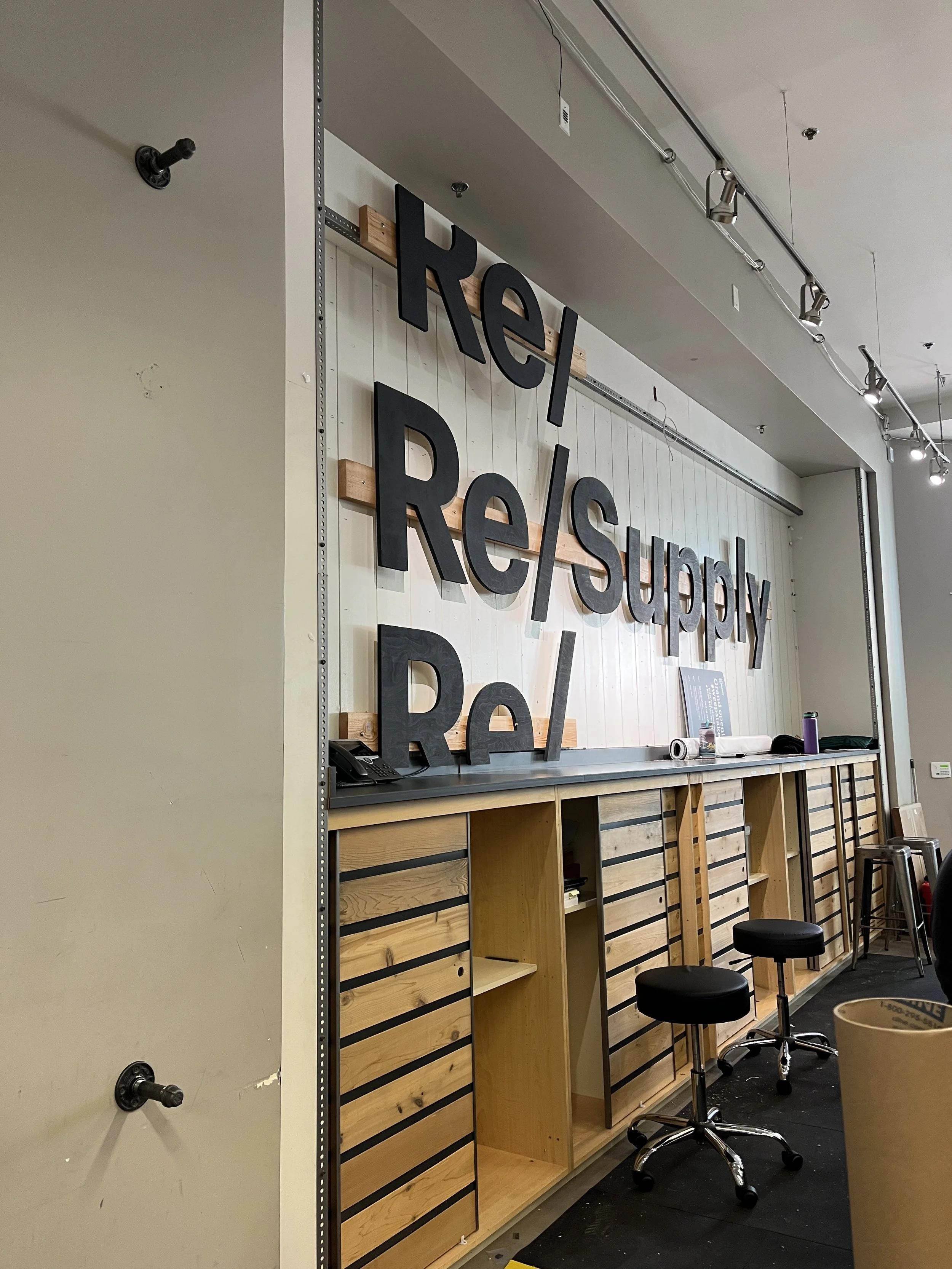
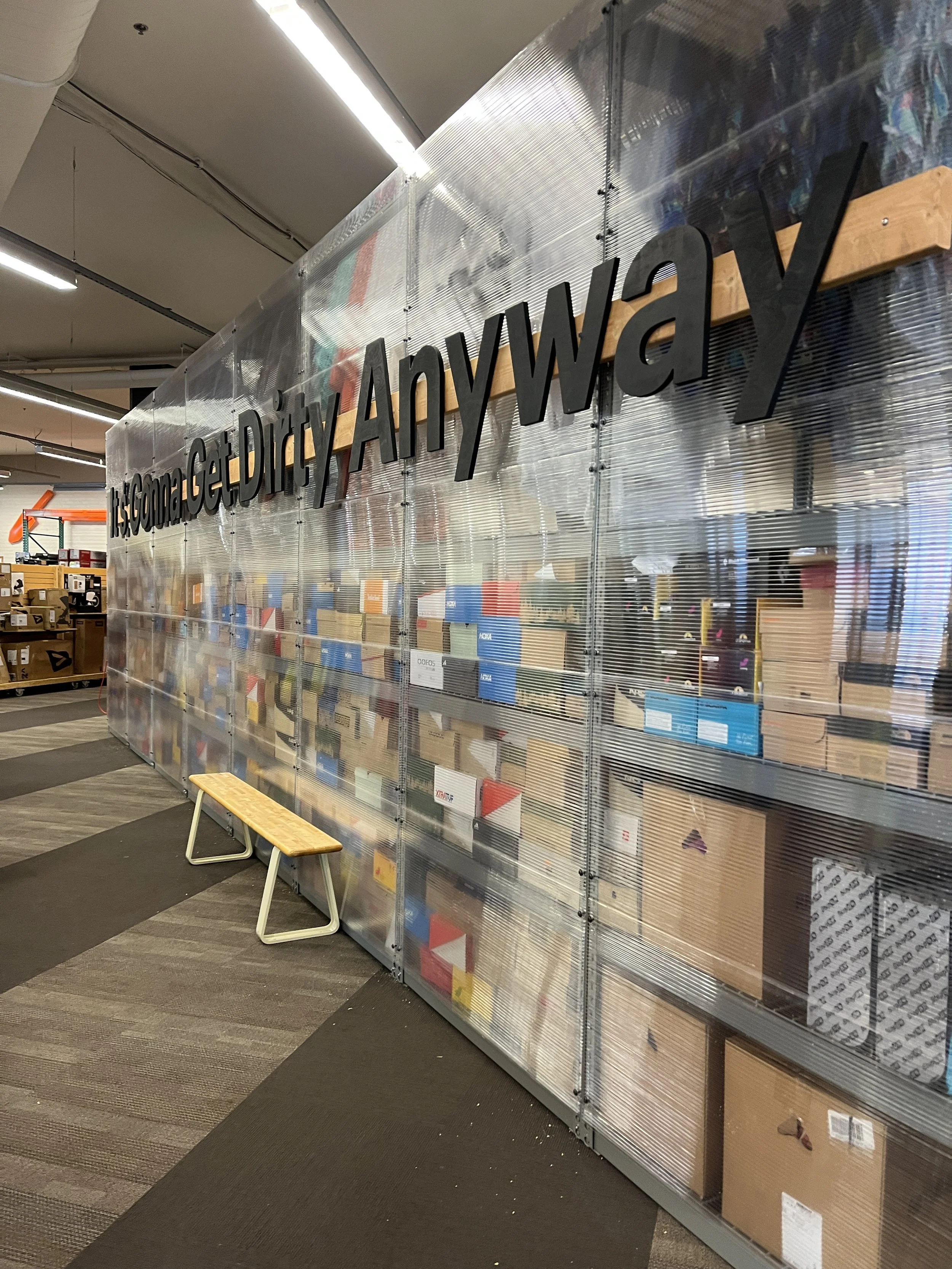
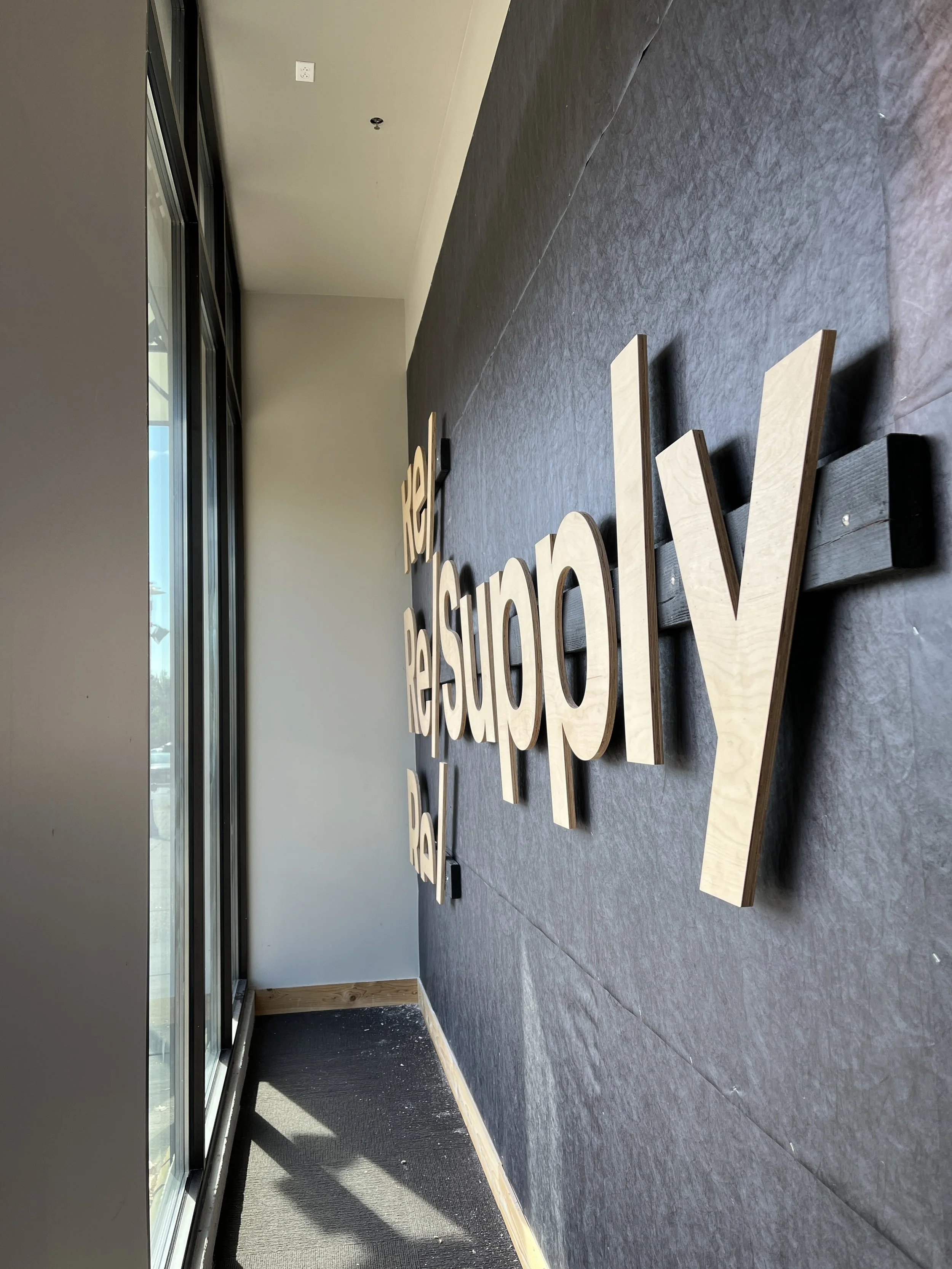
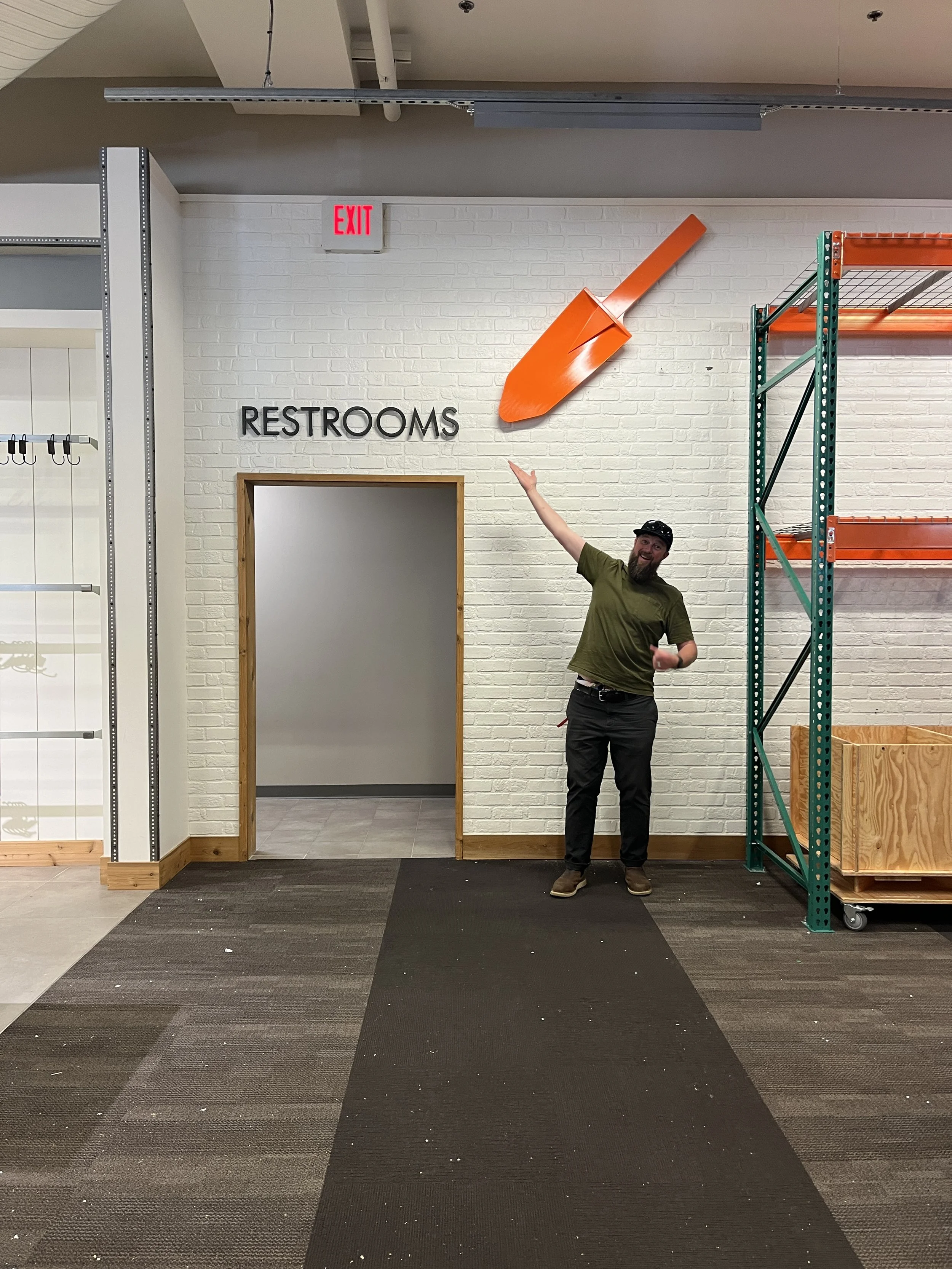
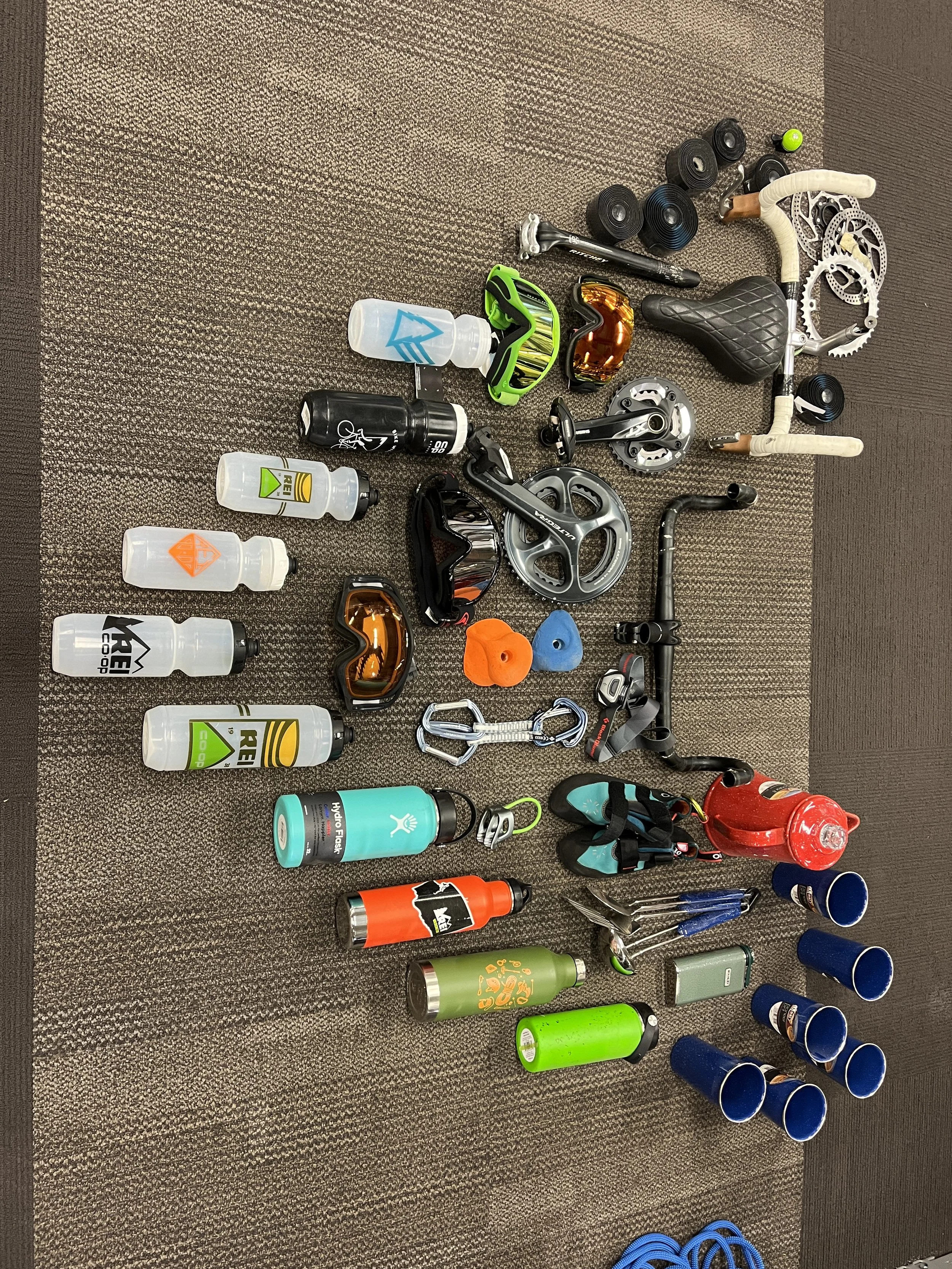
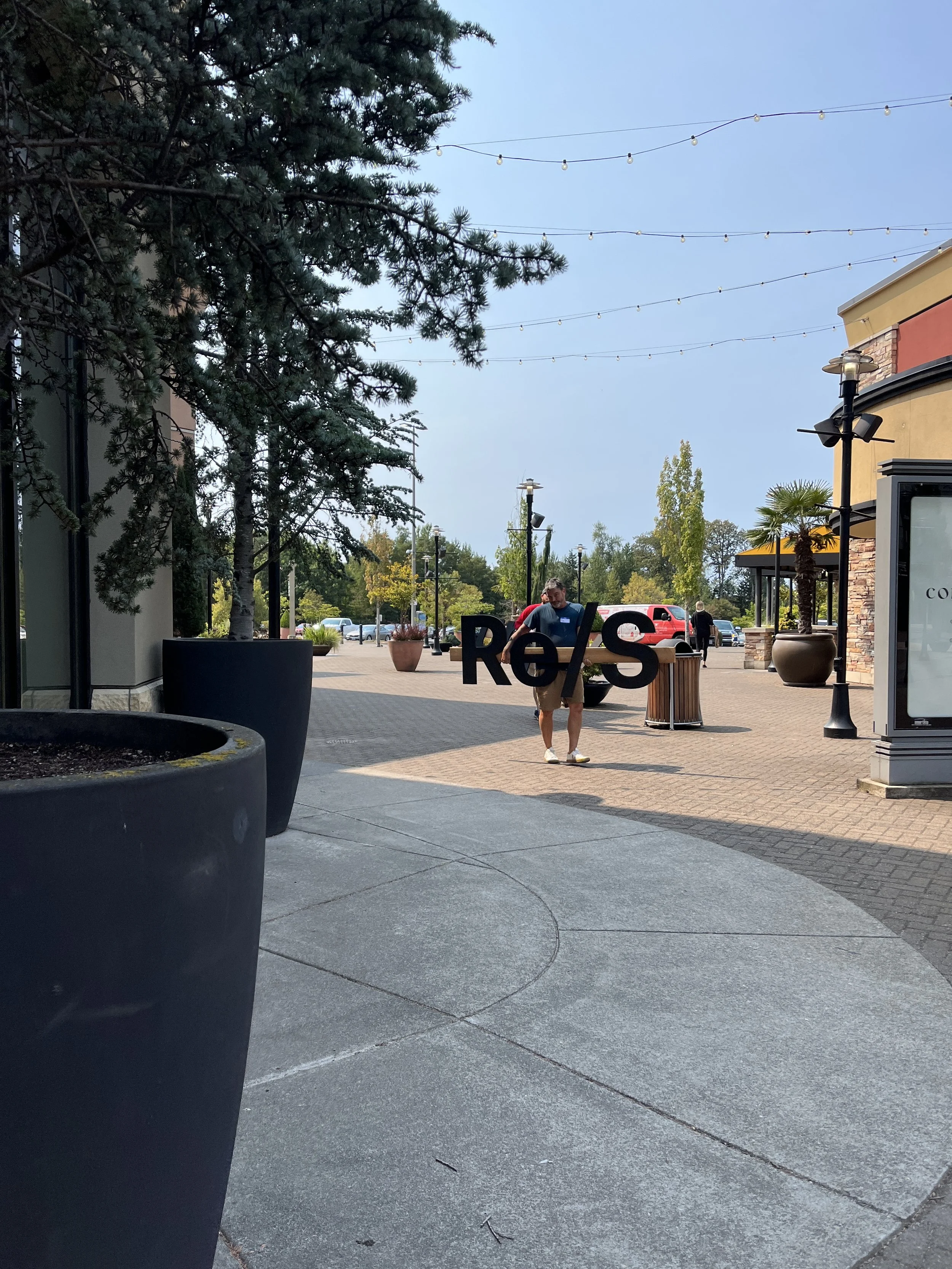
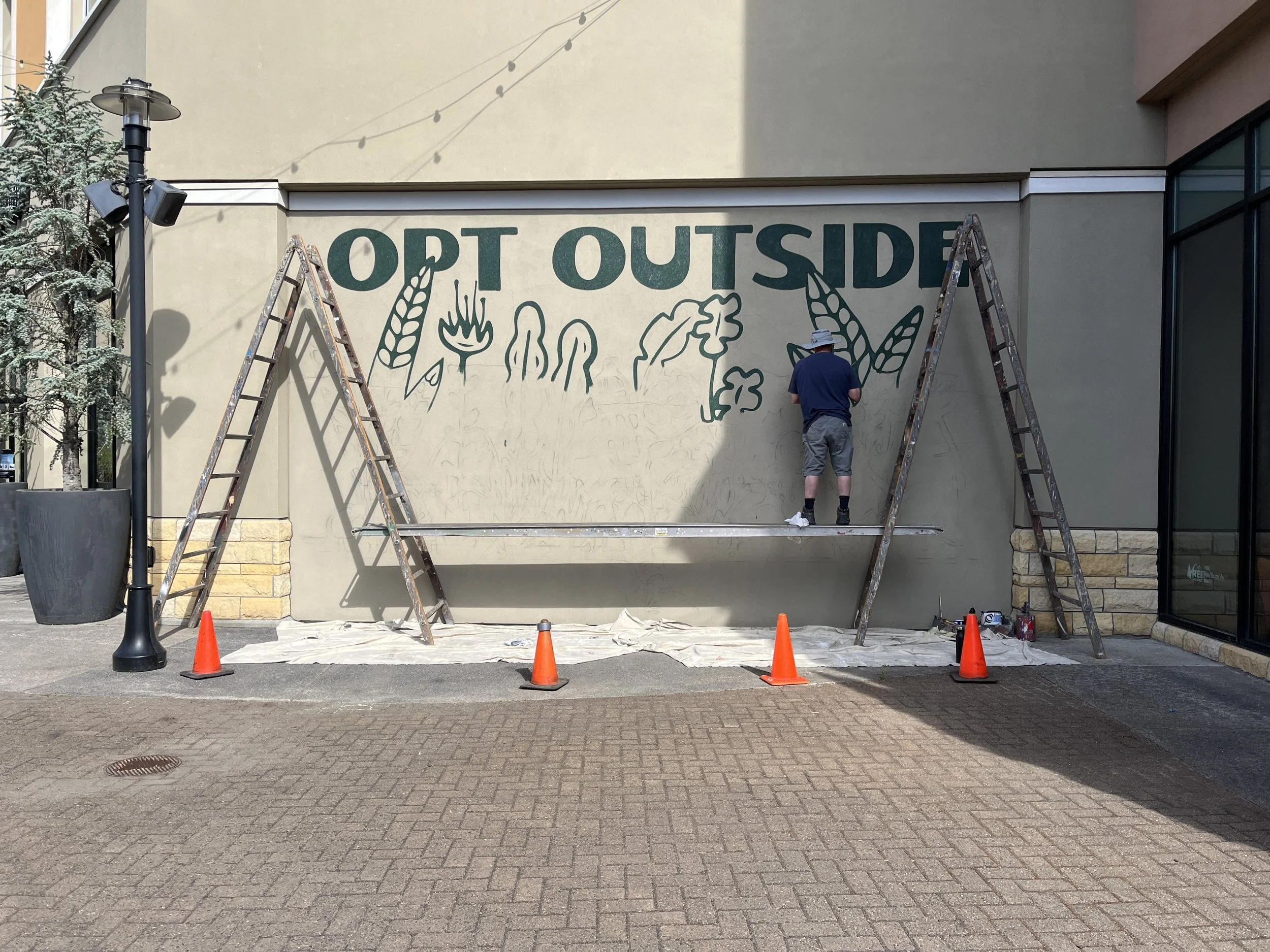
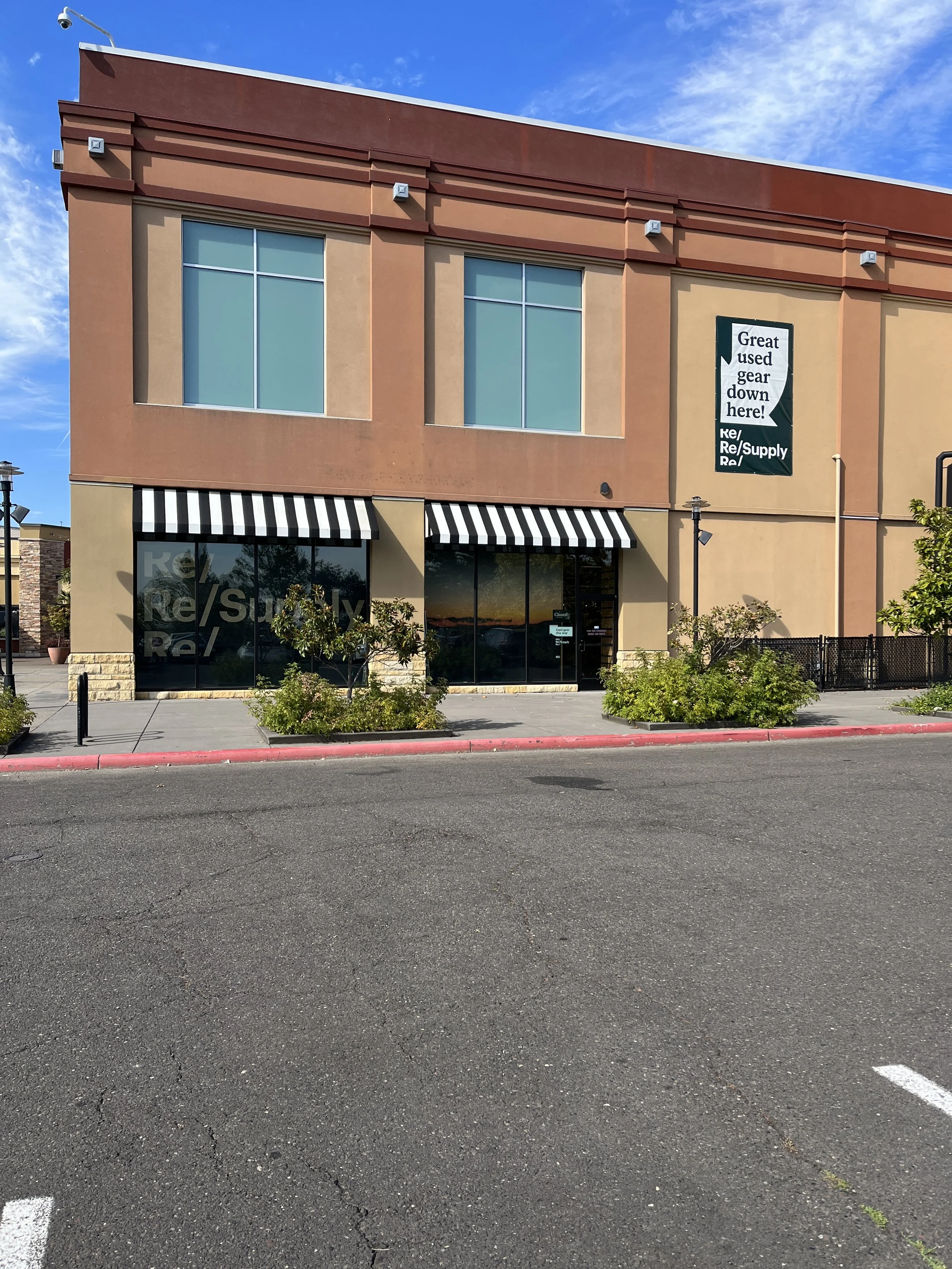
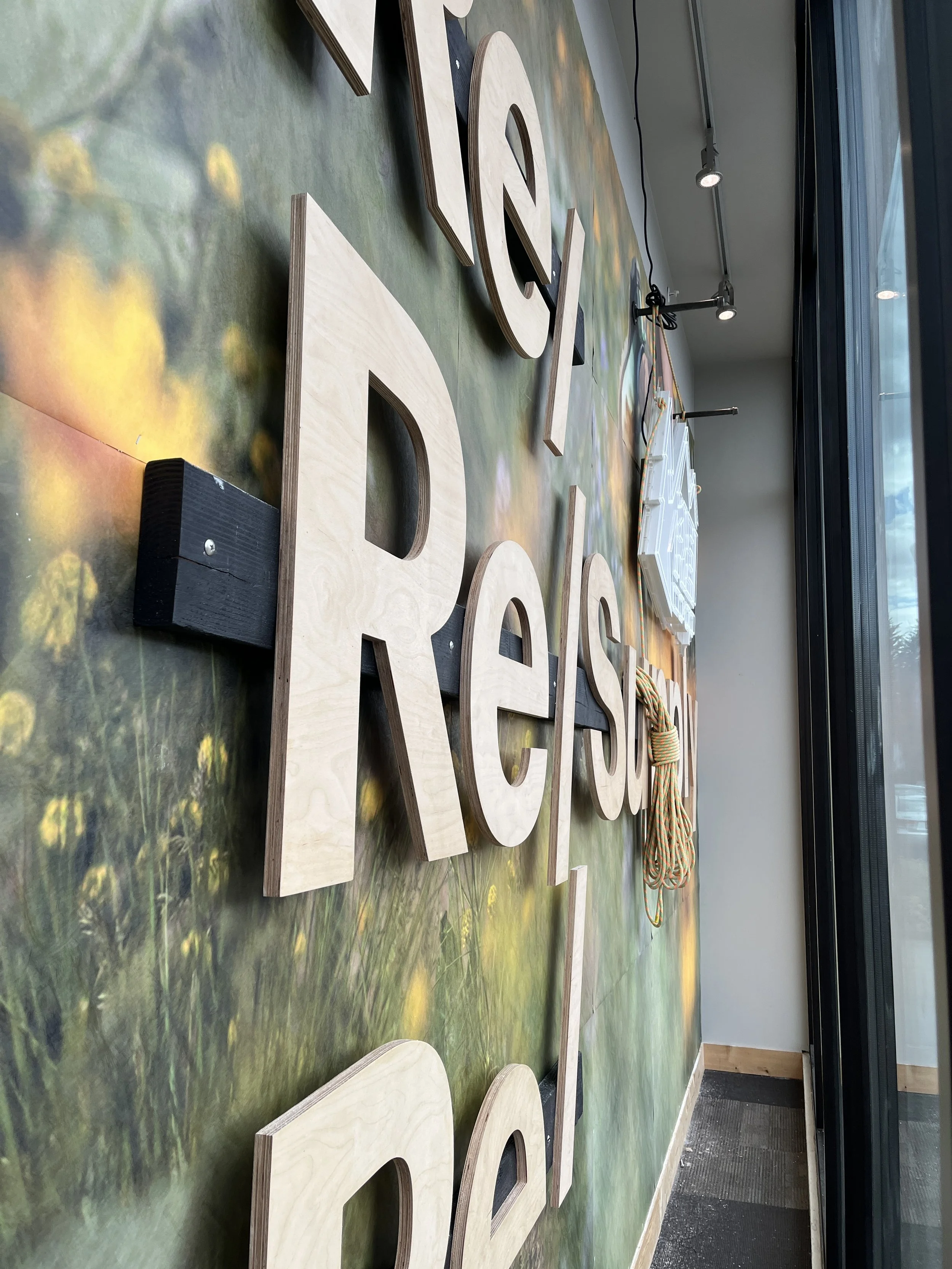
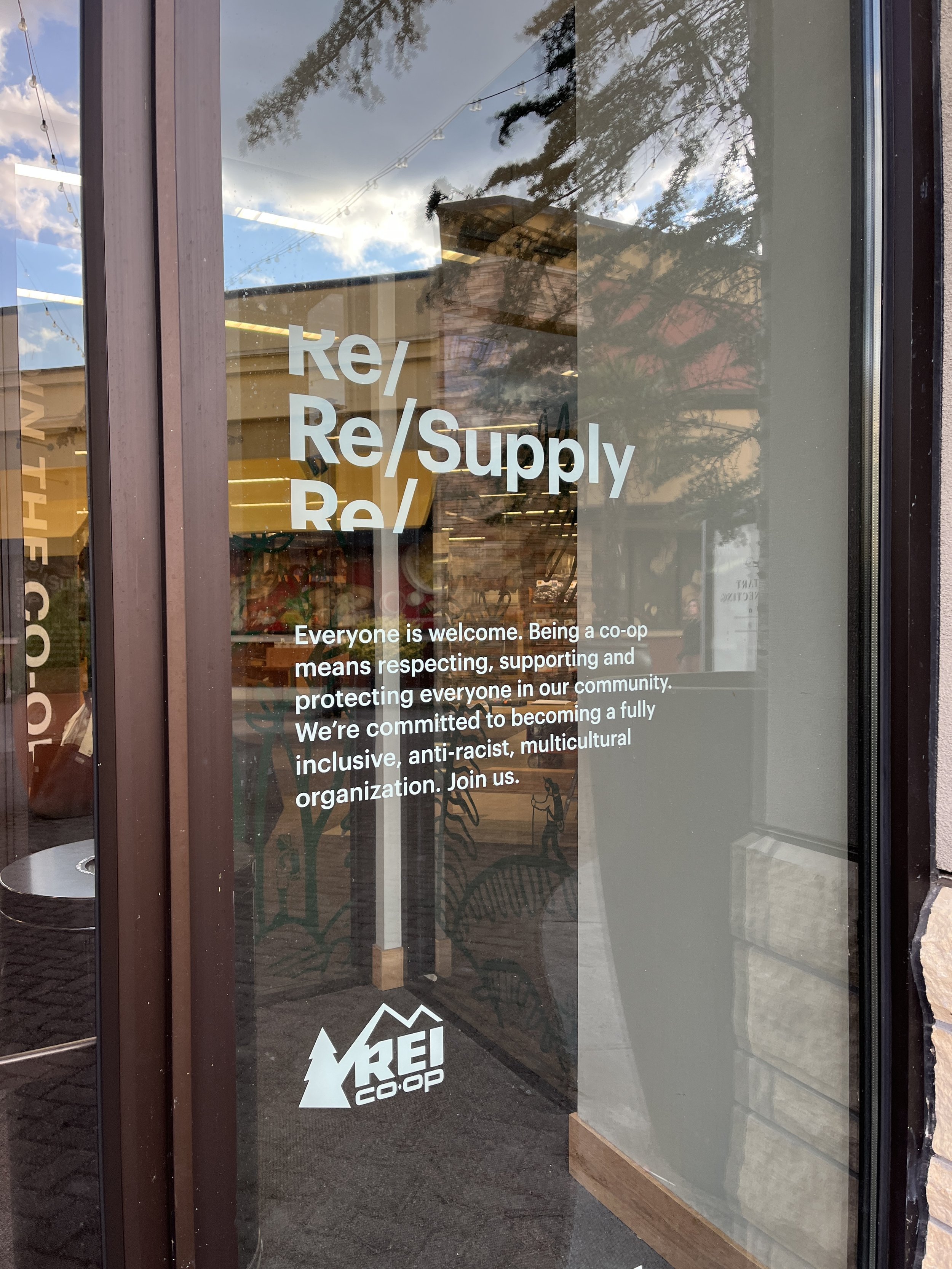
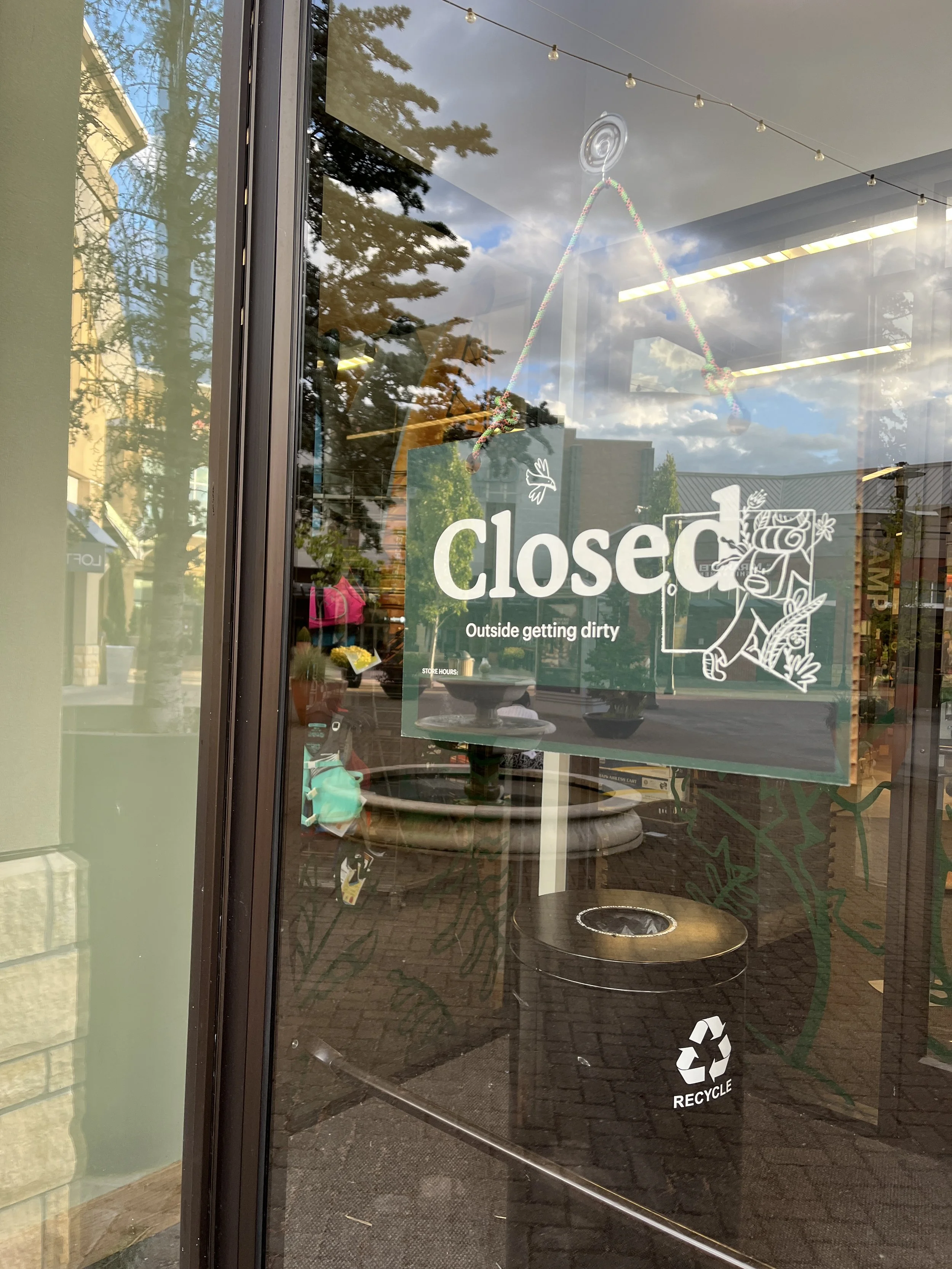
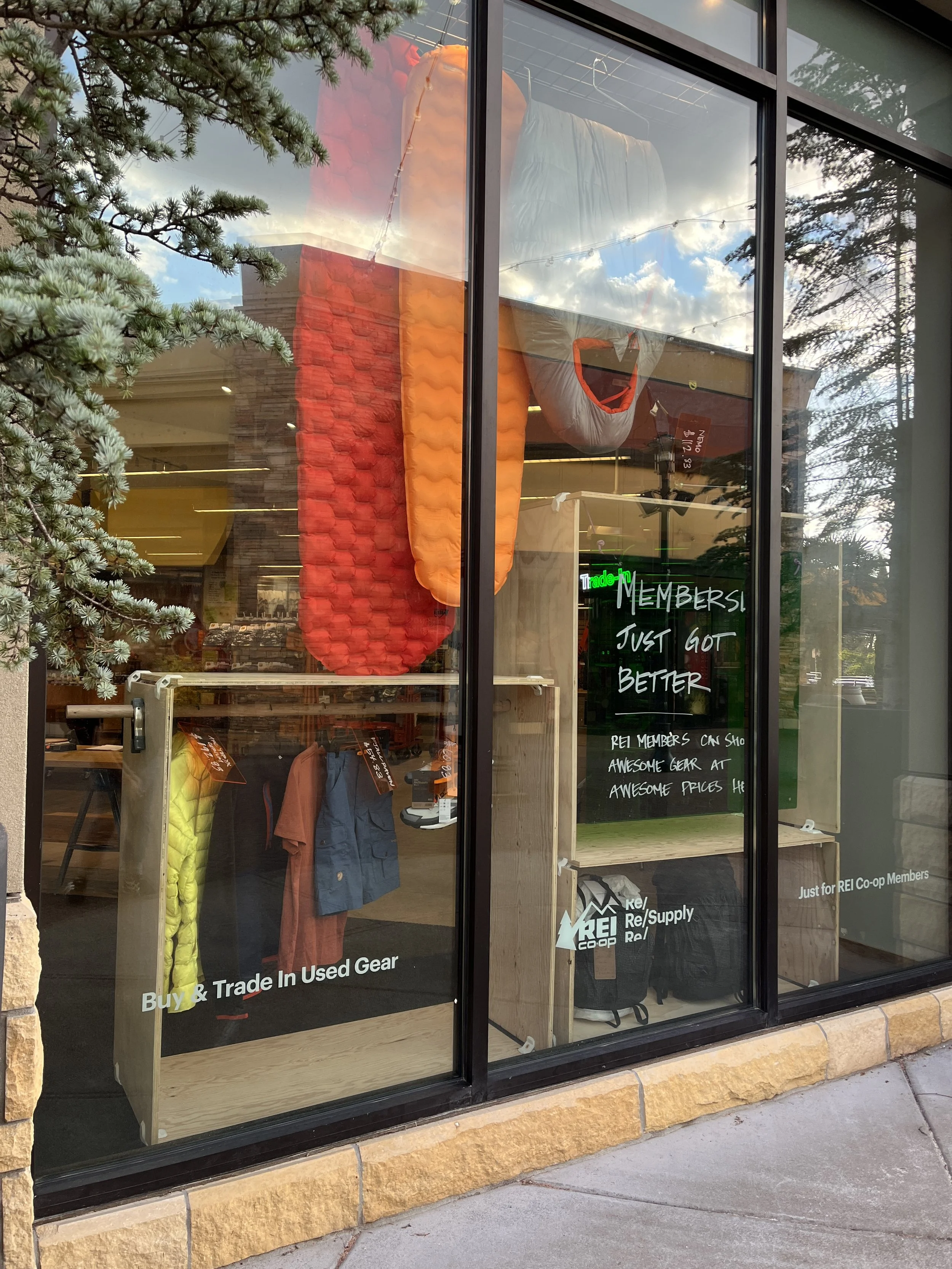
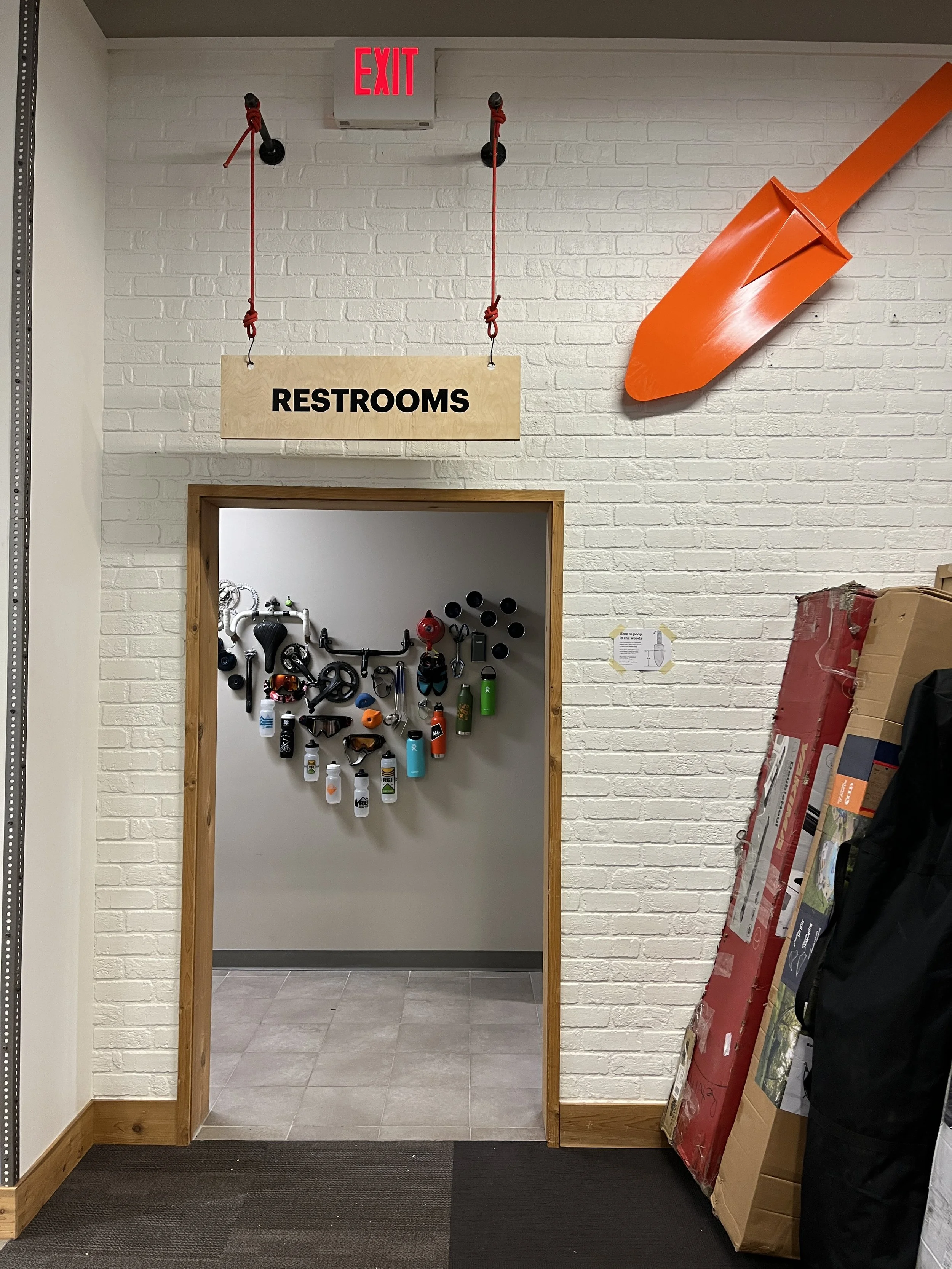
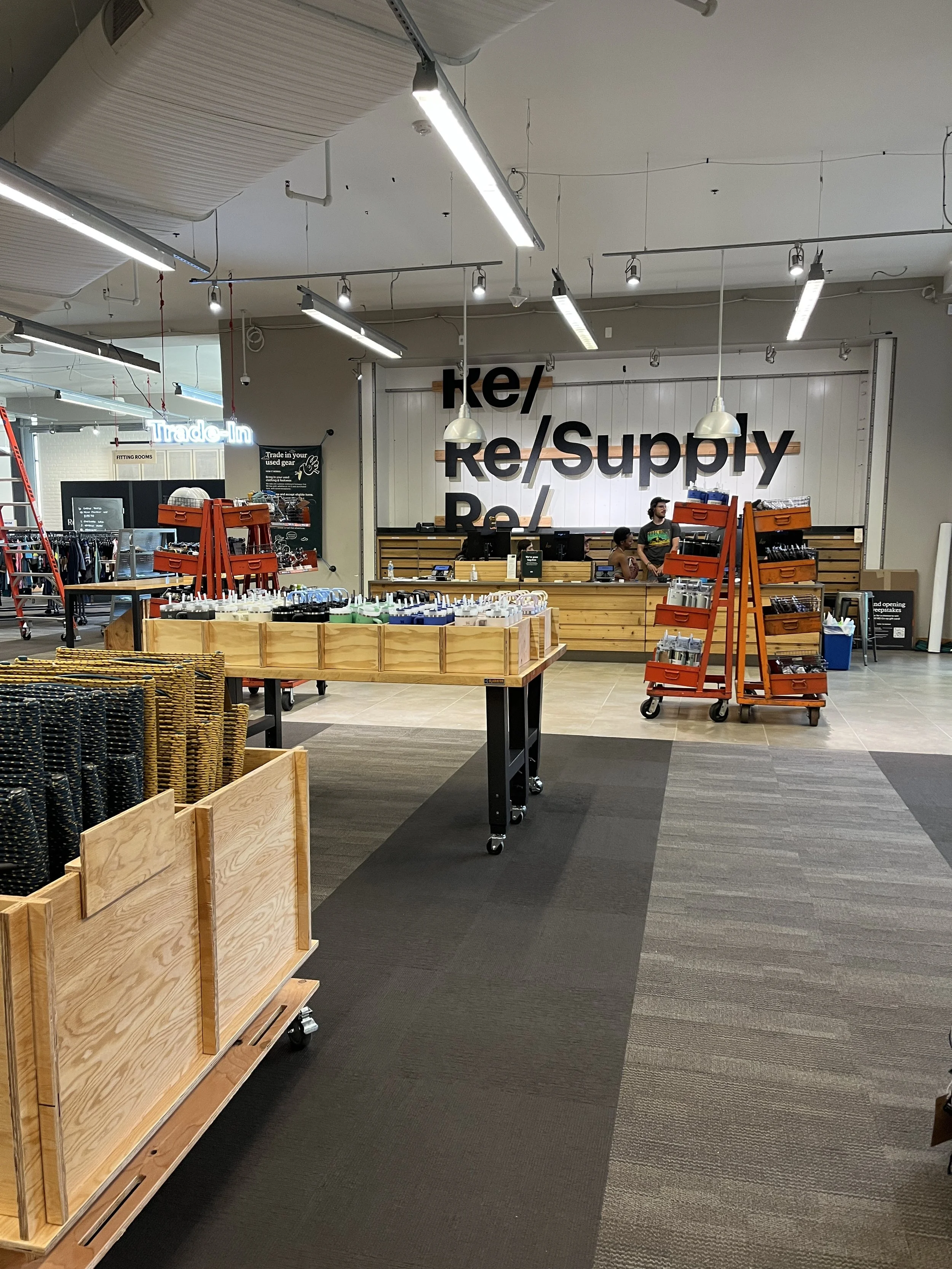
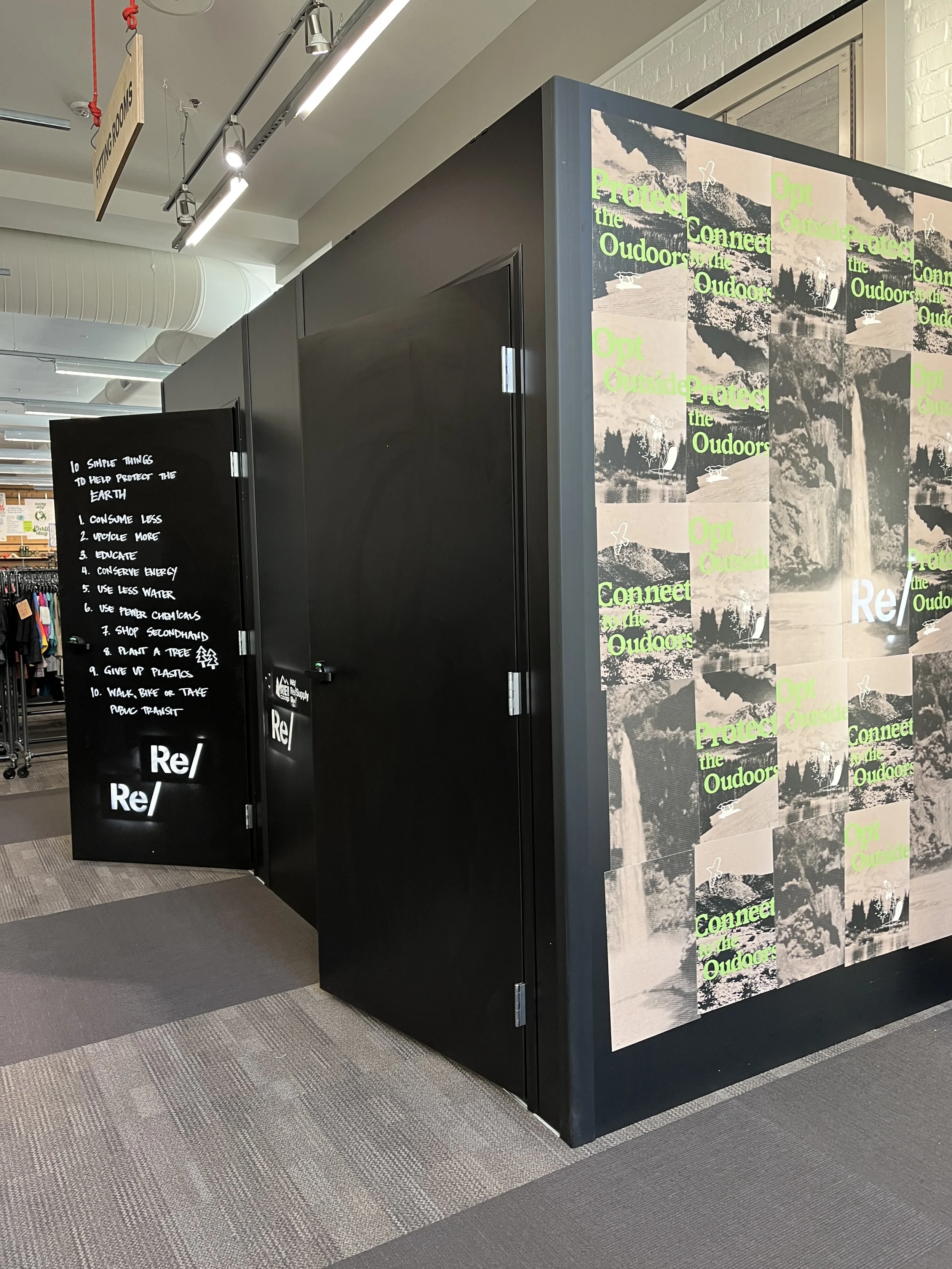
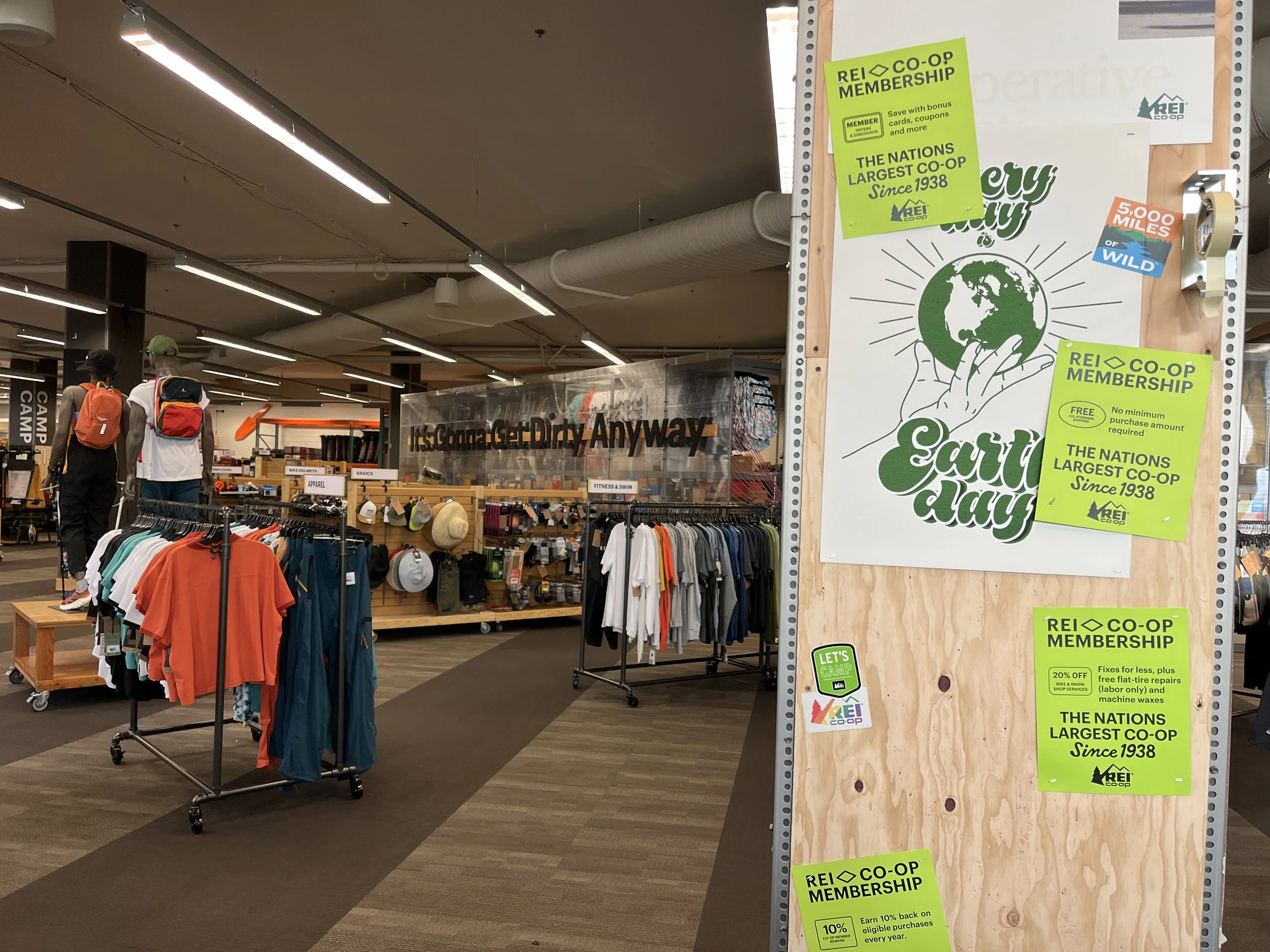
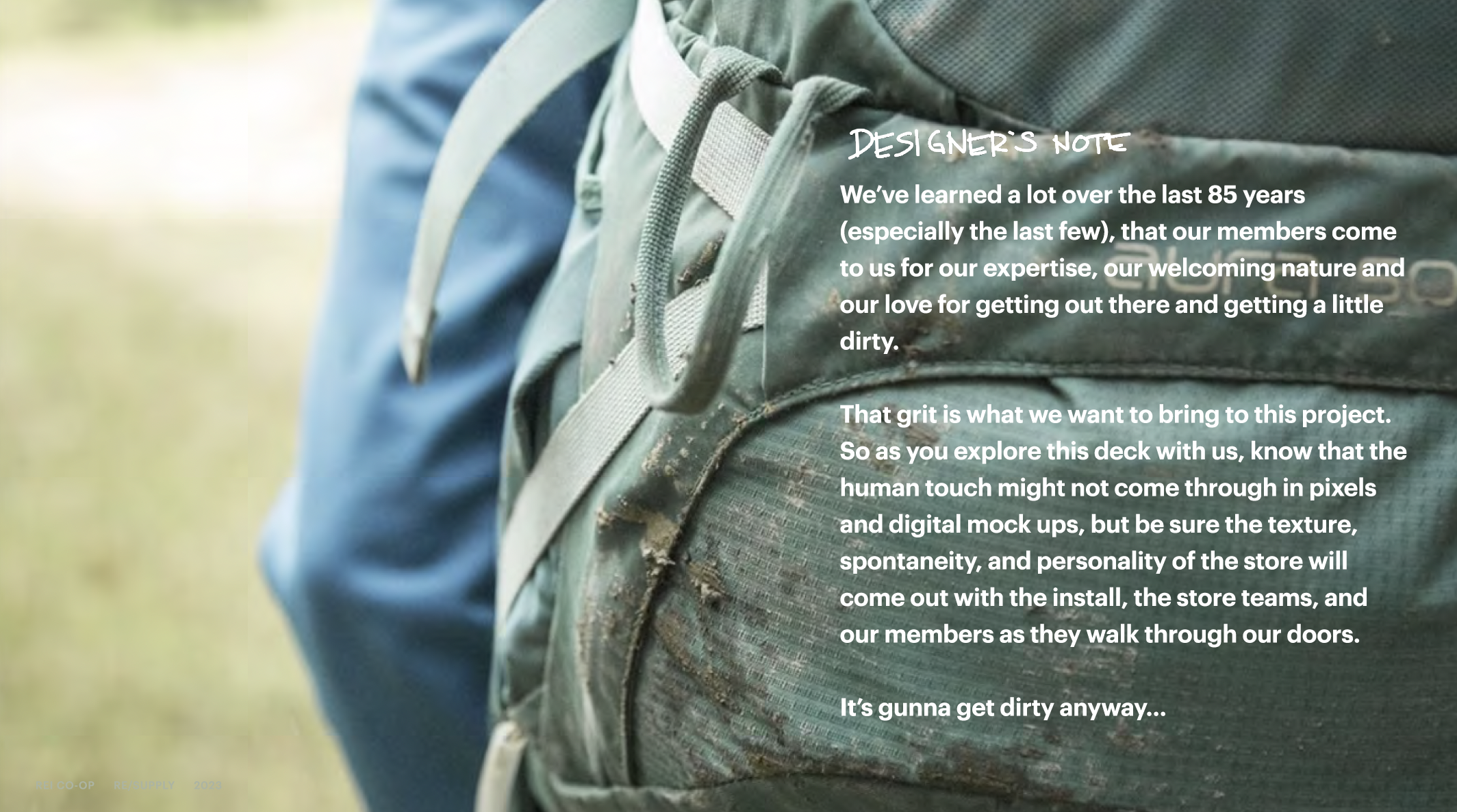
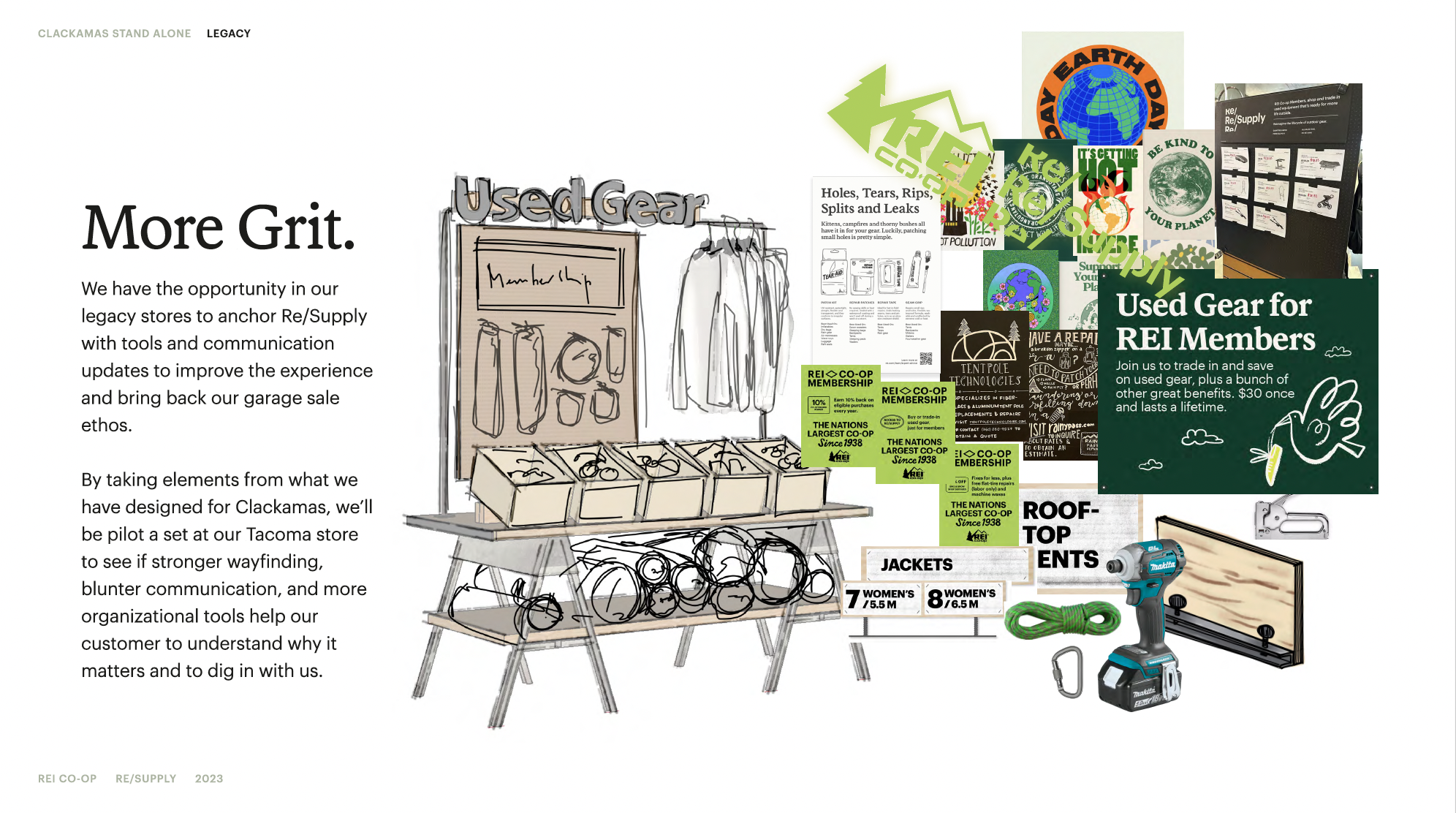
REI Re/Supply — It’s gunna get dirty anyway
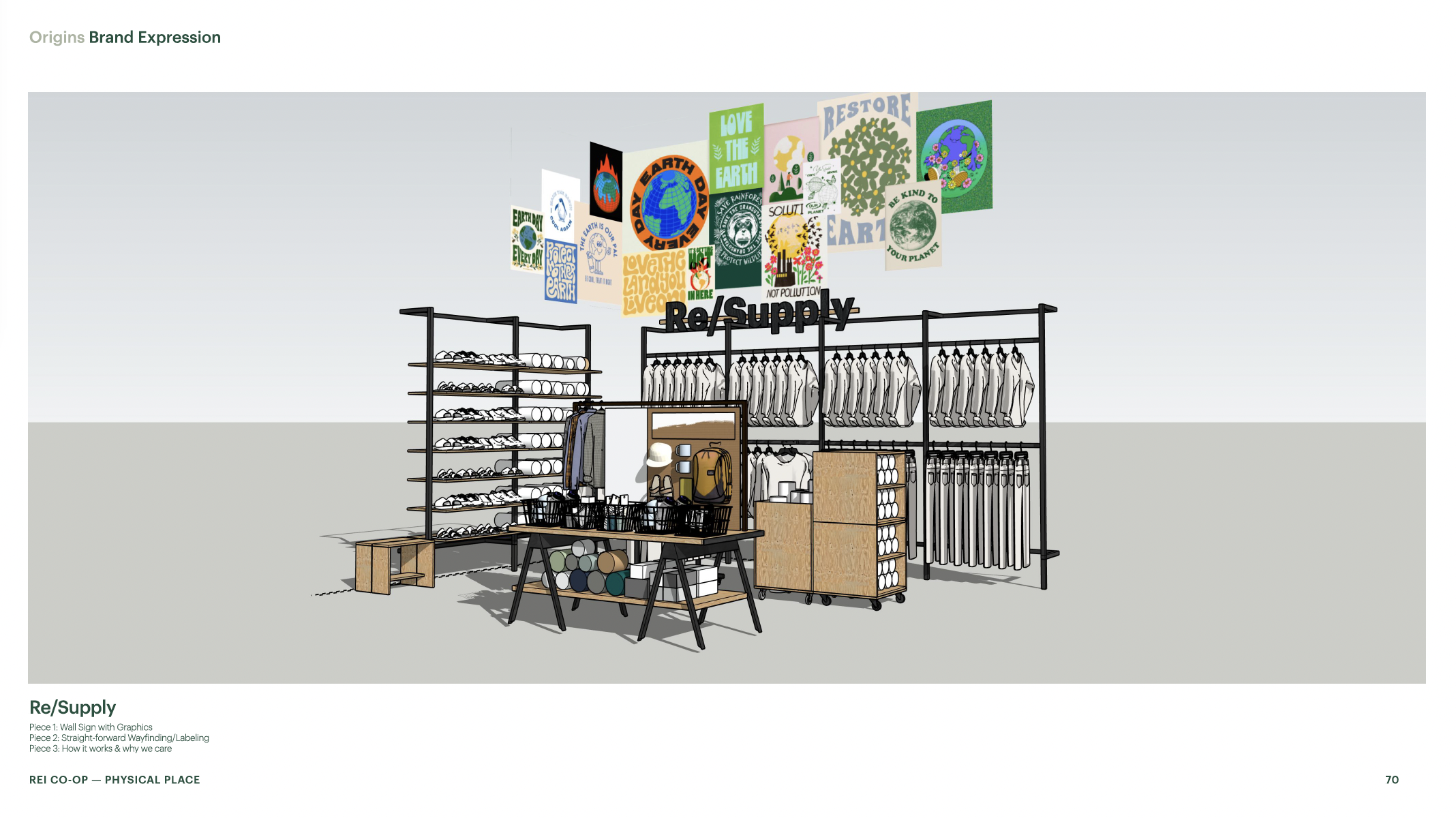
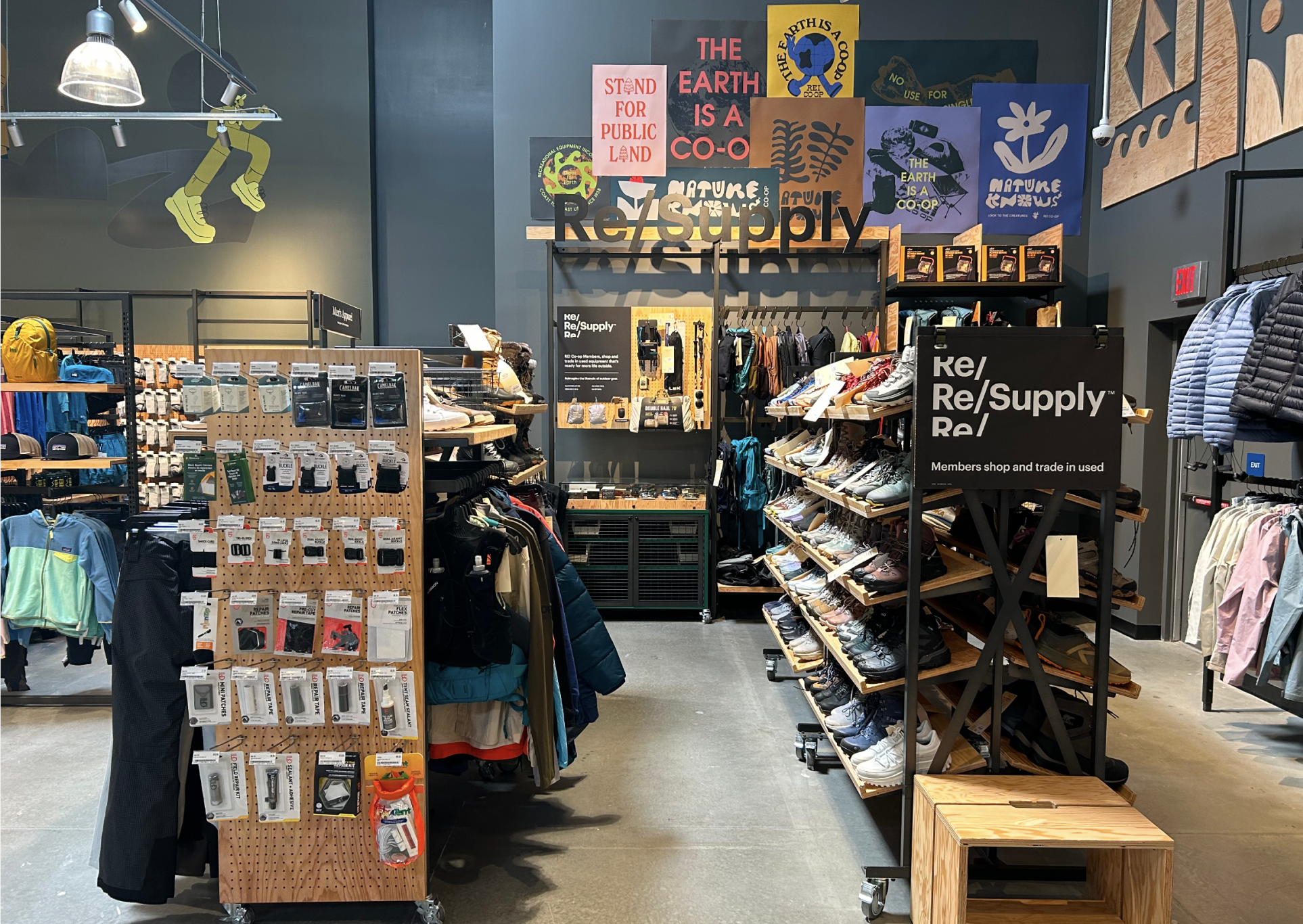
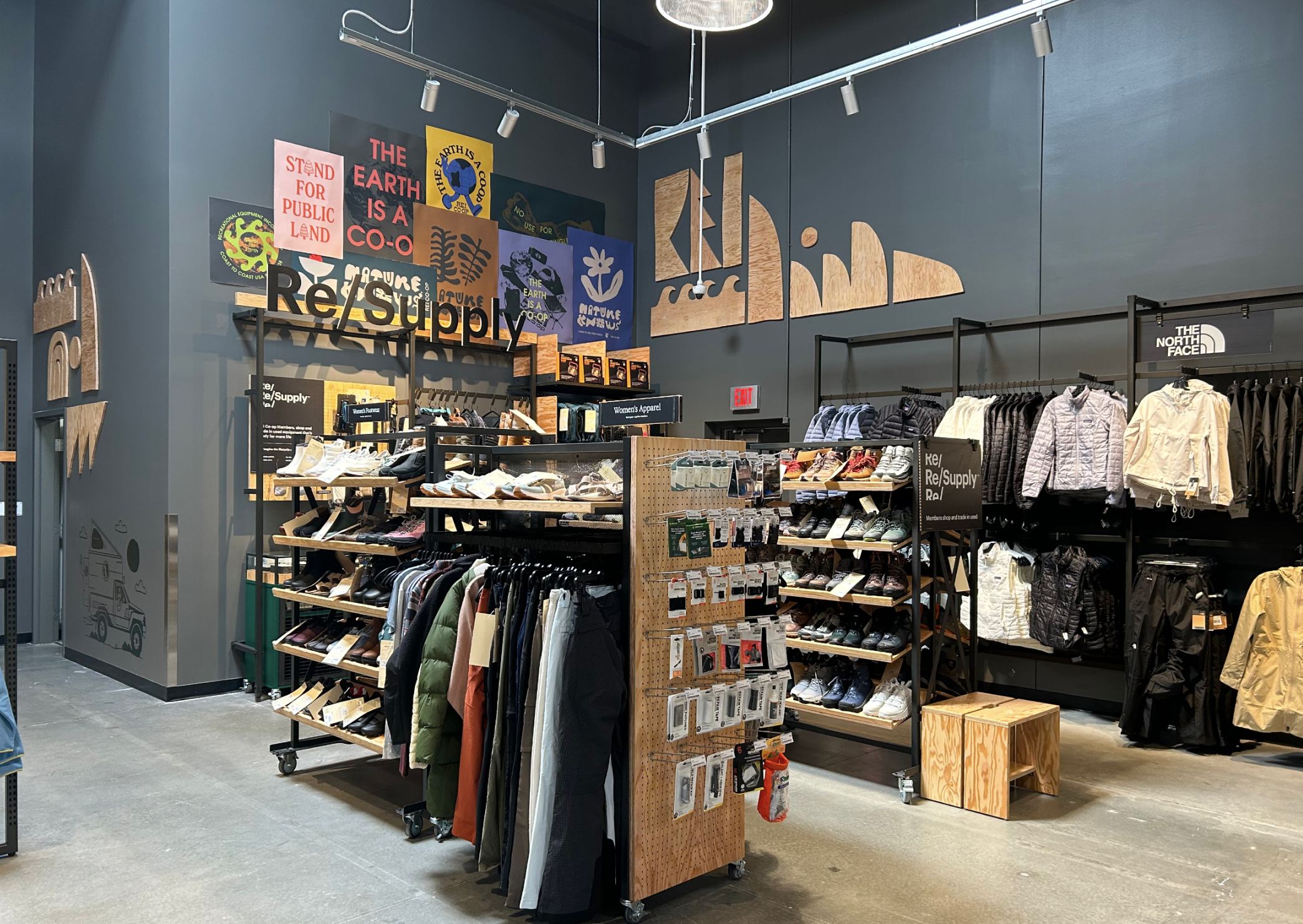
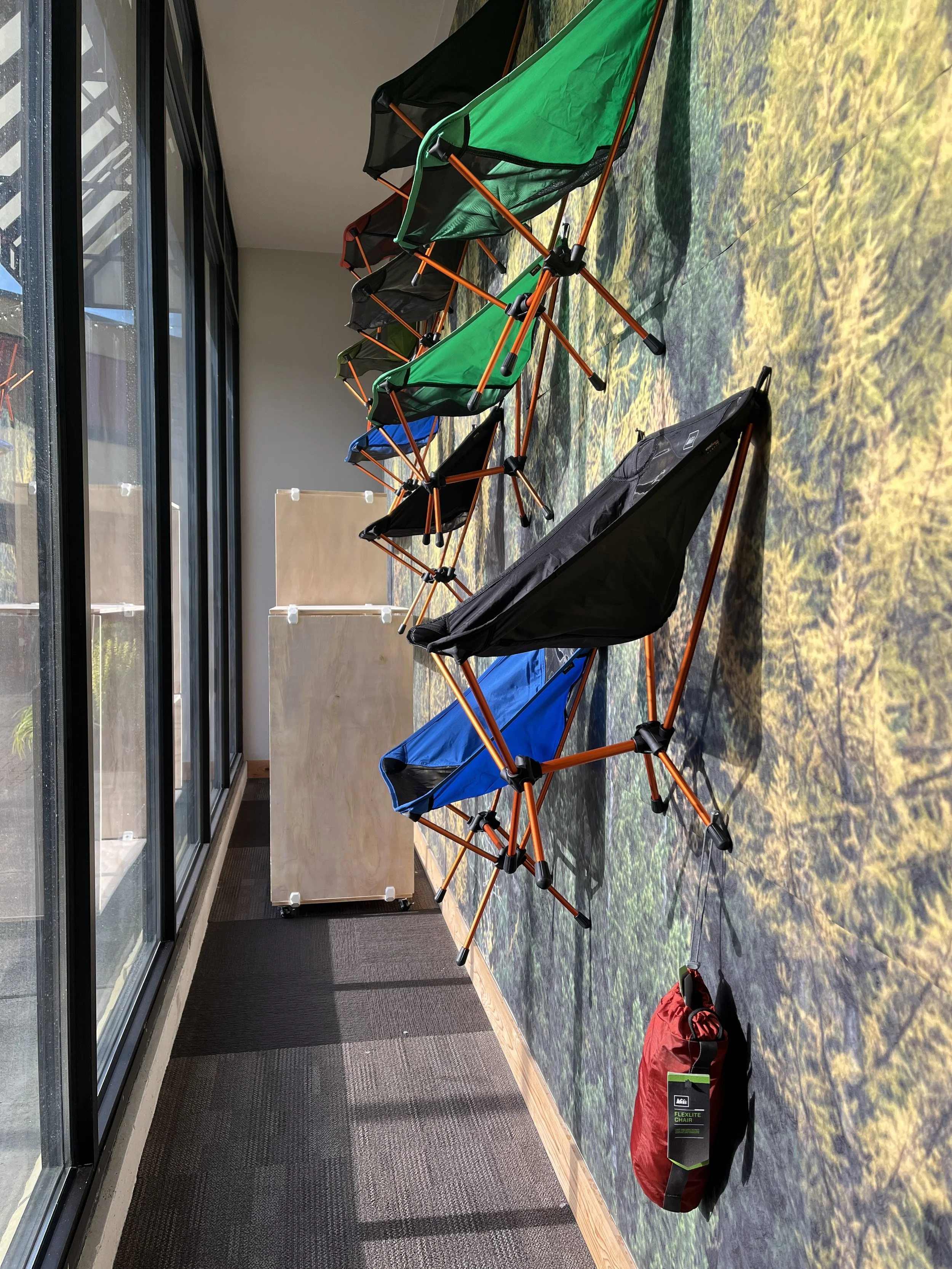
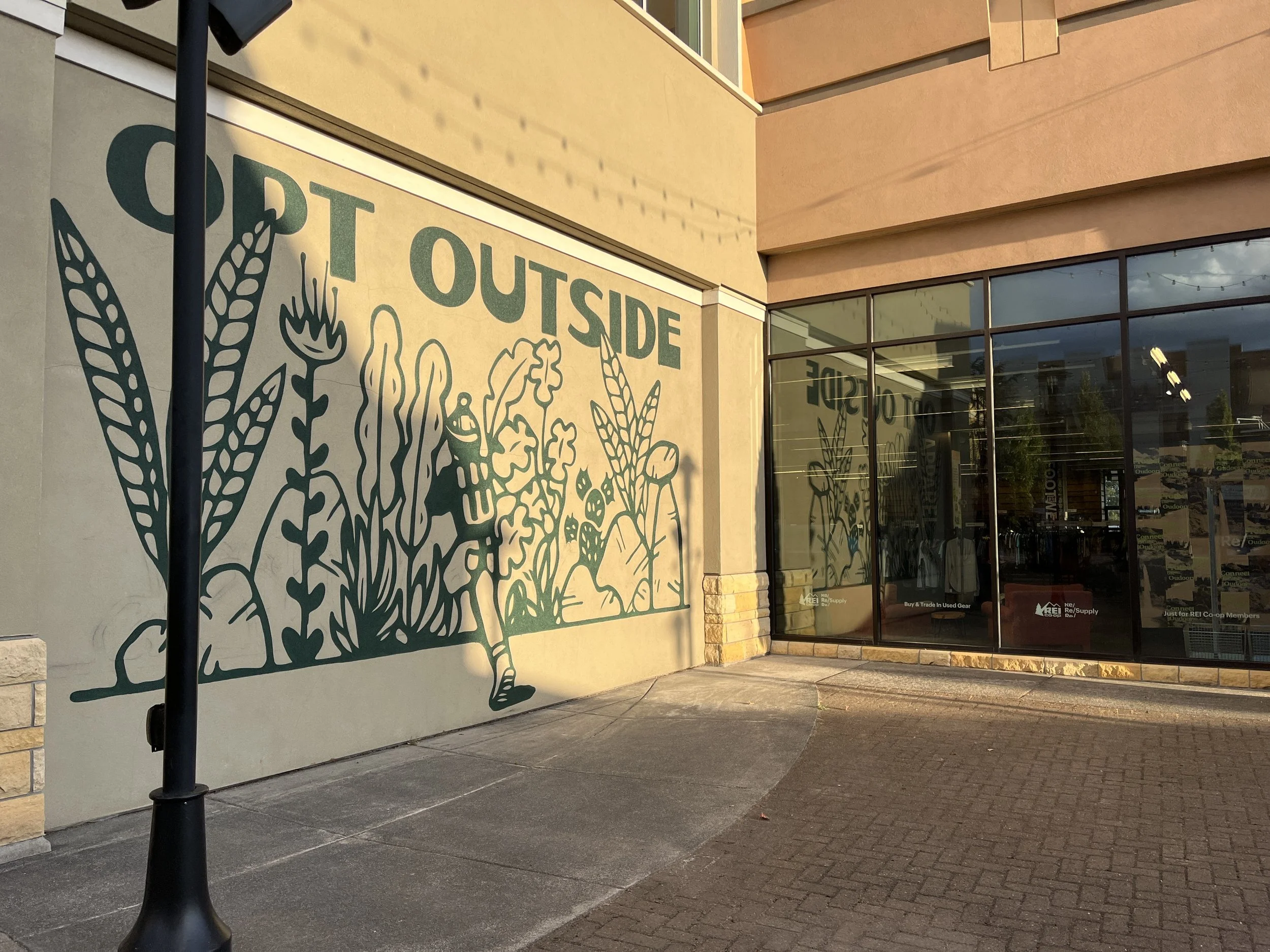
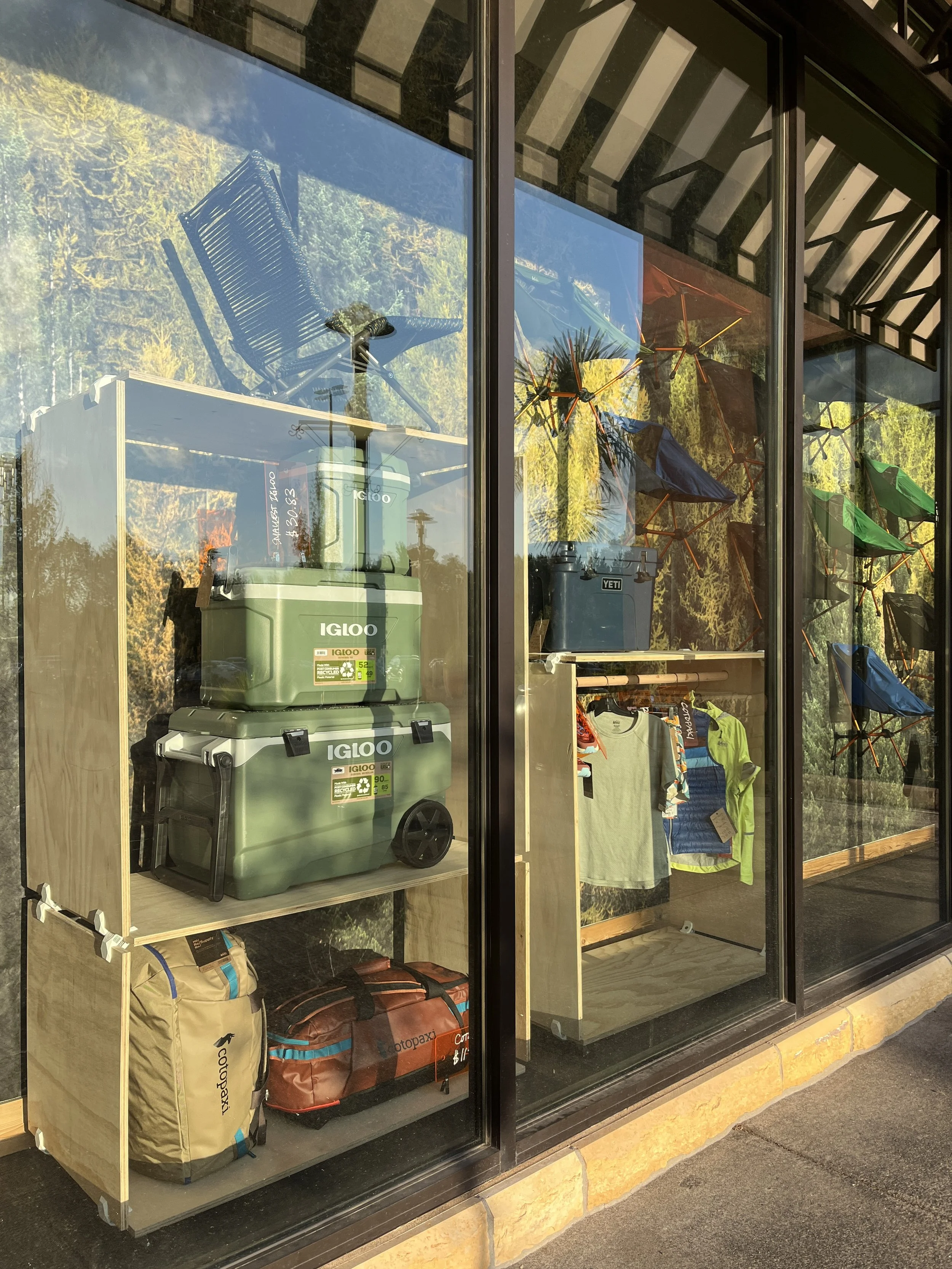
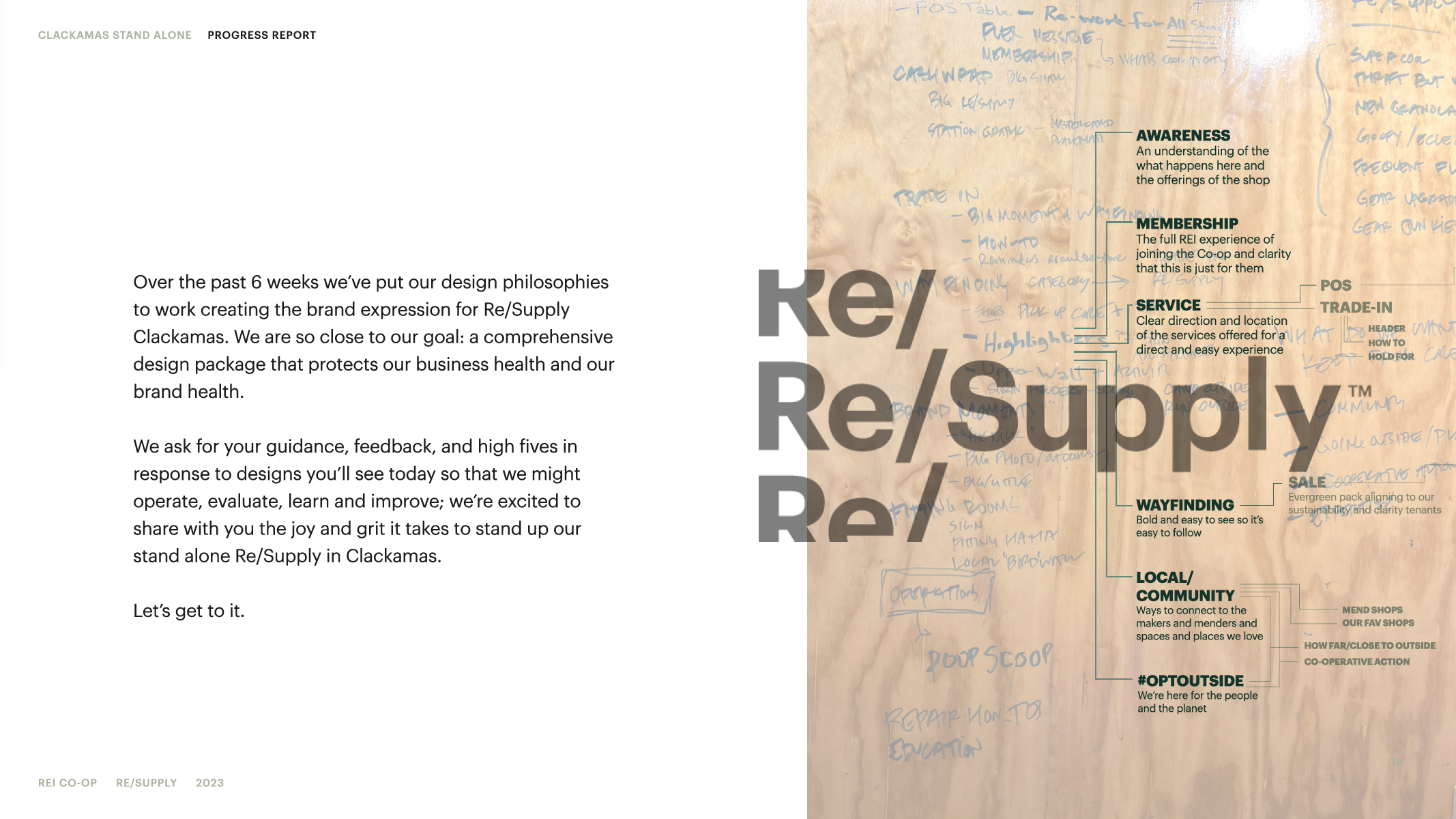
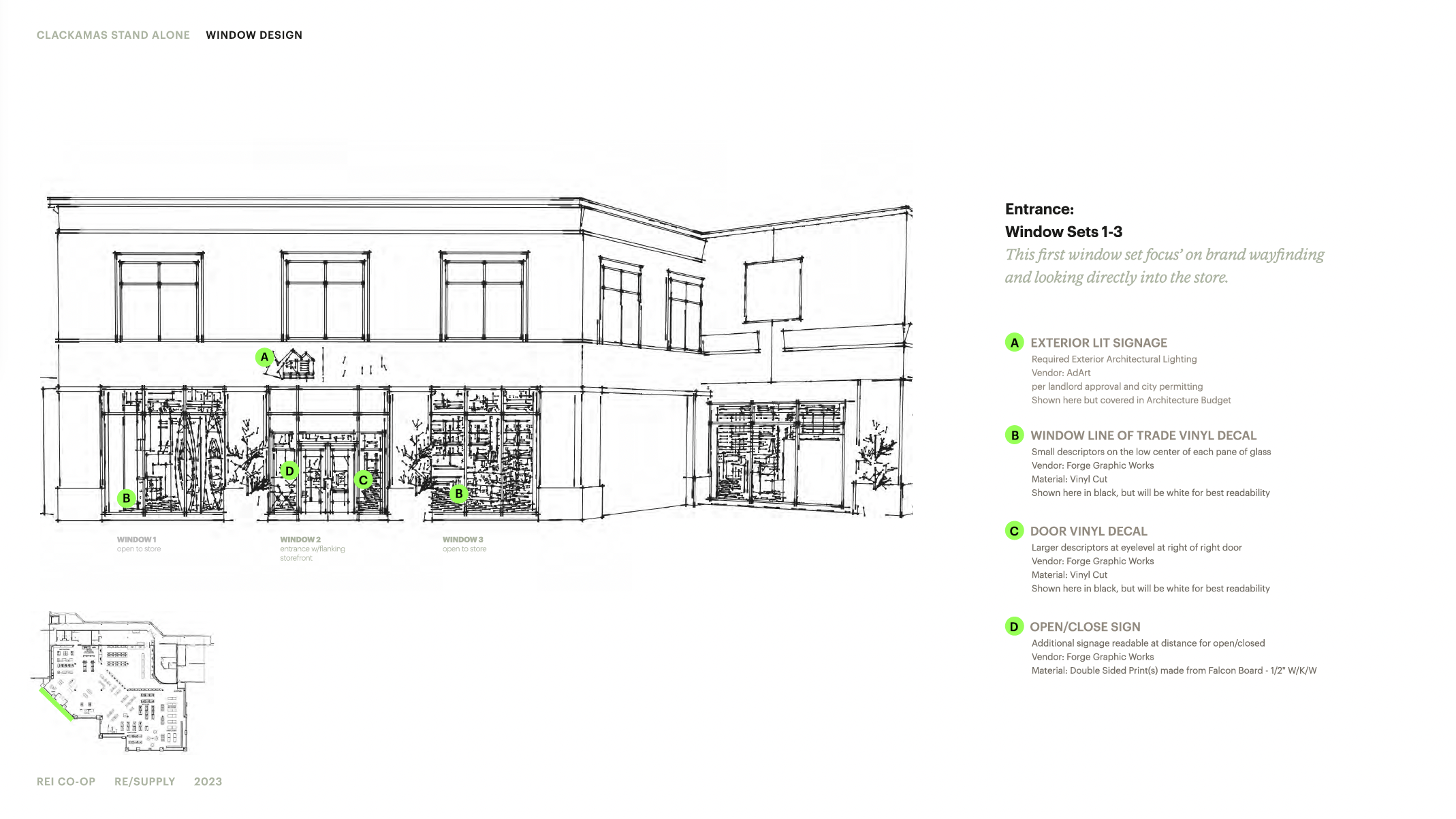
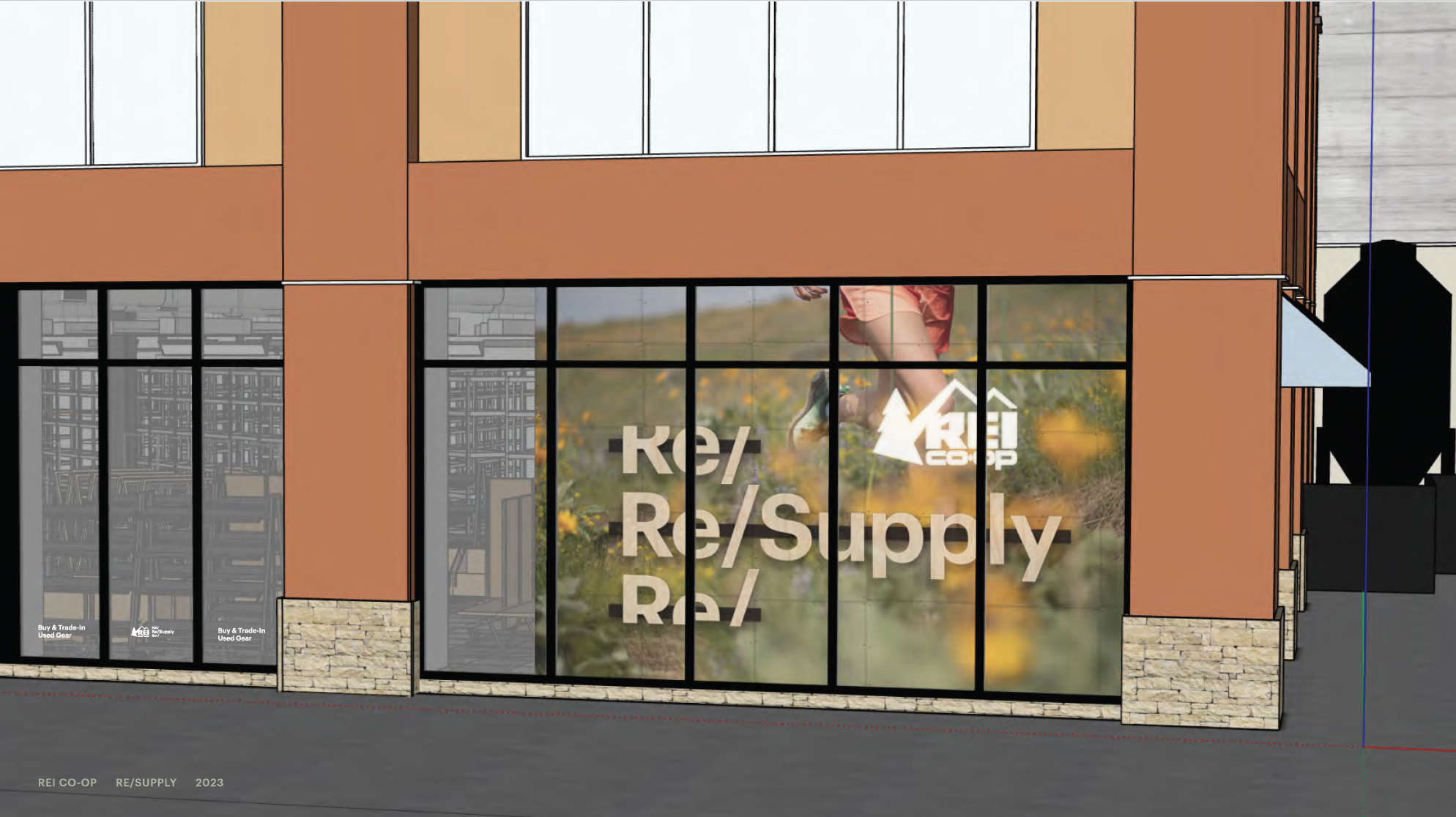
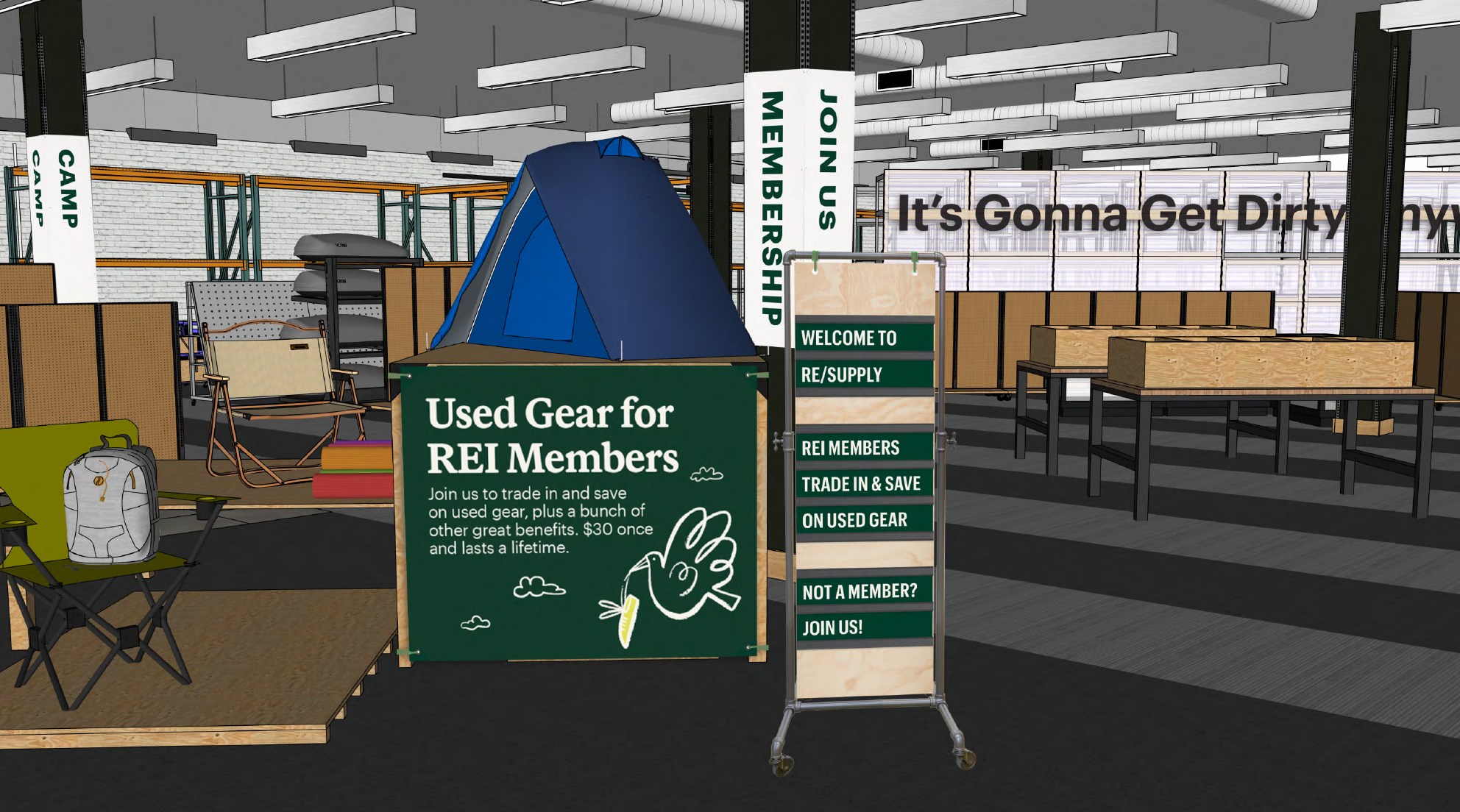
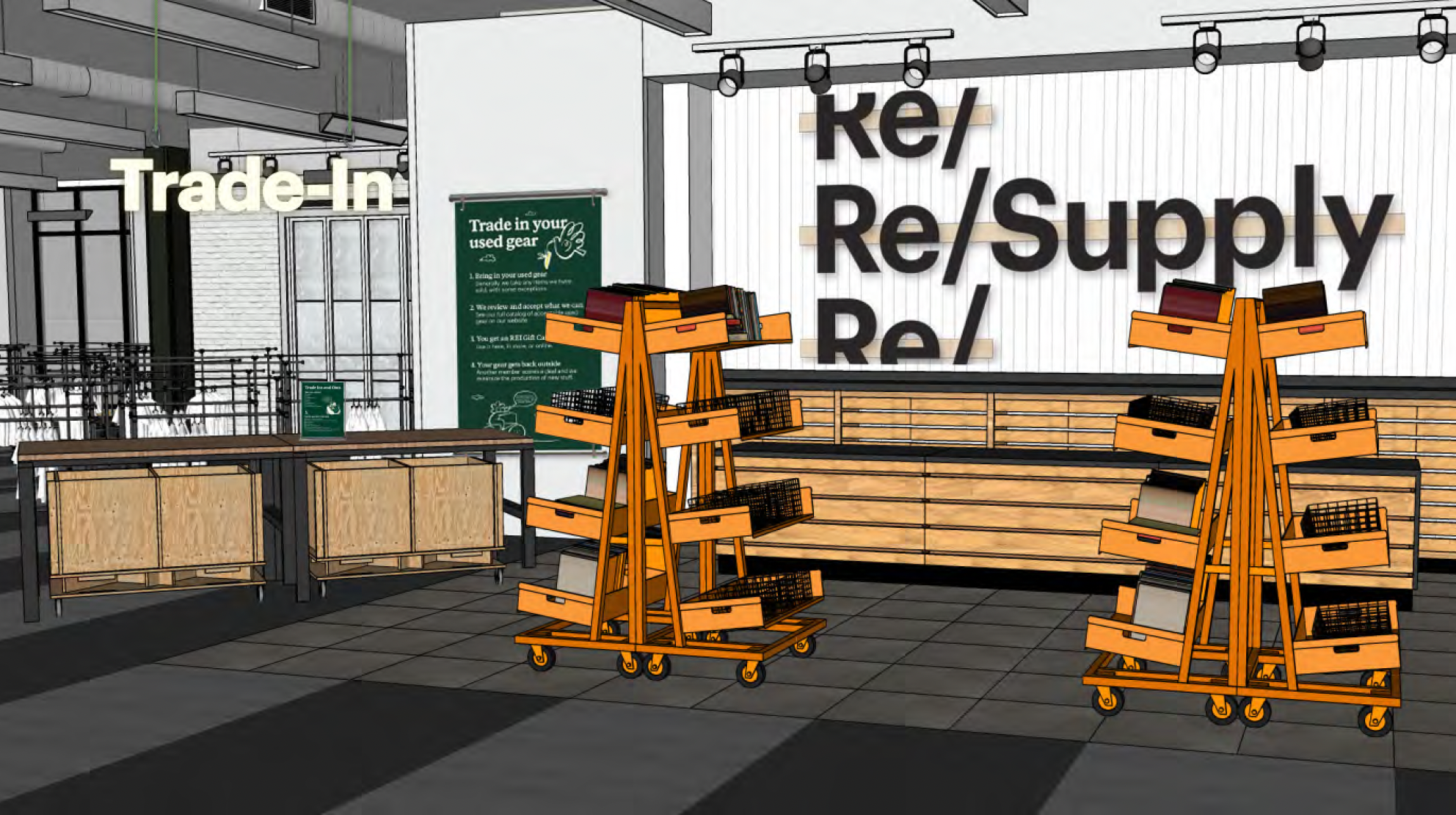
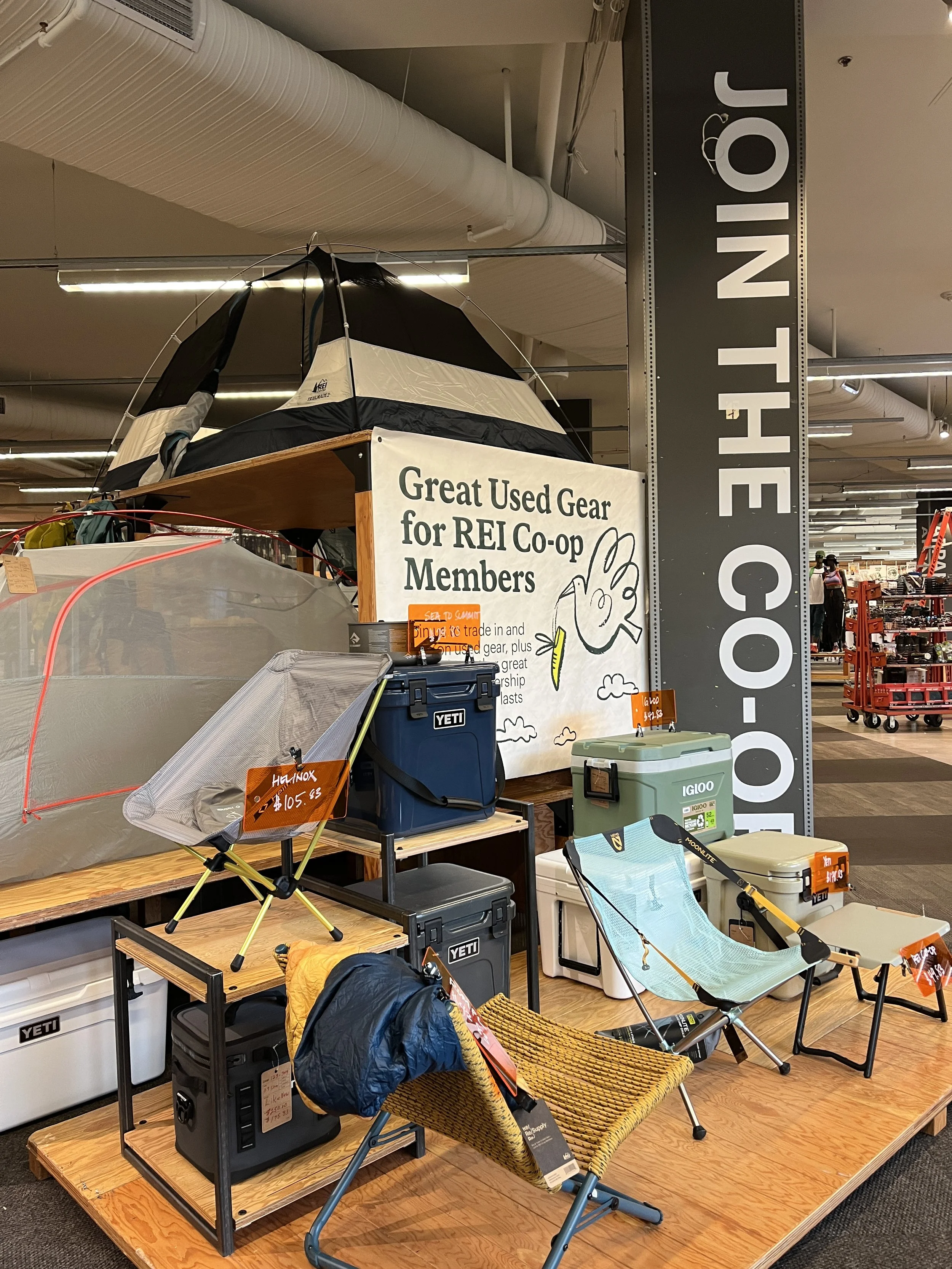
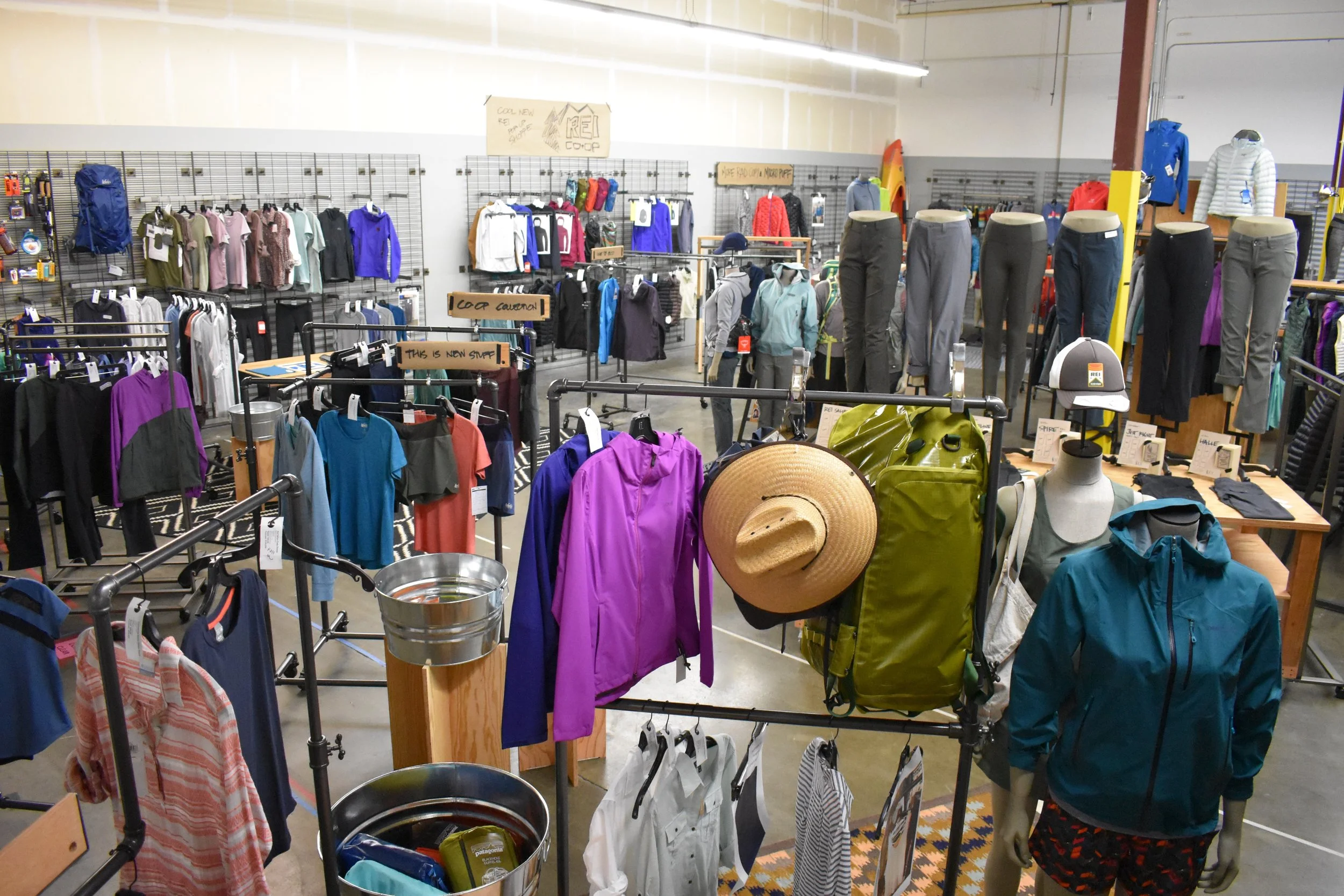
Used gear has a different customer than new gear. They're not browsing — they're hunting. They know what they need, they trust the brand, and they don't want to be sold to. Re/Supply needed to show up for that person: honest about what it is, clear about what it offers, and built from materials that don't pretend.
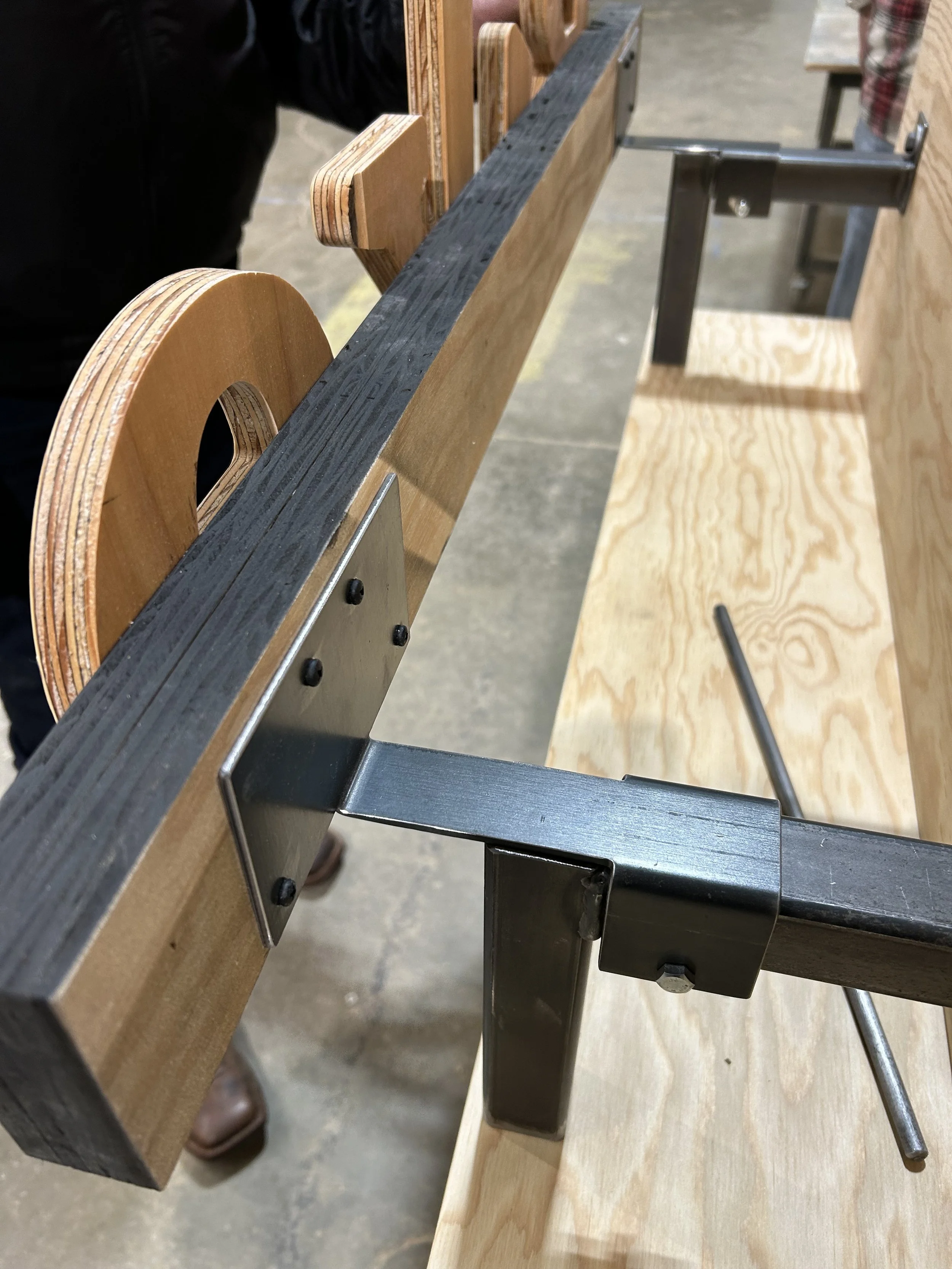
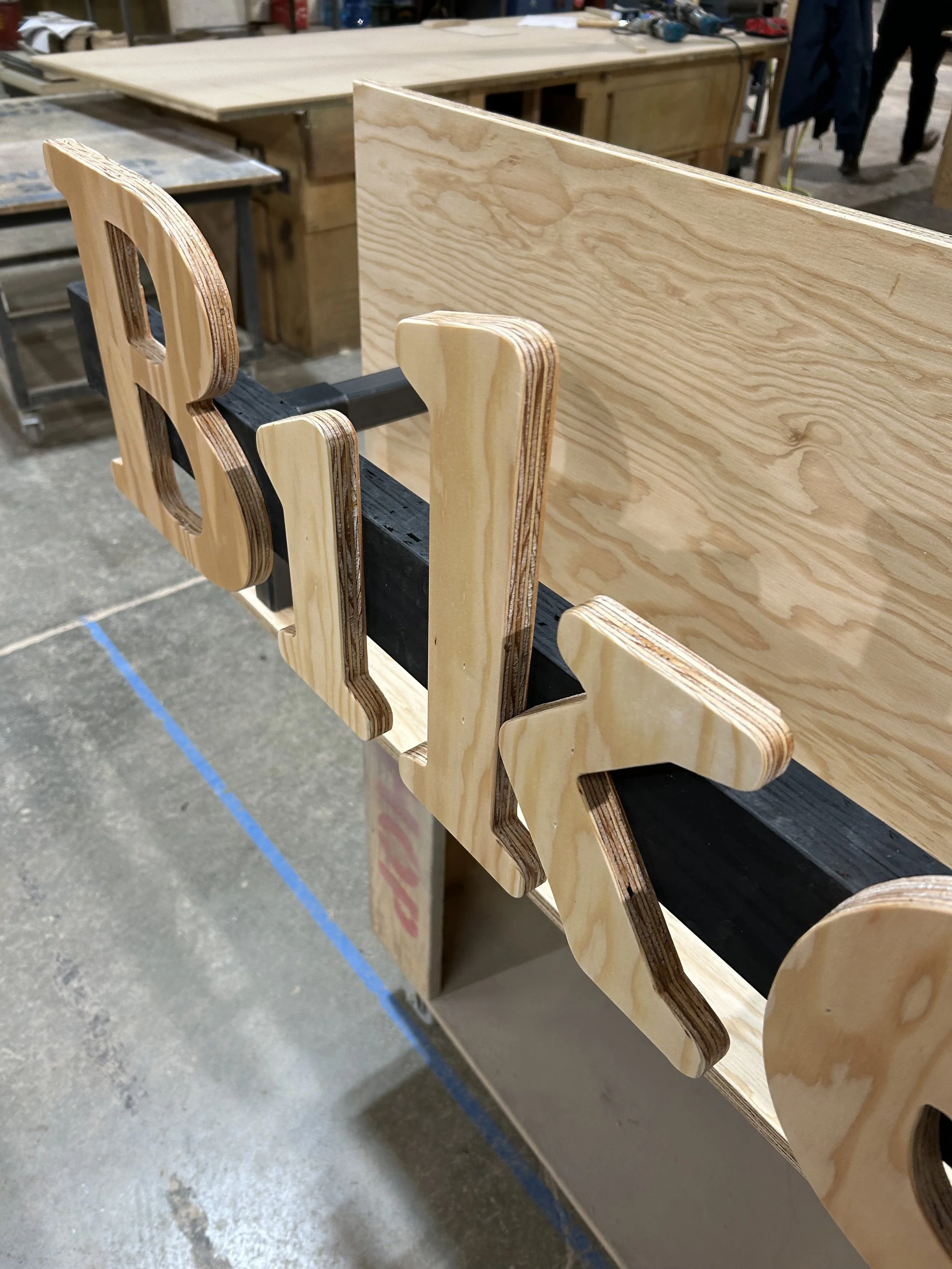
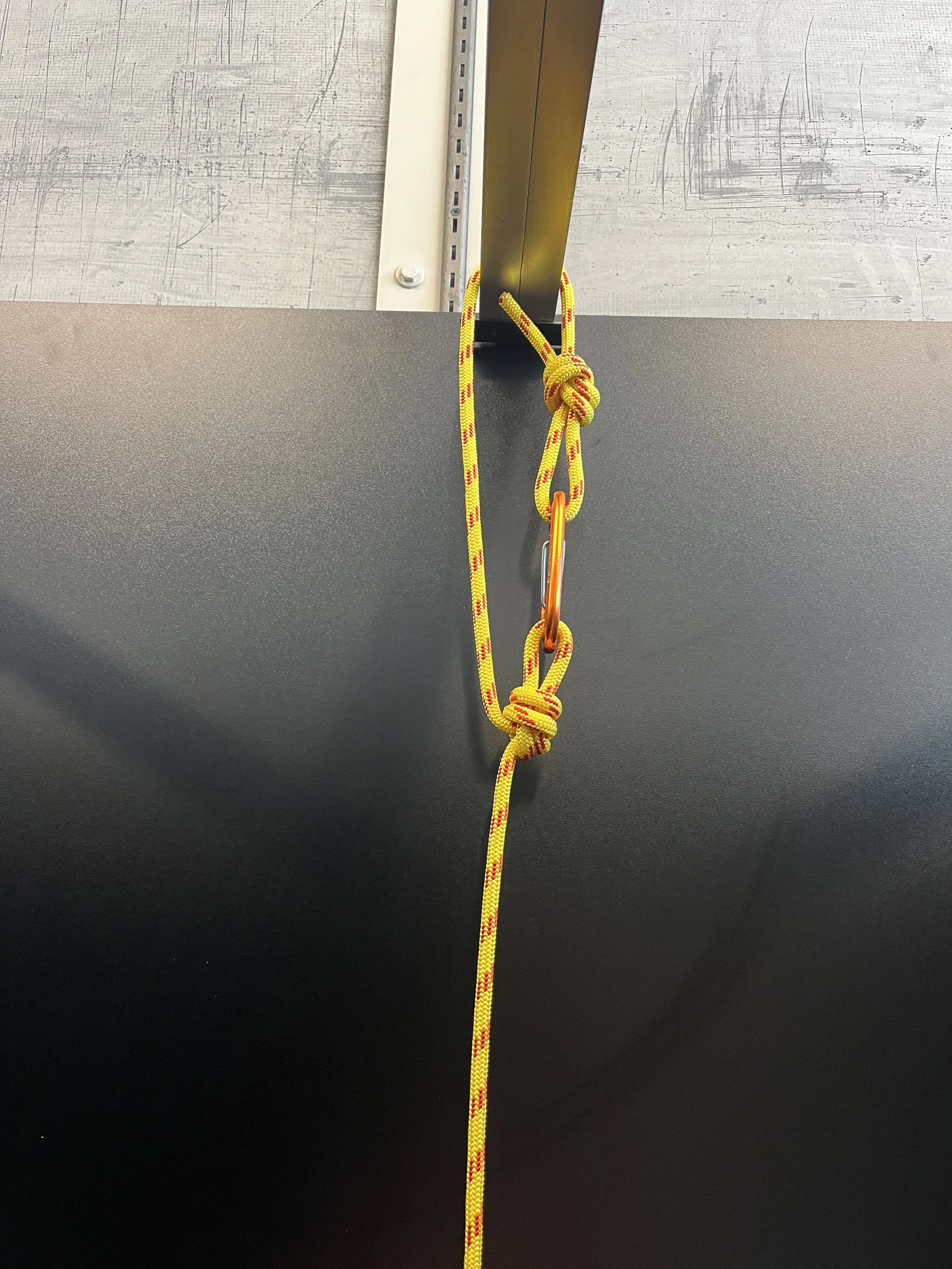
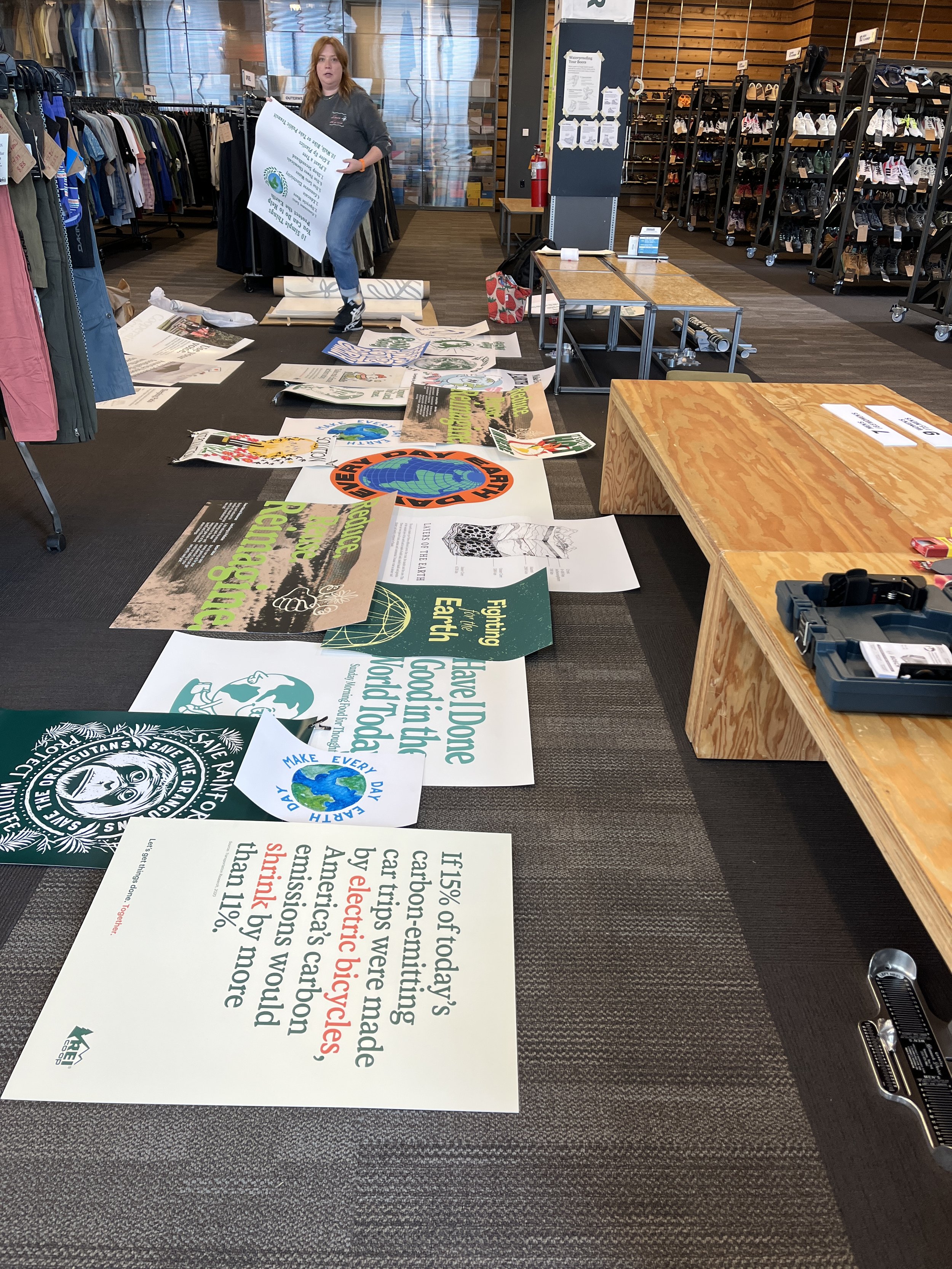
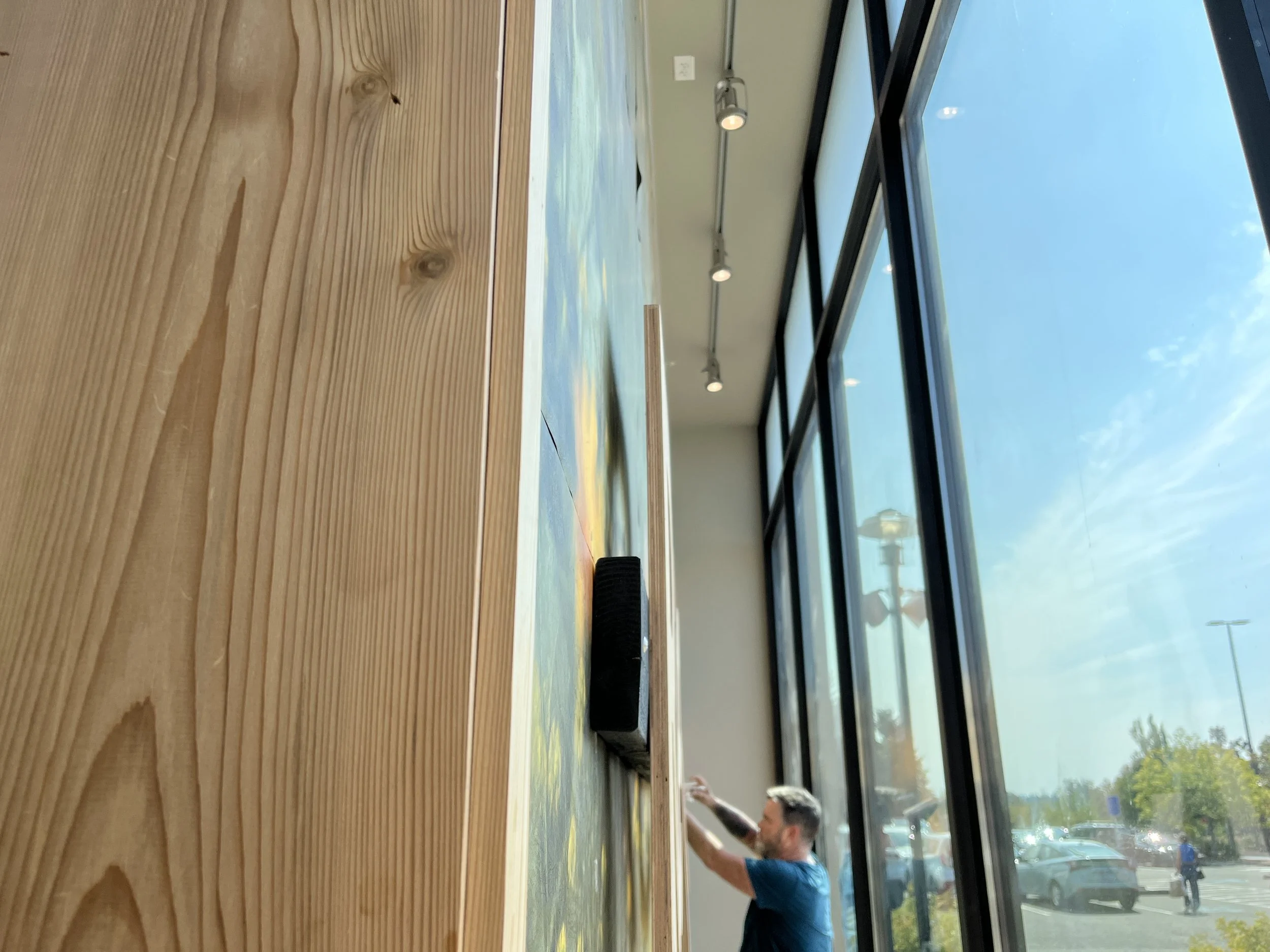
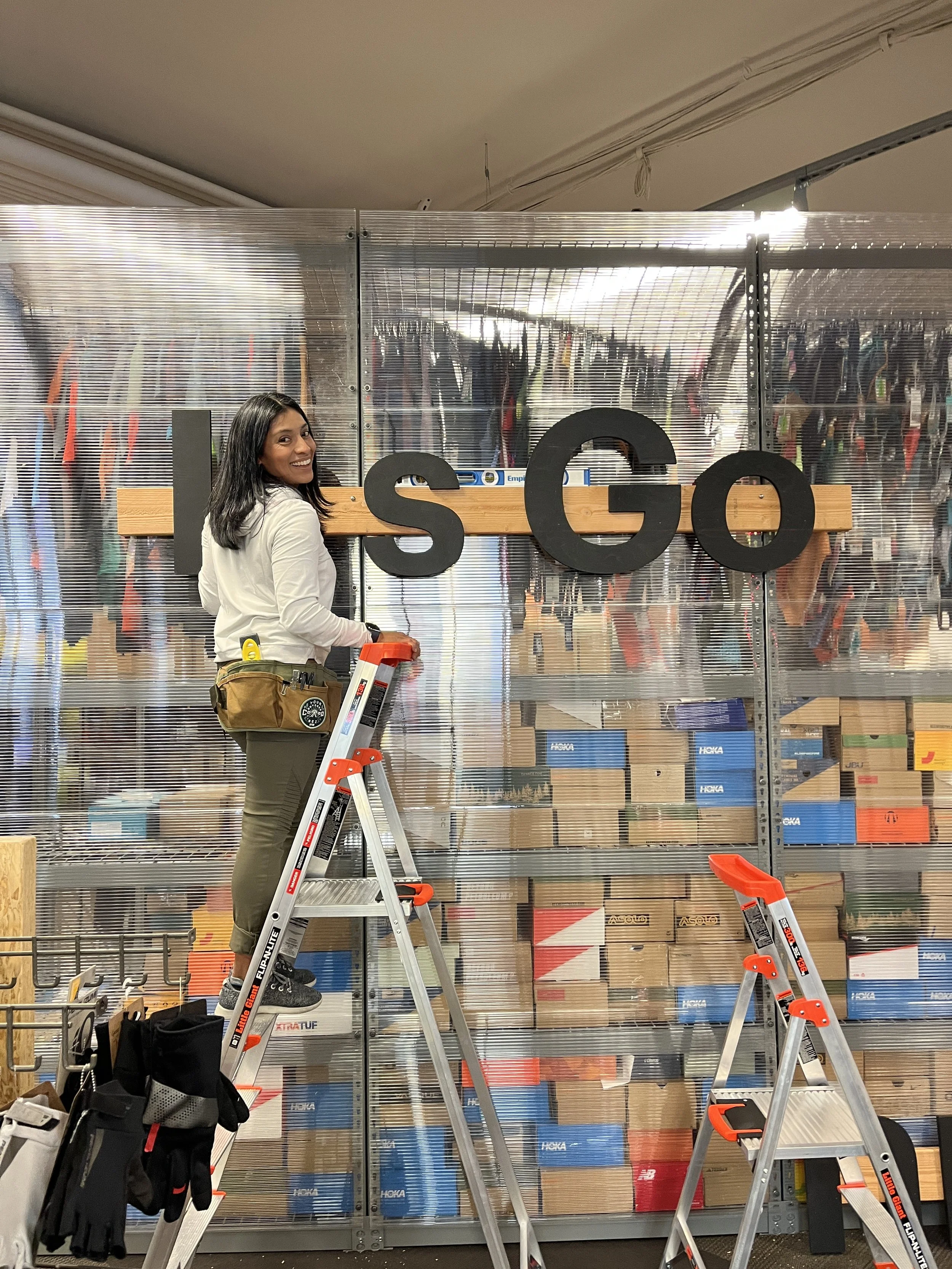
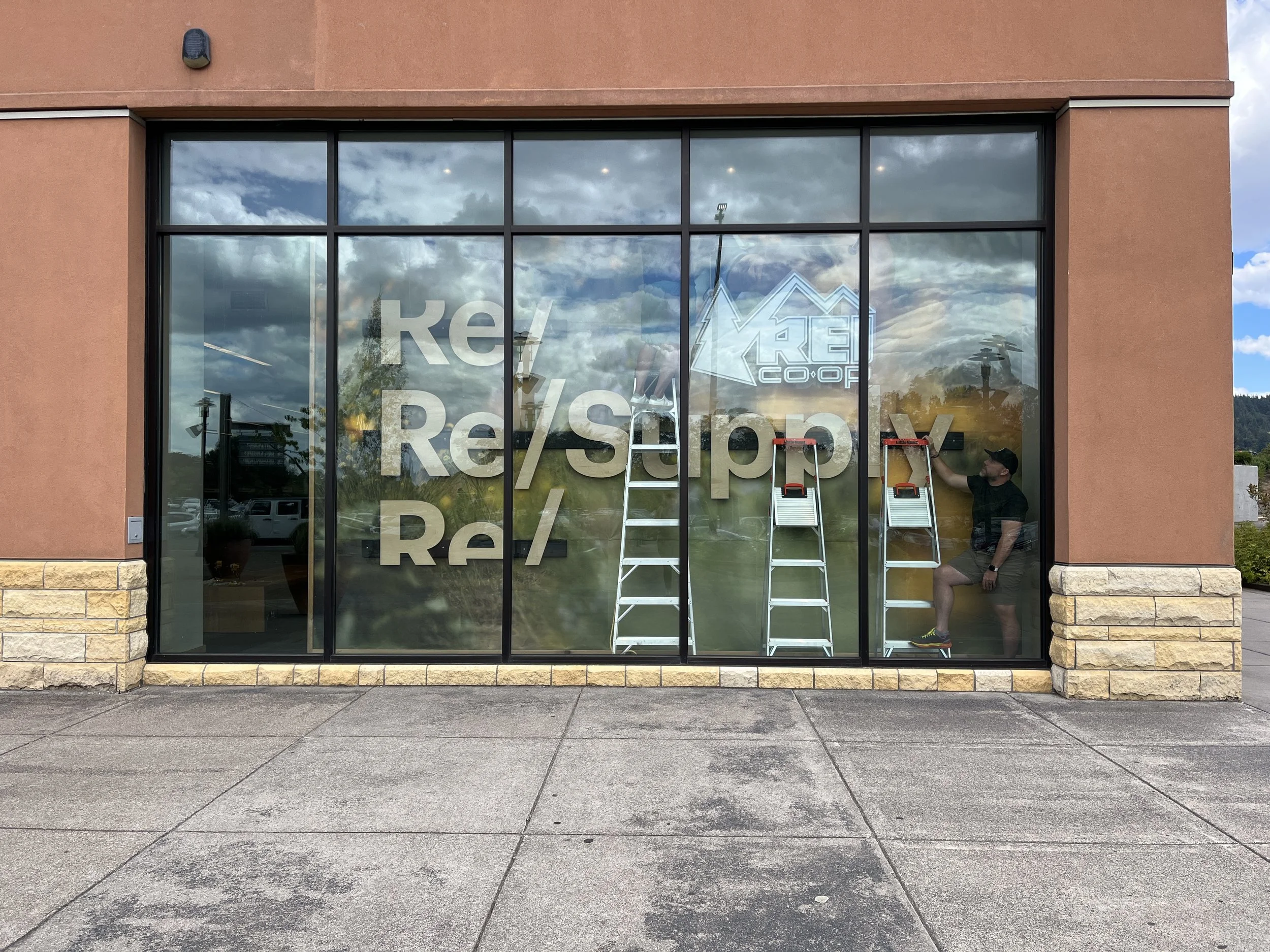
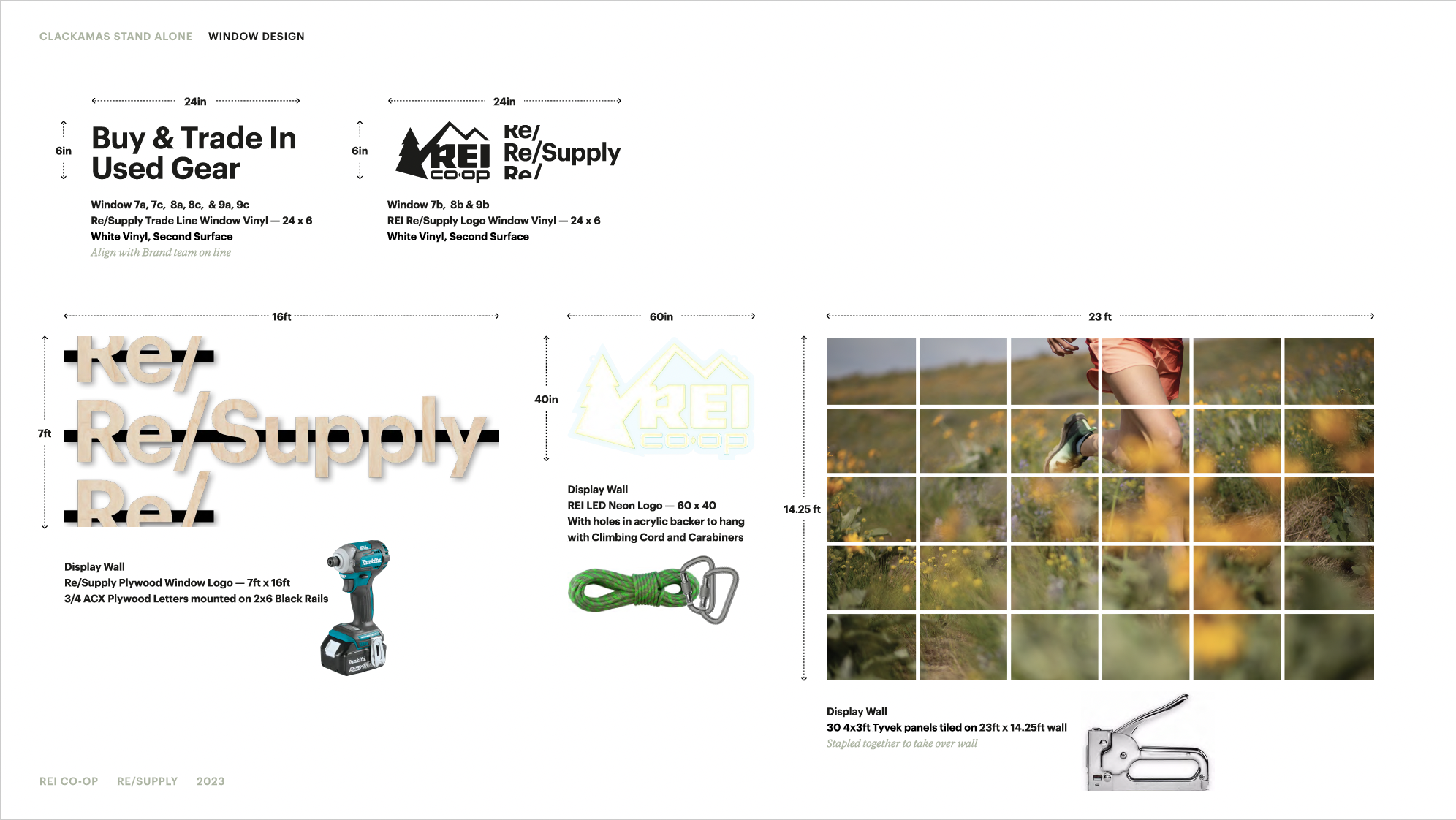
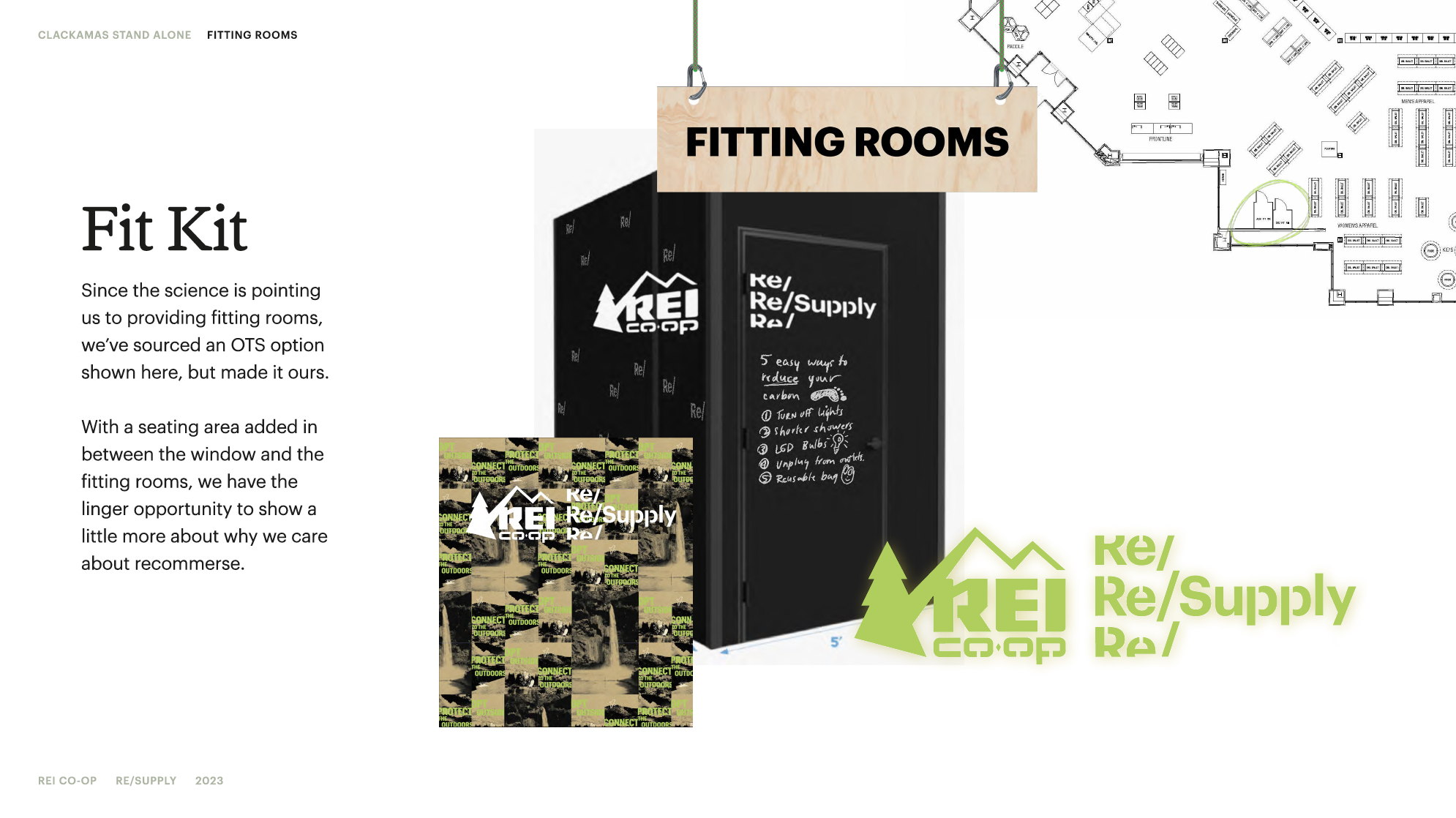
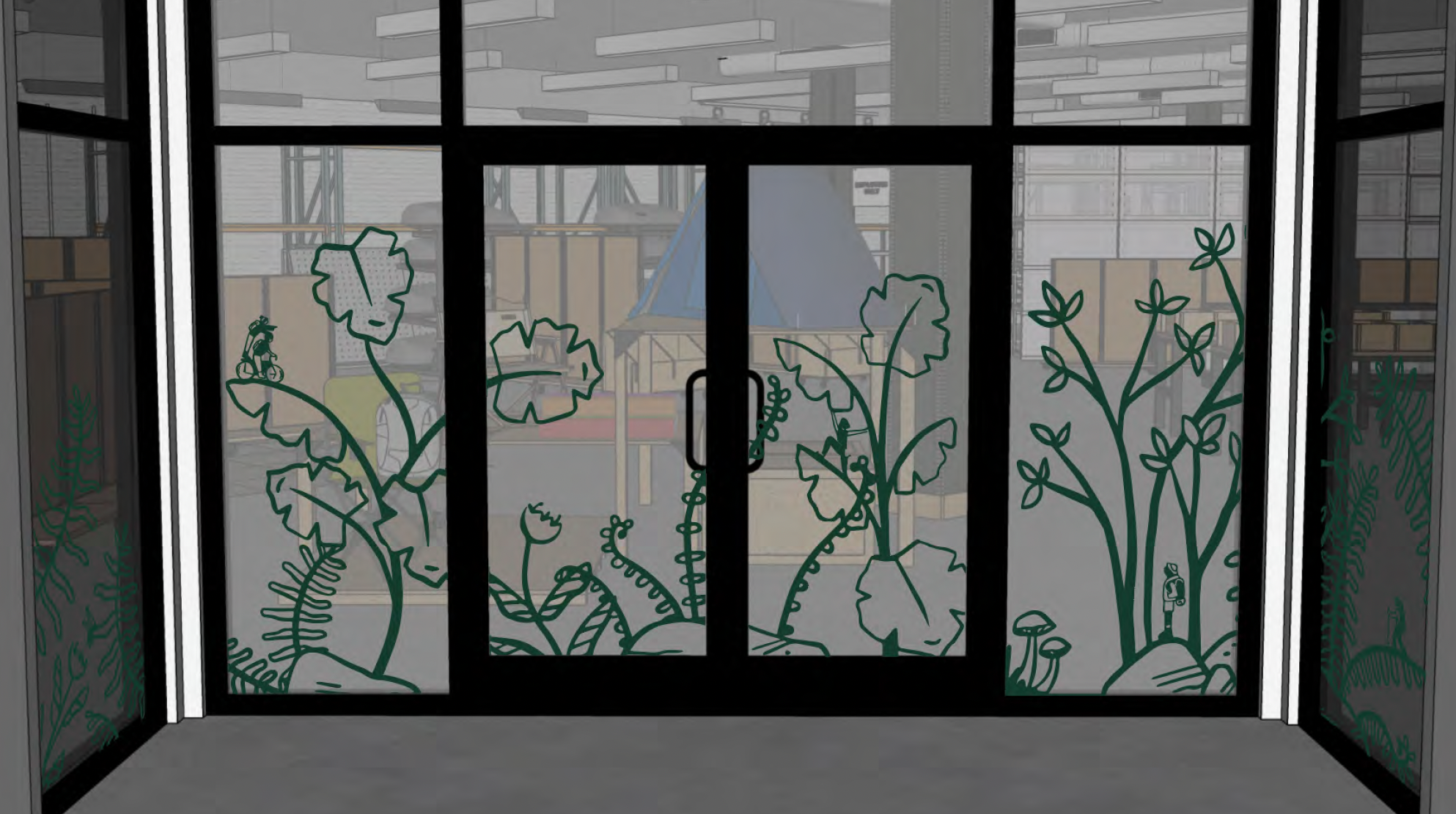
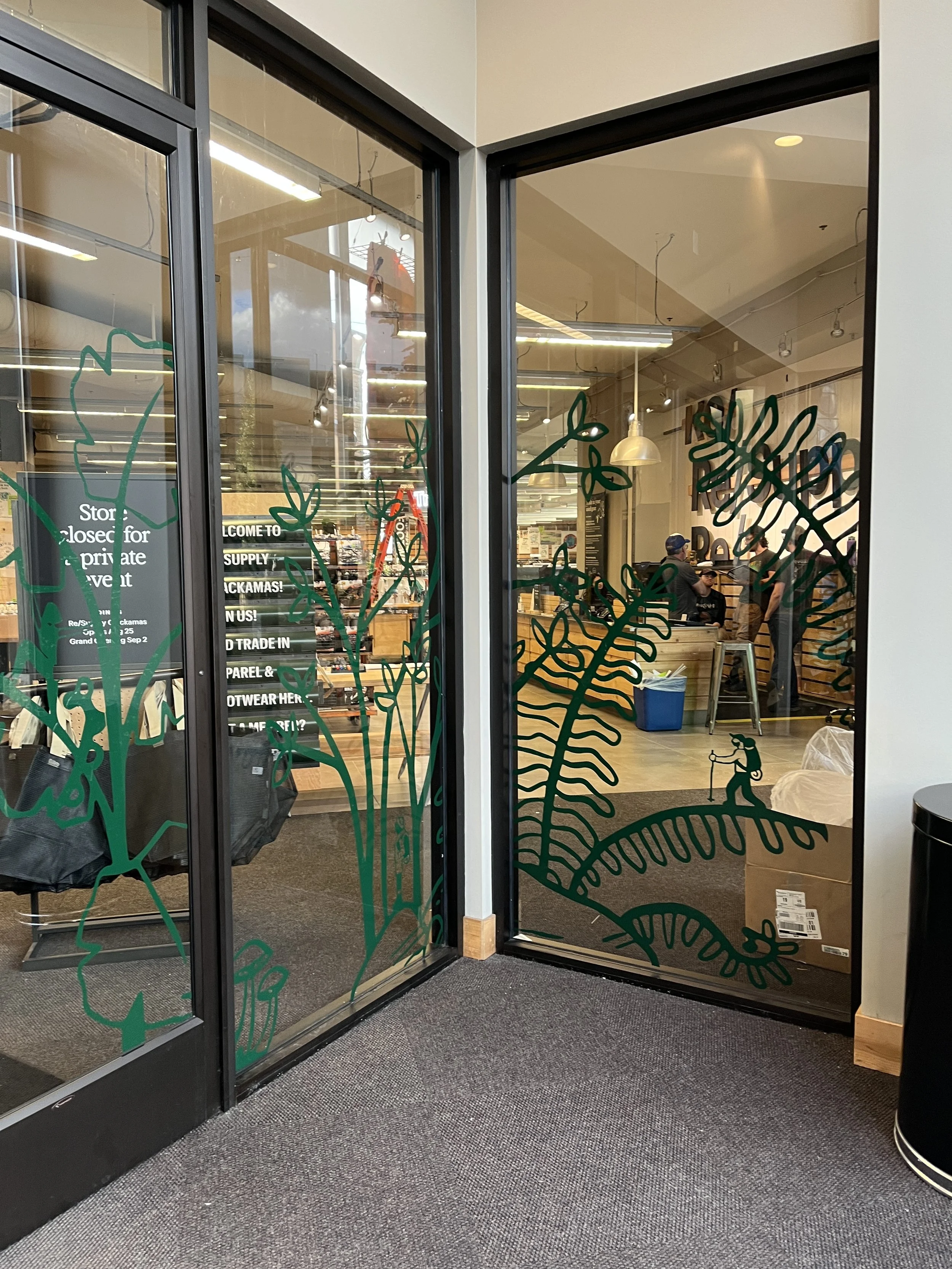
The design language started with a single constraint: the product changes constantly, so the identity can't rely on it. No campaign photography. No seasonal moments. Just logo, price, and a philosophy about not putting good gear in a landfill. Every asset was designed to install without a crew — oversized graphics tile up with a staple gun, dimensional letters kern onto a rail so the only task is hanging the rail. The result is a store that feels like it was set up by someone who actually uses the stuff inside it.
One store opened. The concept isn't moving forward. But the design system works — and the question it answered is still the right one: what does a resale experience look like when it respects the customer enough to get out of its own way?
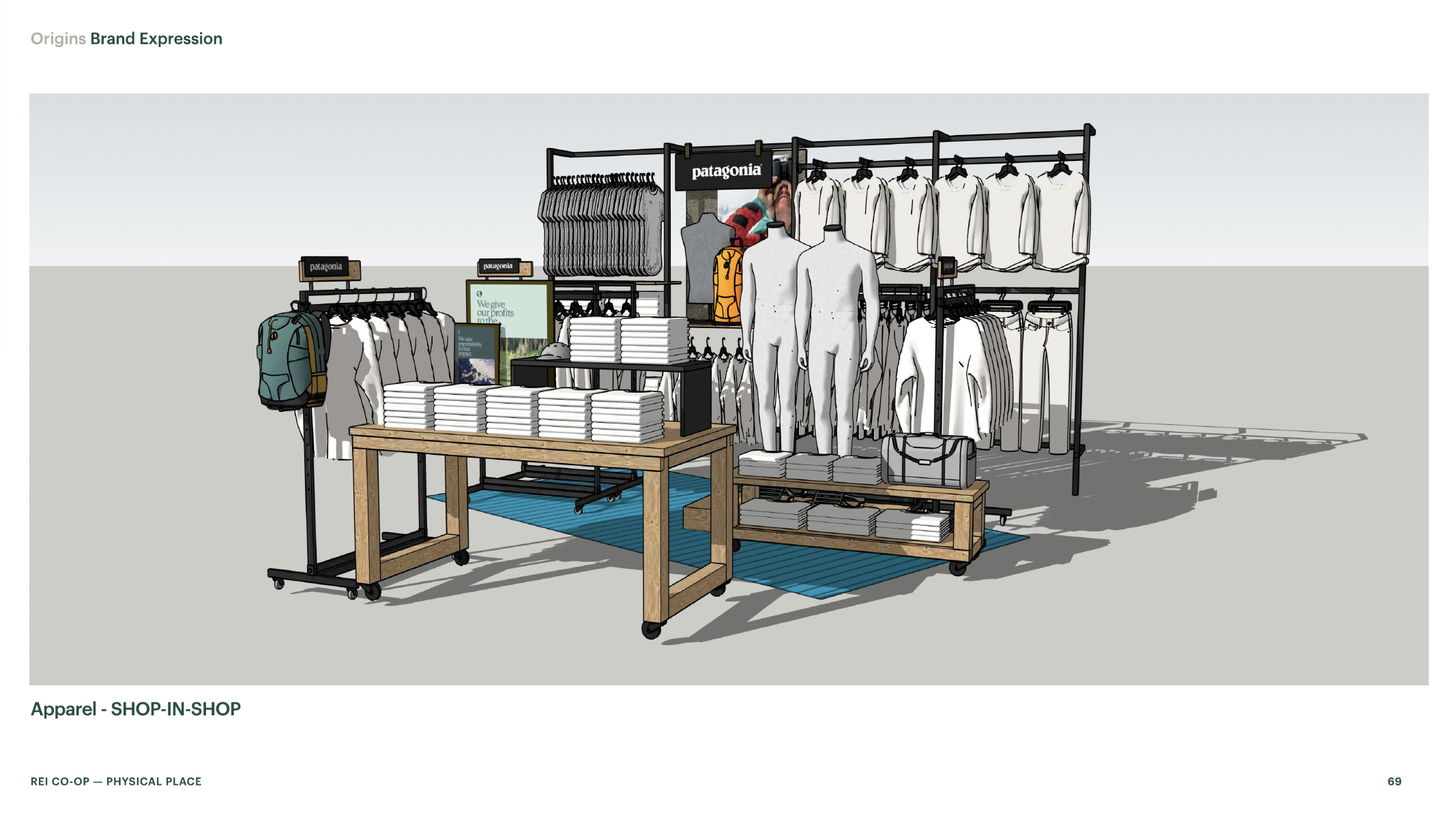
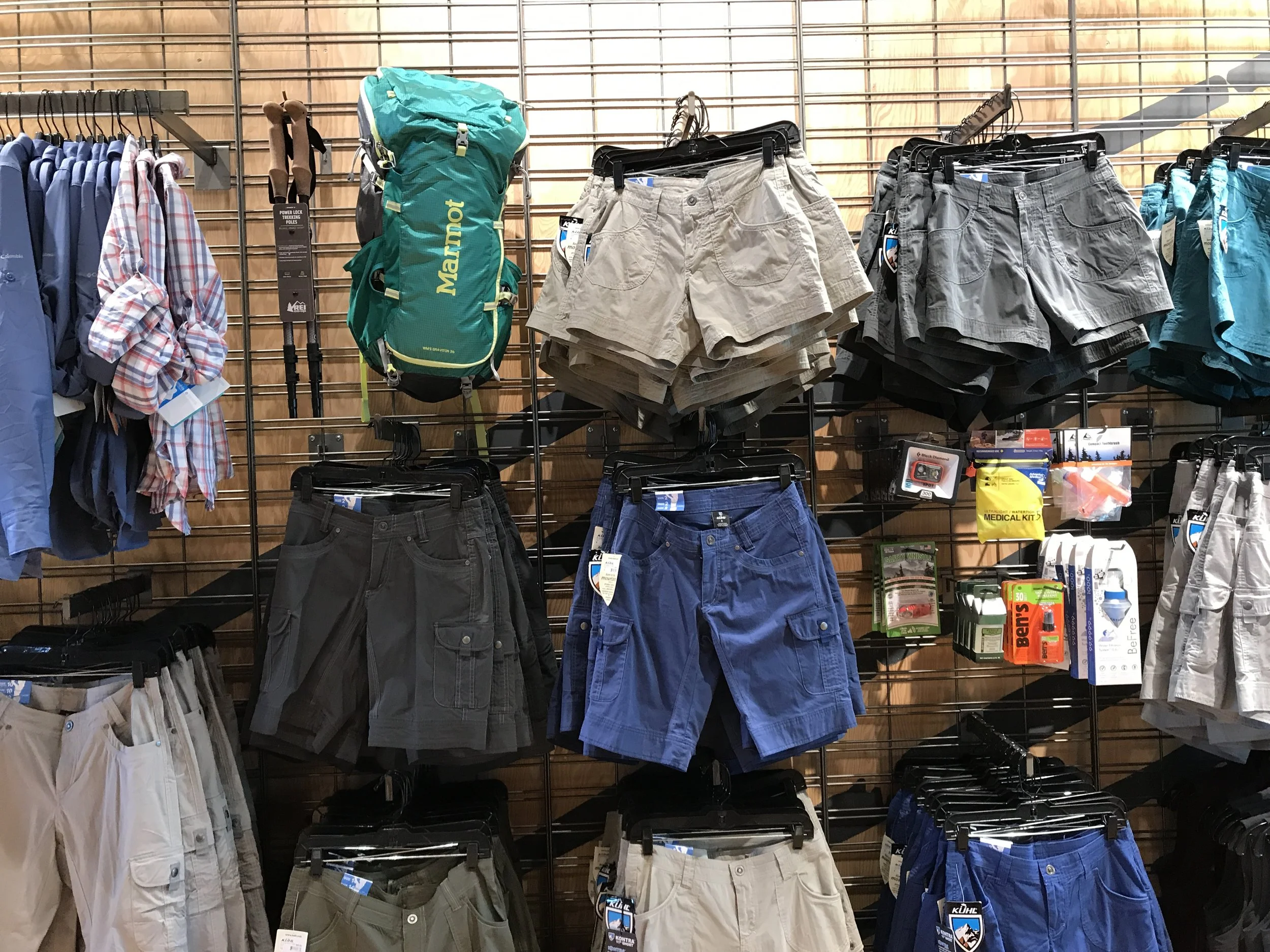
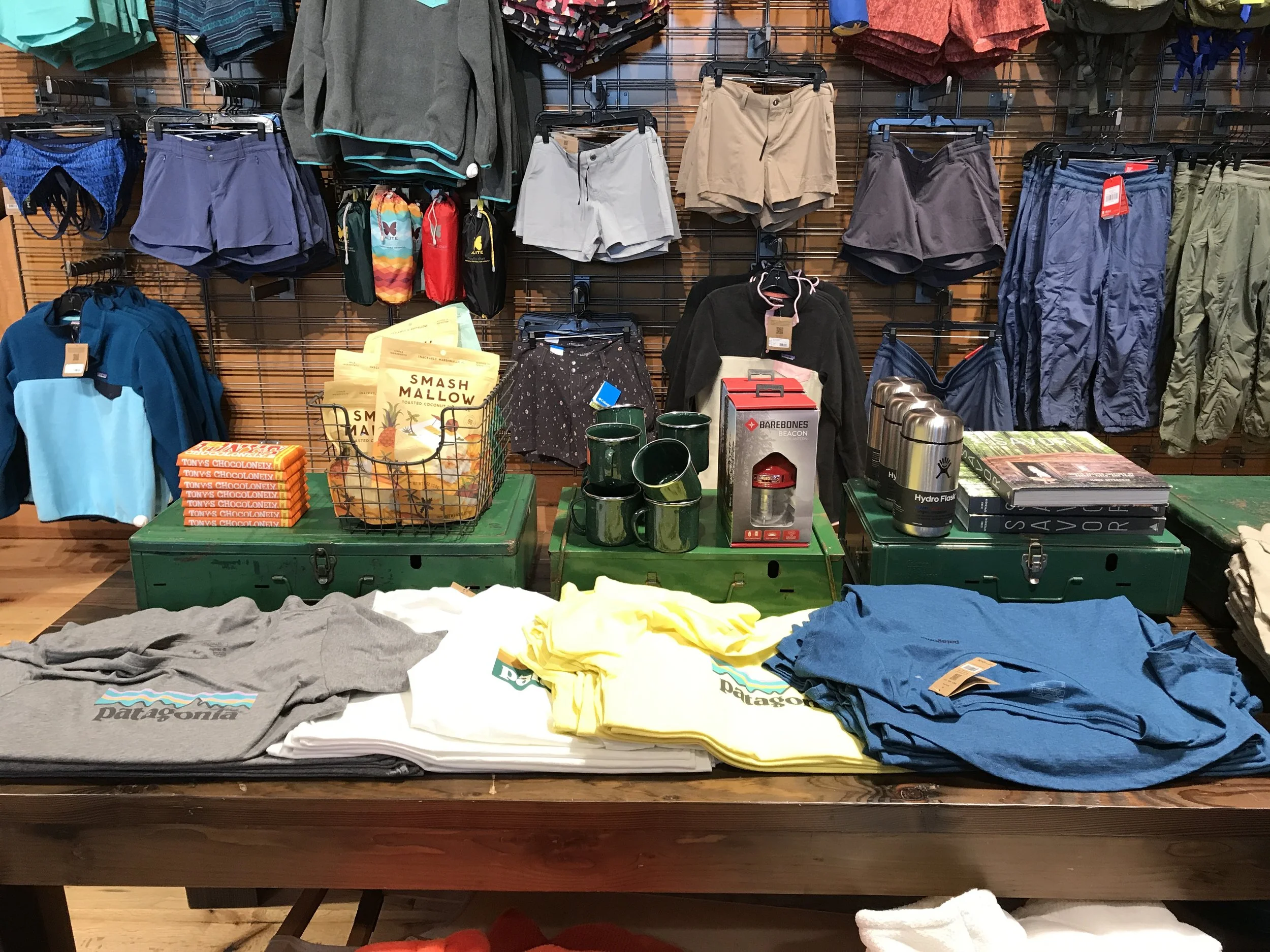
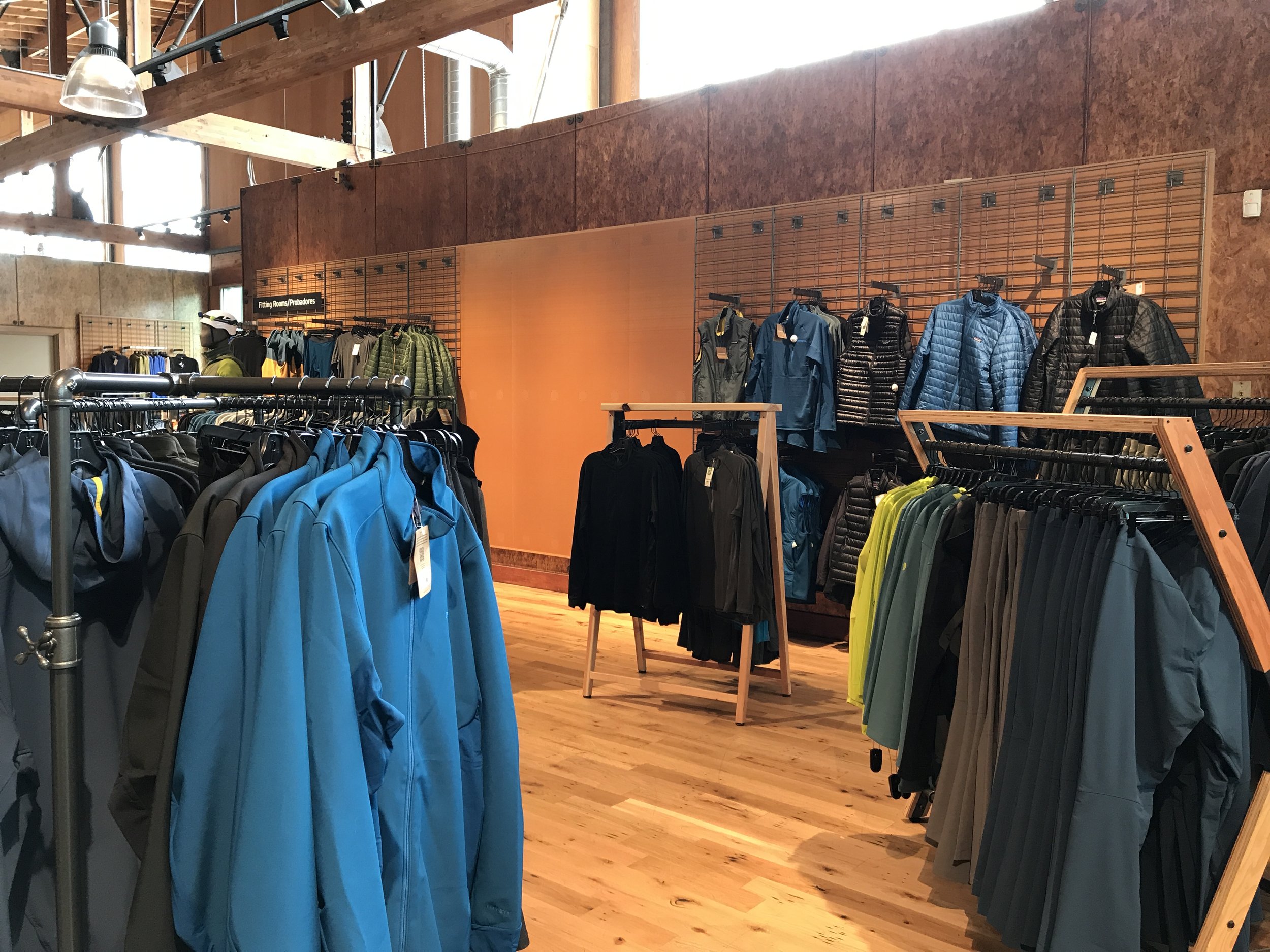
REI Apparel Evolution — Where gear lives for the people who use it
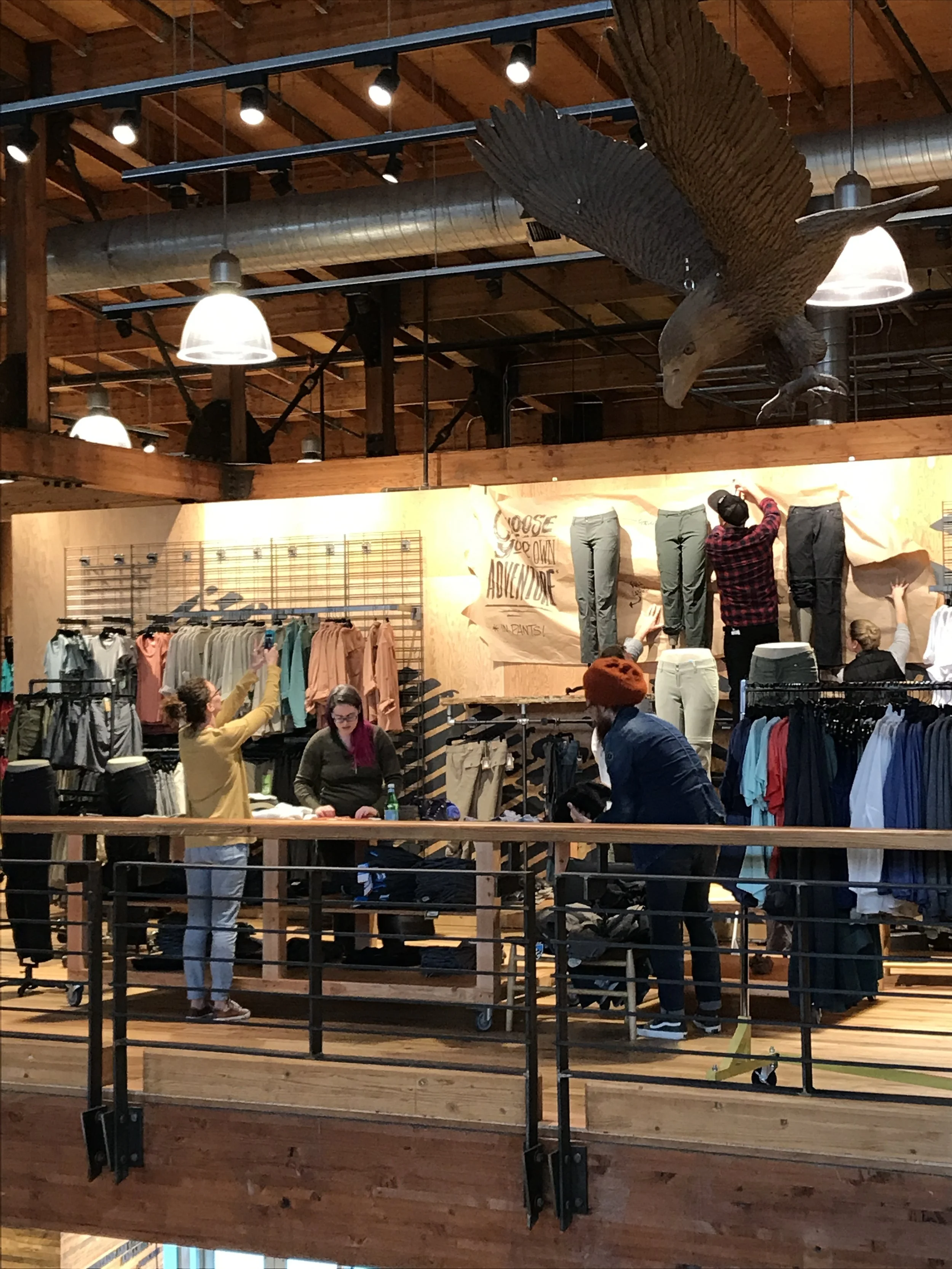
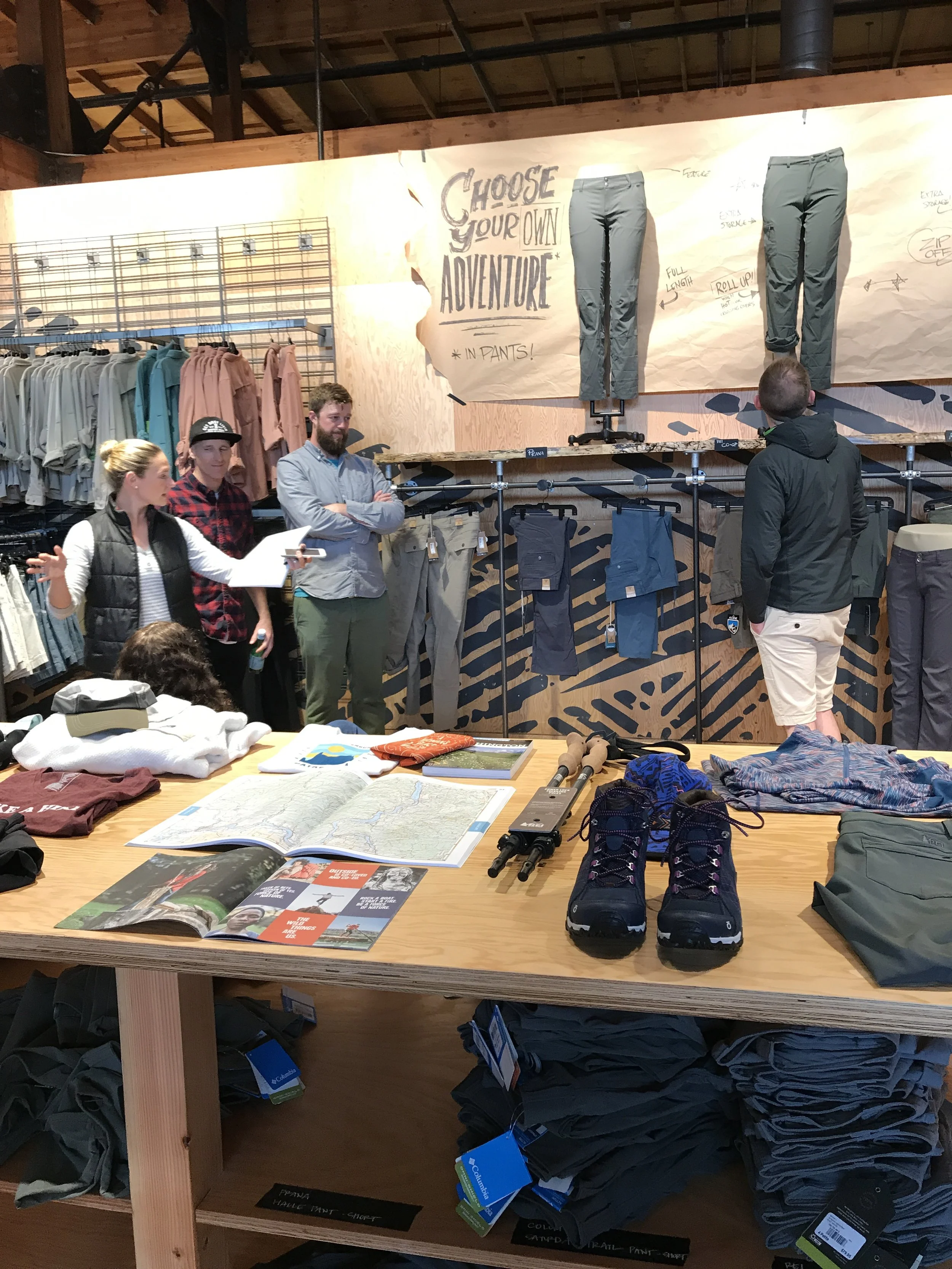
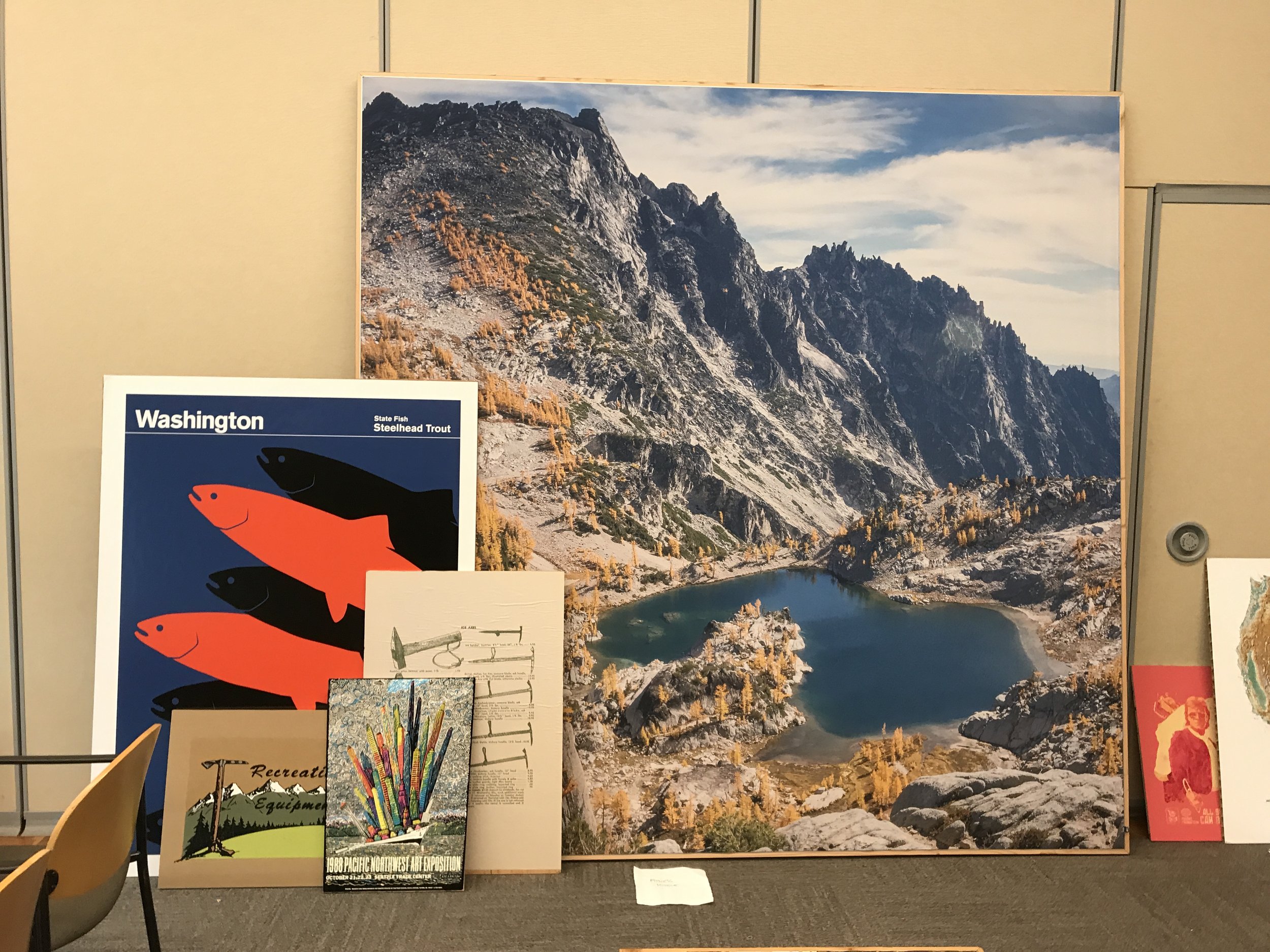
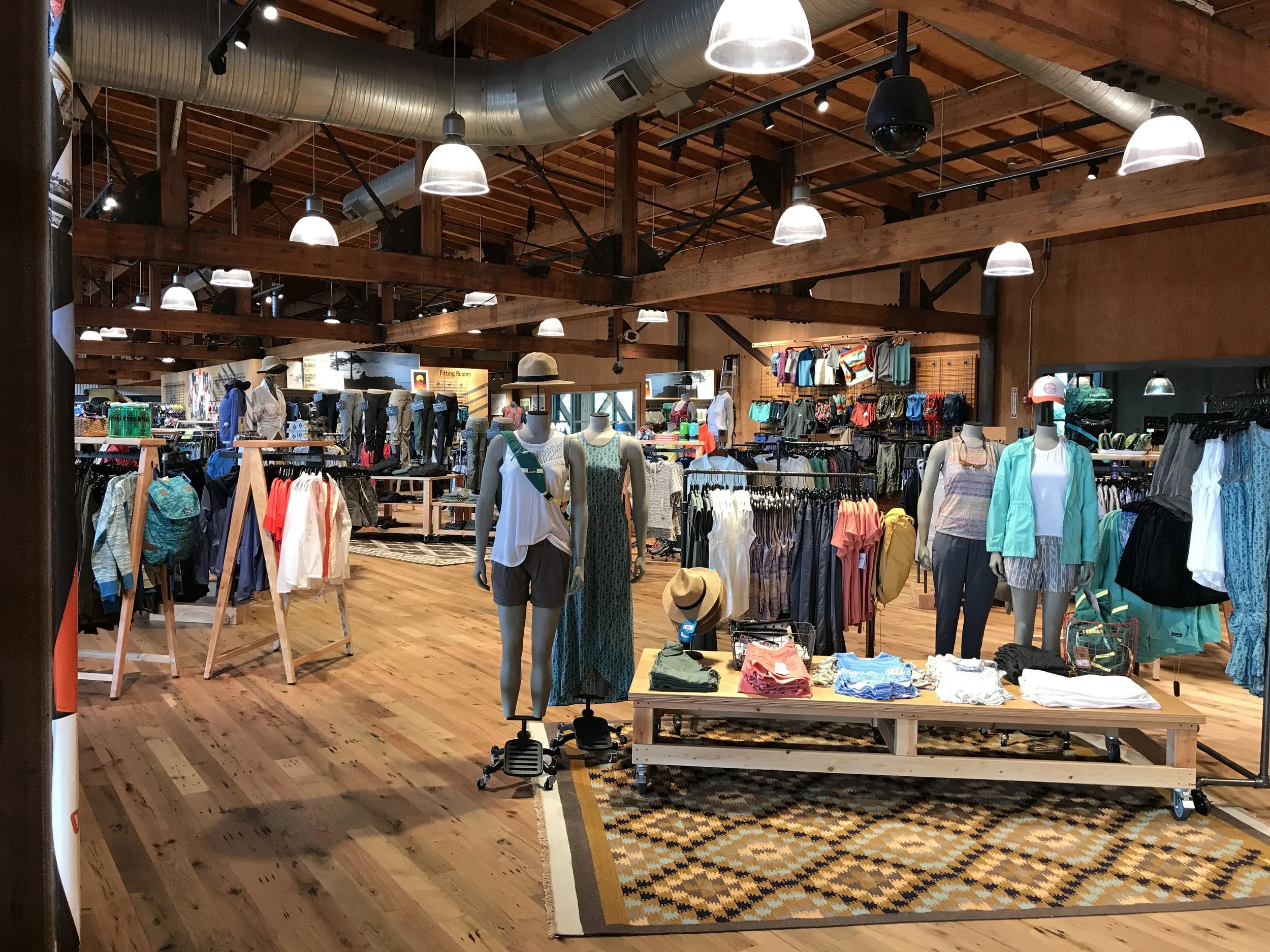
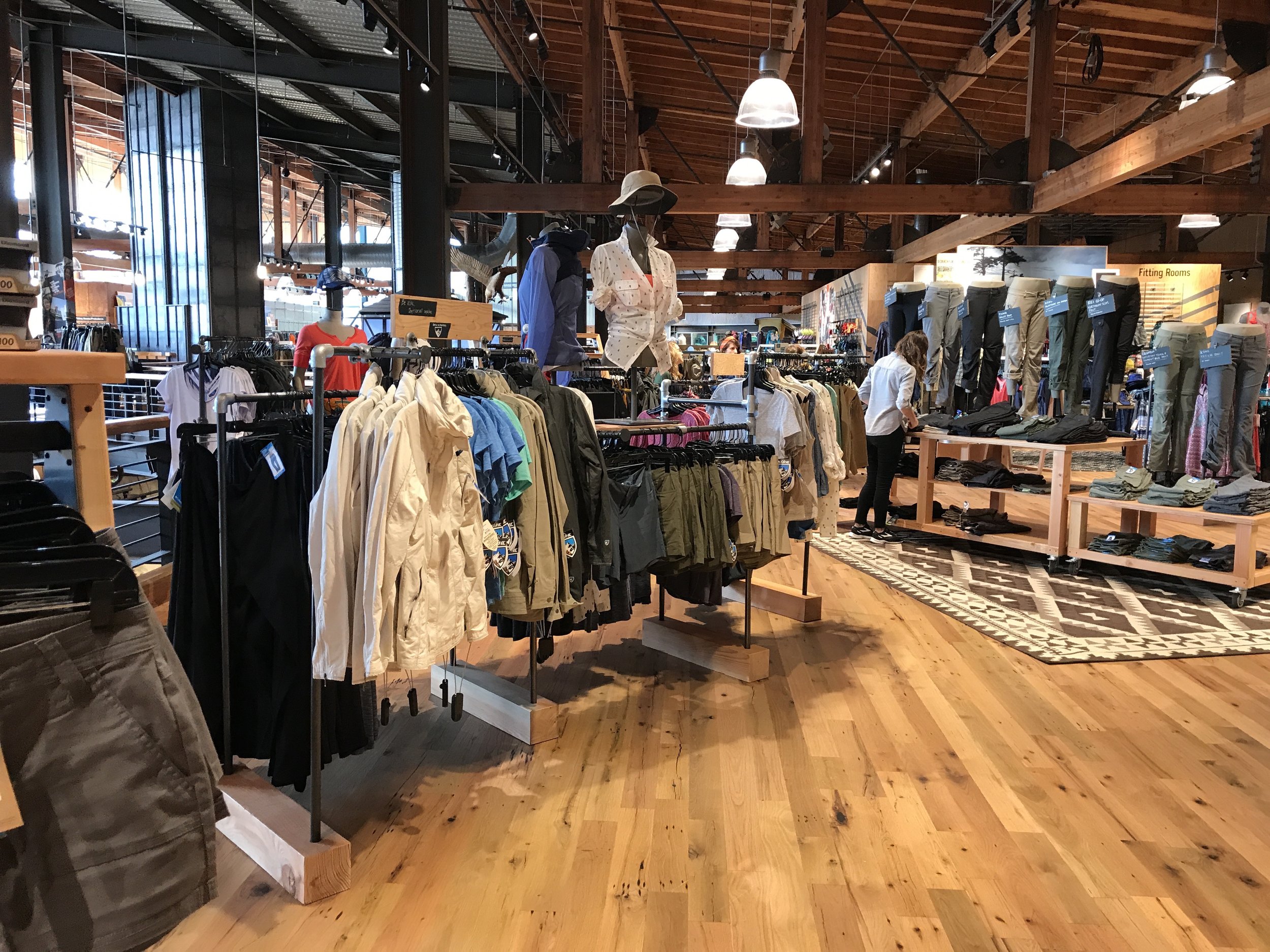
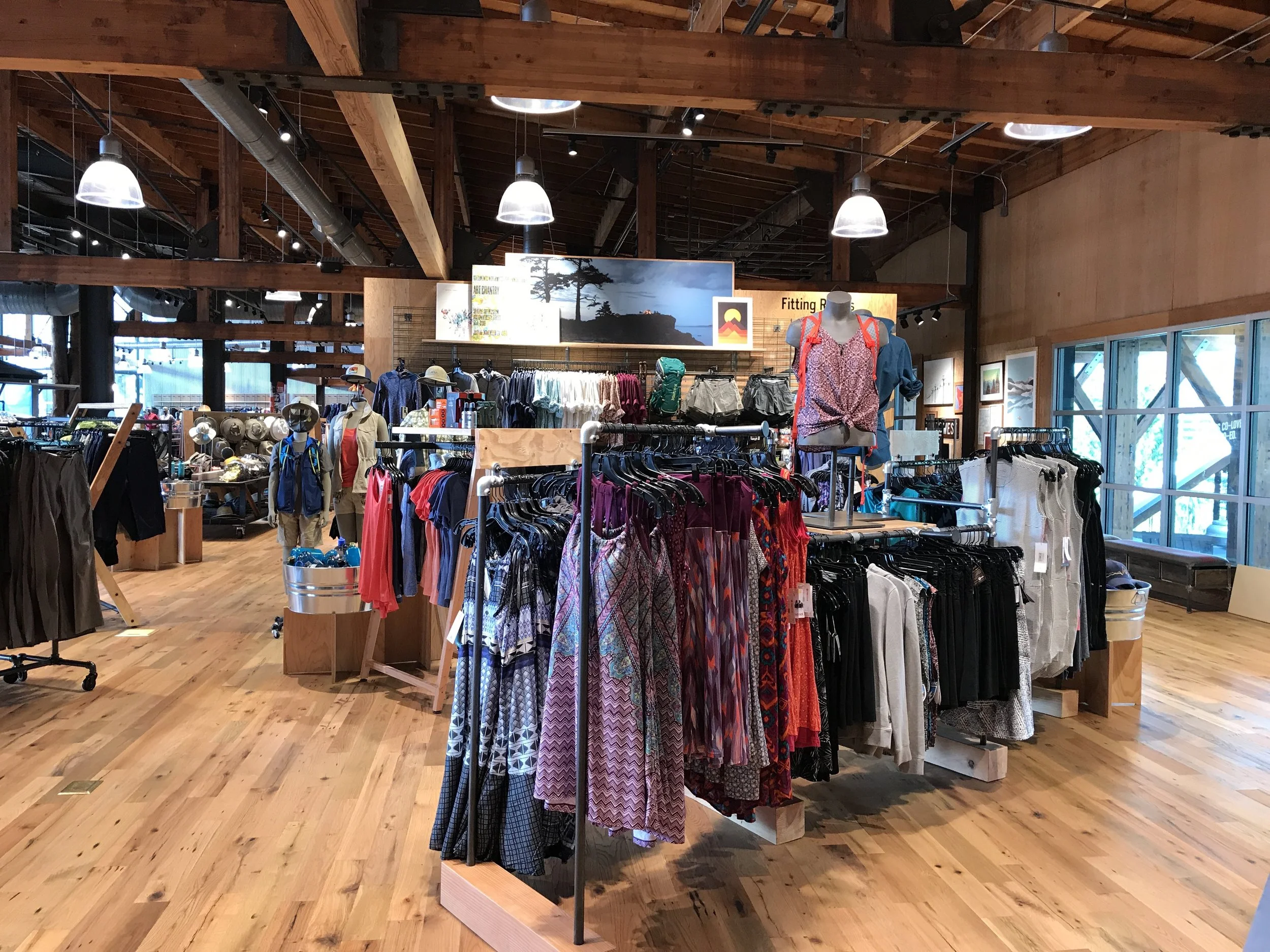
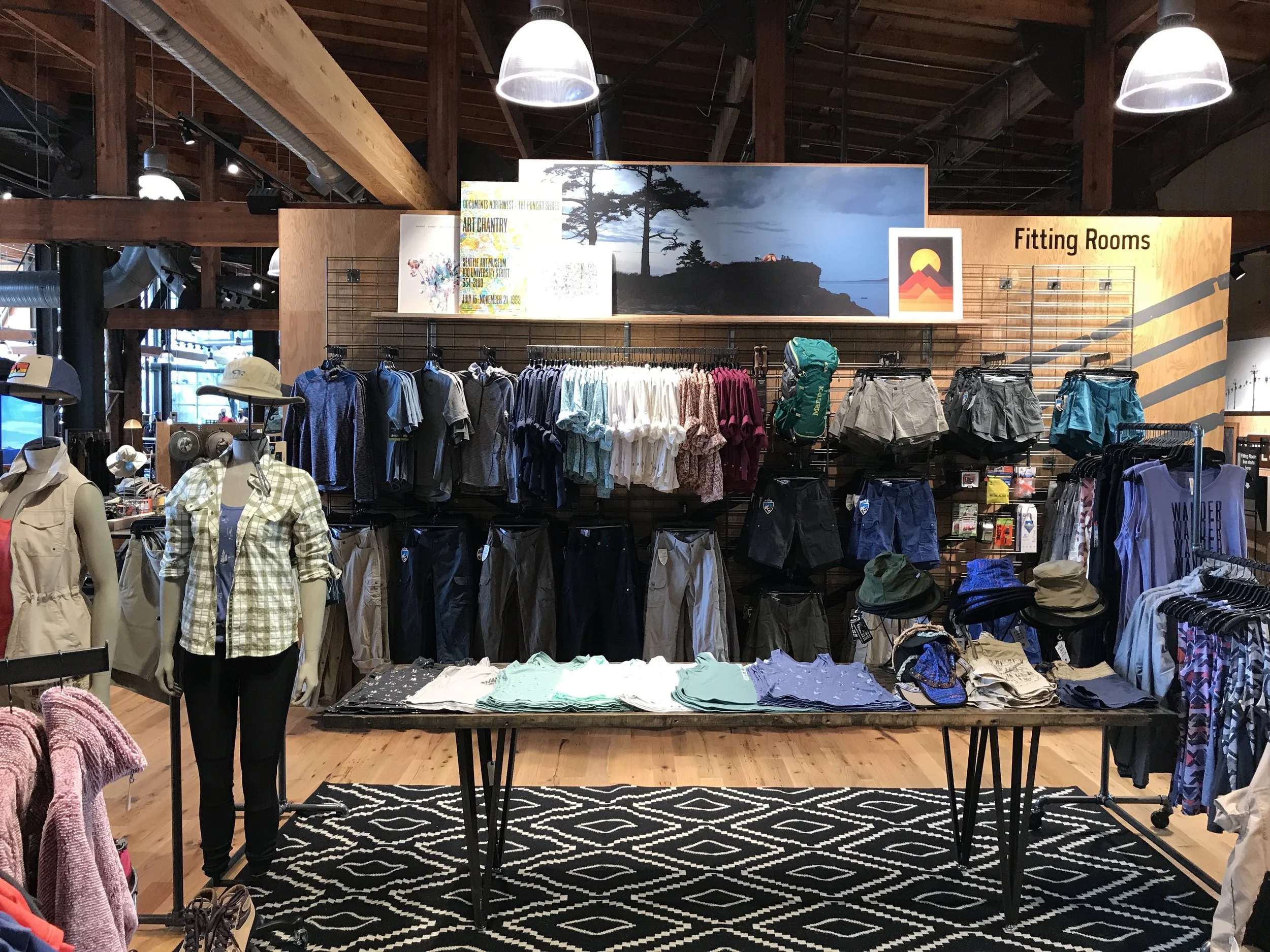
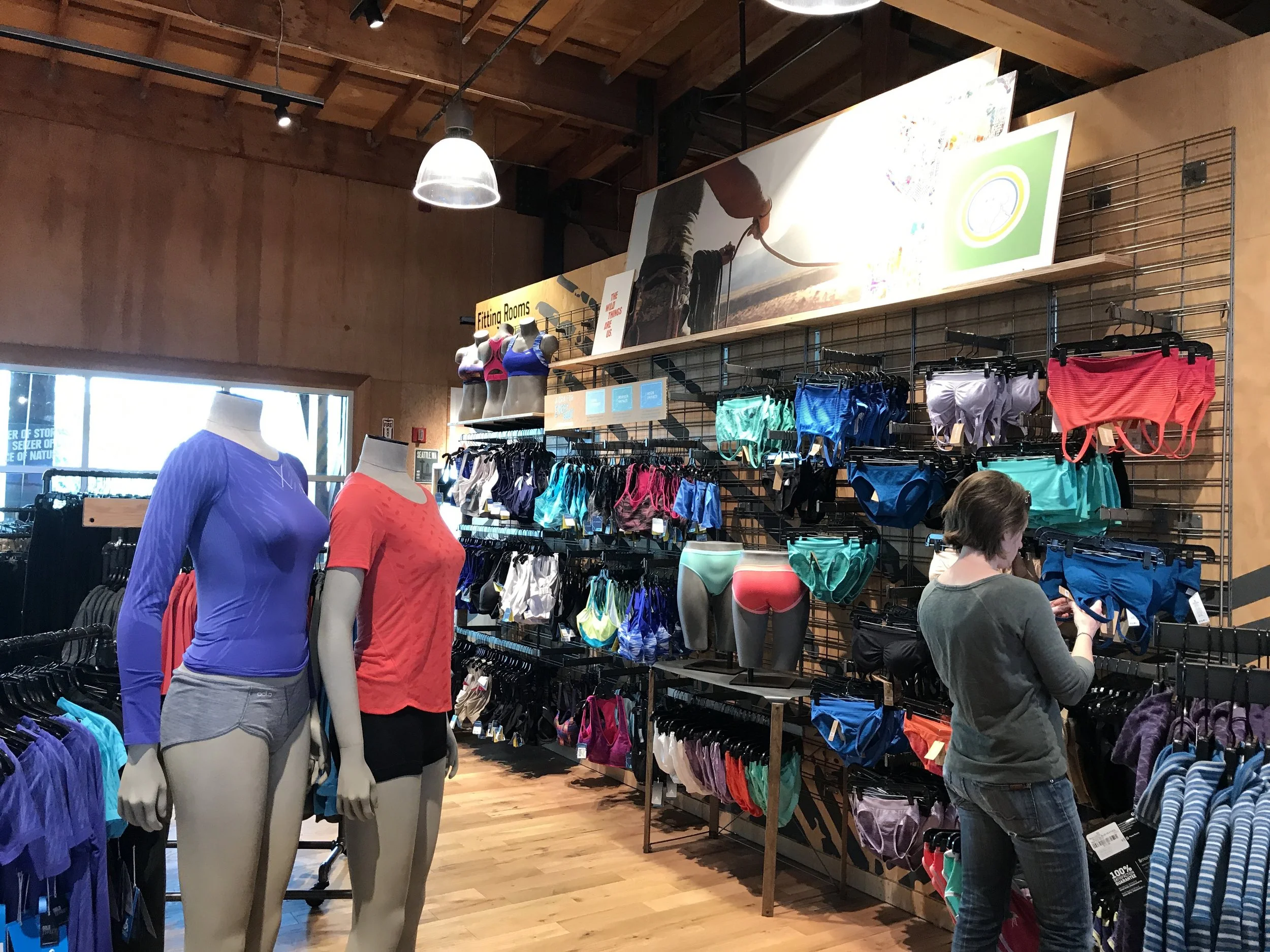
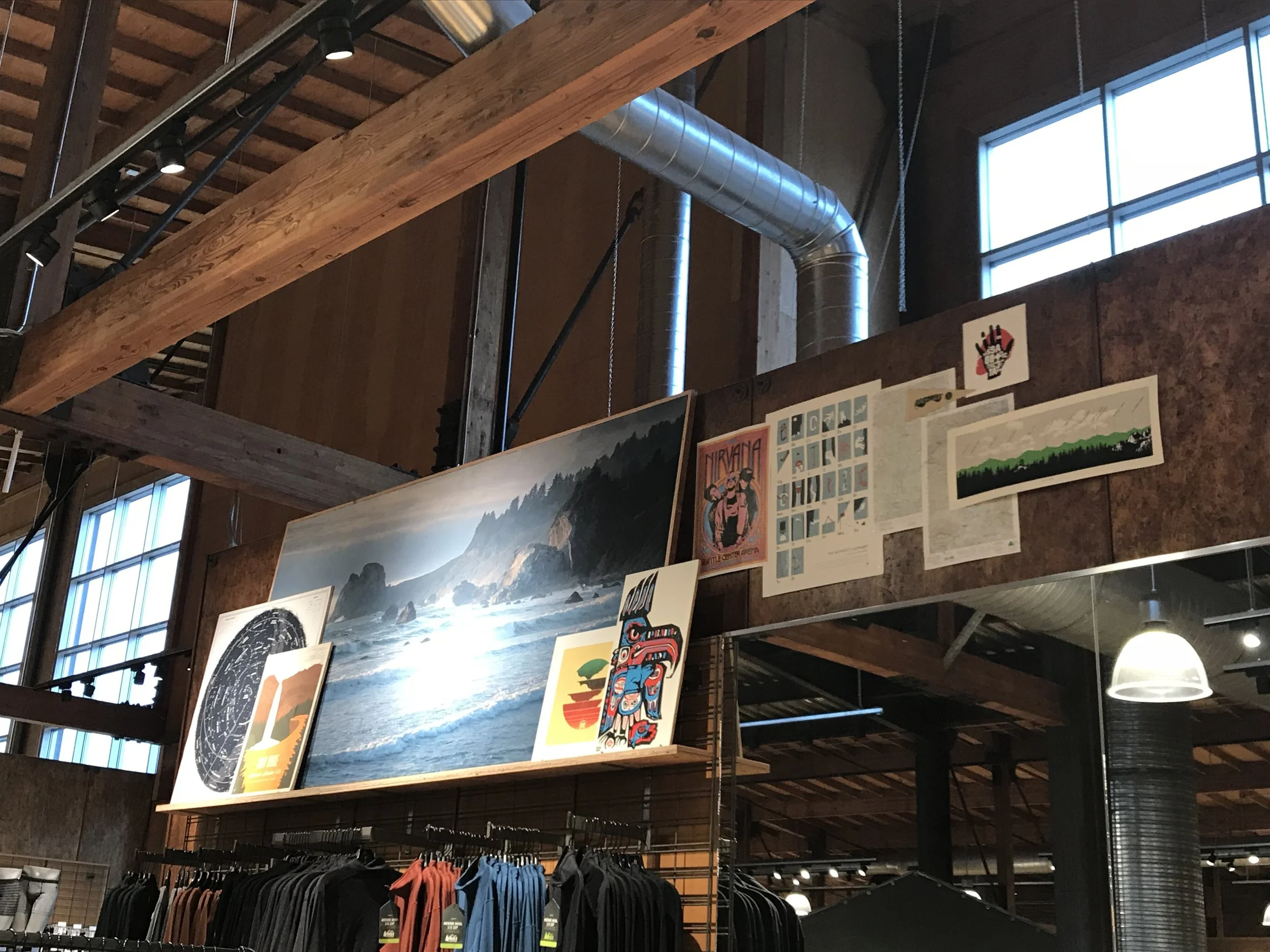
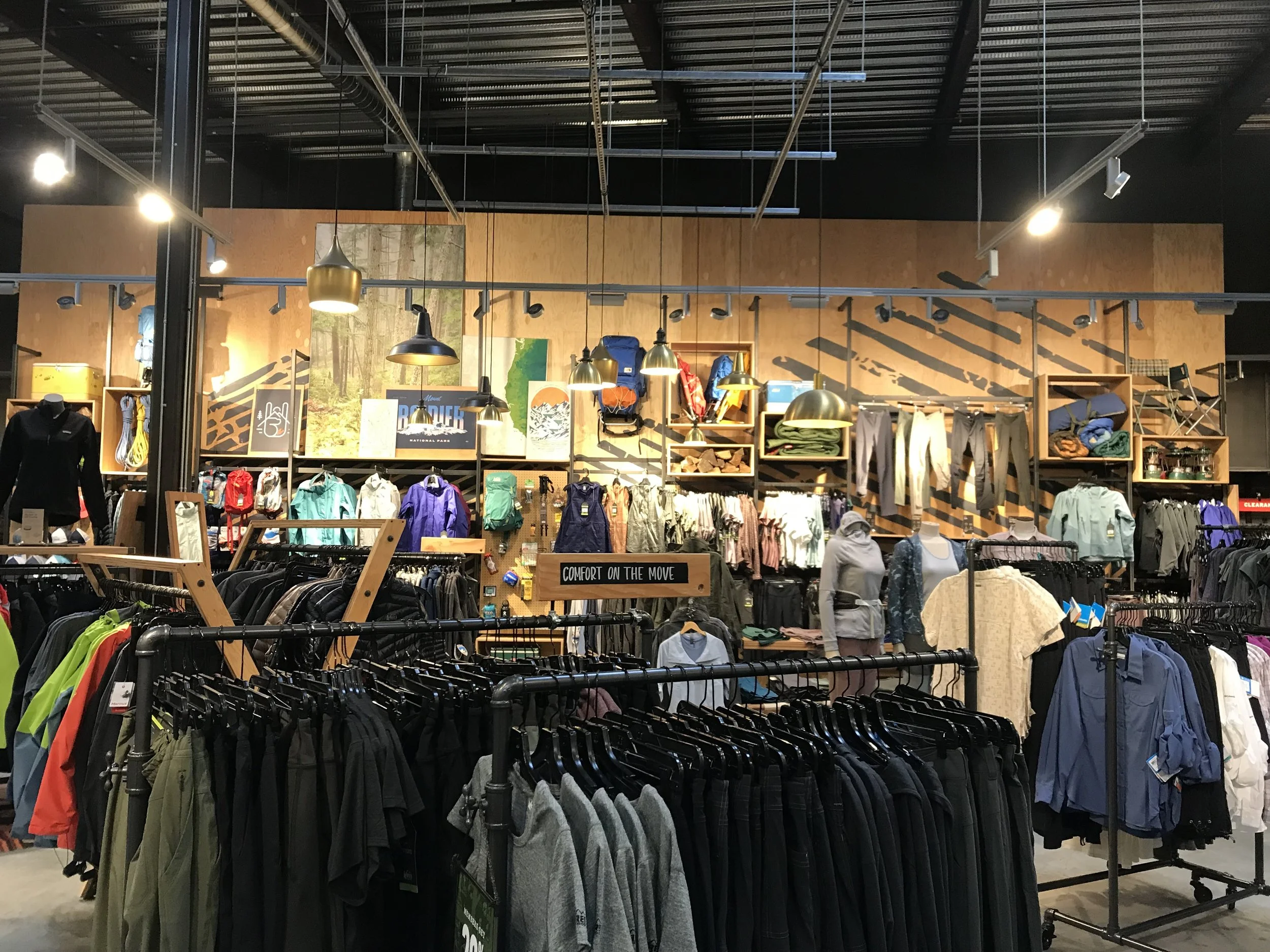
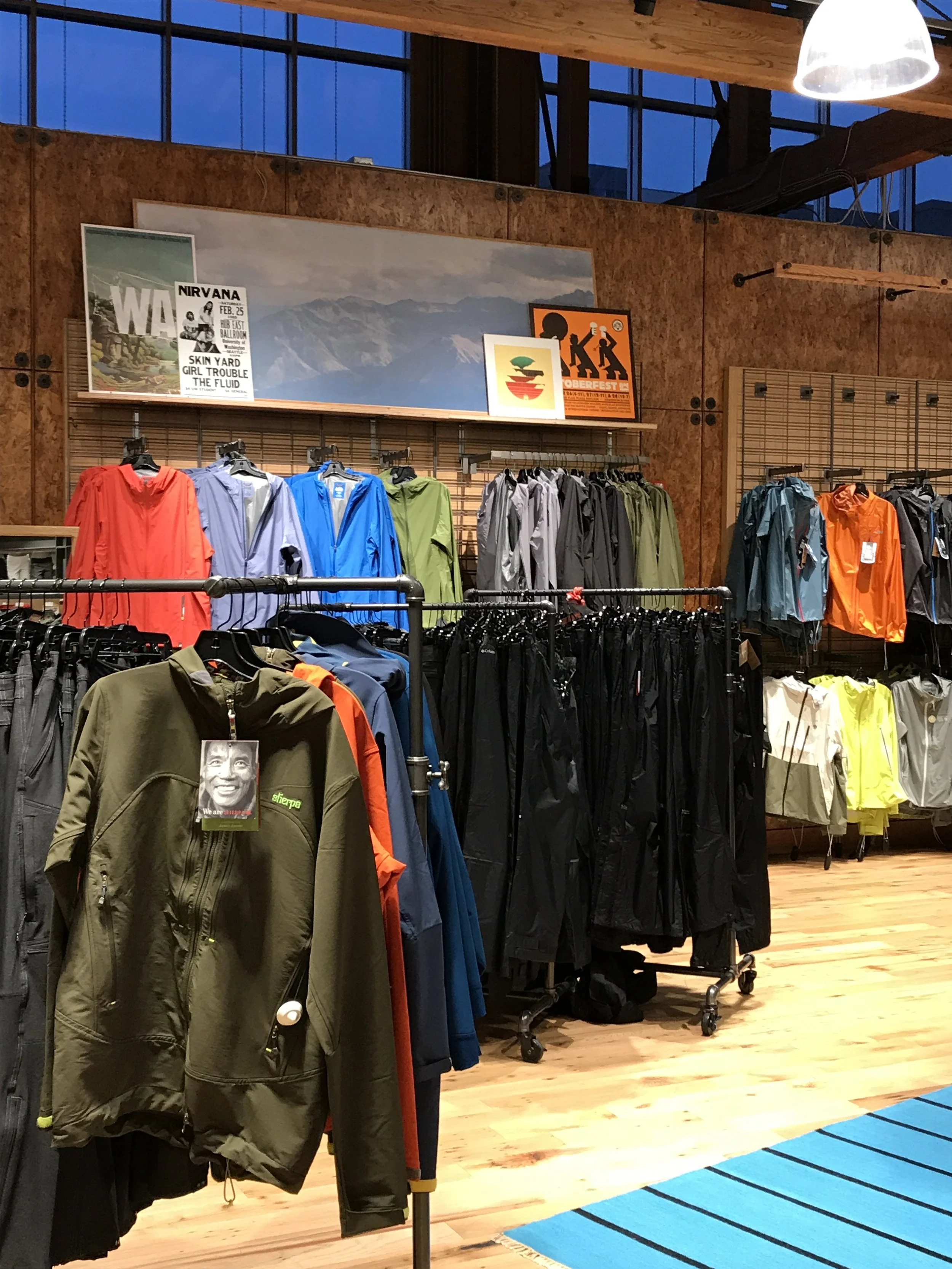
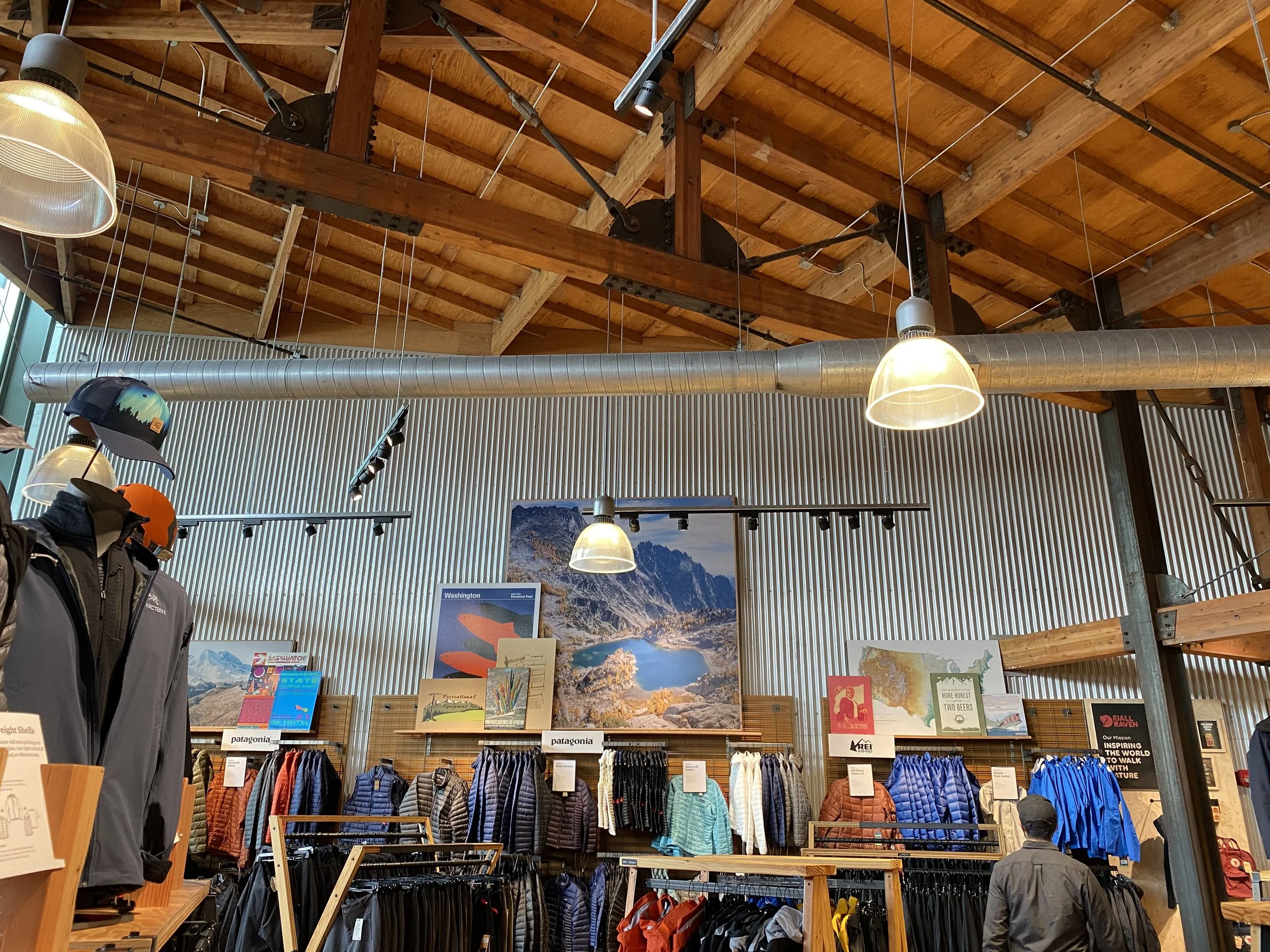
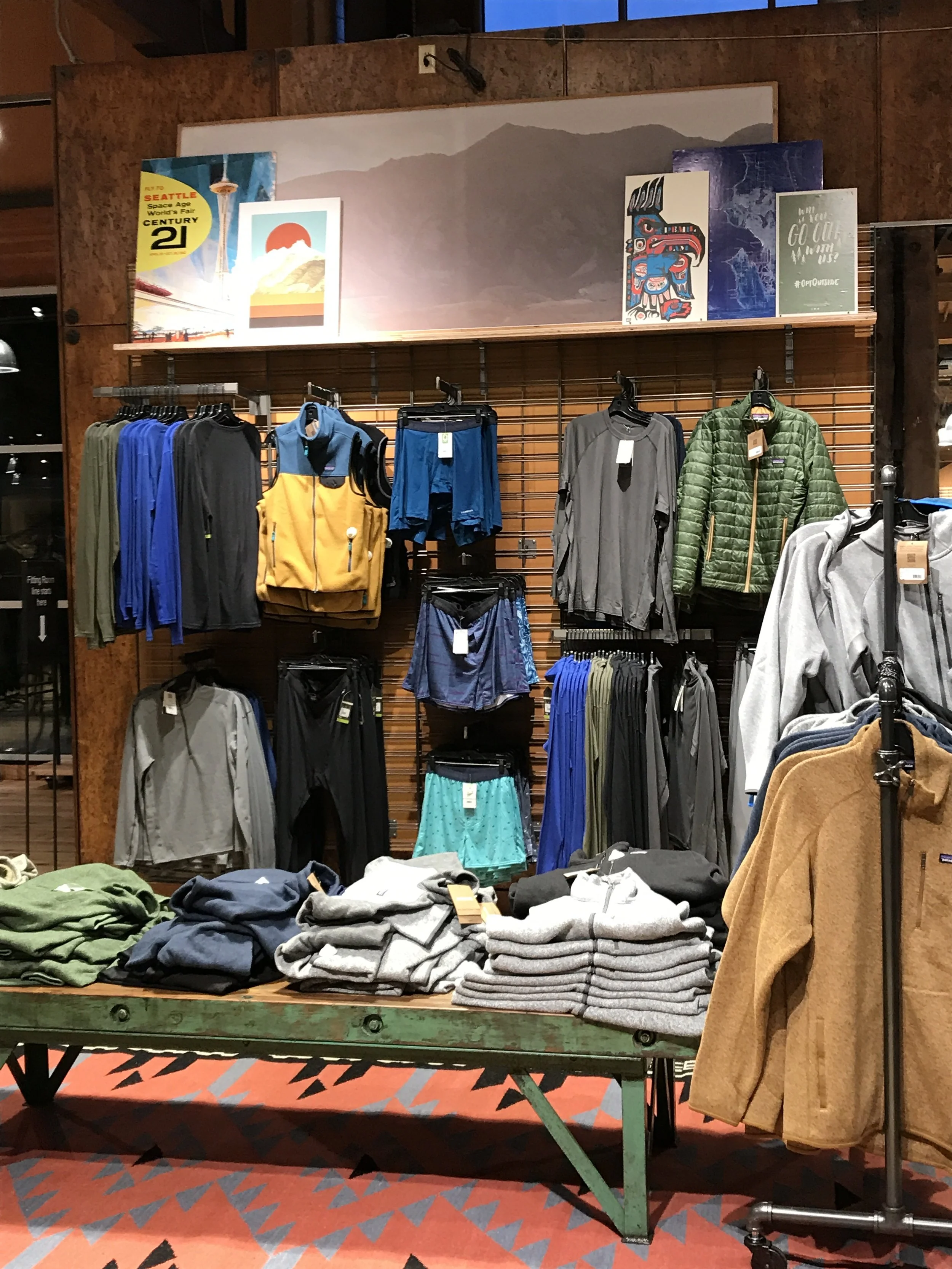
Apparel is REI's hardest category to get right. It has to work technically, fit beautifully, and somehow feel like it belongs to the person standing in front of it — not the merchant who bought it. At REI Seattle — the city where the Co-op was born — the opportunity was to build something that celebrated that origin and the distinct outdoor culture that created it.
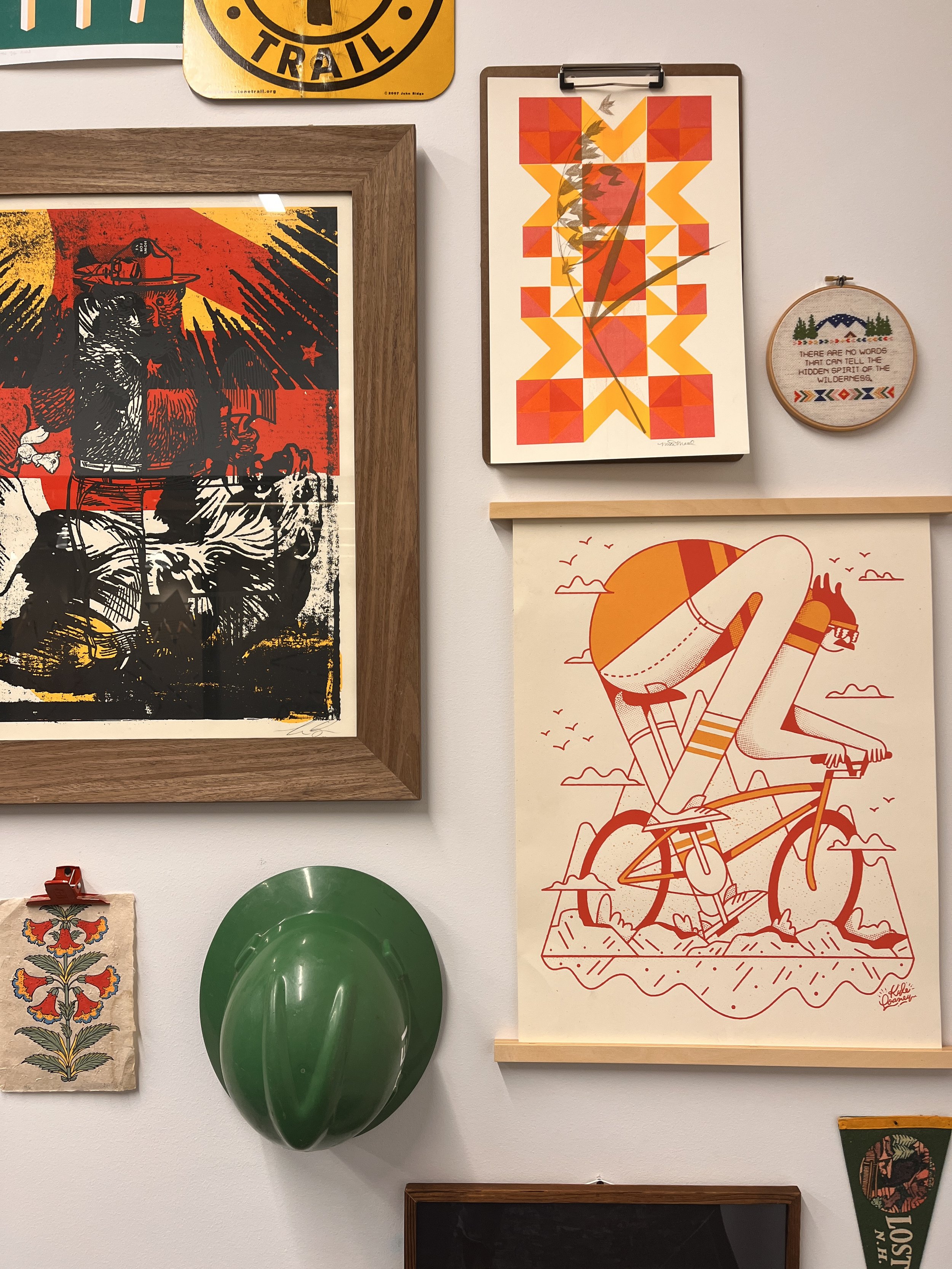
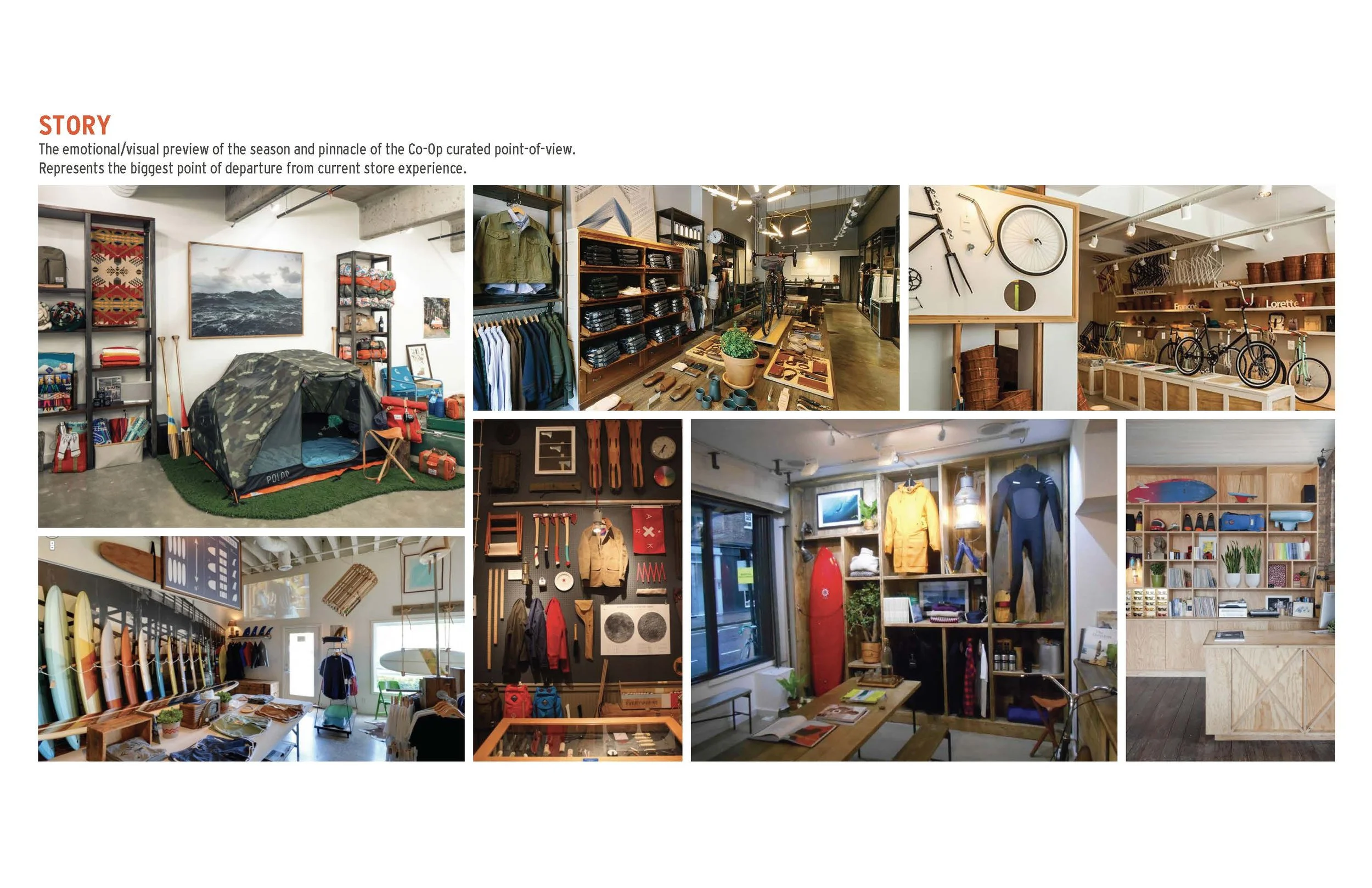
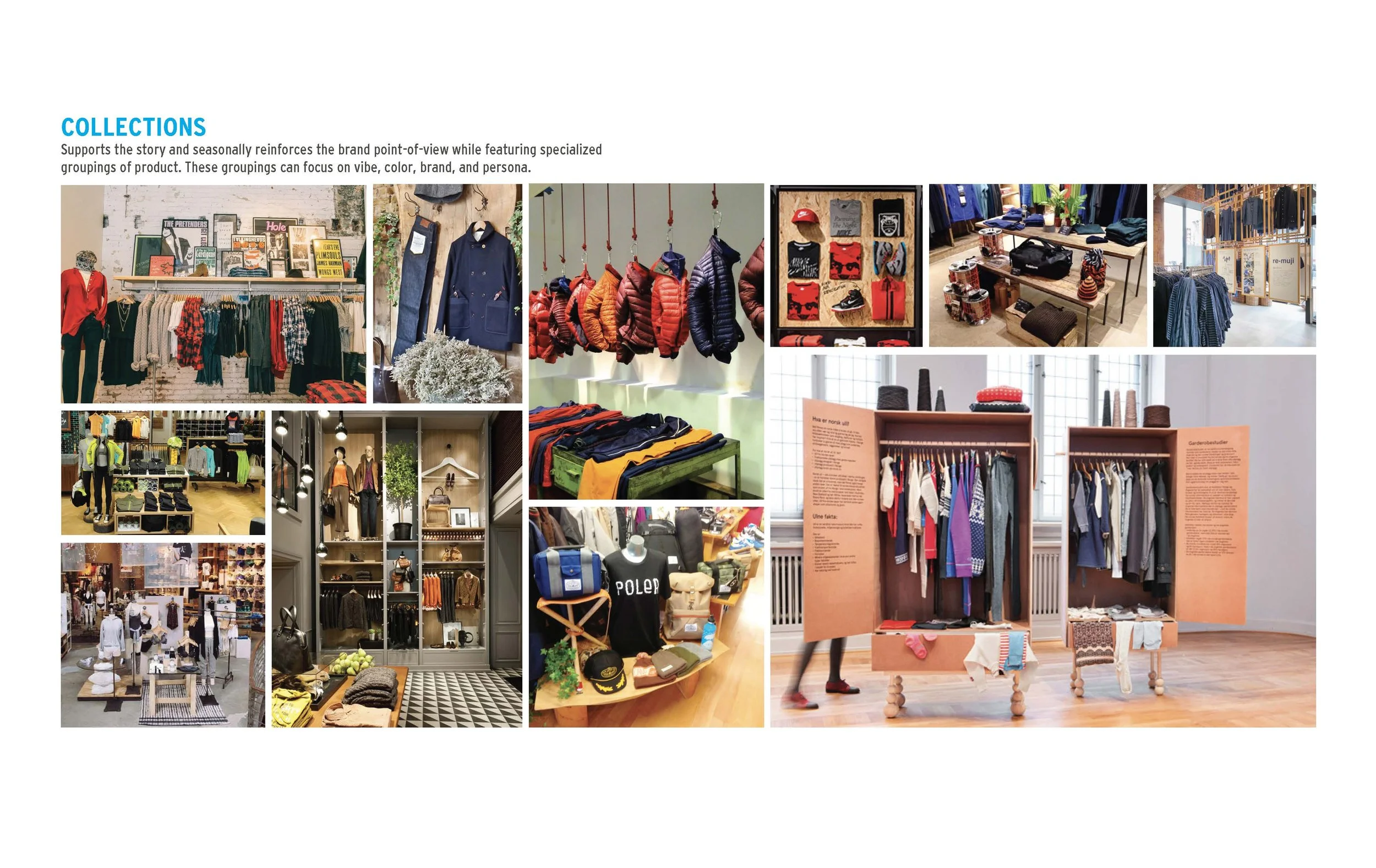
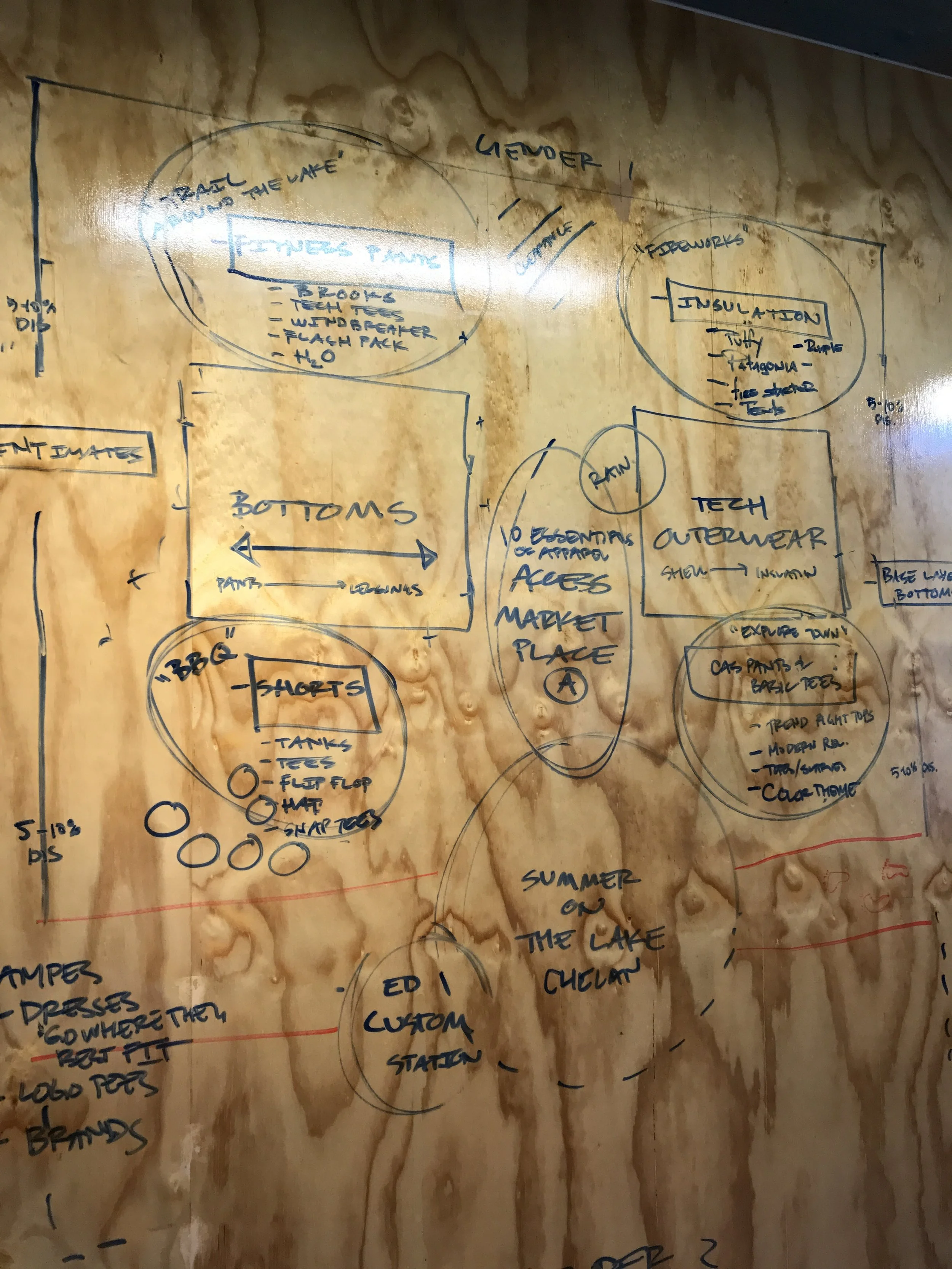
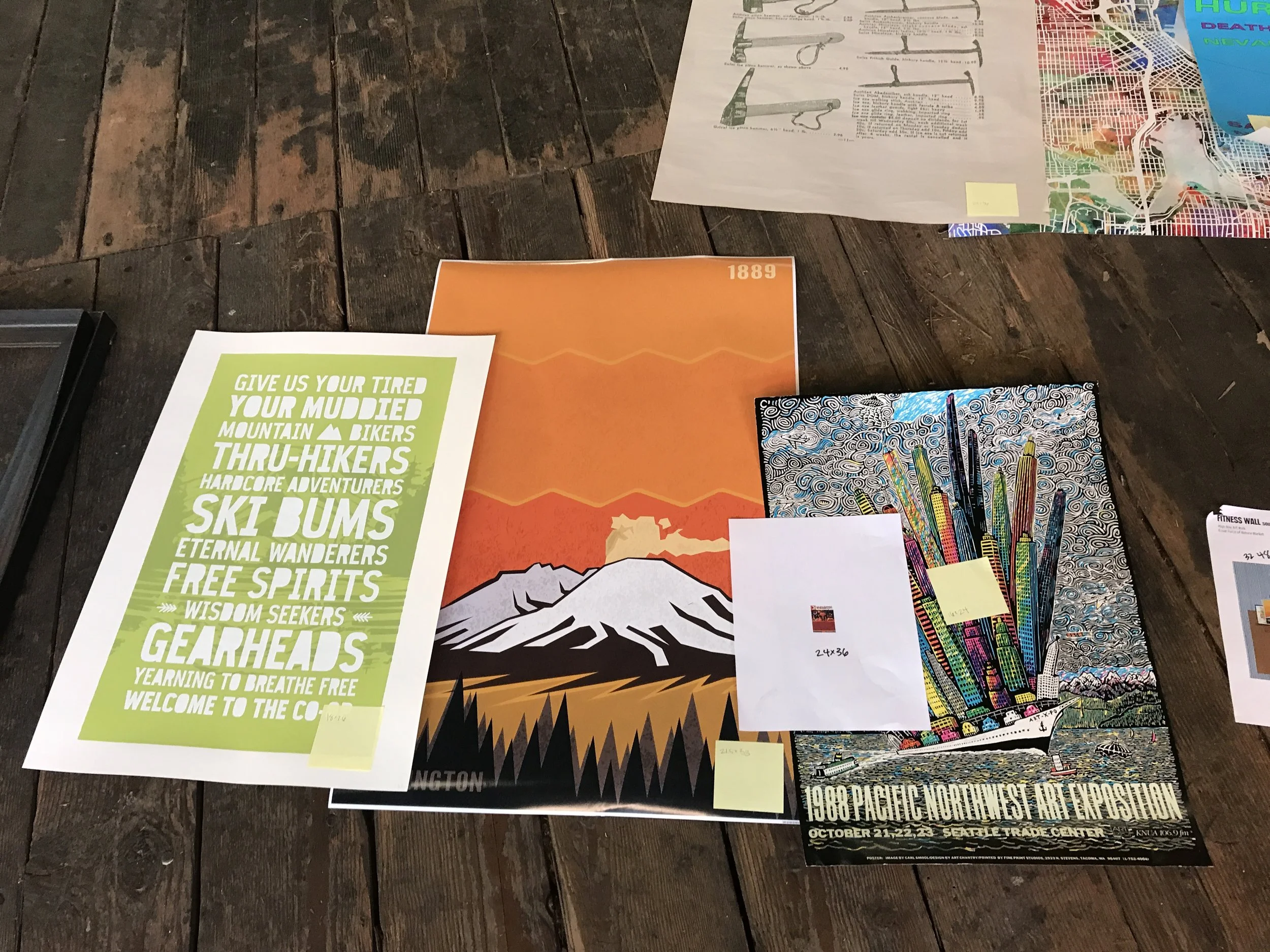
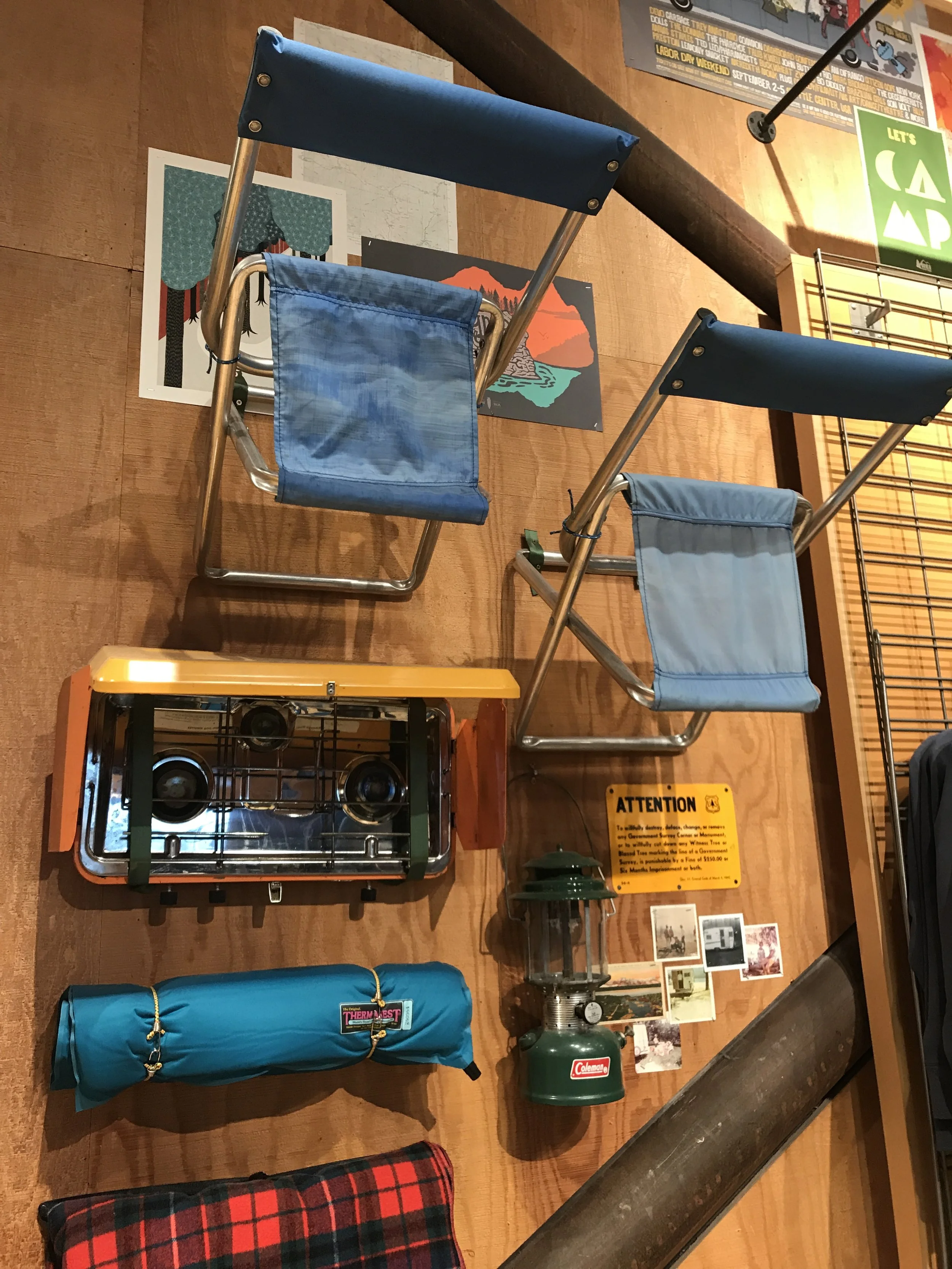
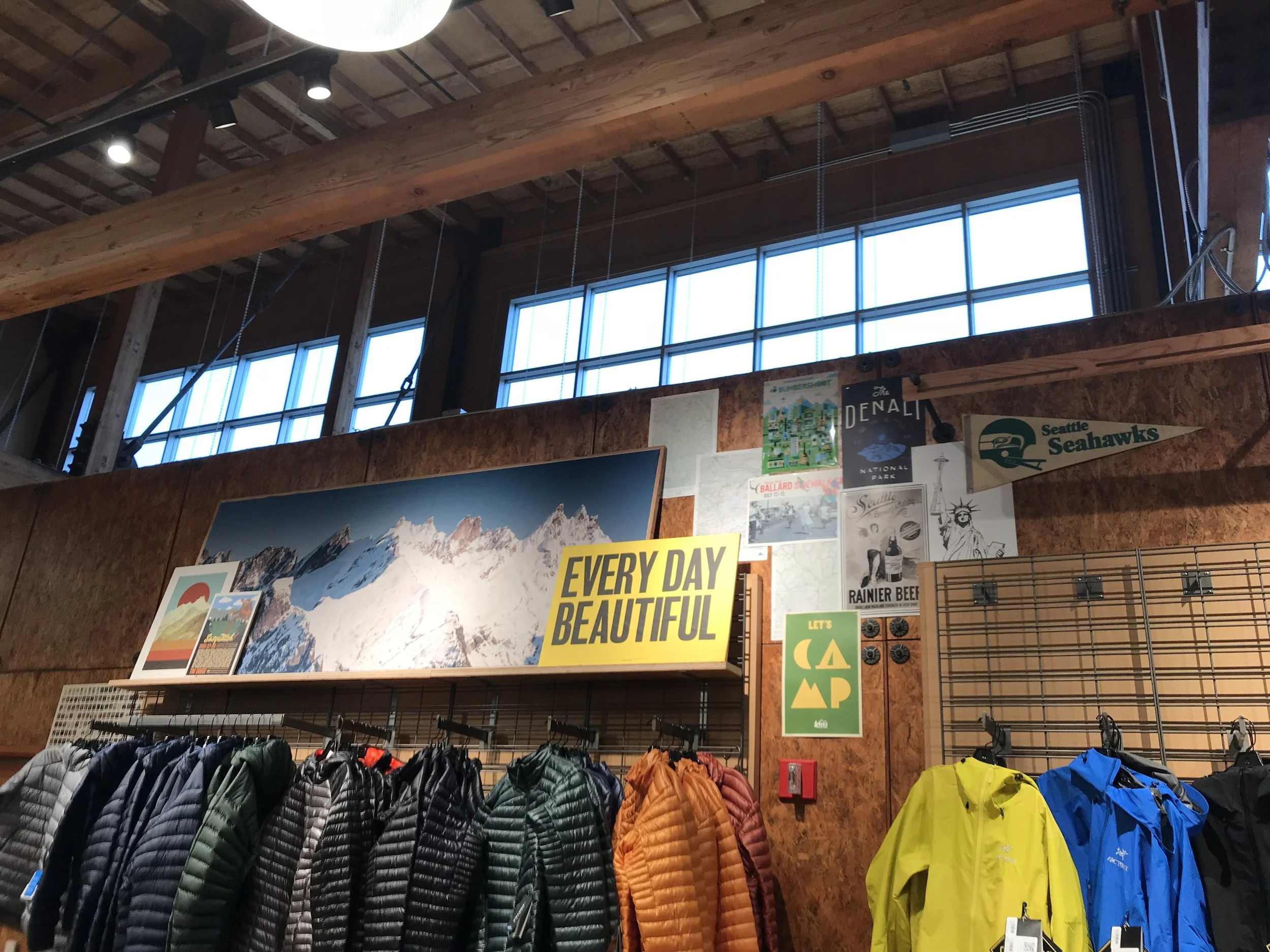
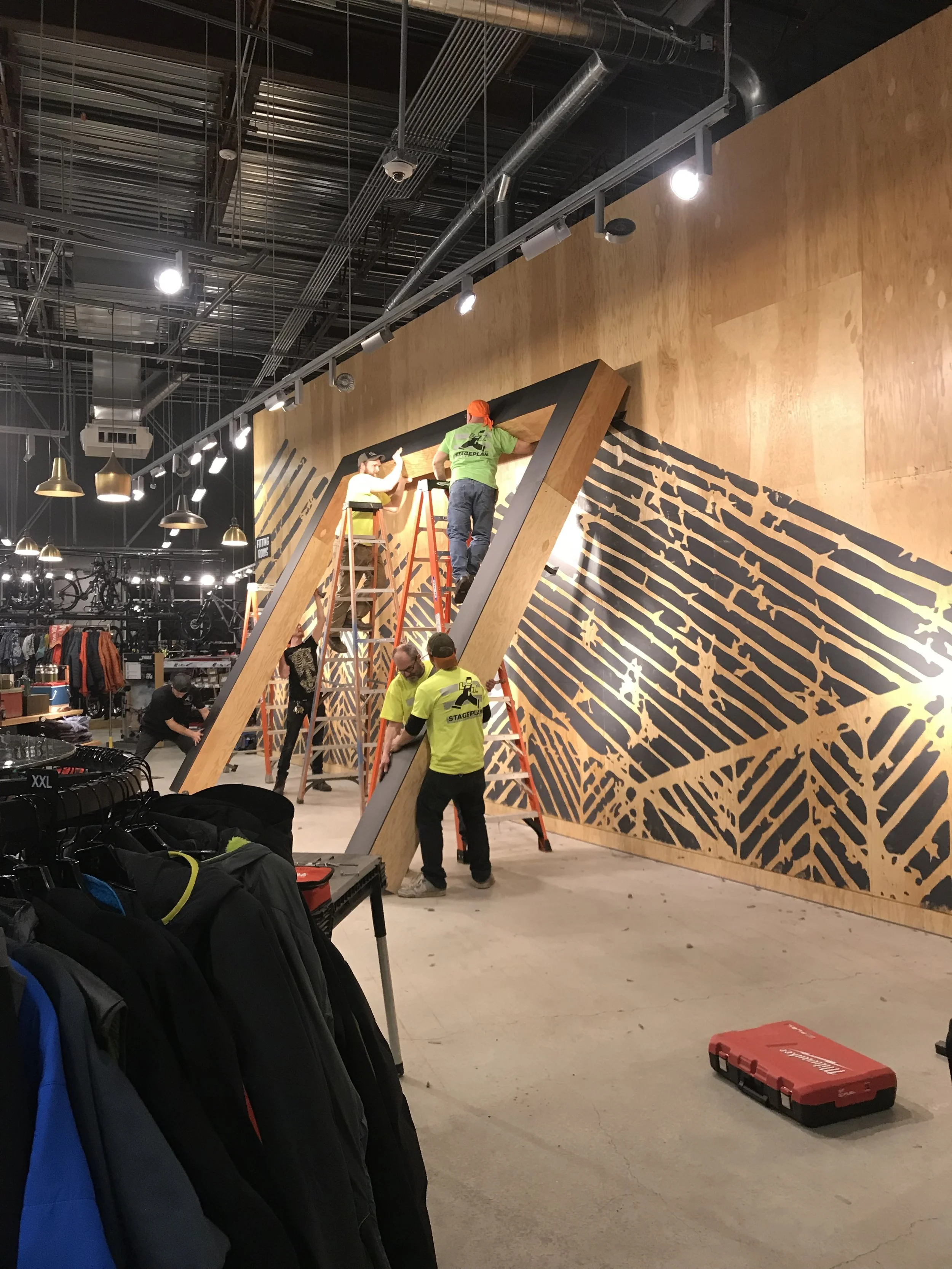
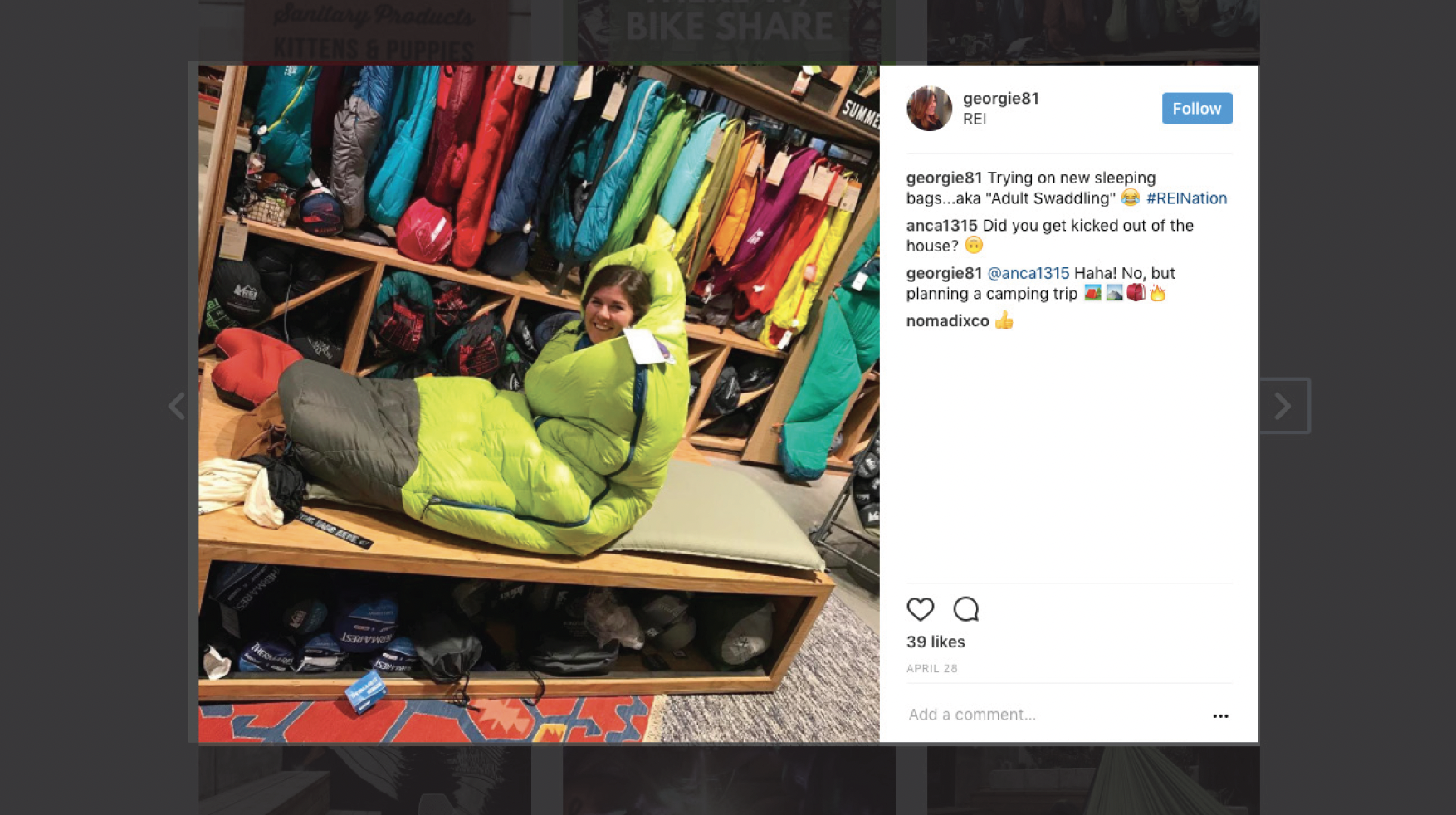
I led the spatial strategy and visual merchandising, designed and curated the fixture system, and directed the styling. Then I did something the strategy deck couldn't do: I curated the art. Working with local photographers — many of them REI employees — and regional vendors, I sourced and produced large-format landscape photography of places Seattleites actually go. The Enchantments. The Olympic Coast. I layered in found objects, vintage gear, local prints, concert posters, and ephemera that had nothing to do with selling anything and everything to do with saying: we know who you are and where you spend your weekends.
The result was a category experience that felt less like a department and more like a room someone cared about.
Future Stores Conference — The practitioner as voice
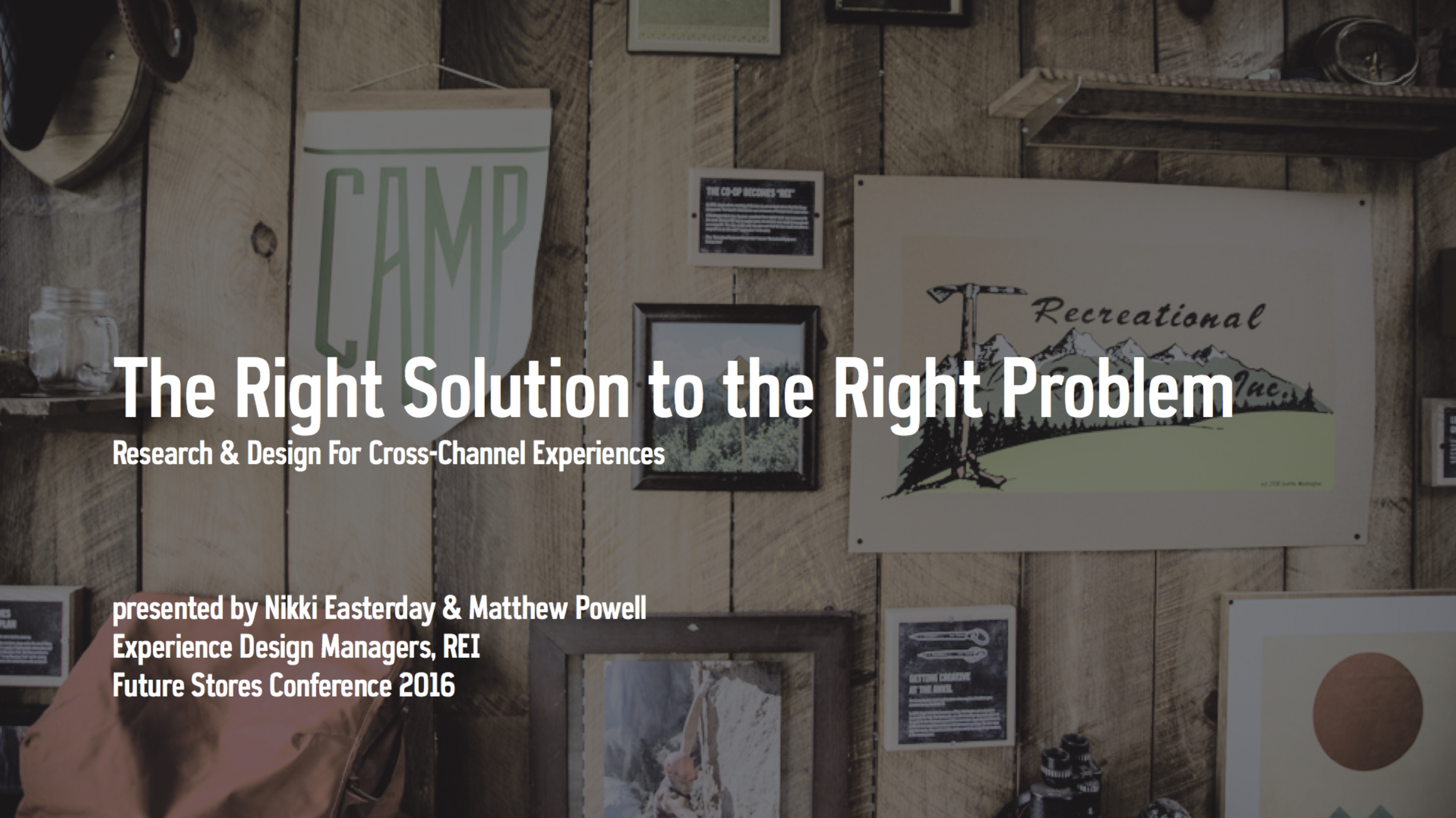
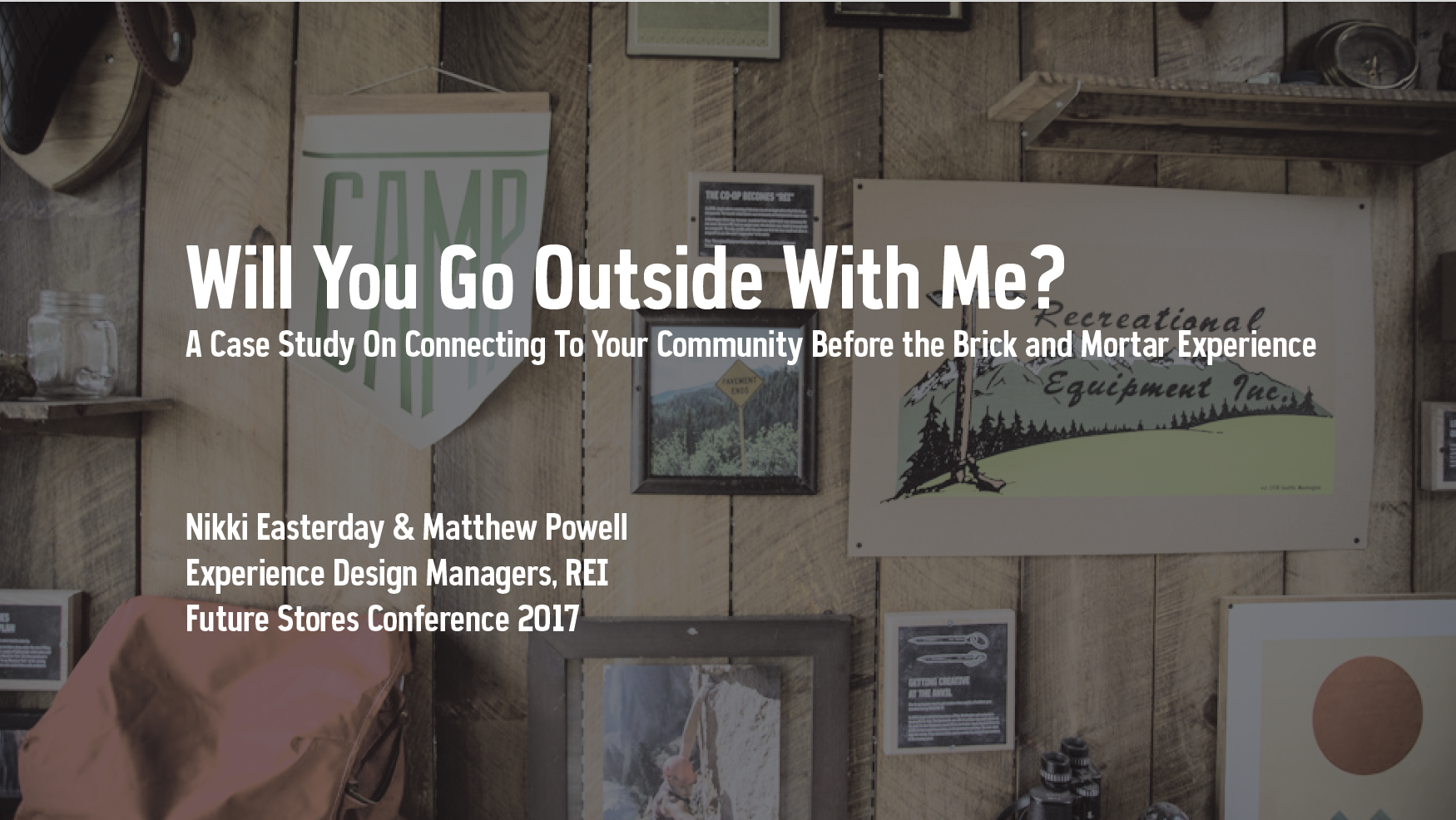
There's a difference between doing the work and being able to talk about why it matters. For two consecutive years, I was invited to speak at the Future Stores Conference — the industry's gathering for retail experience leaders — representing REI's approach to environmental design and customer experience.
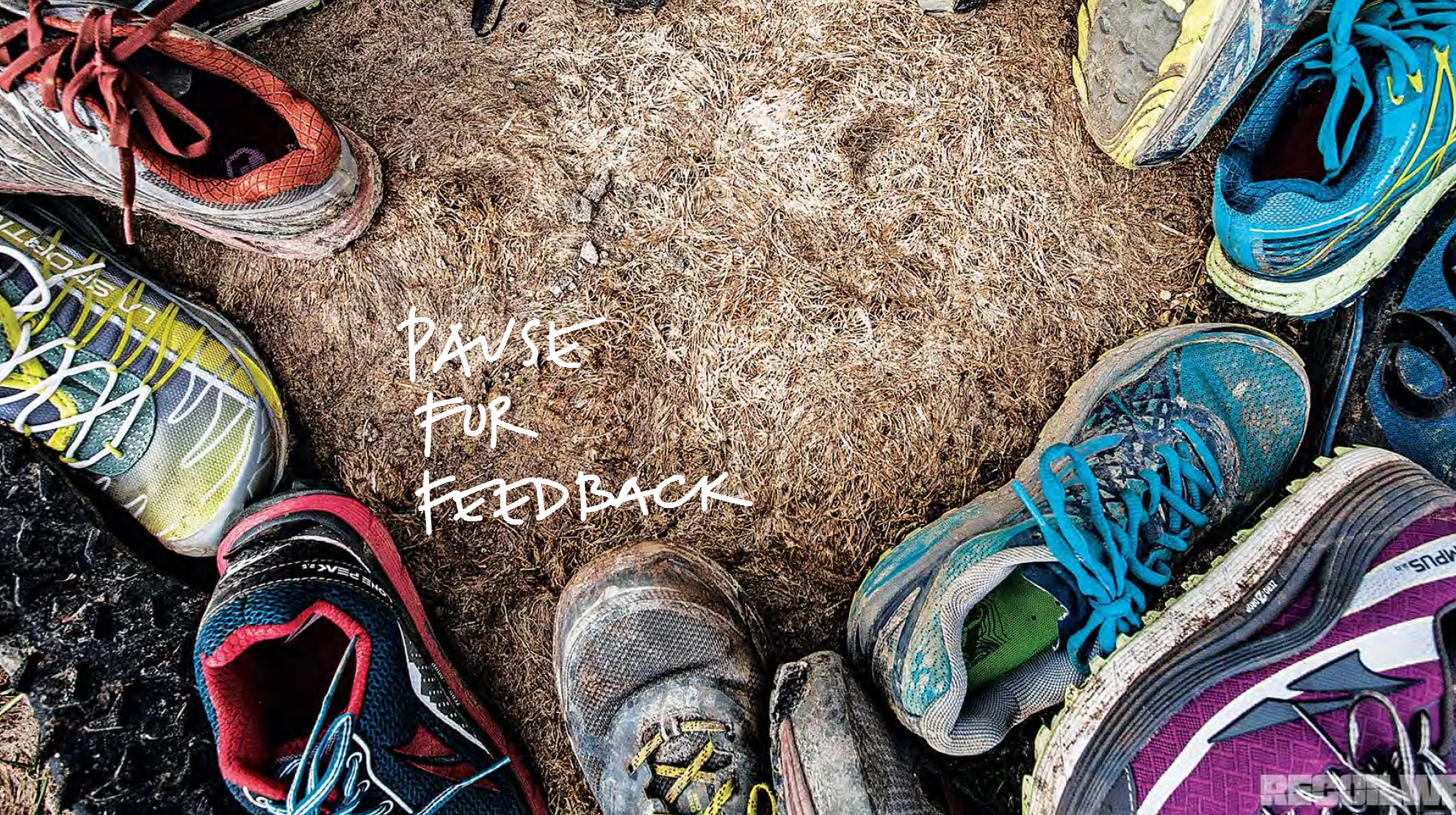
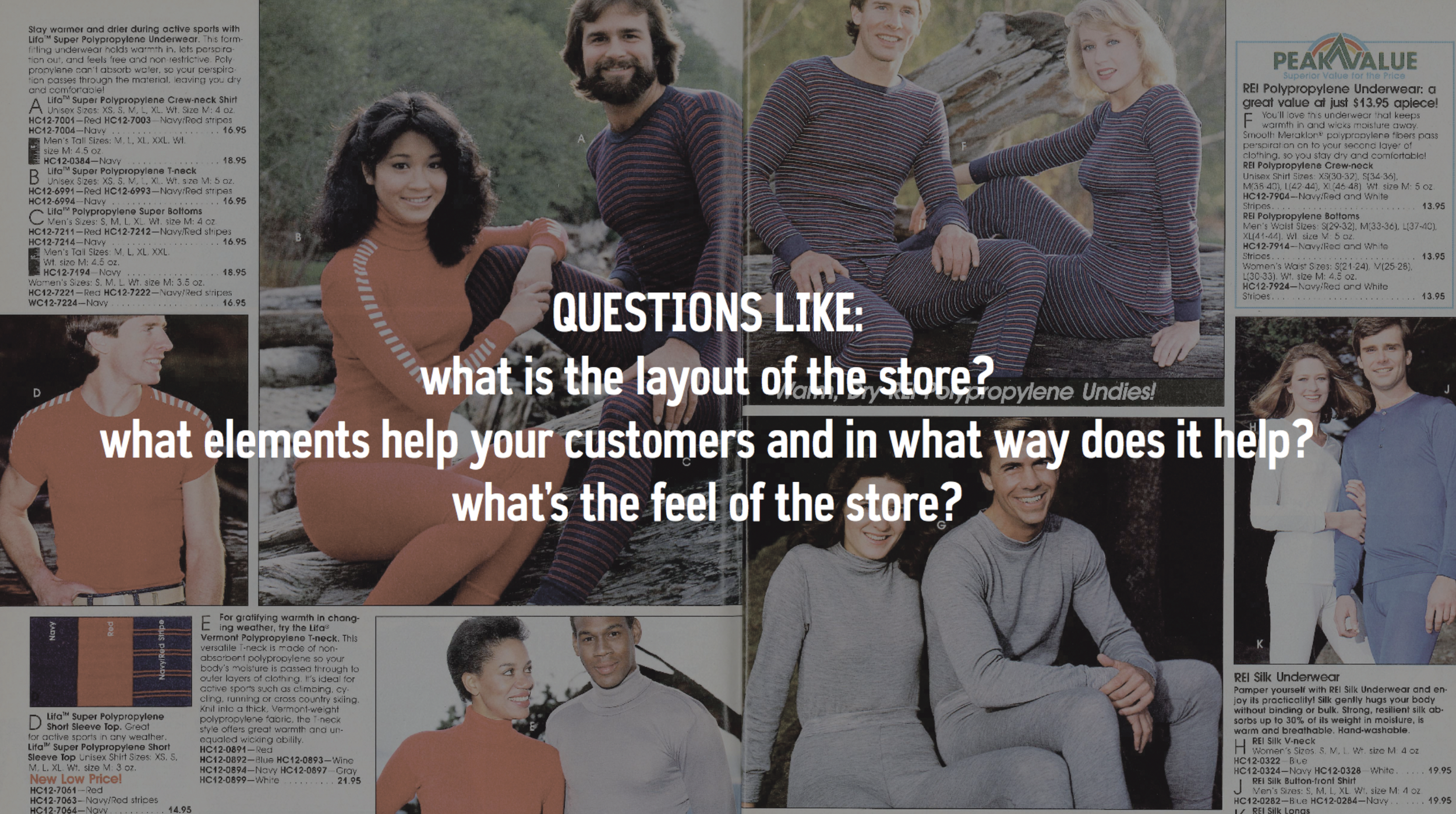
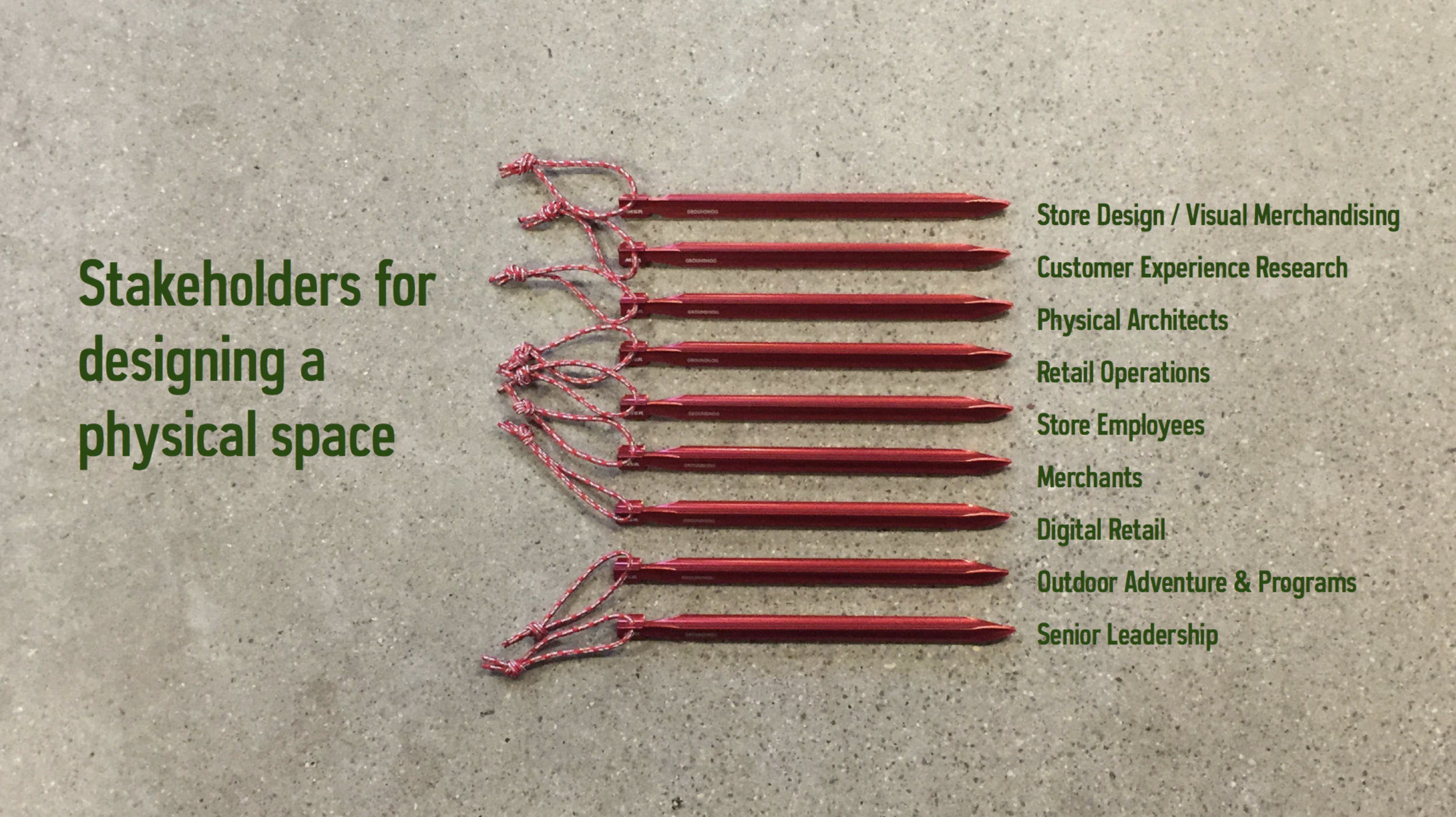
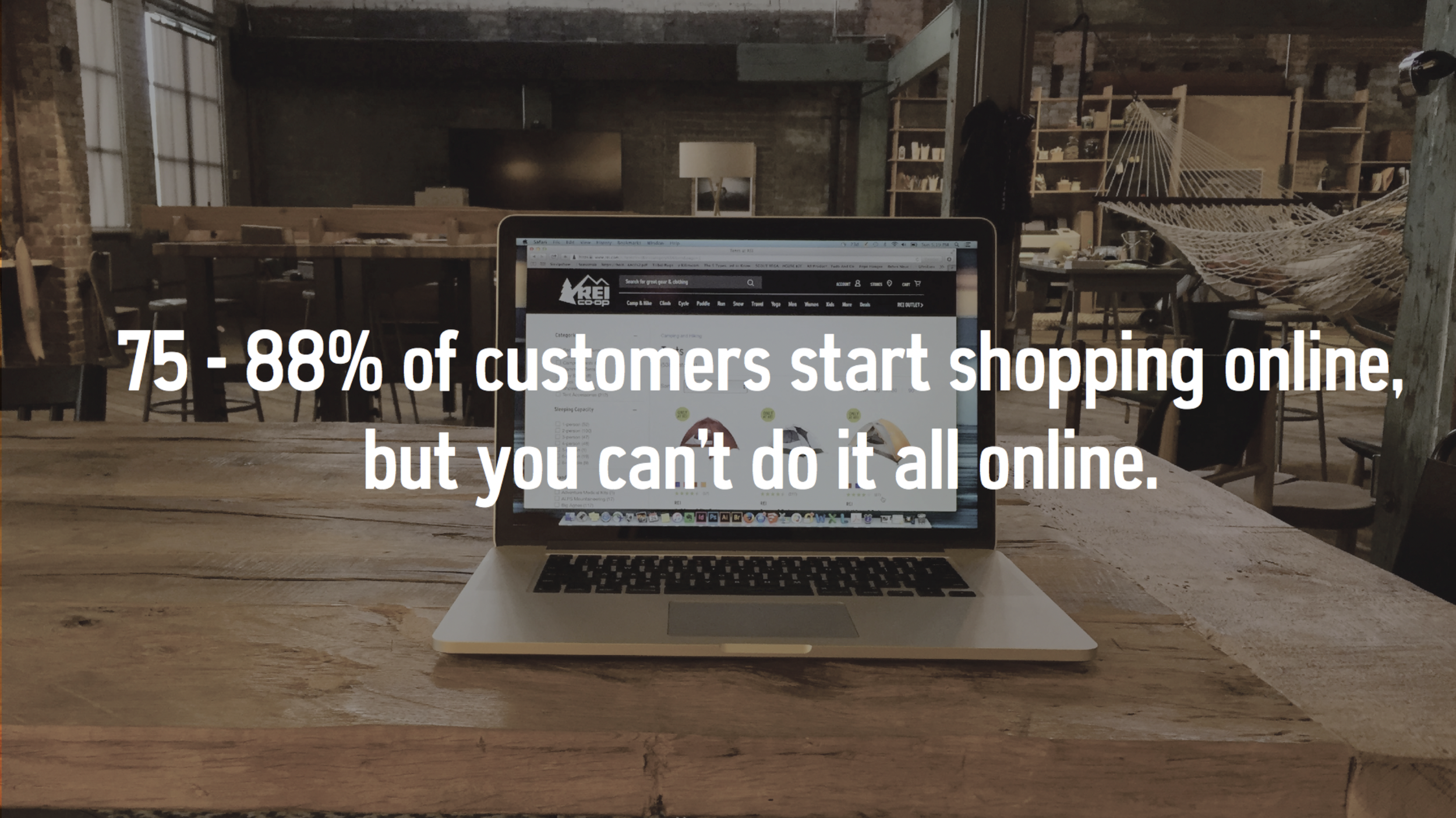
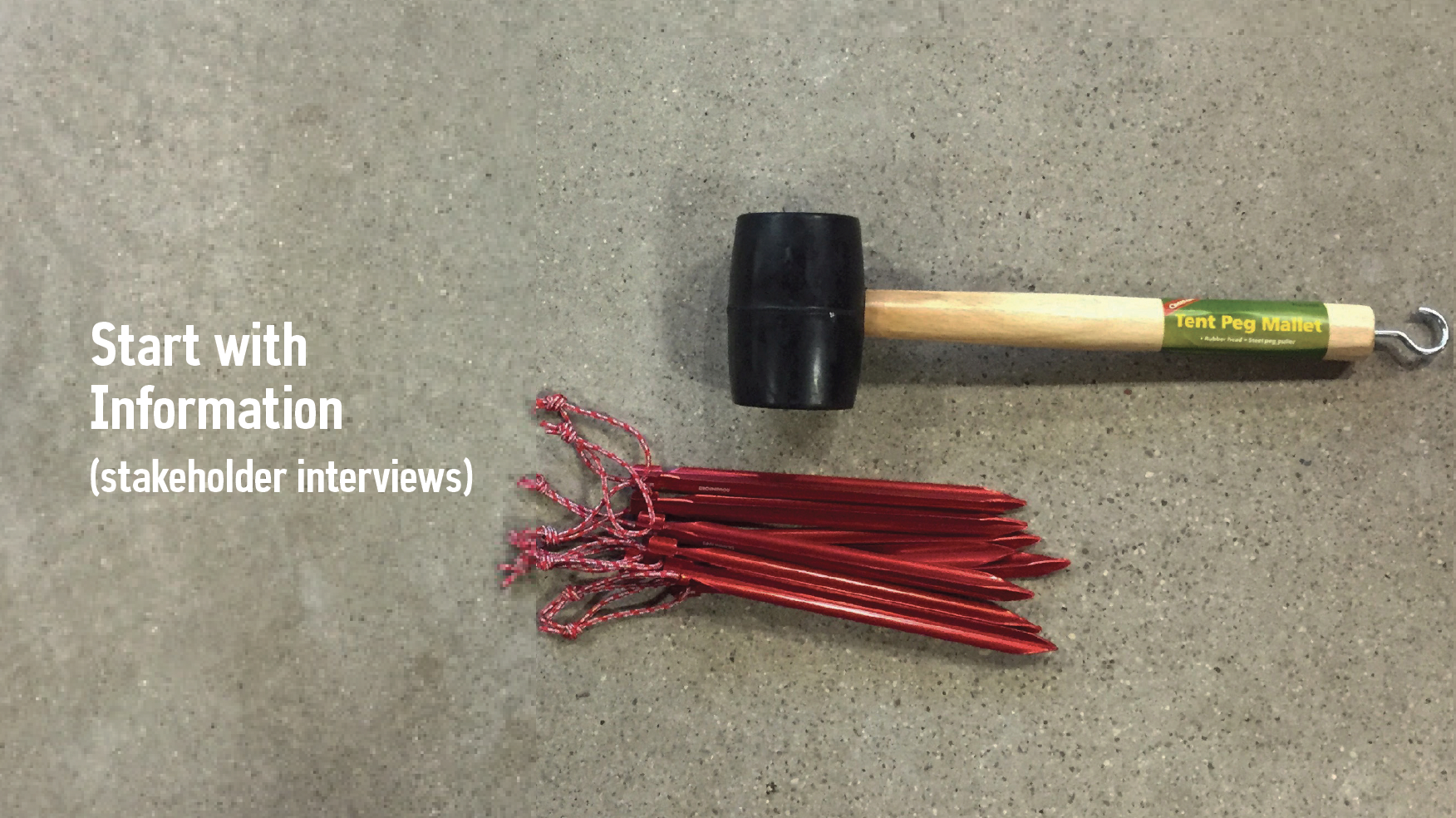
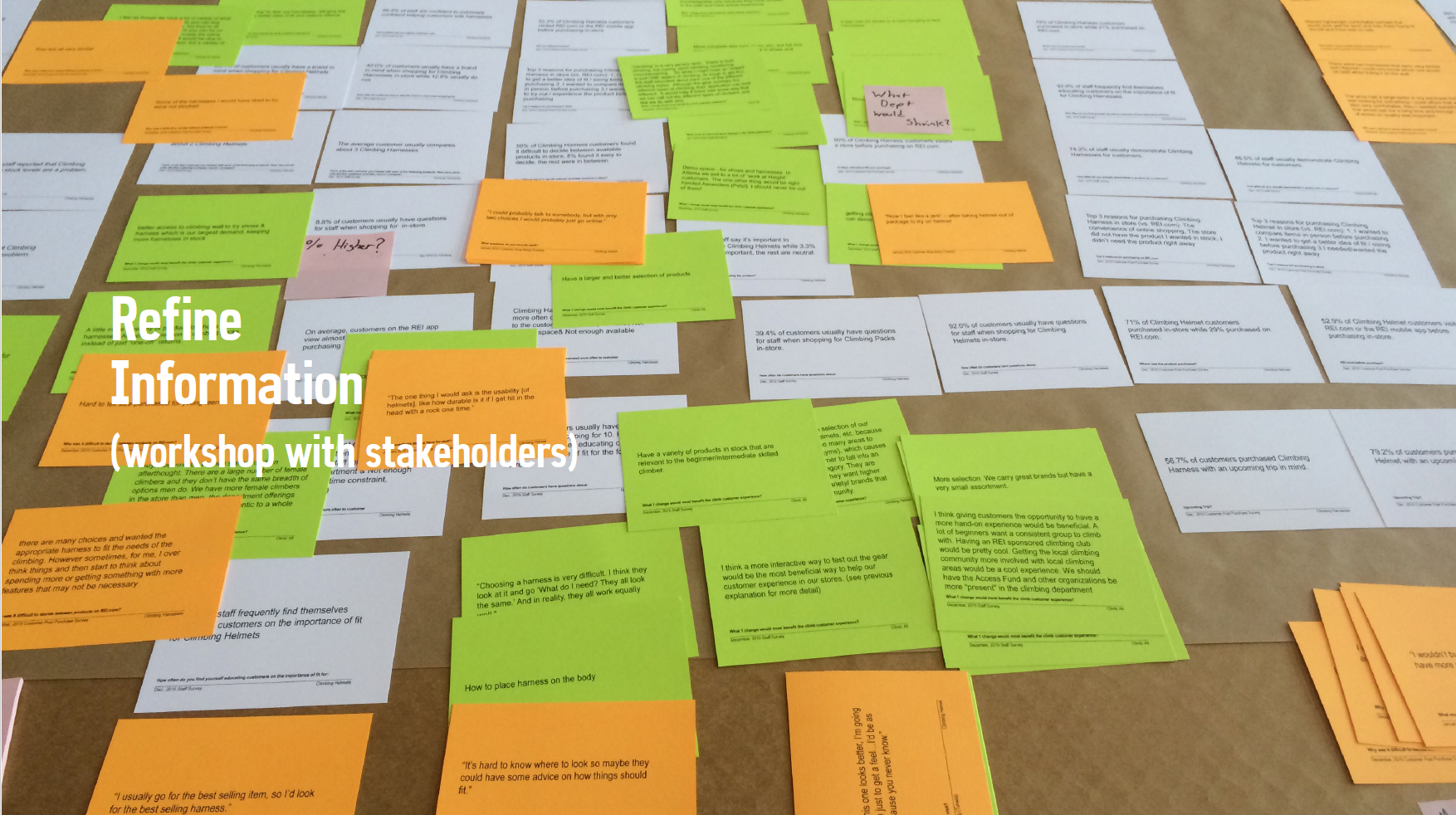
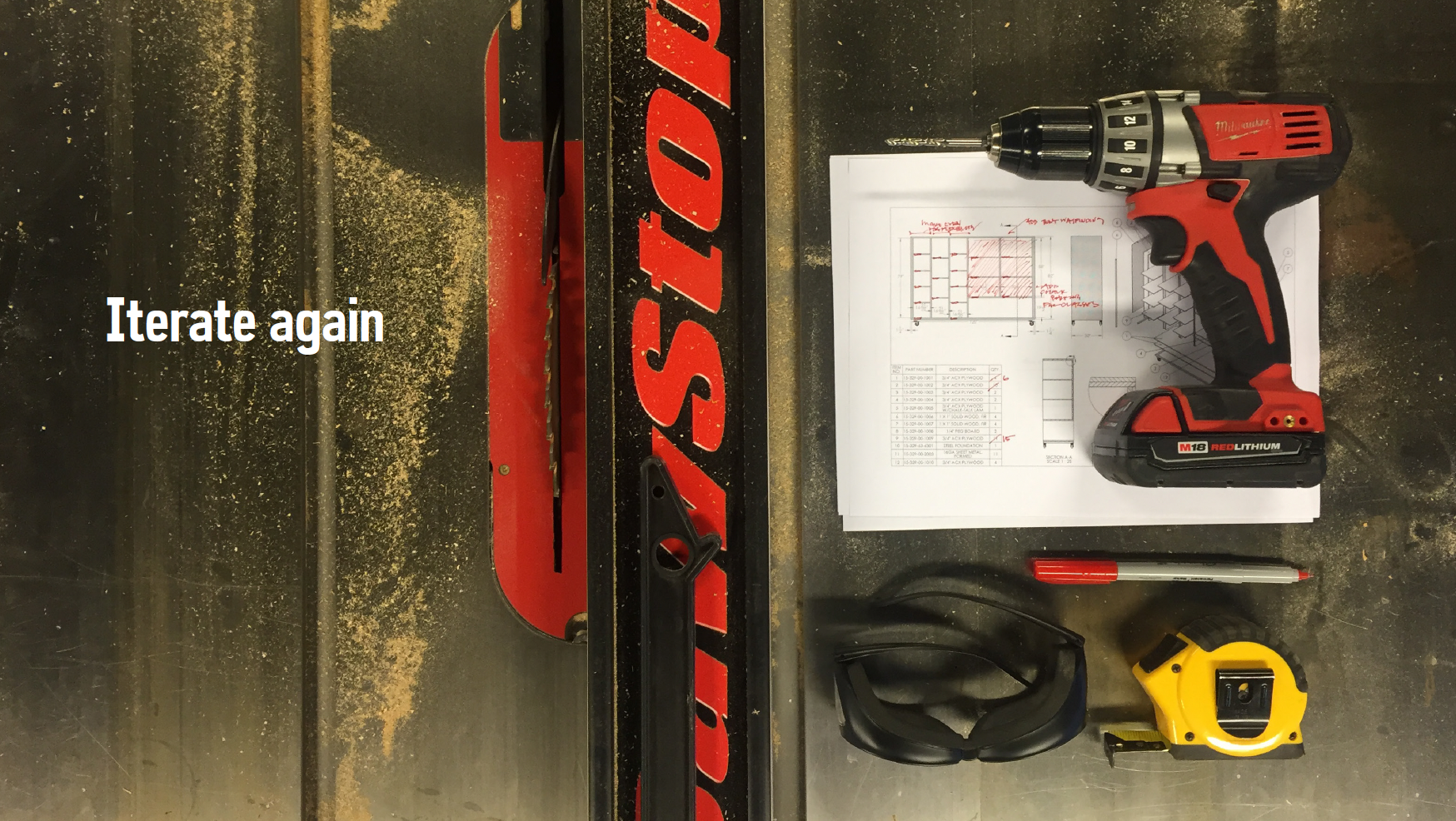
In 2016, I presented the design thinking methodology behind Camp Evolution: how starting with customer research and iterating through stakeholders, consultants, employees, and a pilot store produces better outcomes than designing from assumption. In 2017, I returned with the DC story — how REI built a community before a single product was ever sold, and what that means for how a brand earns the right to open a door.
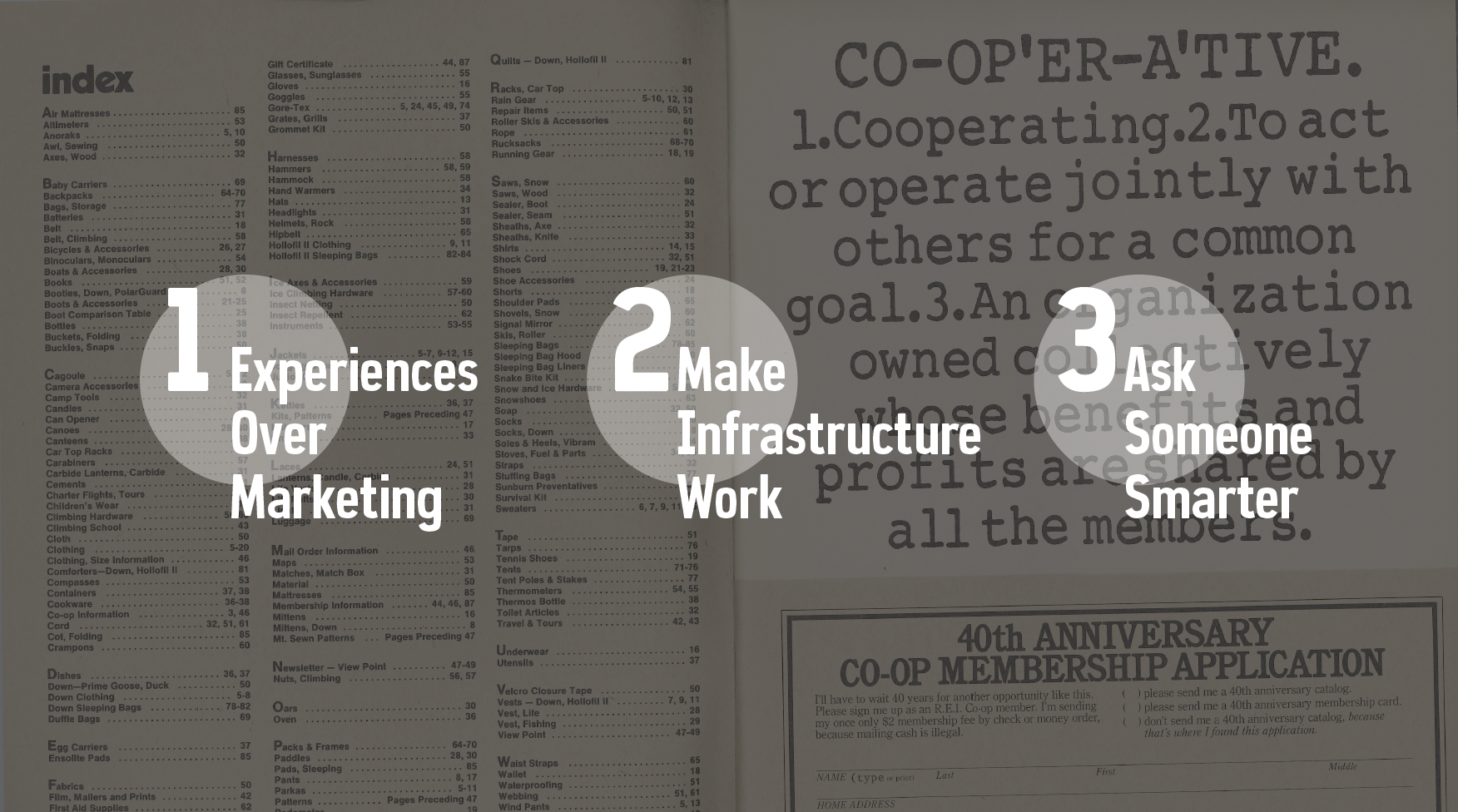
The thesis across both years was the same: the best retail experiences aren't designed for transactions. They're designed for people. The transaction as outcome not goal.
RETAIL DESIGN
INTERIORS
ARTWORK
STYLING
I'm Nikki Arruda — a designer, maker and listener based in Fircrest, Washington.
Every morning I walk my dog, Kenzo. No music, no podcast. Just us and whatever the day is bringing. It's the best design thinking I do.
I've spent over 25 years creating environments for retail — stores, concepts, systems, standards. The through-line in all of it is the same instinct I bring to everything else: I want to know the real you first. The space, the brand, the strategy — those come after. When I get the listening right, the design tends to feel like it was always supposed to be there.
When I'm not working I'm painting — abstract acrylics, usually with too much color and not enough restraint. I'm learning how to tend a vegetable garden that humbles me every season. I'm curating the corners of my home the way I curate retail spaces — with intention, with collected experiences, with the question of how this room can make someone's shoulders drop.
I believe environments change people. Not dramatically, not all at once — but quietly, the way good design works. You walk in and something shifts. That's what I'm trying to make.
Latest Projects
project: Wayfinding launching in FA26
project: Camp Shops launching in SS27
project: Cycle Shops piloting in SS27